The Rainy Day

Good morning, readers.

Today, I’m sharing one of my very first short stories. It’s always good to dig up past stuff and see how far you’ve come. It’s a little rusty, but it works. Enjoy!

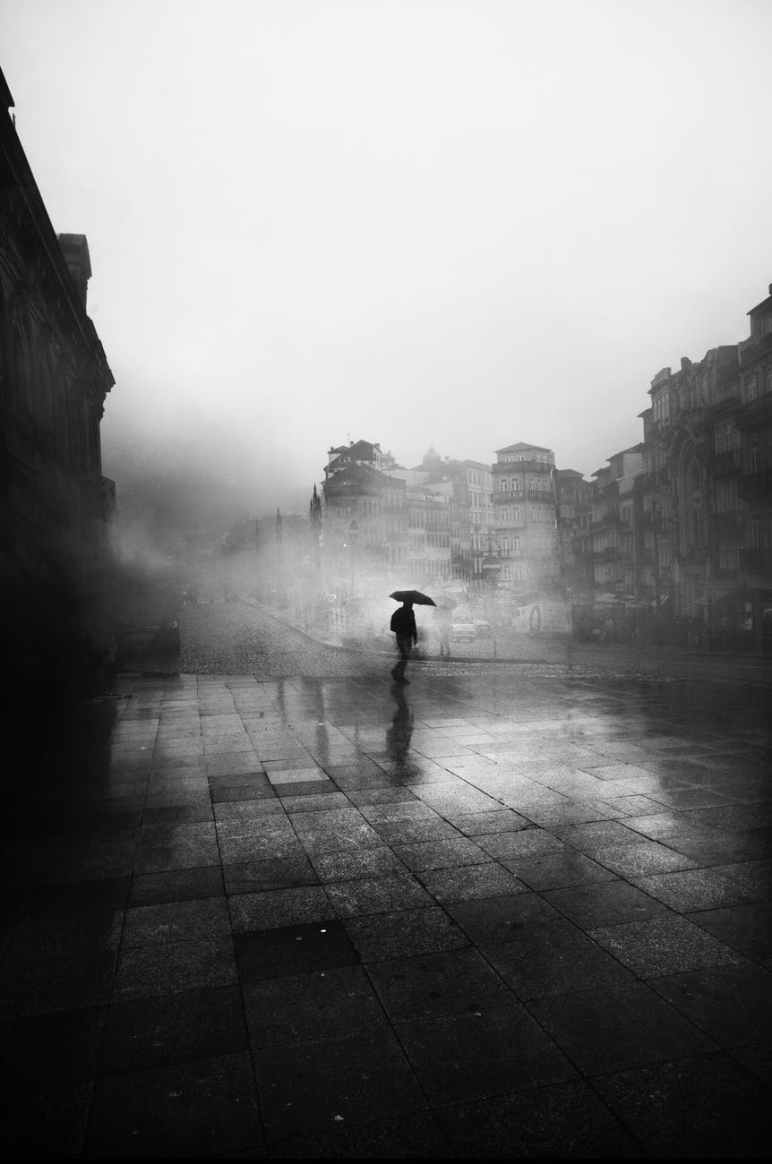
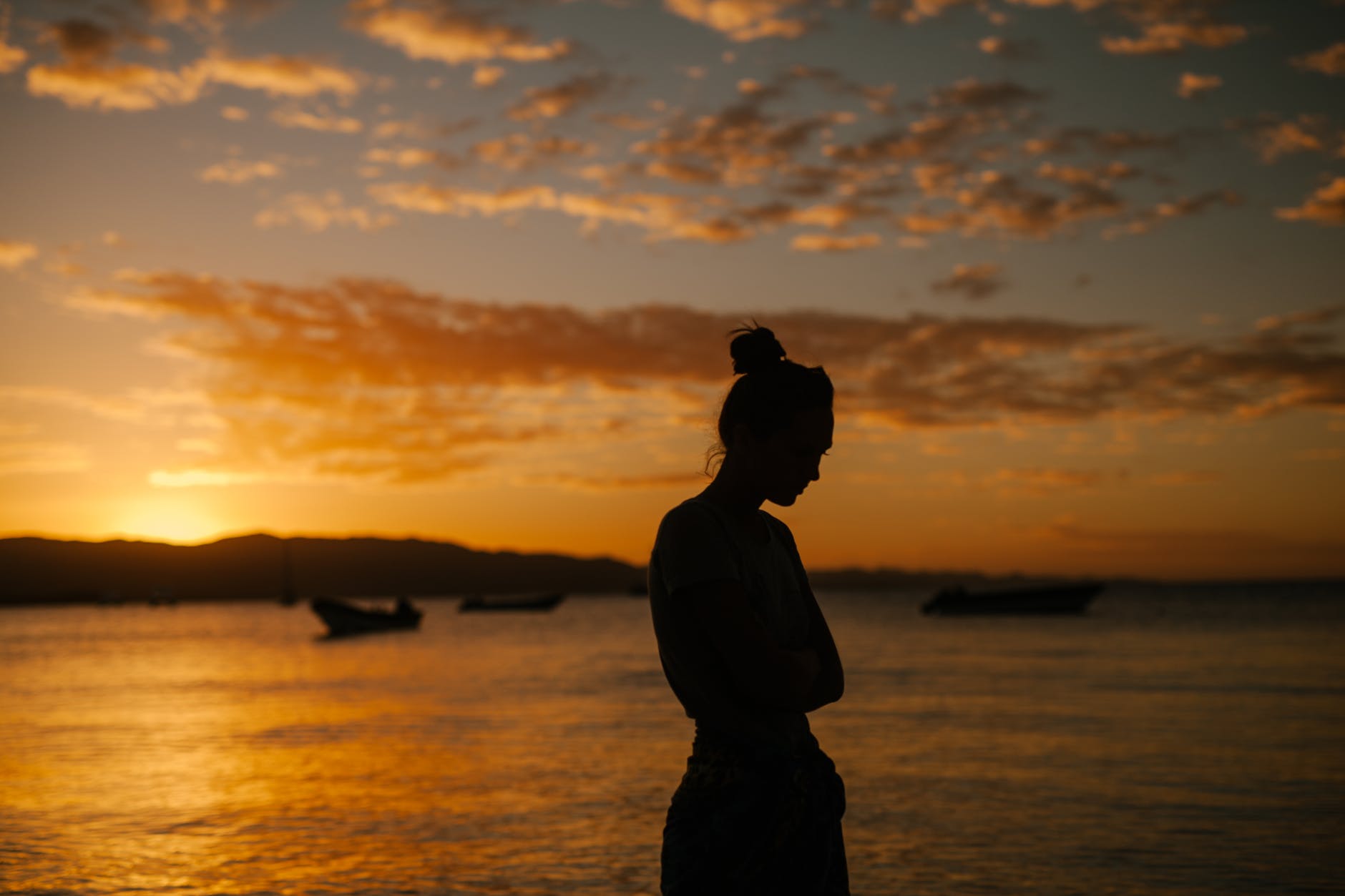
Photo by Ryutaro Tsukata on Pexels.com

The Rainy Day

            Lydia Tremel stared down at her hands, folded in her lap. Like a pair of leather gloves. Cracked nails, tipped each finger, shortened and broken. She was never able to keep them nice for very long. The backs of her hands, now with parched valleys of wrinkles and darkened spots shouted, we’ve done our part, more than our fair share. Ed cleared his throat a foot away. He glowered down.

            “You’re gonna get the goddamn house, you know,” he said with veiled venom. Lydia bit her shaking bottom lip and clenched her hands tighter in her lap. “They always give the goddamn woman the house.” He paced the sterile corridor of the courthouse.

            Lydia stared across the wall at the cork board listing the community events on haphazard copies of paper. But her mind traveled far away to the endless hours spent caring for the house. To the dead, grey skin of her knees hidden under her nylons. The testament to countless hours scrubbing floors and bathroom tiles.

            She could feel Ed’s eyes on her, beneath his sweaty brow. His cheeks sagged like a bulldog’s jowls and his stomach stretched the yellow shirt above his brown slacks. A banana shoved into too tight a skin. “Thirty years…” he grumbled and resumed pacing.

            Thirty years. The two words bounced around the hall, and in her brain, conjuring up time that seemed to both last forever and to somehow already be gone. She thought of three children raised and loved by her arms only in ‘the house’. She thought of the tens of thousands of meals she alone had cooked and cleaned up after. She thought of how her girls were now all grown and gone. She glanced up to watch Ed rocking back and forth on his stubbed feet.

            Their names were called. They stood before the judge; lawyers coldly morose on either side. Due to his infidelity, she would receive the house and a proper alimony. Lydia hung her head. Ed’s face blossomed in red sweat, the argument caged behind his closed lips. His lawyer steadied him. Lydia stood up so suddenly that the heat of the courtroom caused her to waiver. The judge and lawyers swung heads in her direction, unaccustomed to a protest from the benefiting side.

“Only the house, your honor,” her mouse-like squeak fell short of the stand. The judge asked her to repeat her request.

“With all due respect, your honor; I would only like the house.” 

Ed sputtered beside her, either from disbelief or joy she wasn’t sure. When asked if she was certain, she only nodded in agreement. The judge raised his eye brows, papers were shuffled, and the request was granted. The rest of the words faded into the background of Lydia’s unadorned mind. The world faded around her glance, and she retreated into the years. Only to be snapped up by the banging gavel and the required signatures. Ed’s face lit up and there was much harrumphing and back slapping on the opposite side of the aisle.

            Twenty minutes to undo what a lifetime had built. Twenty minutes in his office with some pitiful soul hoping to improve her life. She had left her lipstick on his collar, and the smell of her cheap perfume all over his jacket. Twenty minutes in the court, at the end of her rope. Lydia thanked her lawyer and slid into her worn coat. She walked away alone, down the sun-drenched steps, towards the bus. Her knotted hands held tight to her purse as she sat watching the streets of her town sliding by. The market she shopped at, the gas station where he had her buy lotto tickets every week. The park they had once walked hand in hand together. The world was a new and strange place.

            The movers came that afternoon. She hadn’t wasted time in calling. Lydia was nothing if not efficient. Three messages were on the answering machine, one from each of her girls. They seemed to offer only weak assurances from thousands of miles away. Her heart warmed with hearing their voices. They were the best thing he could have given her.

Ed only showed up as the last of his things were being loaded into the grimy white truck. He stood somberly in front of her on the porch. A strange sadness came over his face as if he just realized what was happening.

            “Well.”  He waited for her to fill in his blanks, like a little boy without direction. When she stared blankly at him, an anger and bitterness surfaced in his eyes and face. “I hope you’re happy.”  She turned and closed the door behind her, locking him away. She stood still, eyes closed for a few endless moments. Happy. The word simmered under her skin, a most alien idea. Then, with the clarity she had not possessed since she was a little girl, she went to work.

            She dug into the back of her bottom bureau drawer, behind the lacy knickers and vanilla slips. To an old pair of nylons she had long since worn through. Balled up, and tightly wound around her contingency plan. Ten dollars, every week, for the last twenty some years. Just in case. Not enough to notice, but enough to make a difference on a rainy day. Lydia held the dense ball between her hands and took a deep breath. This was the contingency. This was her rainy day.

            She fidgeted around the house, suddenly not feeling comfortable in its lonely halls and empty rooms. Places still smelled of his cologne, of the roast she had cooked him a month ago, the night she had found the evidence. The same night something deep inside her had broken loose.

She couldn’t find the stomach for food. So, she poured herself a drink and sat in the living room, staring blankly at the freshly vacuumed carpet, the newly dusted shelves. The lifetime of duties now faced her like a museum display. The drink made her dizzy. She wobbled down the hallway and laid down on her side of the empty bed. Still clothed in her best but much dated suit, Lydia fell asleep.

            The next morning’s sun tore through the open blinds without apology. Lydia sat up and glanced around, making sure she had not dreamt the whole episode. Her friends would be meeting for coffee this afternoon. She had to get the last of her work done. With fresh clothes and shampooed hair she set about her to do list. She began with her most important task. It did not take her long, and she found herself with a few minutes to spare. When the box was sealed, she stood for a moment staring down at it. Bold plain print, neatly taped, no return address. She would need to get it to the post by five tomorrow evening. Lydia paused at the kitchen sink.

Staring through the window out into the back yard only brought back the memories of her happier and more ignorant youth. When all she had ever needed was him and the path he’d led her down. The phone rang, successively within the next hour. Her daughters each called again. She reassured them she was fine. She told each and every one of them, how much she loved them, how proud she was of them. They were exceptions to the rules that had governed her own life.

            Lydia had been brought up by parents who did not believe in that sixties-free-thinking-nonsense. She had attended community college but dropped out after meeting and marrying Ed. She began her family quickly as was expected by her parents. Upon the birth of a third daughter, when he had so hoped for a son, Ed had called it quits on having any more children. He placed the blame firmly on Lydia.

Something had simmered beneath the surface of Lydia’s skin as she held her last baby, alone in the hospital. Something that drove her to tuck away cash in an old nylon every week. Something that made her change her own ideas about where a woman’s place should be. Though she had never held a notion of a different for herself, she insisted upon it for her daughters. She raised them against her own grain. Raised them to be independent, strong willed, fighters. She gave them all of the gifts she had never received. And they blossomed. They spread their wings and flew. They’d left her nest. She stared at the sunlight glaring off of the counter top, bouncing across the waxed floor. Was a nest really a nest, without baby birds inside of it? A thin smile creased her lips as she took off her apron and hung it beside the door.

At a quarter to one, Lydia stepped out her front door, package in hand. She locked  up behind her and held on a moment longer to the door handle. Her walk to the bus station felt like leaving home for the first time. She never glanced behind her, kept her eyes forward to the sunlit trees, casting shadows across the pavement. Children were set free from the confines of school and buzzed by on their bicycles. Their shining happy faces bright in the sunlight, their laughter trailed behind them as they passed. She took the mid-town line to a small post office far across town. She paid in cash.

Unhindered by the parcel, she took another bus back to the west side to meet her homemaker’s group for coffee. The springs beneath her bounced rhythmically and she stared out of the window with quiet contentment. The buildings sandwiched together with pencil thin lines separating them. Delis next to barber shops, hardware stores next to diners. People walked about in their normal routine, never straying from the paths that had kept them comfortable for years. Never stopping to notice the world around them. Never questioning the choices they’d made, or the lives they resigned themselves to. Lydia closed her eyes and felt the gentle rocking of the bus beneath her.

The ladies were assembled at their normal table when she arrived. They greeted her easily and resumed their conversation. Their voices were muffled in Lydia’s ears, like a flock of birds twittering to one another. She smiled when they laughed, shook her head when they whispered conspiratorially. Jeanine, who sat next to her, placed a gentle hand on her knee and gave her a small smile.

“How are you fairing, dear?” she whispered. The other ladies stopped their other conversations and swung their well-pompadoured heads towards Lydia. She smiled small and cast her eyes downward. Jeanine had meant it to be between them, but the whole group had been dying to know.

“Fine, I’m just fine.” Lydia produced a tear, and wiped it away on a napkin. “The movers left yesterday. I’m doing alright,” said Lydia. Jeanine squeezed her around the shoulders warmly. The bit of affection warmed her more than anything he’d done for her in the last ten years.

“You’ll let us know if you need anything at all?” one said.

“I hope you got the house,” another chimed in.

“Serves him right,” continued an older woman. Lydia smiled and thanked them, then quickly turned the conversation to anywhere else. When the topic came to the alimony she wasn’t receiving, an awkward silence fell over the booth.

“But Lydia what will you do?”

“How will you make ends meet?”

“Why would you…”

The questions ranged from genuine concern to aghast disbelief. Lydia smiled outwardly while cringing inside.

“I don’t want him owing me anything.” Silence and staring faces responded. Jeanine held her hand firmly.

“Well, good for you then,” her warm eyes were honest. Lydia noted the raised eyebrows and gazes that said she’d lost her mind. Jeanine understood. She smiled into her coffee cup. With a calm knowledge behind her eyes, Lydia thought how much she would miss Jeanine. When coffee was over, her friend walked with her to Jeanine’s car.

“Can I give you a ride, Honey?” Jeanine had never understood why Ed had never let Lydia have a car. She didn’t even know if her friend could drive. Maybe that could change now.

“I think that I’ll take a little walk around town,” replied Lydia.

Jeanine studied the face that she’d known since high school. They’d raised their children alongside each other, exchanged recipes, tips and tricks. Occasionally they’d joke about their husbands over quiet cups of coffee in the kitchen. Lydia had been the only one to show true concern for her after the chemo two years ago. She’d bring her meals, take over her chores and errands with the efficiency of a military commander. She could see something now, ignited within her friend, that both frightened and intrigued her.

“May I join you?” Jeanine’s voice was small on the warm downtown sidewalk. Lydia thought for a moment. It would be wise to have someone with her.

They walked down the street, lined with shops, stopping to glance in windows, daydream or shake their heads.

“Are you really alright?” asked Jeanine as they both stared at a cherry-print sun dress.

“I will be.” Lydia smiled at her old friend. She nodded towards the store’s entrance.

“That?” she pointed disbelieving at the coquettish dress.

“I’m a free woman now,” Lydia shrugged dismissively and walked inside.  

Two hours later and a few packages heavier the friends walked along in silence. Jeanine insisted on giving her a ride home. With arms full of her celebratory packages, Lydia found no reason to protest. The drive was much faster without having to stop at every bus station. Lydia mused how much time in her life she’d wasted because he didn’t want her having a car.

As they rounded the corner of the sleepy suburban street, something was noticeably wrong. Smoke clouded the air and the bright flashes of emergency lights bounced around eerily in the sullied sky. Crowds were gathering.

“What on earth do you suppose…?” Jeanine stopped short as they looked down the street to where three large fire trucks were parked. Yellow mounds of men were putting out the last of the flames, muddying up the ashes with cautionary bursts of water. The smell was choking. The destruction complete.

“Oh, Lydia!”

They rolled to a stop and burst from the car. Lydia ran full-tilt, dropping her purse and packages along the street.

“Ma’am, please!  Stay back!” the shouts were too late as she careened towards the soggy, ashen lawn. The house. Her eyes filled with tears. Her throat choked with a release of sobs. Blackened tinder stood sharp and broken in odd places. A skeleton of burned bones was all that remained of her life.

Jeanine came up from behind, sobbing. “Oh, Lydia!” she said it again, at a loss for anything else. The firemen gently moved her back by her shaking shoulders. Gone. Gone away. All of it lay smoldering and wet. Lumps of charred wood, melted glass, nothing of what she’d closed up behind her this morning was left. She fell to her knees and cried. Tears she had held on to, tears she had kept to herself for so many years. Until she lay spent and free in the grass. Small ashes floated down onto her hair and cheeks. They merged with her tears and painted Lydia’s face with thirty years of nothingness.

The insurance adjuster came on the first day of summer to Jeanine’s house. Lydia had moved in temporarily while the paperwork had been filed and inspections had been made. The investigator determined that faulty wiring in the garage had ignited a pile of Ed’s oily rags.

“Why didn’t he take those damn things with him,” Jeanine seethed. Lydia remained silent. Her eyes were still red and swollen.

“We are very sorry for your loss, Mrs. Tremel. You will, of course be covered by your policy. This brings me to another, more positive note.” He shifted his paperwork more as a matter of building self-importance. Lydia studied the young man’s face and wondered if he’d ever known tragedy in all his short life. “This is quite the silver lining actually,” he paused pulling out another paper from his new briefcase. “It seems you and your former husband increased your fire insurance policy ten years ago.”

“Yes, when there were all of those fires on the east side of town,” nodded Lydia. She had insisted that Ed adjust their coverage. In case of a rainy day.

“With the current property values in your neighborhood, you’re actually coming out well ahead. If you chose to sell the property on top of this check, you’d have a nice little nest egg.”  Lydia glanced at him.

“How much ahead am I?” The young man cleared his throat and reached into his portfolio. He slid the check across the table. Jeanine grabbed it when Lydia seemed to be frozen in place.

“Oh, Lydia,” she gasped out. The young man offered his condolences again and left the stoic Lydia staring at the scrap of blue paper.1q           

The bright, autumn sunlight filtered down through the trees, settled on the rows and rows of vines that stretched out among the rolling hills. A youthful woman stood on her balcony, staring out at the pastoral haven. Her bright red nails shone in the light. Newly colored black locks curled around her face and were piled in a messy coif that elongated her neck.

“Boungiorno!” She waved to the neighboring children on their way to school. They smiled and returned her wave. The beautiful American woman always seemed to be smiling. The postman knocked on her door below the balcony. Barefooted, she ran down the stairs to open the door.

“Boungiorno, Signora,” a tip of his cap. “This parcel just arrived for you. It looks as though it has been around the world, no?” She smiled graciously at him and he blushed in return. He winked slyly at her, acknowledging the charm of her beauty and the power of her age. She filled out the cherry-print dress with curvy peach skin.

“Grazie, Signore.” She took the well-worn box from his grasp.

Later, alone in at the rustic kitchen table, where a coffee cup ring and crumbs still lay, she set the package down. With a large knife she tore through the tape, barely a whisper escaping her lips. Two photo albums, three baby’s hospital bracelets, wire sheath cutters, and a copy of her insurance policy lay beneath the divorce papers. She put the albums on her coffee table and shoved the box in her closet. She called her daughters to tell them goodnight, and not to worry, it never rained here.
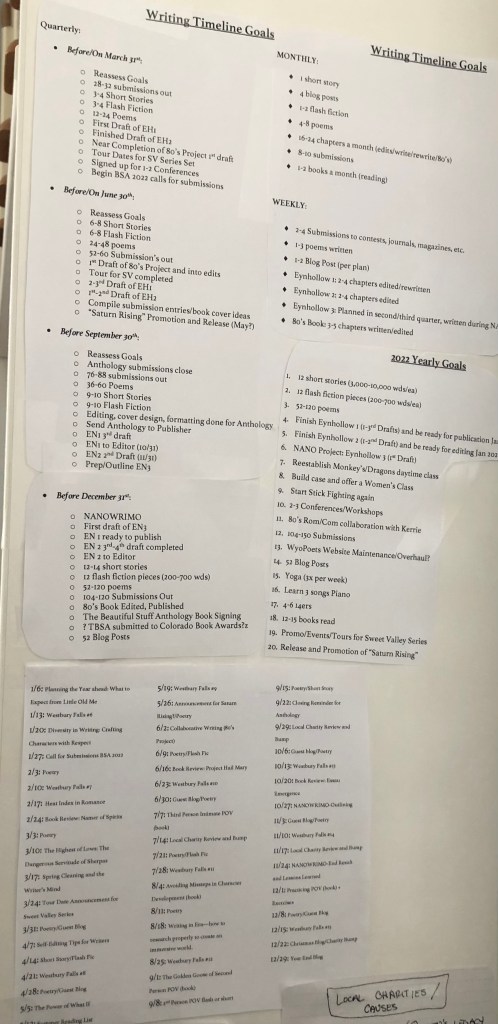
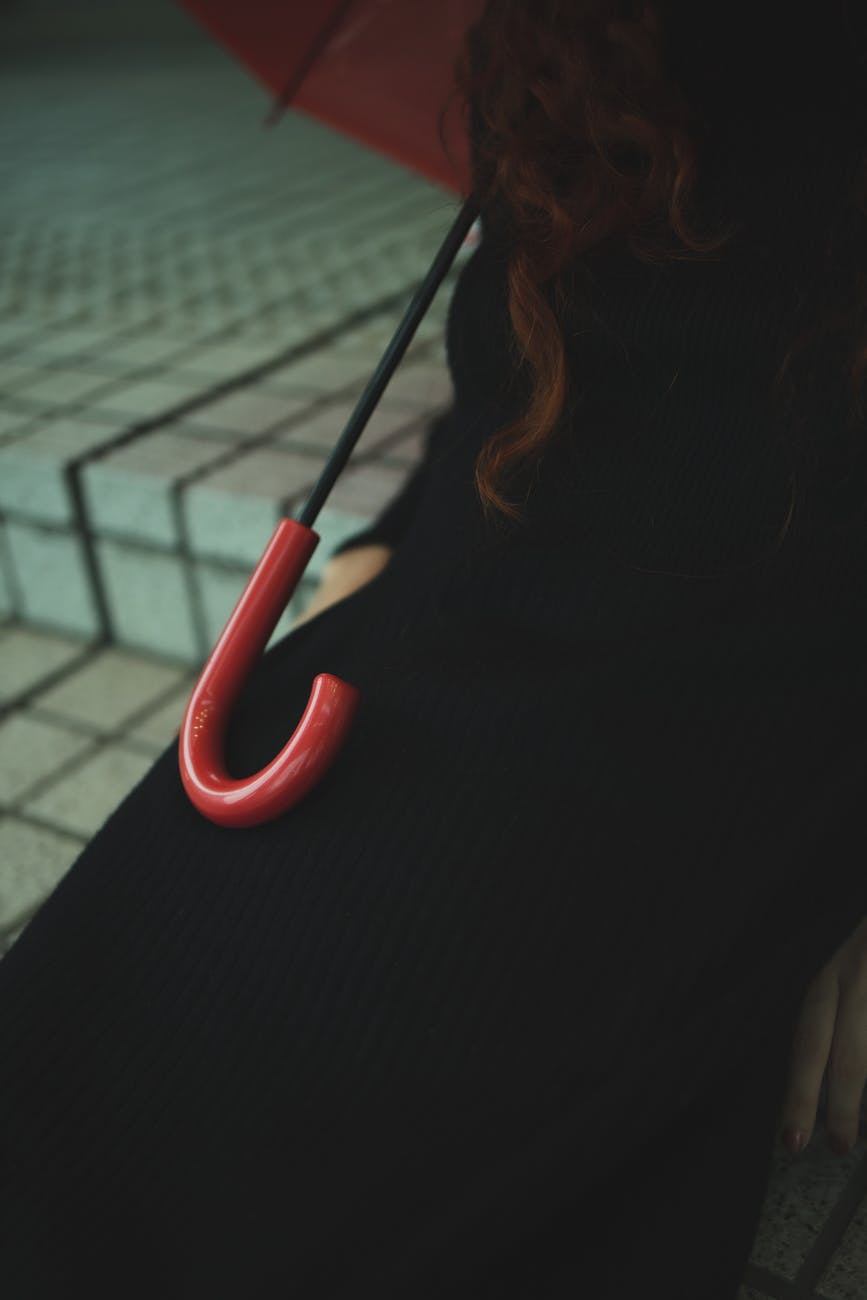
Photo by Tim on Pexels.com

Poetry 7-8-2021

Ladies and Gentleman, I give you an older work of mine for this week, refurbished and reworked. The process of poetry is one of constant motion. If you’re bored (as my children often claim they are in the hot months of summer) I encourage you to find an old work of your own and give it a refresh.

I will only be accepting submissions for a couple more months for The Beautiful Stuff’s 2021 Poetry Anthology. Send me your stuff and we’ll have an awesome little email chat.

Enjoy this little trip up a trail with a broken heart.

Photo by Valeriia Miller on Pexels.com
Exhale

Who knew? 
	(breathe in)
This sickening depth of damage you’d leave?
         (blow it out slow)
The hole so deep and wide
an ache so subtly gnawing
	(don’t forget to breathe again…)

Good riddance, I’d said
	(force air in)
Don’t let the fucking door hit you
        (fake bravado exhale)

I’m better off.

I don’t 
	(Gasp)
Need
        (Pant)
You

I don’t need you…

Air bounces around 
frantically looks for an exit,
erupts from the empty cavern of my chest
bursting its way out of my lungs. 

I don’t need…you
	(ragged breath) 
		
Hold still now.

Listen.

To the sound of hollowness inside,
Was it like this before?

Was my heart always a black hole?
it beats with the scrape of metal on glass,
leaves dry water rings in the bottom of a heat-baked pot.

Where is the air?


Dizzy
     Trees
 	whirl

The rumble of thunder but no relief of rain
The one shoe drop.

Your end of the phone
dead, weighted silence.

Good
	(shiver)

Finally, you’re gone!
	(breathe, damn it)

Finally…
Tears trace down dusty length of my neck

you’re
(Gasp, Gulp, Cough)

Gone.

Darkness drops and nothing but space grows
 	in the garden of a heart once so carefully tended.

I don’t need you.

(exhale)


On Letting Go

Photo by JACK REDGATE on Pexels.com

I can’t think of anything that’s been written about more when it comes to self-help topics, so, when I gave myself the challenge of writing another tome about the ability to let go, I was concerned. If humans keep writing about it, it must mean that letting go is a difficult path and one that is neither straight nor narrow.

Why do we have such a hard time letting go? Why do humans cling to thoughts, ideas, actions and people that do not serve our happiness and wellbeing? It starts, my friends, in the beginning…in the way, way back. Before we had cars. Before we domesticated horses. Before we had special shoes for date nights. Before we had shoes.

I’m a student of evolutionary biology, a science that says humans behave in the best interest of the survival of their genetic code. Above all else, we seek to carry on in the face of eminent dangers, perilous foes, and unpredictable habitats. So when we have trouble letting go of that grudge we developed against our former BFF, or of that co-dependent relationship that makes us a shell of a human, its because of something so fundamentally biological and deeply wired that its monumental to overcome it.

We no longer have to worry about remembering which berries caused us to vomit all of our mammoth steak out, or that lions tended to hide in that particular patch of grass, but our brains still cling to moments that have caused us pain, discomfort and ‘attacked’ us. It’s how we avoid that patch of grass. Its how we leave the berries on the bush. Its how we won’t let ourselves move on from the memories of things that have scarred us.

Modernity, of course, doesn’t give us the same enemies. It gives us the tattered shreds of relationships gone wrong; it gives us the slings and arrows of hurtful words, broken promises, and unsaid feelings. And by holding on to those, our brains believe that we’ll be saved from the next snake in the grass.

Conversely, our brains will fixate on the sweet moments of the past to the point of overshadowing the bad that went along with it. We do this because the pleasure of the good is less traumatic to remember than the negativity of the bad. We remember how sweet that guy was…not his narcissistic tendency. We remember how much we loved that job…except the mind-numbing monotony. We remember how awesome high school was…except for the nasty cliques that made our days an emotional train wreck. We cling to the bright, to the beautiful, to the often overblown memories of happiness that we miss…moments that never really happened that way.

On both accounts we are hanging on; whether to protect ourselves from pain, or to glean some long lost, and skewed version of happiness. If we are committed to cleaning our slate and letting go, the route is the same for both and has everything to do with being honest with our selves. We aren’t roaming savannahs anymore. We have shoes. We have knowledge. We are self-aware. We know why we behave certain ways and thus need to be more introspective about our behaviors.

Is that a poison berry? Or is it an archaic response that has thrown up walls around my heart to a person who could benefit from my forgiveness. Does hanging on to the memory of that person, place, or time, serve me today, and in my future? Does it serve to make me better, happier, more complete? Does what I’m clinging to make me a better person? Is it propelling me on my journey or dragging behind me like a chained weight shackled on? Mostly, it’s the later. 

The best response is to acknowledge those moments, be truly self aware in them, and deconstruct them. Peel back the layers and understand why your heart is clenched around them. Did that moment hurt? Are you afraid it will repeat itself? Do you have good cause to fear and is the fear worth staying stuck in the same pattern for the rest of your life?

Convincing yourself to let go of things that you fear could cause further pain might be made easier by consciously saving the lesson but letting go the memory. That break-up hurt, so learn why it went down so spectacularly in a fiery blast. Does it mean you can’t have another relationship? No…but be aware of your patterns, of your part in the failures. Forgive yourself for doing the best you could at the moment and promise your shiny new self-aware self, to do better next time.

Letting go starts with being honest with yourself, forgiving and understanding the damage that hanging on can do. You can’t open your hands to the world if you’re clinging pointlessly to the past. You can’t build new happiness in your life if you believe all of your happy days are behind you. Let that shit go. Drop it like it’s hot. Free up those hands for something better. Free up that heart for the next love. Free up that brain space for something useful; something that can benefit humankind, not just your own survival.

What would happen if we strived, in our new self-aware state, to not let the possibility of predator eyes in the tall grass keep us away from the sweetest berries? What happens when we chose to live without fear of hurt or failure? What happens when we chose to live our best life in this present instead of wallowing in regretful glances over our shoulder at the past?

Freedom happens. New and brilliant horizons. Bare and unfettered feet, untethered potential.

So let go. Let go the hate. Let go the pain. Let it down into the Earth (she’s a big and beautiful momma and she will take it for you) Put down your chains, and chose to move ahead a free human.

Poetry 5-20-2021

Photo by Keenan Constance on Pexels.com

Lost Things

Of all the things

I miss the most

it must be the weightless

loss of care.

The summer’s days,

kicked out of walls

adventures lived

and dreams built

out of coffee cans

and warped two by fours.

Of all the things

I miss the most,

it’s the softness

of a first kiss

the anticipation and yearning

before politics

or power plays

muddled the field

and made every touch of passion

a pawn on a game board.

something to be won

something to be earned.

something lost.

Of all the things

Photo by Kristina Paukshtite on Pexels.com

I miss the most,

It must have been their tiny hands

wrapped around my finger

and the sleepy warmth

of their heads tucked

into my shoulder

we were safe there,

just the three of us.

Before the world came down on them

with screens and images

of unreachable ideals

skipping meals and

pinching skin.

Of all the things

I miss the most

It was feeling

like the world was someplace

magical and filled

with potential for

the good

the better

the brighter future ahead.

Before the dark gray blanket

covered my eyes

and suffocated all

dawning hope

Poetry Guest Blog: Lauren Newman Lipp

Good morning, all. Today’s beautiful contribution comes to us from a tremendously talented, kind-hearted, and all-around stellar human being. I’ve known Lauren for over five years now and every single time I get to talk with her, she just makes me feel like the world is a better place to be in.

The poem below, as well as two other, equally moving pieces, will be featured in “Wilderness of Soul” later this year!

Here’s a little about her:

Lauren Newman Lipp is a typical millennial that loves Harry Potter, early 2000’s emo music, and writing passionate pieces that reflect everyday life and struggles. She’s been expressing herself through the written word since her favorite teacher, Ms. Cowdry, taught her how to write in Kindergarten. Since then, she’s explored many forms of writing and loves the mighty power a pen can hold (although she sometimes ditches the pen for a keyboard). She earned a Bachelor’s degree from CSU Fort Collins in English, and her claim to fame is writing an A paper only hours before it was due in class. She has read “Othello” more times than she can count and loves to discuss the many complexities of Iago’s character. She spent some time teaching Language Arts and trying to pass along her love for reading and writing to 6th graders. These days, Lauren spends her time trying to make her husband laugh, playing with and chasing her toddler, and working on a novel about werewolves.

And now, Ladies and Gents; the incomparable Ms. Lauren:

Glug-Glug Lullaby

Photo by cottonbro on Pexels.com

Staring into my pre-portioned glass of red wine,

5 ounces exactly,

I beg for a revelation to fall over top of me.

To crumble over my shoulders and open my eyes wider.

A light to burn out the dark.

But instead, 

I just feel my edges fuzz, and my insides warm

And I do realize something.

Only one thing:

That I could

Dump the rest of the bottle into my glass,

Indulging in the “glug-glug”

That plays while pouring

Too fast with no control, no remorse…

And then just sip away

Till my eyes grow heavier and my edges blur.

But the idea that I could, scares me

And brings me closer 

To the mother I don’t want.

I am also brought closer 

To  feeling empathy for her

Understanding, and now knowing 

How soothing

That “glug-glug” could sound

Inside my ringing ears. 

Guest Poetry: Jennifer Lockwood George

Ya’ll, I’m super excited to feature this next artist. Not only is she a beautiful writer, and a wonderful person, but the poetry she sent me is some of the most sensual, melodic, and moving work I’ve read in a while (AND anyone who knows my novels, knows I have a particular longing in my heart for Mainers). Please enjoy and feel free to share!

Our beloved poet, Jennifer Lockwood George comes to us from the coast of Maine, where she teaches writing to college freshmen who live in little Zoom boxes with their names in the corners. She graduated with her MFA in Creative Writing from the University of Southern Maine in 2019. Her work has appeared in The Kankakee Daily Journal, Muse, Stonecoast Review, and The Ginger Collect. Her novella was published serially in The Silver Pen’s Youth Imagination online literary magazine. She has also been a guest writer on the Celebrities in Disgrace blog.


Photo by Bryan Geraldo on Pexels.com

And Then Nothing Happened

You pretended your English was terrible.
You asked me to stay
to sort out your syntax,
to smooth your eager consonants
and soften the accent
that told stories you would never pronounce.

I would not correct the music that came from your lips.

You wanted me to turn grammar into an aria.
You leaned closer as I sang each conjugation.

I pretended I wouldn’t give my right arm
to hear you play the piano,
but I could have spent forever watching you
coax desire from ivory and wood.

I wanted to hear you recite Lizst
with your eyes closed,
tilting your chin upward in rapture
tightening your jaw at the climax,
rosé wine tinting your cheeks at the final decrescendo.

You taught me scales and finger positions.

We were forbidden liquor; neither of us would drink.

You called my name as I left your studio.
My coat was on.

You offered me wine.
The notes you poured flowed over the piano keys
and onto the floor, flooding the room,
rising from my feet,
to my ankles, then my knees.

My vision blurred.
My coat became a drunkard’s snare,
my purse strap a bond I could not escape.

I fought against your concerto,
fought not to sway
fought not to dive into the flow
fought not to ask you to pour more.

I could not reach the door;
Music’s brazen kiss had backed me against the wall—

Until your fingers collapsed on themselves
and you forgot how the rest of the song went.

Your cheeks were pink.
I forgot to breathe.

I almost recited the entire thesaurus for you.

Submissions, Rejections, and Moving On

I feel like this is a post I’ve probably written before, in one manner or another. But the truth is, that if you’re a writer, actively seeking to publish your work and/or build up your resume (let’s call it a ‘platform’), you’re going to have to deal, at some point in your process, with rejection. Hell, humans in general have to deal with it in all facets of our lives, and as we mature and gain experience we learn (or don’t learn) how to cope with it and move on.

*I should add a disclaimer: I’ve seen it happen, on the rare occasion that someone’s first draft of their first novel gets picked up by a publisher, right away. I’m happy for those few among us, but they are very rare outliers. The exceptions. The kid that blew the curve in class. And since they’re probably not in ‘need’ of writing advice–they can go on with their charmed lives. This post is for the rest of us*

A rejection letter for our artistic work (the meat of our souls if you will) is often harder to take than getting passed over for a promotion or shot down by that guy at the club (or wherever a person tries to pick up someone–I’ve been out of that game for many moons). Writing is, in many cases, a work of heart. And it takes guts and faith, and an ounce of reckless stupidity to throw it out into the world for other people to read (judge, pick apart, mock, etc.) So when we put our (he)art on the line and it’s returned with a swift and almost cutting “thanks but no thanks” it can often feel like we’re getting a red pen mark right through our soul. They didn’t like it. They don’t like me.

So here’s where I tell you the few things I’ve learned. Not just about in dealing with rejection but also how to submit in ways that will expand your confidence and the chances that your work will be seen and appreciated.

I could pound out a bunch of statistics on how many times major publishers rejected some of our favorite and prolific authors. I could tell you that some of those authors when into their thirties and forties (even fifties) without ever finding success in the industry, and I could give you a sunshine-up-your bottom pep talk about not giving in.

But I’m here to help. And I don’t believe in false praise, false hope, or anything false when it comes to finding the system that works for you. What I will tell you is this:

1.) Rejection is important to our growth and the quality of our work.

And there’s a blade thin line artists walk. Where the sting and wound of rejection can, in fact, topple us over and we may never rise again. It happens. All the time. So, when you think about being a writer—I want you to think hard about this one truth—

Your work will be rejected. Your words and ideas, your stories and the depths of your heart on page, will be thrown back at your feet and declared unwanted. But here’s the secret. It does not matter if they believe in your work. It doesn’t matter if they find it worthy. All that matters, is that you believe.

Your work is not you. So your novel was rejected and, if you were lucky (yes—lucky I said) they gave you some scathing or tepid advice about why. I’m willing to bet the editors did not say “You’re shoes are dumb and your breath smells like coffee farts. Oh, and your momma was a Clydesdale.” And if they did—that editor was having a really shitty day and you should send them some flowers—back on point. You are not your work. Rejection of your work is not a measure of your worth as a person or as a writer. Everything in life that we want to get better at, takes practice, and the best practice includes mistakes and their inherent lessons. Your work is not perfect, but it is changeable. You are not perfect, and you don’t have to be. Rejection of your work means you are out there, in the business building a better story and standing behind it. Don’t take it personally.

If they do offer you any advice, cutting or kind, PLEASE respond with a heartfelt thank you for their time in helping you become better. Assure them that you’ll consider their input and try again as guidelines allow.

And your mother doesn’t look like a Clydesdale.

But she’s a pretty momma.

2.) Submitting your work gets easier.

I remember the first few poems, short stories, and novels that I submitted, and it felt like sending my babies out into a wild cavern full of hungry wolves. It was heart wrenching to wait and equally devastating to hear that they’d been torn apart and spit out. But, with the aforementioned advice on rejection I’ve learned that a rejection notice isn’t a ticket to give up and stop trying. It’s one opinion, it’s one grade, it’s one lesson. And there are too many more to try to waste the time fretting over the one.

So, keep trying–submit like a goddamn machine. Schedule it, prioritize it, research possible avenues for your work. Put aside time each week to find the right places for your voice. Record where you’ve submitted, when, the cost, the call-back date, and the work (this is especially important if no simultaneous submissions are part of the rules *see #3 below*). The more you submit, the wider the net you cast, the more likely you are to catch something. Don’t keep submitting to the same publisher/agent/journal/paper, with the same story/novel/poem/essay and expect different results.

3.) Read the Damn Guidelines and Follow Them As Though Your Life Depended On It.

Seriously, my pen pals, I cannot stress it enough. It irks the hell out of me to have a beautifully written story in a waste pile because you didn’t take the time to read the requirements, word count, genre, or editor’s rules. Sometimes one of the biggest filters any job/class/test/editor uses is the simple test of if the candidate can follow directions. So don’t be the douche that thinks you’re above jumping all the hoops. Show them respect by following the details. Then wow them with your work.

4.) Take the small wins

I don’t care if your local church newsletter published your tuna casserole recipe (how Minnesotan of you, Sarah!) or you had a haiku featured on a blog, or had a guest editorial in a nationally ran newspaper. Take it! Enjoy it, and pat yourself on the back. These are the small steps that help you understand that your perseverance leads to good things and eventually, bigger things. Don’t go resting on your church cookbook laurels though. Celebrate and get back to work.

5.) Think about your endgame and plan accordingly

There are a lot of readers in the world (Hell, I’m one! I know you’re one!) which means there are eyes and minds out there for every story. Whatever your endgame is for your writing, decide early. Are you doing this to build a platform for future projects? Are you submitting because you love that particular journal? Is it for the love of your story? Or is it for profit or prestige. TO BE CLEAR: NEITHER OF THOSE ARE WRONG. But the path to each will be greatly different. So steer your submitting towards what you want to be when you grow up, whether that’s a world-wide best selling author, a respected indie poet, or someone who’s work affects even just one other person.

Well–That’s all I’ve got this month for advice on submitting. Do it prolifically. Don’t take rejection personally. Stay true to your voice and purpose as a writer and author.

Until next week. Happy Writing.

Romancing The Story

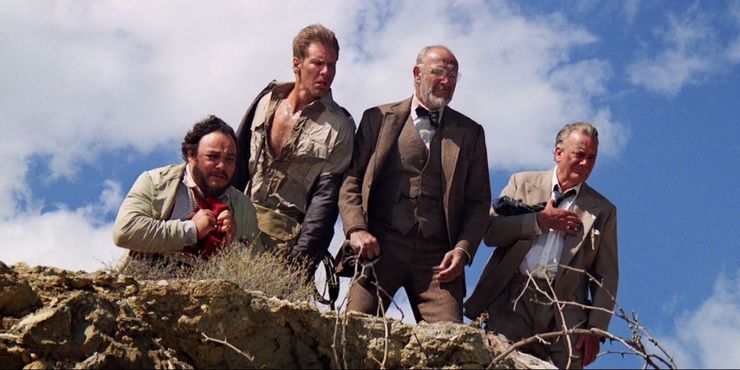
Please tell me I’m not the only one who remembers these movies. I think, they may be partly to blame for my current profession (not the karate instructor—the other one, that pays even less). I loved the quirky, unrealistic way that the original frumpy romance novelist came upon adventure and began living the kinds of stories she only wrote about before. I also loved that by the second film we see her living this exotic and adventurous life and still suffering writers block brought on by lack of romance in her characters.

How I imagine I look as a tough-ass romance novelist
What I actually look like, flannel pjs and all.

Because no matter how much adventure, vine-swinging, sheik angering, and Jewel finding you do, if you’re not in love with your novel, no one else will be either.

Bam. Mic drop. Blog finished, I can go take a nap….

*sigh* ok, I’ll elaborate.

Romance isn’t just about what happens between the sheets in a typical Harlequin. Romance is about creating a smolder, a heat, an intrigue between your characters, and between your story and your readers.

When I titled this blog, I worried I would lose those writers who focus on different genres and have little need for ‘romance’. Suck that (respectfully), we all need romance. Humans are born to seek out connection. Now, the phases of it and levels of requirement are different. But the truth remains that if there isn’t chemistry between your characters…be it platonic, hate, or lust…the story will fall flat.

Well, gee whiz, Sarah, what do I do about my Scifi Cowboy Inter-dimensional six book series where no speaking women exist because I’m THAT kind of author.

how much talent, great story writing, and acting did we lose in this era from all the stereotypical, misogynistic bullshit? The world may never know.

First of all—ugh, way to cut out 50% of the entire thinking, capable, and amazing population and demote us to some hot object in a skimpy space suit, so 1960’s of you. Secondly, your ‘lone star’ lead has to have some connection to someone or something. A loyal side kick, his long-lost brother, his space ship, or *puke* if you must, even some hot object in a space suit.

Otherwise, he lacks a pathway for your reader to connect to him. Characters that ‘don’t need anybody’ are fine, but you may find that attitude extends to your readers. They won’t need him either. Characters, even the lone wolf, are better if they really do need people and are just too afraid to say something, until somewhere in act three.

“Hurrumph—well, I write non-fiction only. There is no romance. Its fact and common knowledge. I do not deal in fluff.”

Lady, (or mister?) listen. The numbers of readers you will get from a book that is all fact and no heart (i.e. romance) will be disappointing. I can’t think of a single person who goes back to their high school American history book and eats up 100 pages on the American Revolution (I’m sure they exist okay, there’s nothing wrong with a good ol’ informative book). I can, however, name numerous people all salivating over Hamilton tickets. Why? Because THAT story, makes us fall in love with the characters. The writer found romance in the people, situation, and actions of the time. It created a bond by connecting us to common feelings, needs, and emotions. And that’s what romance is really about in writing. Appealing to the human divine in all of us.

So, in this made-up month of love, explore your current work in progress and ask yourself if you are in love with these characters, their story. Ask if your character is hell-bent and heart centered on someone or something three-dimensional to ground themselves to. Is it throwing spice into the reading? Or is the plot fizzling? Where and how can you use romance to draw in and maintain your reader’s attention?

After all, romance is not romance, if it doesn’t have an anchor of reality at its heart.

Poetry, Pasts, and Lessons Learned

One of the things I love most about poetry, especially the words you write in the heat or ache of intense emotion, is that even when you’ve healed up and haired over, reading those words makes that moment real and bright once again in your mind.

Hopefully, when those poems and words are the rock-bottom kind, we can look back, feel the gut-sting, and thank our lucky stars that we wrote the words down instead of burying them inside to fester. Because like trials and hardships, joys and celebrations, everything in life is in constant motion. We live in flux, and especially as writers, must catch the moments on their sharpest edge to be reminded, in the dull lulls between, that life is brilliant and biting, and every moment worth being present for.

I hope you all have some dark words out there, and by out there I mean on a page or in a journal and not sitting still inside your chest. I hope you all are walking in brightness now, with a touch of perspective and an appreciation for the battles that made us stronger.

And now, this:

Spectre

Dawn breaks
and the spectre of you
lives in my chest
ever-claiming, each cell of my useless heart

I wake and you softly stir
the creature in my rib-bone cage
a wooden spoon against an empty pot
you push my blood to move
to exist
and though I so desperately fight
against the notion,
I blink

I rise

If only you’d leave me in peace
I could go
stop fighting, stop pushing
stop throbbing heart beats against
this useless existence
and tissue paper flesh.

It goes on in this way
from the rise of the sun
cresting over head
to when it crashes back down
over the western sky

Still you stay

fighting to continue
determined to survive
against ribs that long to be still
and lungs aching to be emptied one last time

Night comes like false reprieve
bearing sleep, the closest I can come
to separating my soul from your memory
a little death where I can close my eyes and pretend
the uplifting will finally cut the tie
the chain of love, I so stubbornly tied.

But dawn breaks
And the spectre of you
still wakes in my chest.

The Brink…

The eve of the New Year feels different this year.

We’re standing on the precipice of a deranged, hurtful, hateful, fearful time of existence, wishing that the turn of the calendar will somehow magically allow us all to step into a new world, free of the worries and trials nipping at our heels. The hope that a new vaccine, a new administration, a new awareness, a new number on the end of the date will lead to a year that won’t be a complete and total shit show is riding on our shoulders and settling into our veins, like a bandage to a too-deep wound.

Picture a six inch gash that needs hundreds of stitches, antibiotics, and physical therapy. We’re talking muscle deep. And the change from the 31st to the 1st is the Curious George band aid you got from the elementary school nurse.

I’m not saying this to be a Debbie Downer.

I’m saying this to be cautious (Cautious Kate?) that a socially constructed but otherwise meaningless mark of ‘time’ doesn’t determine a great paradigm and brink-of-destruction shift.

I’m saying this to tell you—if you need that date to start a different way of doing things, then Hu-fucking-zzah to you and get on it, Girl (or Bro?) but don’t think that the minute shift to a new year is going to change the world itself.

That calendar flip won’t do anything until we change.

Until we start giving a damn about other human beings.

Until we start understanding if our environment dies, so do we.

Until we start to understand that science seeks truth and power corrupts.

Until we stand on our own, think for ourselves, and treat everything we touch (physically, mentally and emotionally) with the same care, empathy, and love as we would our own child (or cat if you’re a fur momma) our world will never improve.

I’ve thought often of ending this blog in the past year. Sometimes it feels like it’s all for nothing. One voice shouting into a vast expanse of darkness. One voice raised against so many overpowering facets of corruption. One voice aching for connection.

But I know I’m not the only one. And as long as our collective lights continue to shine, there will never be complete darkness. So I will stand for another year. For another day. For as long as it takes until love overpowers hate, for as long as it takes for humans to wake up to the gift of their existence.

For as long as I draw breath, I’ll write. I’ll shine.

This next year will bring about more poetry as well as a new request for submissions from readers and poets for a second anthology from The Beautiful Stuff. There will probably be some ranting, some raving, and some venting. I can’t help that—and I’m not going to try or even apologize for it.

I’m also planning on running a ‘dime novel’ series that will include some weekly submissions of short stories (a la novella style) ranging from sci-fi/fantasy, to romance, to speculative fiction.

Stay in touch, and I’ll announce submission dates for not only guest blog pieces, poetry, and anthology submissions, but also for “dime novel” contributions.

Until then…keep shining.

If you must make New Year’s resolutions, don’t think about a smaller pair of pants, but how you can make your voice and your power bigger in this world. Don’t think so much about an organized closet, but an organized movement towards social justice.

Let’s aim our sights on living large of heart in this new year.