A Word (or Several) About Writing Conferences

Photo by Pixabay on Pexels.com
I’m not going to lie, I’ve been a busy bee of late, and I’ve got plenty on my plate to make me feel justified when I rehash an old blog, especially if it still fits with what I’d like to talk about.

This, being May and smack dab in the middle of the Writing Conference Season (I’m not sure if that should be a capitalized title, but it seems like an event so…I’m going with it) I thought it would useful to budding writers out there to go over some conference basics as well as some advice that has really helped me get the most out of them. This also being a totally new era, I’ve added some modifications to reflect our new Zoom/Teams lifestyles (not NEARLY as cool as a Rock n’ Roll lifestyle).

So, let’s get into the meaty goodness of writer’s conferences and why you should strive to attend at least one a year.


How do you choose which one to attend?

• Firstly, most conferences, at least since the pandemic, have had to switch to some type of online format or perhaps online-in person hybrid to make accommodations for safety. So, the good news is, you may not have to shell out so much for travel expenses as they can be taken from the comfort of your home. Bad news is that you’ll still be at home and all the challenges that can go along with it. I’ll touch more on that later on.

• If you are anything like me, you’re wealthy in creativity but strapped for cash. One of the biggest deciding factors, for me, is the cost of the conference, along with which classes, speakers, and agents will be there. Getting to pitch to an agent, or multiple agents for publishers specific to your genre is a boon. Classes that are not just interesting but will help expand your craft are also good factors to consider.

• Some conferences are genre specific and if you are a comfort-hugging archetype who doesn’t flirt around outside your style and subject matter, then definitely consider something specifically geared to your genre. The Romance Writers of America used to host in fun and far-off lands like…San Diego and…New York City…*le sigh* Genre specific conferences are awesome if you’re looking to polish skills or start out in a new genre that you don’t normally write in. Don’t be afraid to flirt a bit (outside of your genre, that is *wink)

• If you’re stuck deciding between two, look at the courses offered, the speakers presenting, and if they are offering pitch sessions, especially agents suited to your work. Pick the one that gives you the most opportunity for growth and stretches your creative and ambitious goals.

How do I get the most out of my conference?

• Here’s what I’ve learned. Plan ahead but be flexible.

Conferences don’t just start the minute you pin that snazzy name badge on your seldom-used dress clothes (or, via online conferences, log in with only dress clothes on your upper half). They start the year before, during writing when you self-reflect on the issues you have with your WIP, your style, your grammar, or even the steps you want to take next. If you have trouble with dialogue but are a whiz at plotting out the perfect story arc, then use your conference to build up your weak points. Even if it means stepping out of your comfort zone. Which leads me to my next point:

• Sit it on at least one session that is outside of your genre, comfort zone, or even interest.

Look, conferences can be amazing experiences but if you’ve been through sixteen hours of various takes on the query letter or trying to perfect your memoir pitches, you’re not growing as much as you could be. Why do athletes cross train? Why does an engineering major still have to take social science classes? Because learning about the realm outside yourself will make you better in all aspects of your work. Try a sci-fi world-building class or screenwriting. I guarantee, you will get something new out of it that will help your project and your craft.

• Push your limits.

Talk to people you wouldn’t normally, share your story, your success, and your pitfalls. This is an awesome opportunity (I’m talking to you little introvert) to commiserate, vent, and rejoice in the craft you love so much. Pitch your novel, article, or story. Talk to the larger-than-life keynote speaker (here’s a hint: every single one of them I’ve had the pleasure to meet has been the kindest, most down-to-Earth and supportive writer). Come away feeling like the weekend/day was an experience that has changed you in some fundamental way.

How do I not get overwhelmed?

• For goddess’ sake, take a break in the midst of it all. I’m the worst at this. I’m a classic victim of; “I paid the money and I’m going to hit every single class. I will volunteer, pitch, hit up the speakers at the dinner table, and stuff every bit of information into my head until explodes!” Then by day two, nothing makes sense in my mind, words are blurry, I’m not sure what my name is, and I’m crying into a self-made mashed-potato tower, while wearing Underoos on my head that clearly are not my own.

Take the breaks between sessions or even forgo a session and find a quiet corner or go for a walk outside. You need it to recharge, allow time to absorb the information and be refreshed for the next round. This is especially true for online conferences! Take the computer to different rooms (if they’re still quiet) or outside if available, take walks in between sessions, take eye and body breaks (look far off for a spell, or ‘rest’ your eyes away from the screen, get up and stretch as often as available). Its’ almost like interval training—the space between, the recovery is what sets you up for the next round, so take it.


• If you are pitching to an agent or editor, polish the shit out of that thing beforehand. Take your pitch to your critique group, your friends, random people on the street before the conference and learn how to deliver it with confidence and clarity. Know your story, your characters, and your plot, inside and out. That first page should sing the sweetest siren’s song anyone has ever heart and lure the tepid agent from the afternoon lunch lull into something exciting they want to read more of. The more you practice your pitch, the more it will feel like a conversation with a good friend instead of an interview.

• If you are pitching, don’t be intimidated by the agent or editor. Remember they are people. They are there, specifically, to talk to you. To hear your story. To find the next big thing. Most of them are also just like you…they may even be wearing Underoos and like mashed potatoes. The point is, it’s okay to be nervous, but don’t go in assuming they relish the idea of shooting you down. Be polite and always thank them for their time and any advice they have to give.

• Sleep before. Sleep after. Eat nutritious food, take walks outside whenever you can, and watch the caffeine and the booze. Free coffee stations are like crack for me (or conversely at home for online conferences—having my own espresso machine) and cash bars are a tempting mistress at the end of a long, people-filled day. But you’ll have things to do the next day and Underoos will stay safely tucked in if you can avoid that third cocktail.

To conclude, I’d like to share one of the best lessons I’ve learned from conferences.

For every conference I attend, I add a layer to the writer in me. That is to say, through the people I meet, the classes I take, and the lectures I attend, I learn more about the craft. How, and when, and why, and what and all the technical attributes that come along with the delicate balance of creativity and grammatical science. But more than just the sum of these limitless parts, I learn a greater whole.

The whole that is me as a writer.

And in doing so, I’ve learned how to enjoy myself more at these kinds of functions by listening to my body, my brain, and my growing years of experience.

Back in the day, I would be hand-cramping from the steady stream of notes at each session. I would be tumbling from one to the next, chugging down coffee between in hopes to keep my energy up so I wouldn’t miss a thing. I would strategically place myself at the agent’s table who I wanted to garner the literary affections of. I would, in essence, be the adult version of my grade-school brown-nosing self.

Something happened one year, while at the meet and greet “networking” event. I found myself long past my emotional and mental boundary and crossing all lines of my introvert nature, to garner the attention of at least a few more experts in the field. I was mentally exhausted, untethered and I felt like I was on emotionally shaky ground. I realized after a long day of learning and being ‘on’ that I didn’t want to be there.

I didn’t understand my limits or that honoring them was at the core to being successful at a conference (and let’s face it, in life)

I thought I could talk it all day, learn it all day, do it all day. Nerding on a pro-level is a quintessential part of who I am. I loved hearing about other projects much more than I like talking about my own and reveled in the creativity and ingenuity of my fellow conference goers.

But…the more stories I heard, the more classes I took, the more advice I tried to apply—the less sure I became of my ability. The more tired I got, the more flustered I became, the wearier my mind, the less information I could process.

Until everything was just noise and words.

Then I learned a secret.

You don’t have to throw yourself under a bus to catch it.

Knowing your limits is not just useful in this particular scene. Knowing your limits is useful for all humans. And it comes with age and the ability to let go of unrealistic expectations.

During a few of my sessions, even as I listened to the speaker, I listened to myself. If I was inspired to write; I let myself write.

If the iron was hot, I struck while in the moment, abandoning the mad scribble of notes.

Did I miss a little of the presentations? Sure, but in the midst of other brilliant minds and the energy they impart, in the middle of shutting out the rest of the world, the heart and brain start to do this funny little dance and learn to play again.

Inspiration doesn’t always happen at the opportune times. You have to write when the words are ready and when the heart is open. Conferences have given my heart a doorway, an acceptance into writing what often builds up behind all my carefully constructed walls.

In years past, I’ve forced myself to jump the hurdles of social interaction and witty conversation until late hours, when all I really wanted was to wander off to a quiet room and take a nap.

I had to make it OK for myself to listen to that want, in order to get the most out of my time at conferences. These events open pathways, but only when we’re not too busy to see them. If we are embroiled in getting the most out of every single planned moment of the time, then we may miss the real lesson.

Creativity is like a river and if you fully submerged you’ll easily drown. You’ll miss the beauty of the ride, the view, and the sounds.

So, know yourself, Writer. Do the things that you know work for you. Let the river of creativity, carry you, but always leave yourself plenty of breathing room to be inspired.


The Beautiful Writers Workshop #23: “Snap To! Let’s Get Organized!”

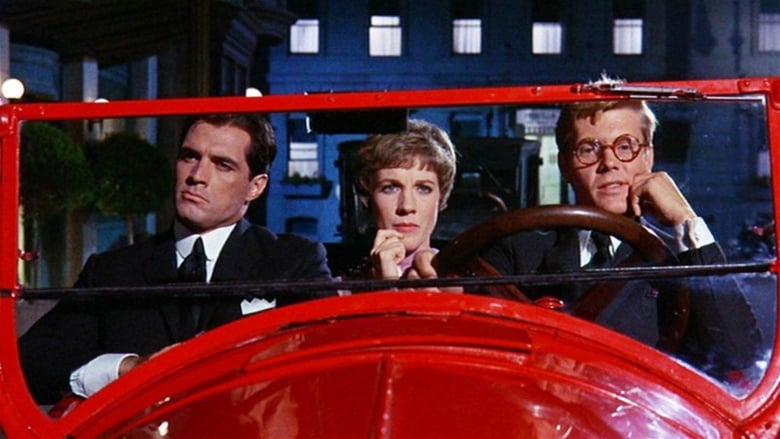
Disappointed I can’t find an image of the scene when John Gavin shouts this line while fumbling with a live chicken and coming out of a tranquilized haze. Apparently, the internet DOES NOT have everything.

I’m not immune to the fact that this blog has tripped around in the dark a bit lately. Let’s be honest, all of us are probably tripping in the dark. We’re in unprecedented times, facing stresses and noise that we’ve never dealt with before. It’s easy, in the dissonance, to lose our path.

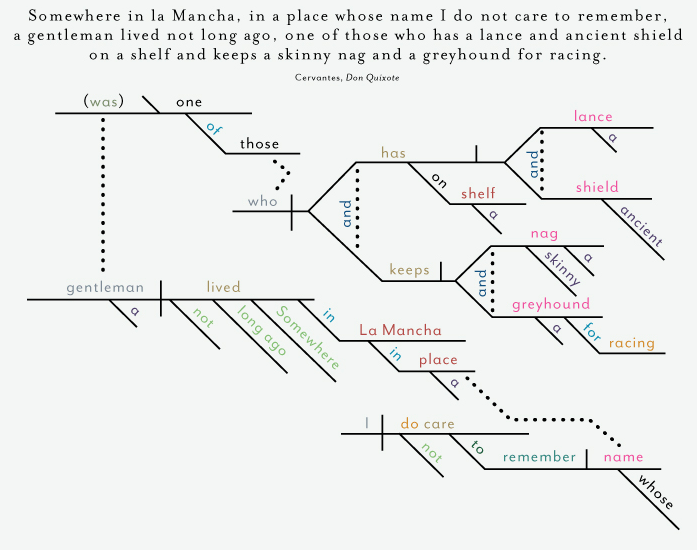
So for the next three to four months, the first week of the month, I’ll be getting organized and coming back to a series I ran a few years back called the Beautiful Writer’s Workshop. I’ll probably skip around a bit, everything from how to submit your work to how to organize your series. No, I’m not going to make you deconstruct your sentences into diagrams, circling your subject, double scoring your gerunds, slashing through your adverbs (or will I? Could be a fun practice in the lost art of sentence diagramming AND tortuous. I’m a girl who likes it a little rough).

For the love of all that is good and holy…

I’ll be re-blogging in line with issues I’m seeing my students face, and those I’m facing myself. For as many classes as I’ve taken on any number of writing related topics, I always seem to glean something new. Hopefully these little once-a-month writing lessons can help you too. If you have specific issue you’ve been fighting with, contact me and I’ll try to run a post about it.

That’s not to say I won’t occasionally throw in a “stop being assholes to each other” rant. I like to keep it exciting after all.

It’s been a while since we dabbled in the lighter word count and heavier hand of poetry so I thought…why not start there? Especially since this is the first week of National Poetry Month.

(Hold on to your asses, she’s about to ADULT over here!)

Poetry used to be the sole conveyer of great stories, epic tales, and the meat and potatoes of religious creed. The first believed poem, author unknown, was called The Epic of Gilgamesh. Besides this epic, there was Rig Vedas of Hinduism, and The Song of The Harper from Egypt. Centuries before we first heard a Greek throw down an ode to an urn, people were writing poems.

Poetry was borne in the heart of burgeoning cultures and empires. As we move west across the world, we have The Iliad, Beowulf, 154 shout outs to Will Shakespeare’s best girl(s) (and possibly boys?), and eventually, on to the new world with works like The Song of Hiawatha.

From these epic and structured beginnings, poetry has evolved and moved, like a river around obstacles, constant but ever-changing. One of the reasons I love poetry is its ability to capture the heartbeat of time-periods through the use of its language and form, as well as the ideas that it holds.

Poetry records history. From the simplest nursery rhymes (“Mary, Mary Quite Contrary” was actually based on Queen Mary I, aka Bloody Mary, who tortured and killed hundreds of protestants. Silver Bells and Cockle Shells aren’t perennials, they’re torture devices.) to Walt Whitman’s descriptions of the horror and decimation from America’s Civil War (“O Captain, My Captain” was written about the assassination of Lincoln just before the close of the ‘storm’ of war) poetry is a powerful conveyer of humankind’s journey through time.

Poetry connects. It’s visceral and often uncomfortable. It paints pictures with the deepest hues of language. Poetry is vital to song writing, memory retention, and a host of other deep-seated neural mechanisms humans use to survive. (the ABC song, “Thirty days hath September…”, “I before E except after C–and about a dozen other exceptions because the English language is a bastardized torture device for anyone learning it”)

So how do you write a poem?

Well, that’s the beautiful thing. We are no longer shackled to the 15 line iambic pentameter, nor are we beholden to ends that rhyme. Poetry can be written in just about any form you can conceive. You can write it, you can rap it (rap=rhythm and poetry), you can sing it, you can paint it across a street in bold letters. There are no rules but one.

Poetry should be true to your soul.

It should never be half-way. It should fling open the shutters of your close-held heart and expose it to the light. Poetry should reflect the thoughts and the feelings, the commiseration and worry, the anger and peace, the joy or the sadness that fills your head and your community. The simplicity of a world rarely observed in detail. The shadows of what lingers in the memory of scents and phrases. The ignored, buried, and burned histories of forgotten and enslaved peoples.

When I think of poetry, I think of catharsis and a means to work through big and hard emotions (a girl’s favorite kind?) I think of finding meaning and perspective, shrinking down the large imposing impossibilities to moments I can do something with. To feelings I can direct towards change. I think of telling the truth, especially when it’s hard. I think of informing the world of a voice and perspective that once was silenced.

To write a poem is to be truthful about what hurts most in that moment. And what survives through the grit of human spirit.

I’m sure you can guess this week’s exercise. Write some poetry. In any form you want. Send it to me, let me know if you want it to have a little spot here on The Beautiful Stuff, or if you rather just share it with another soul. I don’t have a preference for form or length. Just get to the darkness, poke around in there, tickle the tender underbelly of what drives your biggest emotions and tug it out into the light.

If you’re looking for a group to join and a community to support you through the month with a light-hearted challenge, check out Writing Heights Writers Association Poetry Challenge (30 prompts, 30 days, Discord server check in, and a month free membership with WHWA: email newsletter@writingheights.com for more info, it’s okay to get a late start)

Happy Writing.

The Beautiful Writers Workshop #26: Flashing for Fun and Profit

Yep. I said that. But in my defense…I don’t have a defense. I’m childish and immature. Please don’t go around “flashing people”. It’s not fun for anyone involved and you don’t make a good profit. In fact I hear bail is not cheap.

When I say “Flashing” I’m talking about our next topic of discussion which is, of course, Flash Fiction.

If you like the brevity of poetry and quick, hard words that nail emotion to the theoretical wall with brute force, you’ll probably enjoy practicing flash fiction.

Let’s get started with a little introduction.

Ahem, Flash Fiction, these are my beautiful writers *gestures wildly out into the far reaches of the internet* They’re kind, amazing, and talented.

Writers this is Flash Fiction.

Flash fiction sprung up in the 1990s and has become a formidable form of storytelling that appeals to newer generations with ever-shortening attention spans and busy lives. Flash Fiction condenses a tapestry of story into a few short sentences/words/paragraphs. It also serves as a method to condense big ideas into concise writing, especially in terms of reporting (flash non-fiction?) and conveying information.

Ugh, that was dry. Talk about an awkward introduction.

Here are the basics. Flash Fiction is a form of short story that relies on brevity. Specifically, a word count between 5 and 1,00. If you’re wondering how you can tell a story in under in under 1,000 words, or even in under ten, allow me to give you one of the most famous examples:

“For sale, baby shoes, never worn.”

This very simple sentence/story has two commas, one period and a myriad of images that can affect the reader.

Flash Fiction is further divided into micro-fiction, sudden fiction (Wham! Suddenly there was Fiction! Out of nowhere and sudden!), postcard fiction, short story, and the short short story. Believe it or not, there are even sub-categories called drabble which refers to stories that come in at 100 words and dribble that come in at 50 words.

Why Flash Fiction, Sarah?

Well, I’m glad you asked. And…if you didn’t know, that’s what the S in S.E. stands for. The E stands for Enigmatic. Or maybe Exciting. Earnest. Edward. Eggo-(not to be confused with Ego). Who knows? Only my mom and she’d never tell because she’s as loyal as the day is long.

Back on point:

The advantages of Flash Fiction are as follows:

Several websites, literary journals, anthology collections, and magazines are interested in these bite sizes of life.

They are relatively quick to write from an artist’s perspective, which makes them more versatile and easier to explore different genres with.

I personally find flash fiction refreshing to write. For one, when you’re embroiled in a 120,000-word novel, bogged down in outlines and character sheets, plagued with plot holes and tense issues (aren’t all issues a little tense?), it feels pretty damn good to step out with a 250-word taster of a completely unrelated character’s flash-in-the-pan dilemma.

Don’t misread. Flash Fiction may have fewer words, but it doesn’t mean that it’s ‘easy’. (She’s fast but she ain’t cheap). Writing more with less is difficult, especially if you’re accustomed to novel length work.

So, to start this little experiment, I’m going to make your first time (or maybe I’m not your first…it’s completely okay, I’m not judging what relationships you had before me) nice and gentle.

Take a current work in progress, a novel you’ve published, a poem you’ve written, and write a flash piece based on the characters or subject in a strange and new situation. Or, maybe six months after the novel ended. Or six months before. Show them in the parking lot with a new baby, or thrown into jail at sixteen, or sunk unexpectedly into the third World War (too close for comfort?)

Then…and this is the trick; don’t go on and on.

Think snap shot, not photo album.

One picture will tell us a lot about a person, without needing to see the whole photo album. (have you ever had to sit through someone else’s photo album? No, Sarah, because we’re not three-hundred years old, we have Instagram like normal people…what century are you from?)

Flash fiction is a novel if a novel were poetry. Condensed, potent, memorable.

For sale, baby shoes, never used.

Here’s a little flash piece (a drabble to boot) I submitted that won honorable mention, if you’re looking for an example.

She hadn’t meant to set it on fire, exactly. But now that the heat burgeoned from its windows, charring the leather seats and crackling up through the retrofitted steering wheel, she was glad for the warmth.

It was a shame he’d never get to see the way the flames jumped and swayed in the clear night turning cloudy. It was a shame he’d left it unlocked, parked outside the strip club. A shame he’d said he was at a meeting. What. A. Beautiful. Shame.

She pirouetted against the star-filled sky, and danced along the edges of erupting metal and smoke.

Try it out, have fun, and let me know how it goes. Share or don’t. I look forward to hearing how it goes!

Happy Writing!

On Laurels and Mountains

Photo by Startup Stock Photos on Pexels.com

I was trying to think up a topic today, within the sphere of writing, that might be new and interesting. It was then that I realized I like to fall back on my favorites. Character writing, dynamics of character interactions, emotion on the page, building tension. Or perhaps turn the microscope on myself and talk about burn out and creativity, progress without production, heart without hustle. But I feel a little bored with those topics and if you read my blog enough, you’ve probably read more than you wanted to.

So what do you write about when you’re toolkit feels a little… empty?

Well, maybe just that. I’ve long been at war with myself over the worthiness of a higher degree in the Literary Arts. Let me preface by saying in no uncertain terms: Every Degree You Get is Meaningful. Education is never a waste. And time spent learning and perfecting your art and voice and style is a worthy pursuit. But I have to add, that economically speaking, it doesn’t always give you an advantage. And…if you are at an economic disadvantage due to student loans, it can be harder to pursue a writing career.

So, what does a financially unstable writer do, when faced with the knowledge that she could certainly use a little more education and a freshening up of her skillset? Well, honestly, I could just rest on my laurels. I’ve published books and had work in different literary magazines. I’ve won some awards. I could argue I know enough.

But that would be short sighted and frankly pretty fucking egotistical. I don’t know everything. I could know more. I could experiment more. I could find a new mountain to climb, and shouldn’t we all? After all, what are we doing with this life if not learning? So, I’ll be looking for some affordable alternatives and, for any other writer who might be, like me, looking for a new challenge in their skills department, share some interesting options from down below.

  • Research new or unknown forms of poetry. This is my new favorite. I’m working on pantoums and cinquinta, and all kinds of weird little funness
  • Take a class from a local writing group or community center: Like Writing Heights or Lighthouse Workshop
  • Try an online course like MasterClass or a YouTube channel: Currently I’m taking Aaron Sorkin’s Screenwriting, and Roxanne Gay’s Writing for Social Change
  • Join a Book Study or Writing Challenge: again–shameless plug for Writing Heights Writers Association
  • Check out what Harvard offers on line for free: Harvard Free Classes
  • Take a class or invest in a book, outside of your genre: I’m currently reading both a Screenplay book, and one called “Howdunit” all about how crimes are committed and solved.
  • Consider switching over to Fiction or Non-Fiction: whichever you don’t normally do
  • Attend a conference or workshop in your area: Despite the recent hubbub, (and it’s not in my area) I will be attending AWP with the hopes of taking some classes that can broaden both my poetic skill and my writing organization’s offerings.

Well, I hope those ideas have given you a little goose to the behind to get started on reclaiming your lifelong love of learning (or inspiring one if you lacked it).

Happy Writing!

Poetry 2-12-26

I’ve been writing a lot of rage poetry and journal entries lately. It’s a method of processing, a safe space where my feelings won’t be chastised or be cautioned to calm down. To be told, with shrugs, that this is just the way it is. To be hounded with others’ convictions that I’m being the irrational one (or worse, the powerlessness, of ‘nothing can be done’). No wonder women go mad. No wonder we quit our jobs and our relationships in droves. I think someday we’ll all probably wander of the grid and go feral. I hope that someday our leaving destroys the grid completely. I hope ‘feral’ is a return to what we were always supposed to be. In ownership of our own bodies, part of an egalitarian community, taking care of the Earth that sustains us, protecting one another. I hope for this.

Today’s poem is part of a project I’m working on, tracing philosophically through the roots of my own rage, and the collective anger of my generation of women. Raised to believe we could be equal from a generation that was slowly learning it themselves. As such, this poem is an exploration and an ode to one of the most influential albums (and songs) of my teenage years. And to the seeds that she planted in my soul, that have found a fearsome bloom in current times.

The Jagged Little Pill (I can No Longer Swallow) 
(lyrical exploration of "All I Really Want" by Alanis Morissette)

All I really want
is deliverance


from the maddening hold
of the lesser sex’s self
inflation

Do I stress you out?

to remind you
that you came from a womb
and still she chose to keep you
even after all
the repulsions she knew you would
own and
call power?

I am frightened by the corrupted ways of this land

when faced with pedophilic horrors
and the butchering of innocence
as if it were any
other
expendable resource
men rape the land, why not us too?
why not our daughters? our sons?
we are fresh streams and
teeming oceans
gold mines
and diamond fields
all for the taking
all for the discarding

Reel them in
and spit them out


calm down
there is nothing to be done
let the broader shoulders shrug
to end the matter

I am frustrated by your apathy


while you drink your martini
and cast sunshine, between sips,
that at least the stock market
is finally up
and I sit still, as prey
praying in bushes might,
cheap wine I feel guilty for
and watch blood run in the gutters
and remember my own, horrible
8-year-old truths
while the news blares
of babies being eaten
or burned
or buried by the ninth hole
water hazard and sand trap
thank fucking god
the stock market is okay

the sound of pretenses falling

is louder to me
but you were never listening
anyway, were you?
just for the sound of panties dropping
be a good little girl
for daddy
sit on my lap and reassure me,
I’m still a ‘nice guy’
right?

No.

I won't speak these lies
any longer
my lips have been sewn shut
needles in and out
the thread of anger
trapping unsettled bees in my throat
and handcuffed wrists bleeding
as I fight against
the radiator of the American Dream

why are you so petrified of silence?

does it make you hear the echoes
of your own dissonance?
A good man who still
sometimes
objectifies his high school students
and calls it ‘American Beauty’

And all I really want is some peace
a place to find a common ground

but we aren’t standing on even ground
never was there equal footing
from the day I spilled out of my mother
my knees have been broken
by the bat of masculine ‘protection’
my voice scalded with the shame
this system gave me
for a body
that nature knew and named
as more divine

you want me to calm down

all I really want is justice

Parenting, Eggs, and Dialogue Tags

Trust me, I’m going somewhere with this. It will all come together when I explain that the topic of today’s blog is about trends, “expert advice” and why writing (and often parenting and absolutely eggs) should be taken with an entire salt-shaker on the side.

What on earth could these three things have in common, you might ask. Well, when we look at a generational trend (ie 20 year increments) we see the advice, recommendations, and expectations of these three things swing from one end of the spectrum to another. Each time we have gotten used to one way of doing things, or our delicious morning egg and toast, or compassionate parenting, and then some talking head pops onto the screen (or a writing guru pens a blog) and tells us to scrap what we know and start doing it the opposite.

I have watched the constant wave of good vs bad hit eggs about three different times in my life. They’re bad, they’ll raise your cholesterol. They’re good, maybe nature’s perfect balance of protein, fat, and nutrients. You shouldn’t have more than 7 a week. They’re the power-move for non-meat eating humans.

Listen, my grandpa, who had his faculties and his strength into his eighties, typically had two to three eggs a day. Now, granted, he was a rancher and spent a lot of time outside and physically working, so I’m not saying that his lifestyle didn’t contribute to the balance of how many oves he was ingesting, but it worked for him beautifully. I love eggs. I don’t eat pork and not even beef if I can help it, so eggs are one of my favorite ways to keep a balance in my breakfasts. Do I have six a day? No. Would I? Maybe, if you let me.

In the wide and dumb world of parenting advice every idiot who ever sat in a room with a child, (or studied them in books) will freely give you advice on the best way to raise the most: compassionate, successful, independent, co-dependant, non-attached, attached, rocket scientist, artistic savant. Depending on what the latest fad is. None of them have had to sit in the middle of a minefield of legos for eight hours and continually be responsible for not only the little tike’s safety and life, but also making up story upon story to keep their brains busy all while bribing them with M&M’s to use the potty. Just when you think you’ve got it figured out, someone will come along with a different bit of advice and assure you that you have, unfortunately up until now, been doing it all wrong. *sigh*

What’s the writerly point of this longer-than-necessary intro? Oddly, let’s apply it all to dialogue tags.

When I was first learning to write in the 8th grade, I was taught that constantly using ‘said’ all the time was boring and it was also a bit of a waste. A more descriptive tag would help the reader to picture how something was said or the mood of your character. So… I seasoned the shit out of those early novellas. People sighed, and bit, and growled. They laughed, and smirked, and carried adverbs along with them, gently and fervently. Then, as I was finishing up my first novel and had a few editors look at it, I thought they would need a fainting couch. What was I doing using all of these descriptive tags? They were cumbersome and distracting. And perhaps the hardest bit of advice, of all was that it was lazy writing. That if I were a better writer, the reader would know automatically how each line was delivered by the magic of…creating a character so known and predictable in a situation so well understood? I do get the idea. I understand what they were saying. I worked hard to take out the flourish in my tags and be more visceral in my narration. But it felt clunky and I found that my first drafts were always a mix of both ‘said’ and something more fun. Because that’s how my voice sounds in my head. And I liked writing that way better.

Fast forward and I’m pursuing a writing article last week, when I nearly had to stop and find a fainting couch (I must be feeling dramatic today) because *gasp* the all-powerful ‘they’ of the writing industry (trends) have decided that a little spice of interested dialogue tags might help break up the monotonous lines of ‘said’ and bring a little more color to your characters. For the love of all that’s holy.

What’s next? Are we’re not giving out participation trophies to our kids anymore to boost their self confidence? That we need to let them fail so they can learn? (for the record, that was always my stance, along with my two eggs a day breakfast.)

The point I’m trying to make is that in all things, you know yourself best. I like to believe you’ve had a healthy dose of introspection (hopefully some therapy and a few writing classes) and have learned as a parent and a writer, where your faults lie and how you like to move in your creative and parental endeavors. That not every book, article, poem, breakfast, or child is the same, in any given moment, and that learning to trust that you’ll do the best you can with what you have, and honor your own ‘style’ in the process is the better route than following a trend. That you can enjoy a moderation of eggs regardless of what the latest health article is decrying currently.

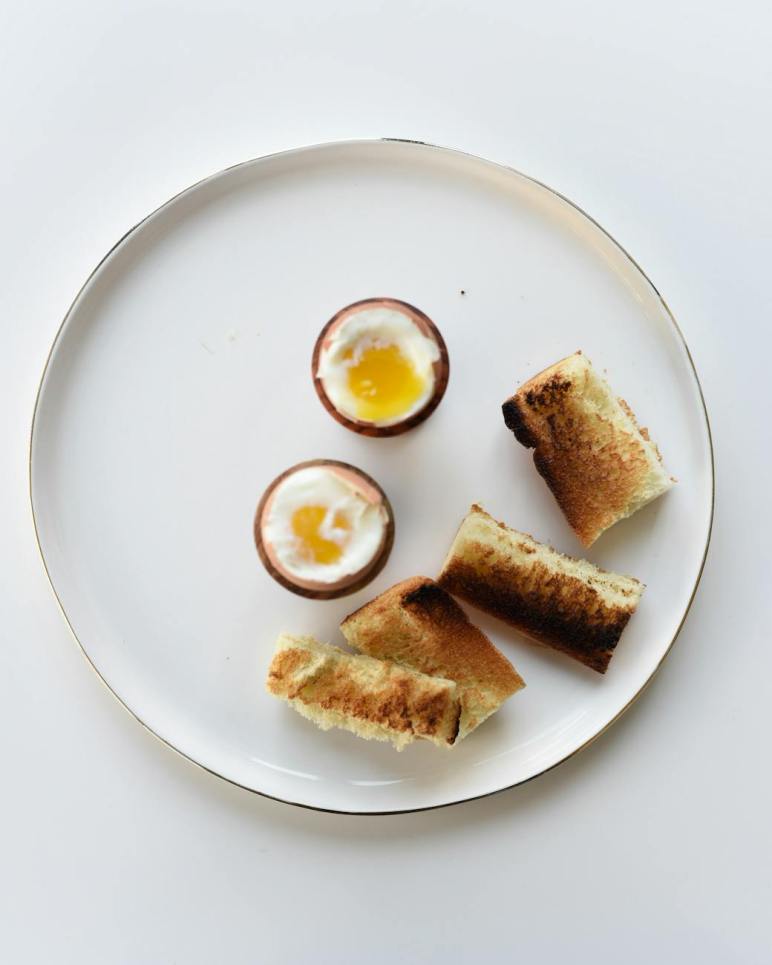
So–I will keep my fancy dialogue tags, thank you very much, when they serve the scene and the character. But I promise not to use them at the end of every line being delivered (just like I won’t, probably suck down six eggs a day). I’ll constantly work towards the balance of support and love, while stepping far enough away to let my kids struggle, fall, and get back up. And I’ll keep my two soft-boiled eggs and toast breakfast as a loving nod to my grandfather and the nourishment that sustains.

Writing Challenges: Reconnecting to Self

I’ve been reading a lot of writing and life advice for the past few years (few, meaning 18 years?) As we’re approaching February and another Writing Heights Writing Challenge, I feel a little edgy in my gut. Knowing there’s an accountability is part of it. Knowing that a lot of the writers I follow have been recently talking about their writing habits and writing every day. Knowing that the last two to three years I’ve been in an editing whirlpool (stacks of books written that are now under contract means back-to-back edits and very little new content.) And I think the edginess is resting somewhere in the knowledge, that I haven’t written anything new lately.

Okay, back up a tick. Yes, I finished the last novel for the Timekeeper Series in October. But that book was bit of a possessed demon to both my process and my love of writing. I won’t go into it now, but suffice to say, it did not feel like the beautiful, flowing, creative river that writing often is for me. It was more like I had to manufacture a kayak run by diverting a real river into a human-made one. Anyway, what was my point? Ah yes, I haven’t written anything lately.

I could just as easily use the February challenge to work on edits and it would count. I could even more easily, not participate at all. But I’m starting to feel (admittedly with the unneeded pressure of listening to other writers’ processes) like I’m not much of a writer anymore. I have a hard time nowadays, sitting down and just writing. And it kind of breaks my heart because I always feared that this might happen. That I’d get to a point when I was out of ideas for story. When I had no one left I wanted to follow in their journey. That I would be resigned to teaching instead of doing and reliving glory days behind book jackets of years-ago published work.

But maybe it’s not that I lack story. Maybe there are still characters still locked away in there. And maybe I’ve just thrown curtains over them in my constant state of editing. Maybe what my writing really needs, is a challenge to sit down and recommit to it again. So…I’m looking ahead and spending some quiet time to myself, to think about what a good, but not overwhelming challenge might bring me back to the essential core of who I am as a writer. How can I be present again with the creative process?

It will need time. It will require me to let go of some other things that have siphoned off minutes and hours in my day. It will need consistency, and the letting go of perfectionism. It will need a dash of whimsy and a whole shake of bravery. I’ll let you know how it goes. I’ll let you know who I find beneath the curtain. And if my edits take a little longer. If my house is a little dustier. If the email responses lag and I don’t make every meeting…perhaps that is a better thing for my overall existence. I’ll even schedule some write-ins through Discord, at some local coffee shops and the occasional brewery. Keep an eye on my social for when and where.

If you want to be a part of my bumbling reset, it’s free to join the challenge. I’d love to meet you there. We can figure this thing out (once more, again) together.

(contact Bonnie at membership@writingheights.com for more info)

My Attempt at a Newsletter

Listen… I hate newsletters.

I rarely post them. I, honestly, rarely read them unless they’re really entertaining. I know that as an author I’m supposed to tell everyone about my books, and what I’m working on, and where they can find me, and what great and wonderful things are happening in my life. It’s to froth up my base or some such nonsense. Provide a giveaway or prize to feed into the corporate machine?

The truth is, I’ve just never been a newsletter kind of person. One, I don’t have a lot to say about my books until I’m nearly done or have just finished them, at any other stage I’m too busy writing them to talk about them.

Two, I don’t want to be found. Seriously, I like my solitude and my peace. I would happily hermit for the rest of my days. I do occasionally crawl out of my little cavernous hole, hiss at the sunlight, put on pants and grunt my thanks to book buyers as I sign their copies. And I am grateful for those that come and support me. It means a lot. But as my schedule is still pretty mom and business heavy, I don’t occasion out much. And honestly, the selling of books was never the reason I began writing in the first place. Here’s a little secret, any one of you could write me and ask for a book and I’d probably just send it to you, free. No exchange of money. We all need stories. You can have mine.

Three…I’ve always had mixed feelings about telling others about the great and wonderful. I’m not sure how interested anyone would really be in my life, and I understand that there is so much ‘great and wonderful’ on social that it can often feel false. Truth be told, I often feel guilty when there is great and wonderful. Because even when you work hard, so much of that is dumb luck. Or systemic advantage. So I prefer to not say much, because I understand the sting. I also understand that nobody wants to hear about the doldrums of my actual life. Unless it inspires them by making them feel not so alone in their hermitage, general dislike of capitalism, and hatred of not-pajamas. I feel like anyone who follows my weekly blog, probably knows enough about me. Probably more than they wanted to.

But…this year, I’m going to be doing a few new things. Like hosting write-ins for Writing Heights Writers Association regularly, and supporting local businesses with poetry readings, supporting other local authors and events, and looking into good causes for our community to collaborate on. I’m going to be making myself get out more in an effort to balance the horrors on this new scale our country is holding. Because as much as I hate pants, as much as I hate noise, and parking, and crowded rooms…I hate fascism more. I hate people being censored, abused, wrongfully imprisoned, and killed more. I hate to see the arts and artist organizations fold and crater. And if my existence in the outside world makes a difference, then I will put on pants and make that difference.

So, every third week of my blog will be my Newsletter. I will try to promote my site and get a few more people to sign up. Not to sell books, not to make a name for myself or garner more ‘follows’ (imagine loving solitude and still being told you need more followers—gag me with a spoon) but to make friends. Because one of the best ways to build community is to create friendships, to find common ground, to make the fight personal. The more we know one another, the more we protect each other. And we all need protecting right about now.

I promise it will be short. I promise it will be honest. I promise it will attempt to be funny. I promise it will have at least one thing in it that should make your day better. That’s all I can promise. Technically, this is my first one, and you’ve just now read what I intend to do.

If you need more details, I’ll be hosting a write-in, in February (I’ll post date and time on social), and my writing group is organizing at writing challenge next month (February). You don’t have to be a member to participate but you can win some membership benefits for participating (message me and I’ll get you those details). I’m teaching a class in February called “Your Novel in A Year” and I’ll be giving you all the good tricks and tips to finish that book, and next steps. You can register for that here: Your Novel. I’m currently working through massive edits on a terrible novel that I hope will not be so terrible once I finish. I am also up to 5 submissions and 2 rejections for the year. Uh, what else? I’m on the board for Wyoming Writers and registration for their June conference (4th-7th) is now open: Wyoming Writers Conference 2026 I’ll be there, selling books and directing traffic and whatever else they need me to do. In May I’ll be giving a fun little talk in Saratoga, Wyoming about writing romance, and I’ll have more details on that later. I think that’s it. See, imagine that paragraph as my entire post, and you have my newsletter (plus or minus a few pictures of my cats). Thanks for sticking with me.

I’d tell you to like and follow…but, well you know.

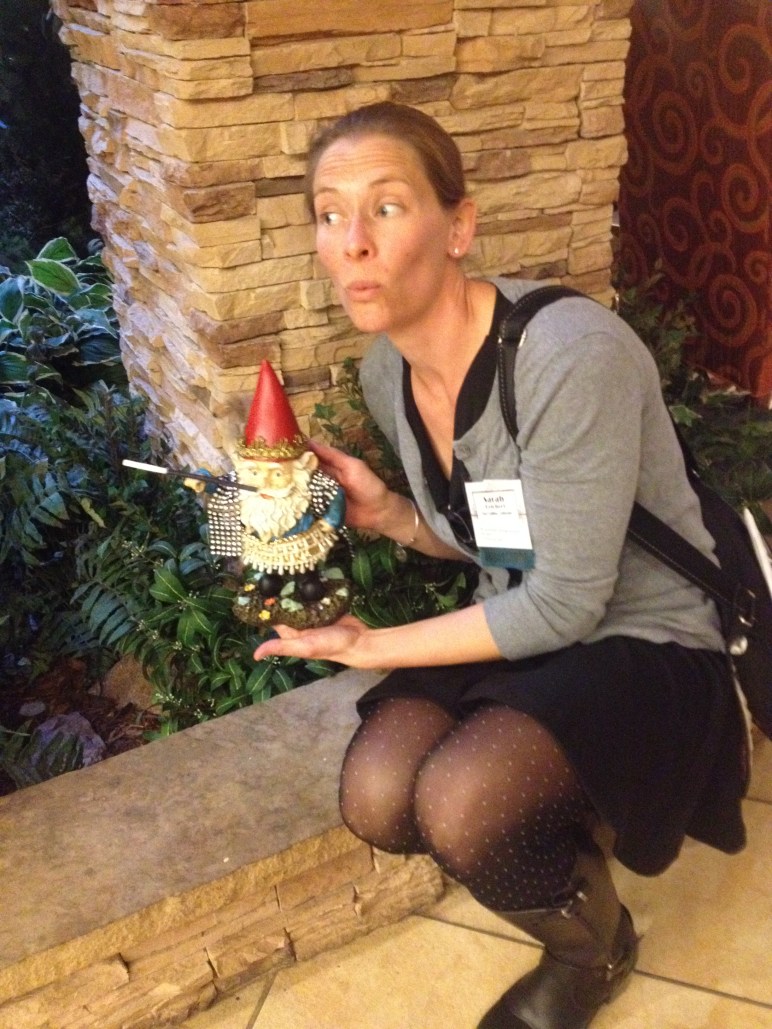
Why do they look like they’re being directed by a Glamor Shots photographer?

Poetry 1-15-26

A bit more Hallow’s Eve than New Year’s Eve…but this came from a poetry challenge a few years ago and I thought it was interesting.

Corvidae

Black oiled beauty
needle claws to grip
solid to my eye sockets
no longer needed by me

I'd rather be your throne

and you can be my new eyes
and continue on
in this dark world
light glinting and
soul exposed
in the off feather sheen
and firelight behind your beaded eyes

ever higher, above the madness
that ended me
you will be my wings and I
will be your resting stone
your peaceful,
calcified nest of respite

you will be my freedom
from the fog of earth
the stains of so many moments
now rested in the dry and brittle grass

we are a pair
dark wanderer
above the grief
of an impermanent world
together in easy camaraderie
until your bones rest atop mine

the world will go on,
in wreck and ruin
growing up through our silent jawed beaks
until we are stones in the grass
nothing
and everything
more

Submitting to Rejection

Nobody likes being rejected. Yet one of the fundamental truths of life is that we will not be accepted by everyone, every time, and that includes our work. Admittedly, throughout nearly two decades of being a writer, I’ve been rejected more than I’ve been accepted. In recent years I’ve put aside submitting to pursue work with my publisher in the craft of novel writing, but I’ve come to realize that it’s stunted my growth as a writer.

The years I spent submitting weekly (mostly in an effort to gain experience and get some publication credits, as well as harden my tender, little writer heart against rejection) were the years when my writing grew the most. Submitting to whatever contests and journals I could meant I was always pushing outside of my comfort zone. Feminist horror? Sure, why not? SciFi Flash fiction? I can do that. Memoir? Creative nonfiction? Humor? Let’s try it out. Whatever was calling for a submission, I would fumble my way through it, and that led me to explore genres and forms I might not have otherwise attempted. I learned I do have a little dark streak that likes to come out and play.

I learned that a thread of justice and the unsettled walking of moral lines often shadowed my flash fiction. I wrote poetry about lawnmowers and tricycles. I threw paint at the wall in so many colors that my writing house became a mural of unexplored and emerging thought. All of it wouldn’t have happened if I had focused on a ‘rejection’ goal instead of an ‘acceptance’ goal.

Now, in a certain stage of stagnation, I’m returning again to a rejection goal for 2026. Not so lofty as 100 this year (I do have important things at home to still attend to and novels coming out) I am just aiming to submit once a week and garner 50 rejections in the year. I’m looking into playwriting contests, and speculative fiction, memoir and essay. I’ll probably revisit my favorite literary magazines and quirky publication to see what they’re up to. All of it, a practice that I hope you try too. A practice in being brave, in being curious, and in being untethered to the ideas of publication as success.

What can you learn about yourself as a writer? Not just what genres you might unknowingly enjoy, but also in sticking to a schedule, brushing up your cover letters, and learning how to concisely formulate a story (or poem) that feels like your voice and your soul. Knowing that you’ll be rejected. Knowing that not everything (maybe even none of it) will be published or given a place in the public sphere, can you reorganize you brain around the idea that it is the practice itself that’s the prize to be won?

That’s the goal for me. To rediscover the boundlessness of my creativity. To get uncomfortable. To learn things about myself and what the world looks like through my words. I hope you can find something similar that challenges you, humbles you, and eventually strengthens your love of writing.