A Word (or Several) About Writing Conferences

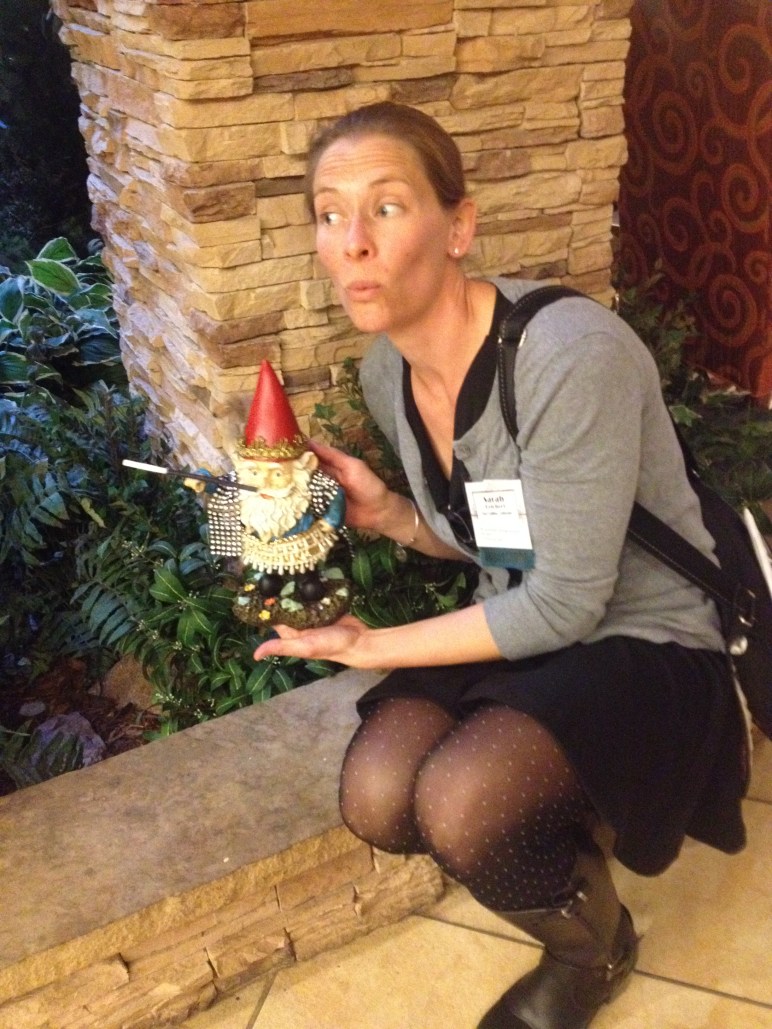
Photo by Pixabay on Pexels.com
I’m not going to lie, I’ve been a busy bee of late, and I’ve got plenty on my plate to make me feel justified when I rehash an old blog, especially if it still fits with what I’d like to talk about.

This, being May and smack dab in the middle of the Writing Conference Season (I’m not sure if that should be a capitalized title, but it seems like an event so…I’m going with it) I thought it would useful to budding writers out there to go over some conference basics as well as some advice that has really helped me get the most out of them. This also being a totally new era, I’ve added some modifications to reflect our new Zoom/Teams lifestyles (not NEARLY as cool as a Rock n’ Roll lifestyle).

So, let’s get into the meaty goodness of writer’s conferences and why you should strive to attend at least one a year.


How do you choose which one to attend?

• Firstly, most conferences, at least since the pandemic, have had to switch to some type of online format or perhaps online-in person hybrid to make accommodations for safety. So, the good news is, you may not have to shell out so much for travel expenses as they can be taken from the comfort of your home. Bad news is that you’ll still be at home and all the challenges that can go along with it. I’ll touch more on that later on.

• If you are anything like me, you’re wealthy in creativity but strapped for cash. One of the biggest deciding factors, for me, is the cost of the conference, along with which classes, speakers, and agents will be there. Getting to pitch to an agent, or multiple agents for publishers specific to your genre is a boon. Classes that are not just interesting but will help expand your craft are also good factors to consider.

• Some conferences are genre specific and if you are a comfort-hugging archetype who doesn’t flirt around outside your style and subject matter, then definitely consider something specifically geared to your genre. The Romance Writers of America used to host in fun and far-off lands like…San Diego and…New York City…*le sigh* Genre specific conferences are awesome if you’re looking to polish skills or start out in a new genre that you don’t normally write in. Don’t be afraid to flirt a bit (outside of your genre, that is *wink)

• If you’re stuck deciding between two, look at the courses offered, the speakers presenting, and if they are offering pitch sessions, especially agents suited to your work. Pick the one that gives you the most opportunity for growth and stretches your creative and ambitious goals.

How do I get the most out of my conference?

• Here’s what I’ve learned. Plan ahead but be flexible.

Conferences don’t just start the minute you pin that snazzy name badge on your seldom-used dress clothes (or, via online conferences, log in with only dress clothes on your upper half). They start the year before, during writing when you self-reflect on the issues you have with your WIP, your style, your grammar, or even the steps you want to take next. If you have trouble with dialogue but are a whiz at plotting out the perfect story arc, then use your conference to build up your weak points. Even if it means stepping out of your comfort zone. Which leads me to my next point:

• Sit it on at least one session that is outside of your genre, comfort zone, or even interest.

Look, conferences can be amazing experiences but if you’ve been through sixteen hours of various takes on the query letter or trying to perfect your memoir pitches, you’re not growing as much as you could be. Why do athletes cross train? Why does an engineering major still have to take social science classes? Because learning about the realm outside yourself will make you better in all aspects of your work. Try a sci-fi world-building class or screenwriting. I guarantee, you will get something new out of it that will help your project and your craft.

• Push your limits.

Talk to people you wouldn’t normally, share your story, your success, and your pitfalls. This is an awesome opportunity (I’m talking to you little introvert) to commiserate, vent, and rejoice in the craft you love so much. Pitch your novel, article, or story. Talk to the larger-than-life keynote speaker (here’s a hint: every single one of them I’ve had the pleasure to meet has been the kindest, most down-to-Earth and supportive writer). Come away feeling like the weekend/day was an experience that has changed you in some fundamental way.

How do I not get overwhelmed?

• For goddess’ sake, take a break in the midst of it all. I’m the worst at this. I’m a classic victim of; “I paid the money and I’m going to hit every single class. I will volunteer, pitch, hit up the speakers at the dinner table, and stuff every bit of information into my head until explodes!” Then by day two, nothing makes sense in my mind, words are blurry, I’m not sure what my name is, and I’m crying into a self-made mashed-potato tower, while wearing Underoos on my head that clearly are not my own.

Take the breaks between sessions or even forgo a session and find a quiet corner or go for a walk outside. You need it to recharge, allow time to absorb the information and be refreshed for the next round. This is especially true for online conferences! Take the computer to different rooms (if they’re still quiet) or outside if available, take walks in between sessions, take eye and body breaks (look far off for a spell, or ‘rest’ your eyes away from the screen, get up and stretch as often as available). Its’ almost like interval training—the space between, the recovery is what sets you up for the next round, so take it.


• If you are pitching to an agent or editor, polish the shit out of that thing beforehand. Take your pitch to your critique group, your friends, random people on the street before the conference and learn how to deliver it with confidence and clarity. Know your story, your characters, and your plot, inside and out. That first page should sing the sweetest siren’s song anyone has ever heart and lure the tepid agent from the afternoon lunch lull into something exciting they want to read more of. The more you practice your pitch, the more it will feel like a conversation with a good friend instead of an interview.

• If you are pitching, don’t be intimidated by the agent or editor. Remember they are people. They are there, specifically, to talk to you. To hear your story. To find the next big thing. Most of them are also just like you…they may even be wearing Underoos and like mashed potatoes. The point is, it’s okay to be nervous, but don’t go in assuming they relish the idea of shooting you down. Be polite and always thank them for their time and any advice they have to give.

• Sleep before. Sleep after. Eat nutritious food, take walks outside whenever you can, and watch the caffeine and the booze. Free coffee stations are like crack for me (or conversely at home for online conferences—having my own espresso machine) and cash bars are a tempting mistress at the end of a long, people-filled day. But you’ll have things to do the next day and Underoos will stay safely tucked in if you can avoid that third cocktail.

To conclude, I’d like to share one of the best lessons I’ve learned from conferences.

For every conference I attend, I add a layer to the writer in me. That is to say, through the people I meet, the classes I take, and the lectures I attend, I learn more about the craft. How, and when, and why, and what and all the technical attributes that come along with the delicate balance of creativity and grammatical science. But more than just the sum of these limitless parts, I learn a greater whole.

The whole that is me as a writer.

And in doing so, I’ve learned how to enjoy myself more at these kinds of functions by listening to my body, my brain, and my growing years of experience.

Back in the day, I would be hand-cramping from the steady stream of notes at each session. I would be tumbling from one to the next, chugging down coffee between in hopes to keep my energy up so I wouldn’t miss a thing. I would strategically place myself at the agent’s table who I wanted to garner the literary affections of. I would, in essence, be the adult version of my grade-school brown-nosing self.

Something happened one year, while at the meet and greet “networking” event. I found myself long past my emotional and mental boundary and crossing all lines of my introvert nature, to garner the attention of at least a few more experts in the field. I was mentally exhausted, untethered and I felt like I was on emotionally shaky ground. I realized after a long day of learning and being ‘on’ that I didn’t want to be there.

I didn’t understand my limits or that honoring them was at the core to being successful at a conference (and let’s face it, in life)

I thought I could talk it all day, learn it all day, do it all day. Nerding on a pro-level is a quintessential part of who I am. I loved hearing about other projects much more than I like talking about my own and reveled in the creativity and ingenuity of my fellow conference goers.

But…the more stories I heard, the more classes I took, the more advice I tried to apply—the less sure I became of my ability. The more tired I got, the more flustered I became, the wearier my mind, the less information I could process.

Until everything was just noise and words.

Then I learned a secret.

You don’t have to throw yourself under a bus to catch it.

Knowing your limits is not just useful in this particular scene. Knowing your limits is useful for all humans. And it comes with age and the ability to let go of unrealistic expectations.

During a few of my sessions, even as I listened to the speaker, I listened to myself. If I was inspired to write; I let myself write.

If the iron was hot, I struck while in the moment, abandoning the mad scribble of notes.

Did I miss a little of the presentations? Sure, but in the midst of other brilliant minds and the energy they impart, in the middle of shutting out the rest of the world, the heart and brain start to do this funny little dance and learn to play again.

Inspiration doesn’t always happen at the opportune times. You have to write when the words are ready and when the heart is open. Conferences have given my heart a doorway, an acceptance into writing what often builds up behind all my carefully constructed walls.

In years past, I’ve forced myself to jump the hurdles of social interaction and witty conversation until late hours, when all I really wanted was to wander off to a quiet room and take a nap.

I had to make it OK for myself to listen to that want, in order to get the most out of my time at conferences. These events open pathways, but only when we’re not too busy to see them. If we are embroiled in getting the most out of every single planned moment of the time, then we may miss the real lesson.

Creativity is like a river and if you fully submerged you’ll easily drown. You’ll miss the beauty of the ride, the view, and the sounds.

So, know yourself, Writer. Do the things that you know work for you. Let the river of creativity, carry you, but always leave yourself plenty of breathing room to be inspired.


The Beautiful Writers Workshop #26: Flashing for Fun and Profit

Yep. I said that. But in my defense…I don’t have a defense. I’m childish and immature. Please don’t go around “flashing people”. It’s not fun for anyone involved and you don’t make a good profit. In fact I hear bail is not cheap.

When I say “Flashing” I’m talking about our next topic of discussion which is, of course, Flash Fiction.

If you like the brevity of poetry and quick, hard words that nail emotion to the theoretical wall with brute force, you’ll probably enjoy practicing flash fiction.

Let’s get started with a little introduction.

Ahem, Flash Fiction, these are my beautiful writers *gestures wildly out into the far reaches of the internet* They’re kind, amazing, and talented.

Writers this is Flash Fiction.

Flash fiction sprung up in the 1990s and has become a formidable form of storytelling that appeals to newer generations with ever-shortening attention spans and busy lives. Flash Fiction condenses a tapestry of story into a few short sentences/words/paragraphs. It also serves as a method to condense big ideas into concise writing, especially in terms of reporting (flash non-fiction?) and conveying information.

Ugh, that was dry. Talk about an awkward introduction.

Here are the basics. Flash Fiction is a form of short story that relies on brevity. Specifically, a word count between 5 and 1,00. If you’re wondering how you can tell a story in under in under 1,000 words, or even in under ten, allow me to give you one of the most famous examples:

“For sale, baby shoes, never worn.”

This very simple sentence/story has two commas, one period and a myriad of images that can affect the reader.

Flash Fiction is further divided into micro-fiction, sudden fiction (Wham! Suddenly there was Fiction! Out of nowhere and sudden!), postcard fiction, short story, and the short short story. Believe it or not, there are even sub-categories called drabble which refers to stories that come in at 100 words and dribble that come in at 50 words.

Why Flash Fiction, Sarah?

Well, I’m glad you asked. And…if you didn’t know, that’s what the S in S.E. stands for. The E stands for Enigmatic. Or maybe Exciting. Earnest. Edward. Eggo-(not to be confused with Ego). Who knows? Only my mom and she’d never tell because she’s as loyal as the day is long.

Back on point:

The advantages of Flash Fiction are as follows:

Several websites, literary journals, anthology collections, and magazines are interested in these bite sizes of life.

They are relatively quick to write from an artist’s perspective, which makes them more versatile and easier to explore different genres with.

I personally find flash fiction refreshing to write. For one, when you’re embroiled in a 120,000-word novel, bogged down in outlines and character sheets, plagued with plot holes and tense issues (aren’t all issues a little tense?), it feels pretty damn good to step out with a 250-word taster of a completely unrelated character’s flash-in-the-pan dilemma.

Don’t misread. Flash Fiction may have fewer words, but it doesn’t mean that it’s ‘easy’. (She’s fast but she ain’t cheap). Writing more with less is difficult, especially if you’re accustomed to novel length work.

So, to start this little experiment, I’m going to make your first time (or maybe I’m not your first…it’s completely okay, I’m not judging what relationships you had before me) nice and gentle.

Take a current work in progress, a novel you’ve published, a poem you’ve written, and write a flash piece based on the characters or subject in a strange and new situation. Or, maybe six months after the novel ended. Or six months before. Show them in the parking lot with a new baby, or thrown into jail at sixteen, or sunk unexpectedly into the third World War (too close for comfort?)

Then…and this is the trick; don’t go on and on.

Think snap shot, not photo album.

One picture will tell us a lot about a person, without needing to see the whole photo album. (have you ever had to sit through someone else’s photo album? No, Sarah, because we’re not three-hundred years old, we have Instagram like normal people…what century are you from?)

Flash fiction is a novel if a novel were poetry. Condensed, potent, memorable.

For sale, baby shoes, never used.

Here’s a little flash piece (a drabble to boot) I submitted that won honorable mention, if you’re looking for an example.

She hadn’t meant to set it on fire, exactly. But now that the heat burgeoned from its windows, charring the leather seats and crackling up through the retrofitted steering wheel, she was glad for the warmth.

It was a shame he’d never get to see the way the flames jumped and swayed in the clear night turning cloudy. It was a shame he’d left it unlocked, parked outside the strip club. A shame he’d said he was at a meeting. What. A. Beautiful. Shame.

She pirouetted against the star-filled sky, and danced along the edges of erupting metal and smoke.

Try it out, have fun, and let me know how it goes. Share or don’t. I look forward to hearing how it goes!

Happy Writing!

Expecting The Unexpected

Remember Darkwing Duck?

Anyone? Anyone out there?

A child of the late 80’s and 90’s will remember the daring and billed crime fighter and his catchphrase of “Expect the Unexpected.” I’m pretty sure that phrase has since been taken over by an insurance company, or pregnancy tests, or police searches; but once, it was the mantra that a hero lived by to always be on the ready.

Adults live by it in more boring ways (insurance, family planning measures, radar alert gear on the dashboard of our cars). We’re taught to prepare for the unexpected. At least, in all of the adult ways we live by. But to expect the unexpected isn’t just about saving for a rainy day or assuring ourselves, in the most pessimistic of ways, that something bad will inevitably happen and we must be prepared for it, it’s also about preparing for opportunities.

How do we prepare for something that can’t be predicted? In a similar way as with expecting the worst; by keep open in our mindset that anything can happen and allow for flexibility in our plans.

Now, I’m a big believer in the fact that the only constant in our lives is inconsistency. Change. We can always count on things to change. The world turns, human’s doot around in their peculiar and quirky little ways and the tides of life fluctuate. Sometimes they recede, sometimes they tsunami. The more rigid we are, the harder we are pushed against by the ever-changing, chaos-driven shift of time that swirls around us. Or the more disappointed we become when that tide draws ever farther away from us.

But if we can shift our mindset to accommodate this certainty of the quirky dance of life around us, then we will be prepared to deal with the challenges and also find opportunities in them. Because when you open your mind, you can look past the immediate hurdles of a change, to the bigger picture beyond. This is the important part. Remember how I italicized that “anything” up there? Pay attention to that.

I like to call this the “Anything Can Happen” moment. Here’s the caveat; shhhh…come closer and I’ll tell you…little closer…little closer… okay that’s too close, did you have onions at lunch? Back up a bit, here’s it is:

You have to look at what’s beyond the obvious challenge, with a positive lens.

UGH! Positivity! No! I’m a bitter and jaded, starving artist! I don’t DO positivity! It’s sooooo naive!

Yep. Sometimes it can be. Trust me, I’m a former, card-carrying member of the Pessimistic Society of Debbie Downers. I still get stuck in that rut too. But, it always leads me to nothing but dead-ends because I’m limiting myself by the perceived constraints change seems to bring.

I’m not asking you to be all zipidy-do-dah-Disney-slap-happy-blind to reality. I’m asking that you take a step back and be a realist with an eye for what good can come from the situation. There’s always something good.

Expecting the unexpected means being at the ready. Not just for danger and doom, but for the possibility of something better. To always be in a position where you can slip through the crack of those opening doors and explore new paths, different ideas, an unobstructed view. I don’t want to ruin the surprise, but this can lead to an ever-increasing sense of well-being and a little more calm when faced with upheaval.

Stagnation may seem safer, but it will leave you treading water eventually and you’ll look back on the things you should have, could have, done but didn’t have the open mind and the faith to try.

In your writing life, which can often seem to err on the side of challenging rather than rewarding, I urge you to keep your mind open. To throw yourself into opportunity and be willing to accept with a sense of curiosity and humor the outcome. Life is chaos and beauty; destruction and creation. Remain flexible and willing to see the challenges in your life as opportunities to grow, to learn, and thereby succeed.

Where You Hang Your Hat

This particular phrase came to me me during a few years ago post, on the subject of home. This week, I’m on limited mental and emotional bandwidth due to stuff and things, so I decided to dust off this still-timely look at what home means, where home is, and all the hats we wear when we go ‘outside’ of it.

I’m from Wyoming, born and raised, with some detours along the way.

Wyoming has some pretty awesome colloquialisms (for more on that, please check out my Sweet Valley Series, set in Wyoming—very romantic-west) and “Home is Where You Hang Your Hat” is no exception. (Some other, unrelated, favorites; “wouldn’t mind if his boots were under my bed,” and “wish I had a swing like that on my back porch.”)

I could go into the history of hats, cowboy and otherwise, what they meant, where they came from, who wore them, the political and pop cultural significance each one carried, but you didn’t come here to listen to the historical social scientist in my back pocket, you came here for an expansion on home.

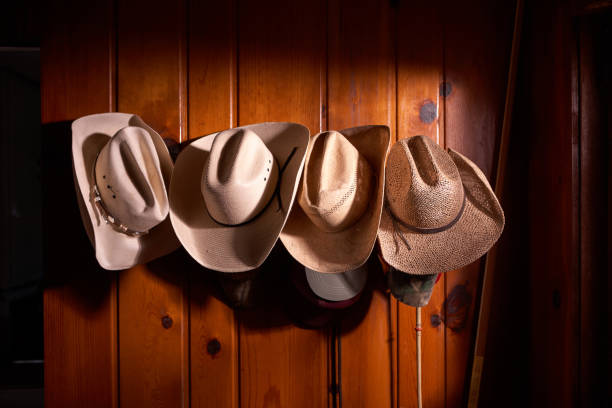
Cowboy Hat1

Hanging your hat up was something you used to do when you came in from a long day of work. I’m looking at you…slack-jawed twerker, with your suuuuper cool trucker’s hat turned sideways at the dinner table…you realize that it’s the same ‘model’ my 97 year-old grandfather would get free from NAPA (that’s the part store, not the wine country) and wear until the brim fell off… And, he wore it better but never at the table… sorry where were we?

Yes, gentlemen used to take off their hats inside and, in the case of coming home, would hang them on a hook or rack by the door.

A simple move that signified something so much more profound.

Hanging your hat, coming home, dropping the world at the door and breathing. Breathing in the place of your own, the space you occupy, the people who wait for you; who love you, who have seen your head without hat, your hair going gray. Coming home meant escaping the life’s demands and the outside world’s burdens and just be.

Why is it important, that we take off our ‘hats’ in today’s world? Why does it matter?

I’m glad you asked. It’s kinda why I’m here.

Humans these days are so connected by technology and the speed-of-light information bursts, that there’s really no such thing as a safe space anymore. Now your home has multiple outlets for this information to stream in, constant and blaring.

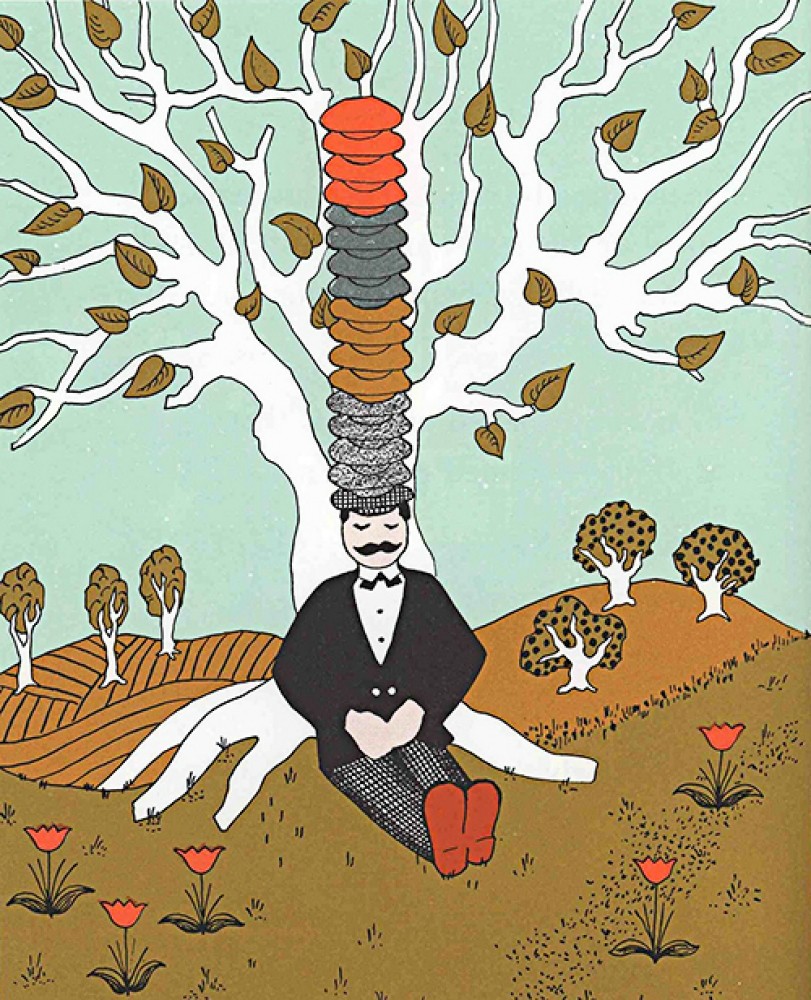
And the ‘hats’ have changed too, haven’t they? We used to wear one, maybe two. Now, we’ve got them stacked one on top of the other until they tilt in the breeze and wobble when we try to move forward. We’re doctors, and scientists, social activists and martyrs. Writers and poets, librarians and board members. We’re frienemies and friends, lovers and exes. We’re husbands and mothers, daughters, sons adopted or otherwise. Victim and accuser, the pious and the demon. We are presidents of PTAs and the one mom that always forgets cups. We’re the one to takes the dog to the vet and the kids to the dentist and forgets to pick up their dry cleaning. We’re the ones who need more sleep, but don’t get it. The ones to work long hours, for little recognition. The ones who scoff and say ‘its fine’ when it isn’t.

Caps For Sale
Caps For Sale: A Tale of a Peddler, Some Monkeys, and Their Monkey Business. Esphyr Slobodkina (how is it I never knew that was the full title?)

We’re chained to the images that we build on our social media pages and constantly feel the need to live up to the happy smiling selfie that the world thinks we are. It’s getting so one can’t even close the door and drop what’s not real for a few minutes.

And if you can’t ever drop it, how do you even know who you really are?

It’s no wonder we’re overmedicated, depressed, anxious and stressed. People constantly shoving hats into our hands, telling us what we should be, what we could be, showing off how beautifully they’re balancing their own stack with perfect pictures of perfect lives through perfect filters that they post fresh every day.

It can leave a person feeling that if they aren’t getting enough ‘likes’ that no one actually likes them. That the measure of being loved is dependent on some superficial and meaningless emoji.

Listen, kid, ain’t nobody that happy. Ain’t nobody that perfect.

And the brilliance of those images, I guarantee, is hiding the same nasty, visceral darkness that resides in each of us, fed on self-doubt and anger. Jealousy, dis-ease with the person in our skin, and the pressures squeezing through our walls each day.

I just want to go home.

Let’s go back to that place.

The place where you put your phone on the shelf by the door and kick off your shoes. Leave your meal un-Instagramed. Your run un-shared. Write down the cute thing your two-year-old said, and then tell your mom face-to-face over a cup of un-tagged, un-pinned coffee.

Wait for your meal in silence and anticipation. Look up something– in a book. When you feel the need, the itch to pick up that screen, or turn that television on, or otherwise disconnect from real life, don’t. Over half of our lives are spent looking at the world through our screens and its becoming a new, cold, disconnected home where we find no respite.

The ball is in your court, the stack of hats in your arms. Drop them all, for just a moment and pick up only the ones that satisfy your soul. Even those, hang up once in a while and sort through how they make you feel when you wear them.

Find your home by letting go of the things that are outside of who you feel you need to be. Find the home in the center of your chest, your truest self, and come back to that. Hang your hat there. That’s your home.

Worth for Awhile

A large part of human nature’s beauty lies in our failures and follies. Perfect people are rarely very interesting. As a writer, creating ‘perfect’ characters is a sure-fire way to distance your readers and lose their interest. Why? Because no one wants to read about someone who always gets it right. Who can share commonality with that? And yet…our reality is often ruled by what we, as actual humans, fail at.

When thinking about human frailty and my own failings I stumbled across the largest stone in my path of late; Self-Worth.

I know I’m not alone. I see you out there.

It’s more than fair to say that we are comparative beings. The media propagates it, competitive constructs in work and school demand it, and long-standing cultural threads tie our successes (and our failures) to what we’re worth in the eyes of the rest of the world.

Its the single most destructive lie we’ve ever been told.

And its easy to say that it doesn’t affect us. That we don’t care how we stand in relation to other people, that we don’t have a competitive nature, that we don’t feel the need to be anything else than what we are. I say those things all the time. And they rarely do more than offer a feeble disguise over the surface of self-doubt.

If we didn’t care, we’d cease to try. We’d stop looking for ways to improve. But something that should drive our greatness often tears us apart and we are left with shreds of the human we used to be, torn apart in an effort to create something more inspirational in the eyes of the world.

I was recently told, by a very generous soul, that my self-worth shouldn’t come from anyone but myself. That I couldn’t let the berating, criticism, or comparisons of the world let me feel any less than what I was worth. That it wasn’t the outside that should decide, but what was inside of me.

So it made me wonder; What am I worth?

In terms of chemistry, my physical make-up is probably no more than about $3.00 worth of material.

If you broke down my daily tasks and how much you’d have to pay someone else to do them, some would say I’d be worth about $140,000 a year. If you based my worth on what I contribute to the world with my writing we’re looking at a solid $50 a year. Monetarily, its not very impressive. And again, I’m basing my worth on what other’s consider useful tasks/materials.

So what am I worth? What are you worth? Sit still with yourself and ask the question:

“What do I do, what am I, that matters to me? That impacts the world? That brings me contentment?”

Deep…yes. Sometimes we gotta get past the cloak of simple thought to really understand why we matter. We have to, for the sake of our own self-preservation. After all; if you don’t see worth in yourself, you start to feel like a burden to the people you love. And all sorts of ugly outcomes arise from that train of thought…trust me, I’ve been building a scary set of tracks in that direction myself of late.

So I sat down, prompted by my friend’s words and suffering through a trough of depression, and asked myself what I was worth.

I came to the conclusion that for a long time I’ve let the words and actions of other people (in their own beautiful human imperfection) determine my self worth. If they were mad at something in our shared existence, I took it on as a fault of mine. As a problem that I didn’t fix or prevent. If comments were made about appearance, I took the darkest path of focusing on my imperfections and felt the need to correct them by any strange and unhealthy way possible.

It left me wanting and sick.

Why do I let my brain do that?

Because we’re taught to improve. To impress. To be better. To strive for more. Instead of just being what and who we are and understanding that we aren’t responsible for other people’s happiness or conforming to ideas of perfection. We must set boundaries to the information we let affect us. Even my friend’s well intentioned advice was still someone on the outside telling me what to think about my self worth. It’s not about letting someone tell me I am worth-while. Its about knowing my own worth and not letting the outside world sway that knowledge either negatively or positively.

Now there are times, when someone who loves us may come to us with good intention, and full hearts and offer us a viewpoint about something destructive they see in us. There are times when someone has honest praise to offer. With careful appreciation of the information we’re given we can chose to look at it with neutrality and see if there is helpful advice within it, and take it as an opportunity for self-reflection.

I love you guys, for all you are. Just as you are. Have a beautiful week and stretch your brains and hearts to fit the worth inside of you. It’s there.

“My dear,
In the midst of hate, I found there was, within me, an invincible love.
In the midst of tears, I found there was, within me, an invincible smile.
In the midst of chaos, I found there was, within me, an invincible calm.
I realized, through it all, that…
In the midst of winter, I found there was, within me, an invincible summer.
And that makes me happy. For it says that no matter how hard the world pushes against me, within me, there’s something stronger – something better, pushing right back.

Truly yours,
Albert Camus”

Poetry 7-31-2025

Hey there. Last week was a series of battles between work, life, and a newsletter. It was a growing time, a time of transition and time to try and wrap my head around the growing responsibilities in my life and what that means for my writing. It was also a time of softness. Moments of respite, and fostering some connections that felt good and expansive to my heart. Life is a wobbling balance act, and lately I’ve felt more wobbling than balance. So here’s some poetry, from both ends of the spectrum.

Meditation on Old Wounds

See how turbulent winds
blow sweet words away
sand on black top
sand on black top
clouds in blue sky
the blue sky where nothing good sticks
where every promise comes with
an emergency life vest,
and when I get scared,
I can pull the cord
explode the meaning
dismiss it for a lie
another half-truth
sugar sweetness to
worm their way in
and nothing is true
but the stink of my rejection and
love is a dark cloud
I must constantly clear away
clear away
to empty blue skies
lest I be caught in the storm
once again battered
sand on black top
why do I continue reaching
for the chance to be seen
to be known
in all my stormy dark
when I am unknowable
I will wiggle my way out of any noose
of supposed love
it only hurts
it only hurts
it only hurts

except
when
it doesn't


Reawaken

Feel this ancient rumbling
shake and tremble
below what was once
barren ground
the river springs to life
from the soft and patient rains
bubbling up from
the forgotten cradle
soaking the ground
feeding the forest
until it overflows
warm and crashing
over banks
mountainous peaks above
hardened in cold breaths
and warmed
with praise, of god-like hands
and the land settles
into its rhythm
of pulsing
electric
joy

The Beautiful Writers Workshop: Hear Me Out

Tomorrow I’m hosting an in person writing event at The Gilded Goat in Fort Collins. If you’re in the area, you can register for it at Writing Heights. It’s free, but it will cost you two hours of your otherwise worrisome Friday night, and give you back a lightness in your heart. For a couple of hours we’ll enjoy playing around with ridiculous prompts, and find a flow, hopefully working on things we couldn’t during the week and all in a supportive and loving space. Even if you can’t join us, I hope that you can try the practice out yourself (write ten of the weirdest sentences you can think of: i.e. “A family’s toilet goes on strike” and follow it with abandon). I hope you can find out something fun, disturbing, and original in your own brain and spark some new projects. You clever writer, I bet they will be fabulous.

This week, in order to give your creative noodle a break, I thought I’d switch more to the editorial aspect of writing. Specifically, the sound of our writing and what it means for our readers.

Whether it’s poetry meant to be read aloud, stumbling through your first chapter at a promotional event, or having your book read by a parent to their child, the flow and sound of your “writing voice” matters and reading it out loud changes a lot about what you can only see on the page.

So, let’s talk about the benefits of using oral…

laugh

Okay. Sorry, that was the fifteen-year-old boy part of my brain thinking he’s clever.

Ahem.

Apologies.

This exercise doesn’t take much effort and is an easy way to edit a work in progress that may be in its final stages of completion. Or, if you’re a poet, this is by far the best way to gauge the power and purpose of your work.

Print out a chapter of your novel, a poem, or a short story (I suppose you can use your device or laptop—the girl who loves the feeling of paper between her fingers sighs to the encroaching dominance of technology).

Then read that piece out loud either to yourself or to your unwilling cat.

adorable angry animal animal portrait
*note: It isn’t that your cat doesn’t like your work, I’m just saying cats don’t, in general, like anything that doesn’t meet their own needs, and writing that does anything but pay homage to their divinity, tends to fall short in their demographic. (Photo by Pixabay on Pexels.com)

If you don’t have an audience, I encourage you to use a mirror.

Read vibrantly, read purposefully, read with intonation and depth. Meet your eyes in that mirror and feel the story, the dialogue; that stanza of hard cutting thought.

You will start to hear your particular voice emerge and you will also find editorial errors that are invisible during the brash sweep of only eyes without the mouth getting involved.

So, get your mouth involved (*snicker* *snort*)

Oh man… come on!

I think I’ll stop there for the week.

Go read your stuff out loud. Make marks on the paper (or device) where you notice inconsistencies, mistakes, or ‘not right’ words.

Change them, adapt them, smooth them out. It’s already good, just make it a little better.

Reincarnate

This week, an incredible poet, humanitarian, human being, and open hearted warrior, was called away. I have long held that some stardust burns too brightly, and the universe becomes jealous…takes it too soon. Perhaps we do not deserve them. We have not become enough of love. We are still too full of hate. We have not learned enough yet, to have deserved them.

Andrea Gibson was an inspiration for kindness. For loving one another, in a world that did not always love them. I hope they are at peace. I will think of them, in quiet mornings. In bird songs. When I sit next to someone touting beliefs meant to divide… I will keep writing poems. I will light up the dark, and do it all, over and over again.

dewdrop-morning-sun-mirror-blade-of-grass-106150

Reincarnate

the patter of rain,

softness of baby cheek,

and the feeling

that we’ve done it all before

cyclical sway of life,

birth to death,

and over again.

rain to ground,

grass rising,

breathing out,

clouds to earth

how quickly we forget our place

soul to body,

body to soul,

and over and over again

recycled lives going

round and round

until we get it right

until we find the answer

punch the ticket

off this spinning ride

i hope i get to love first

i hope i get to love last

i hope i get to love

to love

to love

until all my particles are spent

so it goes

Poetry and Poetic Books

I’m going to drive ya’ll nuts, but there’s a link below, if you’re interested in buying my latest book; “No Words After I Love You”.

This stand alone novel is a journey through grief, friendship, creativity and love. It’s about how the heart heals, (or doesn’t) and all the ways humans punish themselves in an effort to be ‘strong’. It’s about deep-seated friends, the kind you’d answer the phone for, even if you don’t answer the phone. It’s about choosing your own family, and learning how to let go the wounds from the real one. Its about trying not to fall in love, even when your heart is already decided. It’s about soup, and rain on dirt roads, its about knowing how they take their coffee and a campaign for bushier, wilder eyebrows. It’s about denouncing god and still finding divinity. Check it out: BUY NO WORDS AFTER I LOVE YOU

And now, a short poem:

Daredevil

My heart does all her own stunts
Never one to sit back from the danger
or sip Rosé while someone else
takes the fall

Oh no, she's always been
all in

She sees the perilous ledge
the death defying leap
the broken bone canyon
and nods with bravado
flicks her Marlborough into the abyss
exhales the clouds of calm
and dives in

My heart does all her own stunts
but the scars are starting to show
and the puckered skin
and toughened hide
cannot beat as strongly
as her younger self once did
The bullets she's taken, stab wounds
and excisions
the irreparable losses that linger
in phantom limb syndrome
beat ragged and untimed

My heart does all her own stunts
but I cannot convince her to stop

Making the Most Out of Your Retreat

Hey writer and fellow creative friends. Wherever you are on your artistic journey, I hope you’ve considered the benefits of joining or participating in a retreat. Now, retreats can range from the ridiculously expensive, to renting a room at the shady looking motel three miles away. Some have classes or workshops, some have yoga or hiking mixed in, some are just straight up writing time.The point is to get out of your normal space, away from your normal routine, and spend that time focusing on your work. So whether you’ve broken the bank to jet set off to the French Riviera or you’re on your way to a twin room at the Motel 6, these tips can help you get the most out of that time. I even put it in a nifty little bullet list.

  • Be Prepared (Mentally):
    • One of the best tips I have, is to make yourself a list, before you go, detailing what you want to do, or get out of the retreat. Are you hoping to network and make connections? Are you aiming for a certain word count, or project completion? List out the major goals, then leave space (I’ll tell you why later on)
    • Be realistic but also a shade optimistic. Know your average, everyday word count and think about doubling or tripling it. You’ll have more time and less outward distractions and setting that goal will keep you on track. By making it a little challenging you’ll push yourself just enough. Even if you don’t hit the goal, you will get farther than if you’d been too ‘reasonable’.
    • Bring multiple or at least a couple different things to work on. The hours can become tedious and you might want to switch it up to stay fresh and motivated.
    • As a mom, and working mom, a strange thing happens the first few hours of being alone at a retreat. I get this thing I call “care-giver paralysis”. In the absence of doing for others, I can’t remember what to do with just myself. Understanding that this feeling will come, and I’ll have some listlessness helps me to remember to ease into the weekend with some journaling, or shorter projects.
  • Be Prepared (Physically):
    • The practical side of things is that you’re going to be away from home. But not on a typical vacation. So remember to bring your goal list, paper, pens, notebooks, journals, your laptop and charger…the basic tools of your trade. Make them your favorites or the one’s you’ve been ‘saving’ for something special. This is something special.
    • Plan for the environment: If you’re poolside or in the mountains, bring the proper clothing and footwear. You won’t be holed up in your room the whole time (I’ll explain more on that later). If there are dinners or classes, if it could be cold, or hot, try to think in layers. If its just writing, pack lots of comfortable clothing. Sunblock, hats and mittens. Bear spray or Mosquito spray?
    • Sleep aids- especially if sharing a room. I’m talking about eye covers, ear plugs, and headphones (not a rubber mallet if your roommate snores). Anything you need to get a good night’s rest.
    • Any special dietary needs/wants that the place won’t be able to provide.
    • Water bottle, medication, and bathroom necessities. Nothing is worse than being dehydrated and/or not having a toothbrush. Big and little comforts will make a huge difference.
    • Business cards. Holy shit, I can’t tell you how many times I’ve forgotten this one. Even if you’re just there to write, exchanging info with your fellow retreat members is great. You’ll be surprised how much you learn from one another in that time.
    • Tech that you need, none that you don’t. You’ll need brain breaks, you’ll probably want to check in with family once or twice, you may need a laptop. You probably don’t need your gaming system, and be careful of your social apps. This is a time for connecting with yourself and your art, not the 7 billion people of the world.
  • Be Flexible:
    • You’re going to have a goal list. You’re probably going to stray from it. That’s alright
    • There may be days when the word count fizzles or the scene doesn’t play out like you want. That’s okay.
    • There may be a project you exceed expectations on, and another you barely touch. That’s alright.
    • You may accidentally sleep in, or need a nap, or get caught up in conversations. These are good things.
    • Retreats are a balance of getting your work done, and taking care of yourself, which leads me to…
  • Schedule in Self-Care:
    • Bring along comfort. Your favorite pillow, blanket, clothing, music. Whatever it is that helps you feel relaxed and at home.
    • Take naps. You’re little brain is going to be working extra hard. It’s going to be focusing for hours and working through the plot holes and dialogues you’ve been avoiding. Schedule in time for naps, early bed times, or meditation on your goal list.
    • Take advantage of the outdoors. (Unless your Motel 6 is in a shady part of the city–then try to grab a Lyft to a safer part) Go for a hike or walk every couple of hours. Sit outside stare off into the far away for awhile. Your eyes and brain will thank you. Also schedule in brain breaks on your list.
    • Bring any nutritional or necessary snacks. I need coffee in the morning. I need tea before bed. I need fresh fruit and veg. I like hydration mix and the occasional bourbon on ice (not together, that would be gross) I want my Little Debbie brownies and my twizzlers. These little joys will keep your spirits up in the middle of the tough work.
    • Exercise, Mediate, Drink lots of Water, and take warm showers. All good things and breaks away from the intensity.
    • Skimping on self care will make you less productive and more likely to burn out. Nobody wants a mushy brain half way through.
  • Assess and Recalibrate:
    • After its all over, if you’ve got a drive home, or a flight…take some time to reflect. What went well? What was a challenge? What did you wish you had? What did you bring that you could have left home?
    • How did your goal list go? Did you overshoot? Did you get distracted, and by what?
    • How do you feel physically and mentally and how can you make sure that the next retreat leaves you feeling accomplished without being overwhlemed.

Well, there you go. I’m open to hearing if you have any other advice in the comments below. I’ll be heading a retreat next week, so if you’ll be there, I hope we can make it a great experience. If you can’t be there, I’ll be hosting another one in the fall with the Writing Heights Writers Association and I’ll let you know the details as they’re finalized. Until then, Happy Writing.