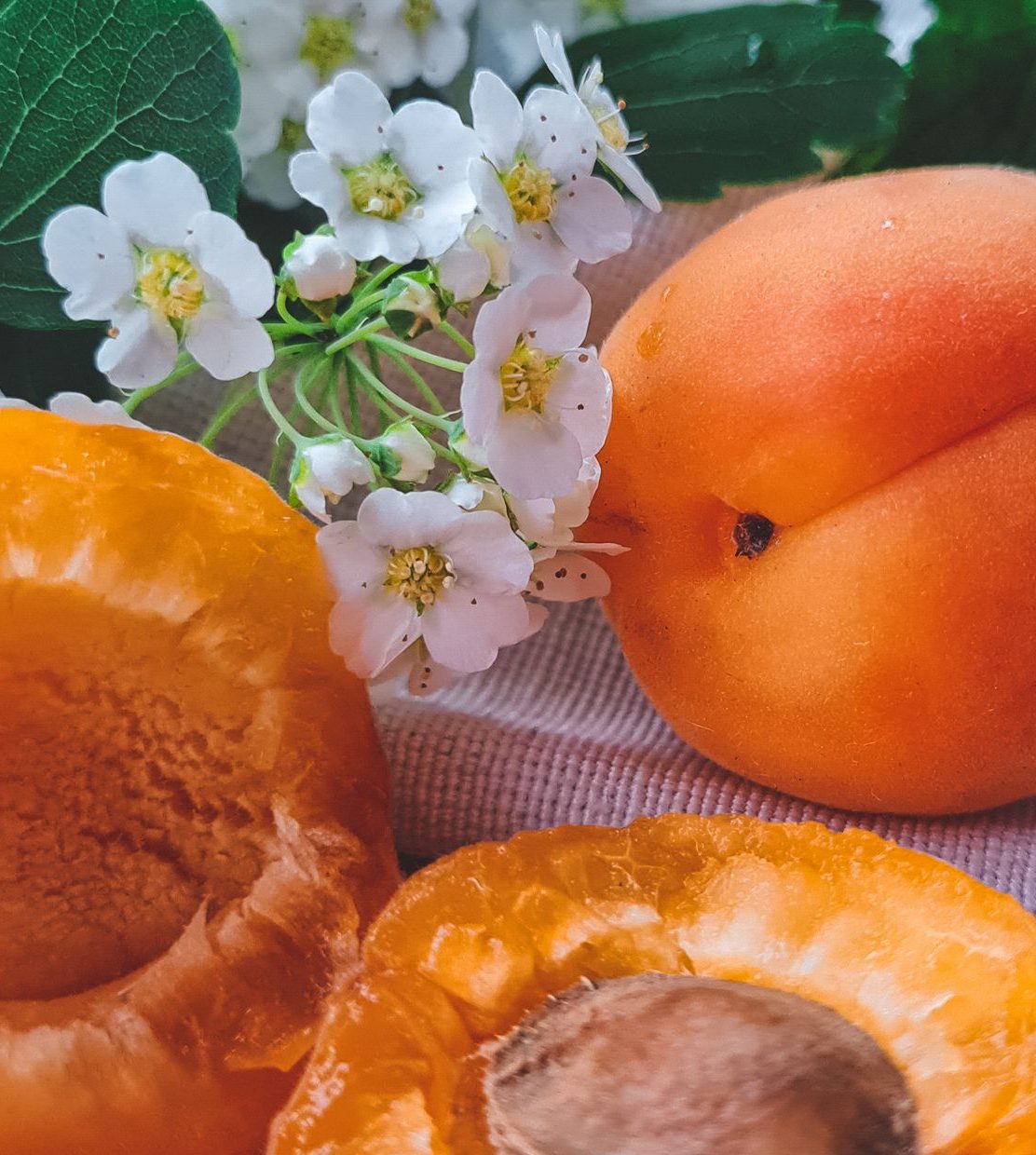
I daydreamed your long and nimble fingers spread me wide pulling apart the sections of sweet, blood orange and you bit into my bitter soft rind would that I could be feasted upon, delectable and delicate taken with such hungry, thirsty care
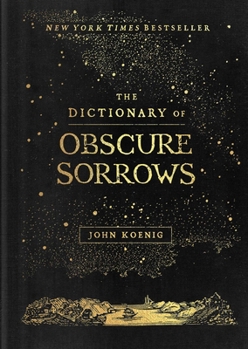
When I found this lovely book, I wanted to share it with everyone I loved. Then I realized that I’m a complete nerd and blossoming basket case, and not everyone finds language and expression of pin-point emotions so fascinating as I do. But if you do like those things, check it out. Today we’re going to be talking about idlewild. But first, a word or two about sorrow.
The word sadness originally meant “fullness”, from the same Latin root satis (which gives us satisfaction and sated). Not so long ago, to be sad meant to be filled with the intensity of an experience. Or as an empath, I like to call it every, normal day. Sadness was not a malfunction of your brain’s “joymaking” machine, it was a state of awareness. The ability to take all of life in, the joy and grief. Today we tend to think of sadness as only the absence of hope, or simply-put despair. I think I prefer the idea that sadness or sorrow is more of an over-filling of emotion, a realization that everything is fleeting, all moments are once-in-a-lifetime, and that you care about something enough to let it into your tender heart.
The book describes idlewild as feeling grateful to be stranded in a place where you can’t do much of anything–sitting for hours at an airport gate, train station, or back of a car enroute. This temporary alleviation of the burden to be doing something can often free up your brain to do whatever it wants to do. Most noticeably, daydream, a past time many of us no longer feel the freedom to do. (From Idelwild, the original name of JFK International Airport in New York).
I decided on this word because I knew it would make some of us cringe over our coffee cups. What do you mean, sit and do nothing? How does one feel grateful for not being productive, as society so often demands of us? Precisely the reason, my friend, why this occurrence is so important. Especially for creatives.
Listen I’m the first to admit that I find being strapped into a plane, train, or automobile as one of the most productive experiences for me and my writing. Let’s face it, when there’s no laundry, or pets, or children, or cleaning, or appointments, etc that need taken care of, and I’m stuck unmoving for a few hours, it’s the perfect ‘butt-in-chair” time a busy writer needs. But recently I’ve found, especially after a few writing slumps, that sometimes the mind just needs to do nothing. Nothing productive I mean. It needs to be silly. It needs to stare across the landscape and wonder. It needs to wander to destinations that don’t have meanings or books attached to them. No futures or pasts. It needs to think about strange what ifs and in the same moments let them go like clouds passing overhead.
This freedom to let your silly little neurons, memories, knowledge banks, and disconnected oddities play on the same unoccupied playground is one of the best things you can do for yourself. It not only helps in future creativity and problem solving but it’s like giving your brain a recess from all the relentless details and doomscrolling in the day. I’ve honestly found that I enjoy staring off into space and playing thought leap-frog much more than being drawn into that annoying little screen always selling me hormone supplements and bondage wear? (Listen, I don’t have to explain my algorithm to anyone)
So whether you write, or paint, or sing, or…build buildings or teach five-year-olds, I encourage and prod you a bit to practice idlewild this week. In the waiting rooms, the bus rides, the elevator, the pick-up line. Instead of reaching for your phone, stare off into the distance and pull back the curtains to what your mind has wondered about lately. Not to do lists, or what you should be doing, but noticing the color of the horizon, or counting the trees in the painting your dentist hung up, or making up strange and humorous character situations about the people on your bus. Find a little wild in your idleness.
Sometimes, whilst one is going through the previous year’s poetry to put it all together, one finds something written by a kinder heart. I wrote this with a kinder heart. A heart that (erroneously, okay) started to open in the presence of gentleness. It’s a trip, knowing this feeling existed once, inside my chest. I guess that poetry is good for being the time capsule that reminds you, occasionally, that love was almost. I guess it is also, sometimes, good for reminding you that you were right to have put rocky ground between you and others.
Both about two different people…two different souls. And I’m always in wonder at how my heart can hold so much, and how much it is constantly asked to let go of. And how defiantly (and dumbly) it doesn’t. I guess that’s why poetry exists, n’est-ce pas? To have a convenient shelf to set our hearts on when we can’t bear to walk around with their contents sloshing unevenly in our chests? Anyway. Here’s poetry.
tender ache
weren't you just the subtle pine rising from penitent footfalls along quiet trails
weren't you just the romantic glide of a train across forested peaks the anticipation of journeys towards something better
weren't you just the late summer glow of sun kissed honey dripping into the waiting cup of succulent apricot flesh
weren't you just...
weren't you just
the hard turn left that slammed my heart's momentum into a concrete pylon
weren't you just the biting words tearing away at delicate seams of newly grown flesh
weren't you just the coldness of an unexpected glacier cleaving through my underbelly sinking me into the dark
You would think, that laughter among friends would dull the incessant ache of missing you
but somehow in any joy I miss you more
daydreaming, apart from crowds, that you sit across my table eyes crinkling with the absurd infectiousness of silly mirth like bird wings in my heart and shoulder shrugs of isn't this life terrible? beautifully terrible? but when your eyes meet mine it feels
only beautiful
knowing you exist is like a breath added to the dying embers of hope
you're still the only thing that helps me sleep
I imagine you slide into bed beside me curl warm length into my cold lonely chin tucked into my neck, arms like blankets hold me close and push out the rest
This was one of the poems that I wrote in April, during the Poetry Month Spree for Writing Heights. I produced a lot of interesting stuff that month (as one does) and I love that the space between writing the poem and going back through the deluge offers so much more reflection and perspective.
Hey y’all. I’ve been participating in National Poetry Month with a challenge through Writing Heights. And let me tell you, nothing humbles you more than being in the presence of such amazingly talented poets (especially when they all decry their lack of talent). We didn’t have any gentleman join us in the challenge, and I will say that I think the supportive structure of mature women in a safe environment really gave birth to vibrant and visceral work. It reminds me how powerful women are. How intelligent. How kind. How empathetic. Am I saying that men are not these things? No. I’m saying that for too long women in this weird patriarchal, capitalist, christian nationalist environment have been silenced, reduced to objects, and vilified for expressing themselves. It is grounding to know, despite the illusions spread to keep them subservient, women are in fact the creators.
That was a long intro to these poems. One, from a prompt this month. One I wrote as an exercise. Neither edited much. Enjoy, and if you were insulted by the previous paragraph…stop reading my blog.
I am sitting at home, on the south side of a once-small Colorado town I used to hear crickets, but now there are sirens The dog snores, unbothered, and my wristwatch patiently counts seconds I no longer own I can see the faint glow, of a nightlight down the hall
I used to hear crickets, but now there are only sirens There is a coldness where a warm love used to lie, beside me, tucked away I can see the faint glow of a nightlight down the hall Time has taken the children from the rooms, but I keep them plugged in
There is a coldness, where a warm love used to lie And I feel it, tucking away from me, lonely and quiet Time has taken the children from the rooms, but I keep them plugged in I’ll never sleep the way I used to, when I knew we were all safe
And I feel it, over and over, love tucking away from me lonely and quiet The dog snores unbothered, and the wristwatch ticks away the seconds I no longer own I’ll never sleep the way I used to, when they were down the hall I am sitting, up in bed, once a home, on the lonely side of a once-small Colorado town.
tom-boy rough and tumble the feral ruler of broken-down neighborhoods in dying mining towns knew no gender just the horsepower of my skinned-kneed legs and the unfettered mane more wild adherent to herd than human girl or boy wind-tossed and unmanageable out in sunlit days with any able-bodied child my height who could keep up invent dragons and build castles in trees uncategorized, unencumbered by expectations of bows or army men dolls or trucks why not both? why not all? aren’t our hearts really just wildings? in the beginning we were all unfettered dragons, able-bodied castles nurturing friends and fauna in trees alike we were all ‘them’
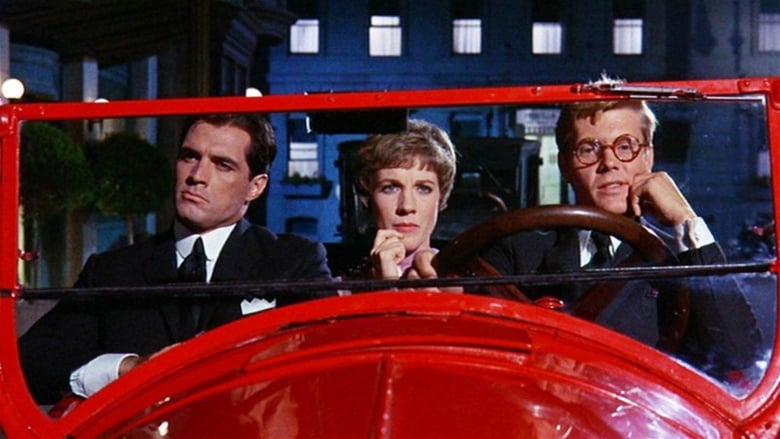
Disappointed I can’t find an image of the scene when John Gavin shouts this line while fumbling with a live chicken and coming out of a tranquilized haze.Apparently, the internet DOES NOT have everything.
I’m not immune to the fact that this blog has tripped around in the dark a bit lately. Let’s be honest, all of us are probably tripping in the dark. We’re in unprecedented times, facing stresses and noise that we’ve never dealt with before. It’s easy, in the dissonance, to lose our path.
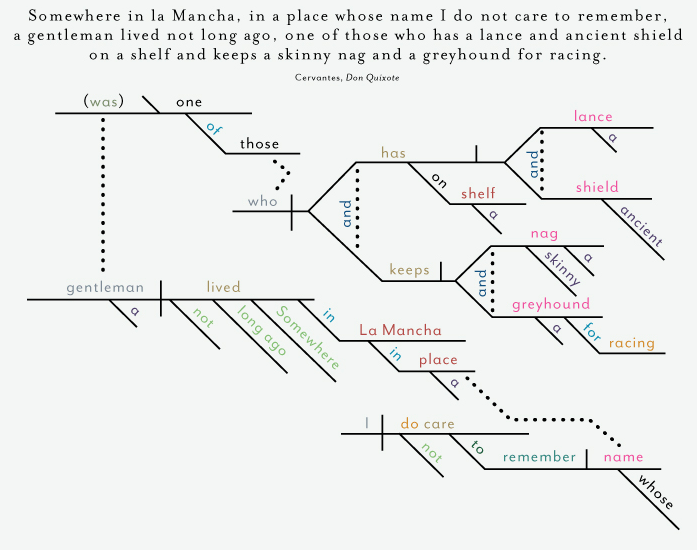
So for the next three to four months, the first week of the month, I’ll be getting organized and coming back to a series I ran a few years back called the Beautiful Writer’s Workshop. I’ll probably skip around a bit, everything from how to submit your work to how to organize your series. No, I’m not going to make you deconstruct your sentences into diagrams, circling your subject, double scoring your gerunds, slashing through your adverbs (or will I? Could be a fun practice in the lost art of sentence diagramming AND tortuous. I’m a girl who likes it a little rough).
For the love of all that is good and holy…
I’ll be re-blogging in line with issues I’m seeing my students face, and those I’m facing myself. For as many classes as I’ve taken on any number of writing related topics, I always seem to glean something new. Hopefully these little once-a-month writing lessons can help you too. If you have specific issue you’ve been fighting with, contact me and I’ll try to run a post about it.
That’s not to say I won’t occasionally throw in a “stop being assholes to each other” rant. I like to keep it exciting after all.
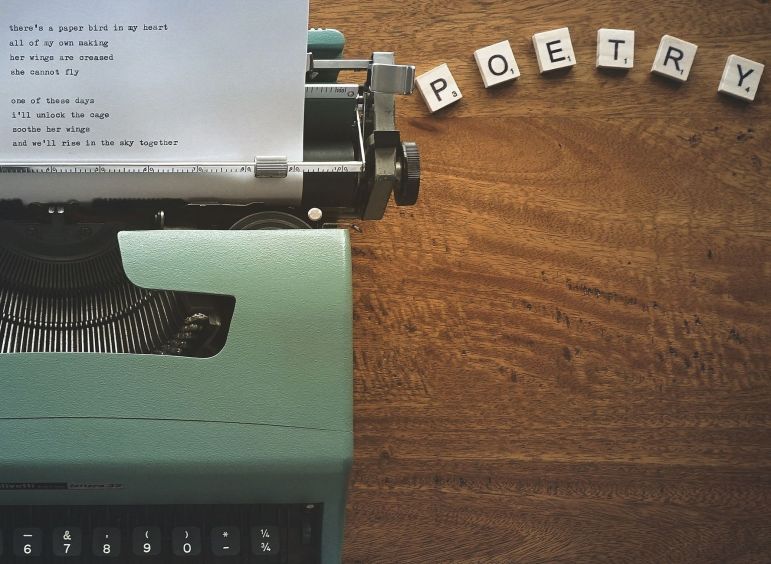
It’s been a while since we dabbled in the lighter word count and heavier hand of poetry so I thought…why not start there? Especially since this is the first week of National Poetry Month.
(Hold on to your asses, she’s about to ADULT over here!)
Poetry used to be the sole conveyer of great stories, epic tales, and the meat and potatoes of religious creed. The first believed poem, author unknown, was called The Epic of Gilgamesh. Besides this epic, there was Rig Vedas of Hinduism, and The Song of The Harper from Egypt. Centuries before we first heard a Greek throw down an ode to an urn, people were writing poems.
Poetry was borne in the heart of burgeoning cultures and empires. As we move west across the world, we have The Iliad, Beowulf, 154 shout outs to Will Shakespeare’s best girl(s) (and possibly boys?), and eventually, on to the new world with works like The Song of Hiawatha.
From these epic and structured beginnings, poetry has evolved and moved, like a river around obstacles, constant but ever-changing. One of the reasons I love poetry is its ability to capture the heartbeat of time-periods through the use of its language and form, as well as the ideas that it holds.
Poetry records history. From the simplest nursery rhymes (“Mary, Mary Quite Contrary” was actually based on Queen Mary I, aka Bloody Mary, who tortured and killed hundreds of protestants. Silver Bells and Cockle Shells aren’t perennials, they’re torture devices.) to Walt Whitman’s descriptions of the horror and decimation from America’s Civil War (“O Captain, My Captain” was written about the assassination of Lincoln just before the close of the ‘storm’ of war) poetry is a powerful conveyer of humankind’s journey through time.
Poetry connects. It’s visceral and often uncomfortable. It paints pictures with the deepest hues of language. Poetry is vital to song writing, memory retention, and a host of other deep-seated neural mechanisms humans use to survive. (the ABC song, “Thirty days hath September…”, “I before E except after C–and about a dozen other exceptions because the English language is a bastardized torture device for anyone learning it”)
So how do you write a poem?
Well, that’s the beautiful thing. We are no longer shackled to the 15 line iambic pentameter, nor are we beholden to ends that rhyme. Poetry can be written in just about any form you can conceive. You can write it, you can rap it (rap=rhythm and poetry), you can sing it, you can paint it across a street in bold letters. There are no rules but one.
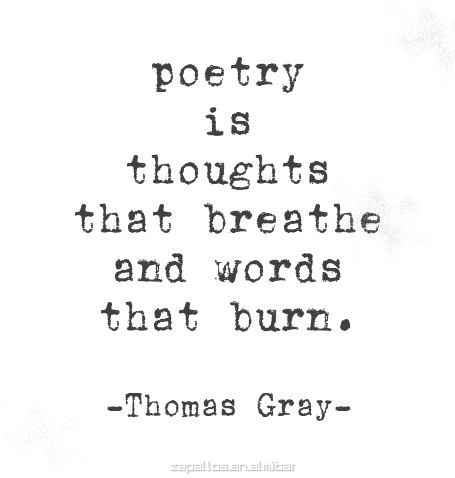
Poetry should be true to your soul.
It should never be half-way. It should fling open the shutters of your close-held heart and expose it to the light. Poetry should reflect the thoughts and the feelings, the commiseration and worry, the anger and peace, the joy or the sadness that fills your head and your community. The simplicity of a world rarely observed in detail. The shadows of what lingers in the memory of scents and phrases. The ignored, buried, and burned histories of forgotten and enslaved peoples.
When I think of poetry, I think of catharsis and a means to work through big and hard emotions (a girl’s favorite kind?) I think of finding meaning and perspective, shrinking down the large imposing impossibilities to moments I can do something with. To feelings I can direct towards change. I think of telling the truth, especially when it’s hard. I think of informing the world of a voice and perspective that once was silenced.
To write a poem is to be truthful about what hurts most in that moment. And what survives through the grit of human spirit.
I’m sure you can guess this week’s exercise. Write some poetry. In any form you want. Send it to me, let me know if you want it to have a little spot here on The Beautiful Stuff, or if you rather just share it with another soul. I don’t have a preference for form or length. Just get to the darkness, poke around in there, tickle the tender underbelly of what drives your biggest emotions and tug it out into the light.
If you’re looking for a group to join and a community to support you through the month with a light-hearted challenge, check out Writing Heights Writers Association Poetry Challenge (30 prompts, 30 days, Discord server check in, and a month free membership with WHWA: email newsletter@writingheights.com for more info, it’s okay to get a late start)
The week has been a full one with meetings and interviews, all manner of busy-making to keep myself…accountable? Distracted? In a false sense of purpose? Sometimes, in eras of encroaching depression, I find that making myself go through the motions is akin to treading water in the middle of the ocean. I’m not really getting anywhere, but I’m not sinking under either. All that to say, here’s some poetry. About quietness. And how loud it really can be.
In Quiet
the world is less complicated without the obligation of you
it is simple now in droning waves of sunshine and isn't that better?
no need to perk my ears to your words
no longer worrying my lips over where yours are residing
life is simpler here it's quiet like a ragged street in a forgotten city
trash caught in dead weeds and chainlink
its quiet like burnt olive carpet in funeral homes
ghosts of lilies blooming to fade in grief it's quiet
like a room with no children and a meadow with no breeze
silent like a catacomb stale and cold communion with death
I was trying to think up a topic today, within the sphere of writing, that might be new and interesting. It was then that I realized I like to fall back on my favorites. Character writing, dynamics of character interactions, emotion on the page, building tension. Or perhaps turn the microscope on myself and talk about burn out and creativity, progress without production, heart without hustle. But I feel a little bored with those topics and if you read my blog enough, you’ve probably read more than you wanted to.
So what do you write about when you’re toolkit feels a little… empty?
Well, maybe just that. I’ve long been at war with myself over the worthiness of a higher degree in the Literary Arts. Let me preface by saying in no uncertain terms: Every Degree You Get is Meaningful. Education is never a waste. And time spent learning and perfecting your art and voice and style is a worthy pursuit. But I have to add, that economically speaking, it doesn’t always give you an advantage. And…if you are at an economic disadvantage due to student loans, it can be harder to pursue a writing career.
So, what does a financially unstable writer do, when faced with the knowledge that she could certainly use a little more education and a freshening up of her skillset? Well, honestly, I could just rest on my laurels. I’ve published books and had work in different literary magazines. I’ve won some awards. I could argue I know enough.
But that would be short sighted and frankly pretty fucking egotistical. I don’t know everything. I could know more. I could experiment more. I could find a new mountain to climb, and shouldn’t we all? After all, what are we doing with this life if not learning? So, I’ll be looking for some affordable alternatives and, for any other writer who might be, like me, looking for a new challenge in their skills department, share some interesting options from down below.
Research new or unknown forms of poetry. This is my new favorite. I’m working on pantoums and cinquinta, and all kinds of weird little funness
Try an online course like MasterClass or a YouTube channel: Currently I’m taking Aaron Sorkin’s Screenwriting, and Roxanne Gay’s Writing for Social Change
Take a class or invest in a book, outside of your genre: I’m currently reading both a Screenplay book, and one called “Howdunit” all about how crimes are committed and solved.
Consider switching over to Fiction or Non-Fiction: whichever you don’t normally do
Attend a conference or workshop in your area: Despite the recent hubbub, (and it’s not in my area) I will be attending AWP with the hopes of taking some classes that can broaden both my poetic skill and my writing organization’s offerings.
Well, I hope those ideas have given you a little goose to the behind to get started on reclaiming your lifelong love of learning (or inspiring one if you lacked it).