Drunk and In Charge of A Bicycle (or How We Should Be Approaching Life in Difficult Times)

Before anyone gets their knickers in a quandary… (see, fancy words are still running over from last week)…I am not, nor have a I ever been (well maybe once but it was completely unintentional and never repeated), drunk and in charge of a bicycle.

Bradbury_2240962b

That line actually comes from an Irish Police report retold by Ray Bradbury in his book, “Zen in the Art of Writing”. Bradbury was talking about the way we approach storytelling and writing, and that is: drunk with life and not knowing where off to next. Such a trip, he wrote, is one half terror and exactly one half exhilaration.

So many schools of thought exist on how best to write your novel or short story. Plan it out, with all of the beautiful arcs, subplots, crises and climaxes, and scientifically bring it home with a satisfying resolution.

Or just write it, in wobbling paces of exhilaration and stumbling wrecks of metal and wheels.

One brings about better structure and fewer injuries…er…plot holes. It also makes the revision process shorter.

The other burns with uninhibited joy and rides the coaster of character dilemmas into the natural hills and valleys of human failure. It is organic and creative, and often a bitch to edit.

I tend to believe that not every writer is always one or the other. Usually, it is a balance between the two…much like riding a bike. The drunk part comes in when we let go of the inhibitions that close down creativity, and/or let our work be curtailed by criticism. Self or otherwise.

This is a time of both terror and not knowing what will come next. A less playful and lighthearted scenario than Bradbury probably meant.

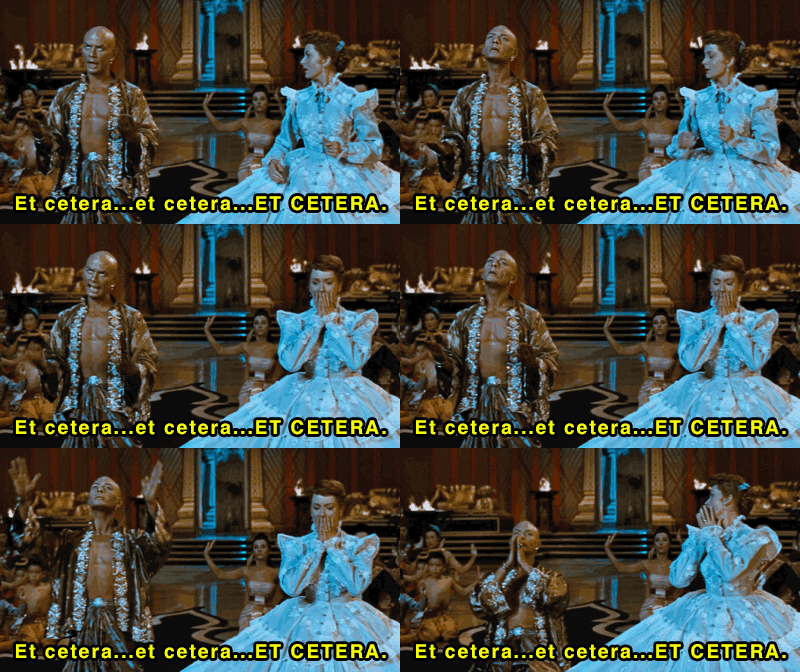
All around us, voices are shouting and arguing. Outside there is a divisive and angry cloud, smothering the world. We are beset from all sides with advice about what we should do, should be doing, should have, should not have, what to feel guilty about, what to embrace…etcetera, etcetera, etcetera.
etc
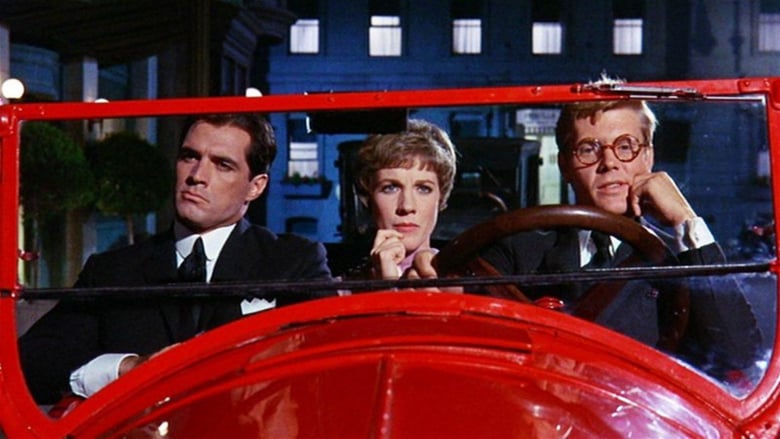
Come on…”The King and I”? This is classic stuff! Yule Brenner! Somebody better be impressed.

We run the risk of letting all of these limitations and confusing ‘advice’ smother the bumbling beauty of writing the stories and characters that intrigue and bring us joy.

It doesn’t all have to be hard-hitting commentary. Let’s face it, we’re in the midst of the second novel, of a three part dystopian novel already. And if we know anything from those story lines, it’s that the true worth of the human race is often preserved in the beauty and art we are capable of.

Writing, drunk in love with the art, is Katniss putting flowers on Rue’s grave, and Peeta painting sunsets while other tributes throw spears around him. It’s Tris not choosing any one trait to define her, but embracing the balance of being a little bit of everything.


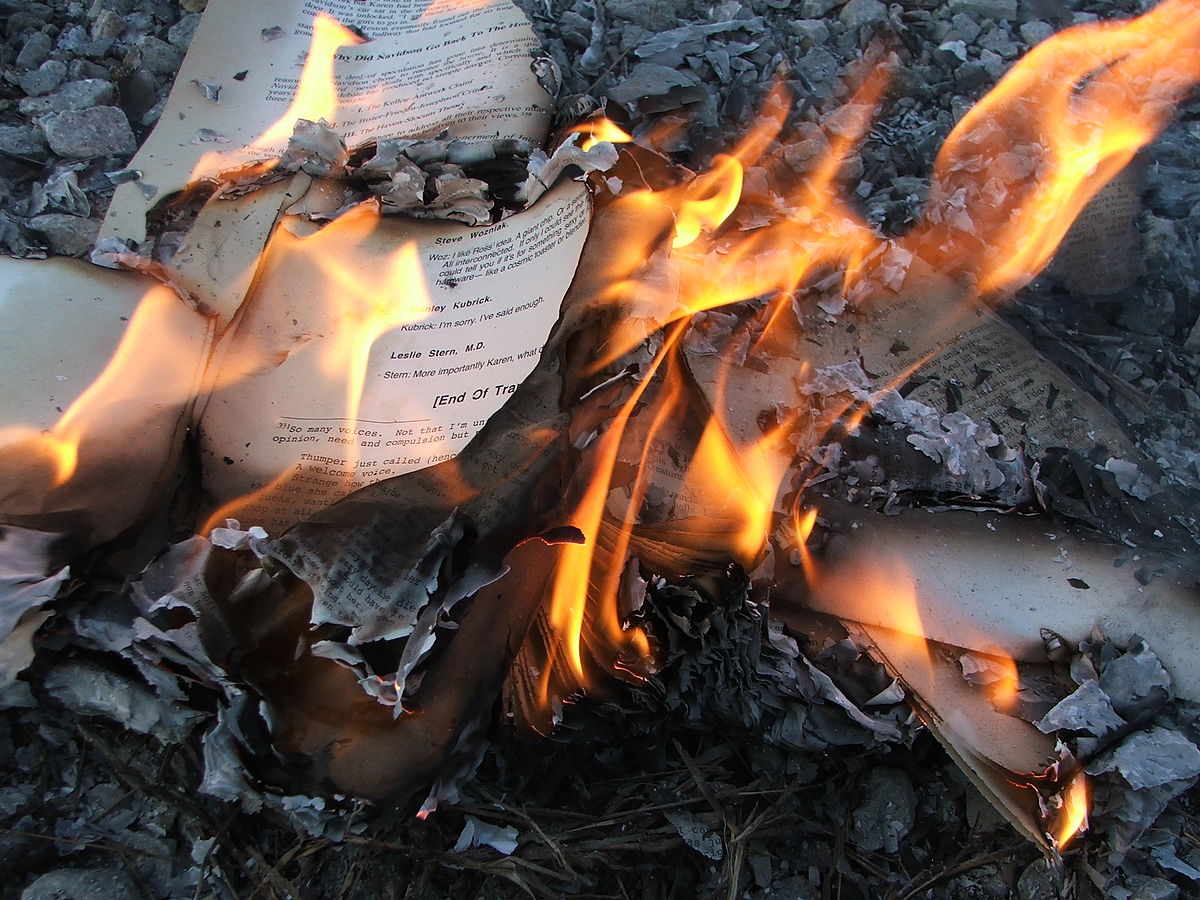
It’s in the saving of books instead burning them.book burning
So, the exercise is simple.

Write.

This week write. Something beautiful. Something true. Fly by the seat of your pants and damn the torpedos (yeah, I mixed my metaphors, what of it?)

Find a reason to fall back in love with your art, your characters, your world. Find a reason for us to go on. Shut the door and unplug the news, and try embracing something other than the fear and hatred that have become our everyday.

What will save the human race will be the dreamers who live, half in terror, half in exhilaration, and not knowing, exactly where we’re off to next, but knowing its beauty is only limited by our imaginations.

That takes the kind of courage rarely seen in the world today.
Word of the Month: Ideopraxist

Hello gentle readers, writers, and aficionados of a strange and lovely vocabulary (much respect to my fellow sapiosexuals out there–that’s a word for a different blog I suppose), ahem…sorry, where was I? Ah, yes. Ideopraxist. Honestly, I just fanned through the pages and landed in the id-im page and I was torn between this lovely word and “imbrute”. Since this one came first, and it also carries a bit more positive connotations, I thought I’d run with it.

Ideopraxist: One who is impelled to action by an idea; one who works to bring an idea to fruition in reality. (from Dictionary of the Strange, Curious & Lovely, by Robin Devoe)

Listen, Merriam Webster didn’t have this listed, which made me have to dig a little bit for more information. The British dictionaries seem to agree to this definition, in that it is a person who is moved to bring an idea into action. It originated sometime in the 1830’s and was first used by Thomas Carlyle a Scottish essayist, philosopher, writer and mathematician (he apparently invented the Carlyle circle: I’m not going to bore you with the rabbit hole I fell into about circles and quadratic equations and some of his more fascists leanings? We’re gonna stray away from that and focus on the word).

To be impelled to action by an idea. To bring an idea to fruition in reality. A more perfect word for dreamers, creators, writers, and artists may not exist. But it is also a most tortuous word. For I’ve yet to meet a writer who didn’t struggle with how to bring their ideas into the world the same way they appear in our minds. I have yet to find a photographer, painter, actor who got the first shot, stroke, or line exactly right. We are both ideopraxists and idiots. (I don’t mean that really, I mean it through the lens of frustration with which our brains and abilities allow, or don’t, an accurate accounting of what we’re thinking and seeing inside of our minds.) As Steven King once said:

“The most important things are the hardest to say. They are the things you get ashamed of, because words diminish them — words shrink things that seemed limitless when they were in your head to no more than living size when they’re brought out.”

We are in constant process of trying to bring ideas into the world. We are so driven by an idea that we are impassioned to act because of it. This a beautiful, and terrible, human concept. Driven by our ideas. Ideas that can be both, ingenious and amazing, and also terrible and hurtful. Like when someone has an idea to draft a Declaration of Independence. Or when someone else has an idea to start a needless war. Ideas are power. (In my case, ideas are mostly just half-assed sentences scribbled in the margins of the morning paper; “what if a lovable group of elderly mystery book club members used all of their knowledge of poisons to do something swift, and undetectable about the presidential cabinet?” *disclaimer to any CIA/FBI/Secret Service member reading this, I write fiction and really, even if I didn’t, would you be THAT mad?)

With all of the millions of ideas sprouting up out of each our billions of little heads, the world is a vibrant and deadly garden of thought. Luckily (or not) not every thought gets acted upon. Not every idea flourishes. Not every plan, goes to plan. So how do we know which ones to let go, like dandelion fluff in the wind (*see secret service guy, I’m harmless, and flighty, just waxing poetic about dandelions) and which to carefully plant, water, tend to, and birth (ew?) into creation?

I can’t tell you that (not because like my new bestie at the FBI, I’d have to kill you). But I think it is safe to say that when an idea hits, whether as a whisper, or a like the butt of a Glock 9mm to the temple (standard issue for the FBI) there is a knowing that threads out tendrils into the other parts of our brain. It feels like a tickle at first, you think of the idea, or read something that sparks it, and instead of it floating past, your little soggy, electrified, clump of raw bacon starts to form small connections. Starts to wonder, starts to contemplate…

…Where would these little old ladies meet? How could they possibly agree to this (How could they NOT)? How would they do it without being detected? Does the White House accept baked goods?…how do they get caught? Do they get caught? How can they get over the fence with bum hips?…

Pretty soon, other parts of the brain start to fire.

…Beatrice is five foot two but she was a gymnast in her younger days, she’s kept spry with Tai Chi and regular chiropractic visits. Loraine used to work as a cyber security analyst until AI took her job and forced her to retire early. Janice, who’s lost three fingers in combat doesn’t give a fuck anymore and she can make a mean Kentucky Bourbon Cake…

Suddenly you’re hearing them speak, conversations running through your head…scenes that play out like a movie, hilarious and heart warming. And frankly kind of scary in the cool way that makes you remember you can’t mess with grandma or you’ll get a wooden spoon to the back of the head. Long ways if she doesn’t like you.

Some ideas are silly and fantastical and are fun to write. Some ideas are scarier to think about (forming a peaceful protest against a combative government). But all of the ideas that settle into our brains and tug at our core values to do something, will help to drive us into action. Writing that next story, painting that next canvas, drafting that next bill to put before congress, or leading the next revolution…they’re all actions of bravery that are inevitable for each and every human who contains the spark of idea.

I wish you a creative week. I wish you forward action on something that drives you. I wish you safety and courage. I gotta go, there’s a knock at the door. It sounds official…

Poetry 6-25-2026

This was one of the poems that I wrote in April, during the Poetry Month Spree for Writing Heights. I produced a lot of interesting stuff that month (as one does) and I love that the space between writing the poem and going back through the deluge offers so much more reflection and perspective.

Anyway, here’s poetry.

Photo by David Bartus on Pexels.com
Mantra

I meditate, every day
growing comfortable
with the sound of my own ocean
ebbing and flowing
laid down
like sedimentary thought

all the things I know I should think
should say
the mantras
like so many layers of gauze
over open wounds

you're okay, you're okay, you're okay

breath in, breath out, hold

I am here, I am here, I am here,


as anchors to the ocean floor

I will not leave you
I promise my younger self
that blue-eyed child
her heart unbroken by others just yet

but I did leave me

to the wolves of heartless men
to the neglect of depressed parents
to the anxieties of her children

I left me to suffer, to be wounded,
to die
over and over again

like breathing in, breathing out

I whisper over my teeth

I love you

not knowing what it really means

I love all of you,

I try to fathom
the darkness my voice echoes back

especially the darkness...

heart beat
breathe in
hold
empty lungs
and pretend this is how
it feels to drown
especially in the darkness

love the darkness
especially the darkness

It will not leave you

it loves you

all of you


Newsletter June-July

Hey kids,

It’s that extra special time of the month….no, not that one. The other thing… Where I tell you all of the fantastically boring things happening in my life, and see if there’s a chance you want to join in. Let’s not waste time, I know we’re all excited (she said with a sarcastic shrug).

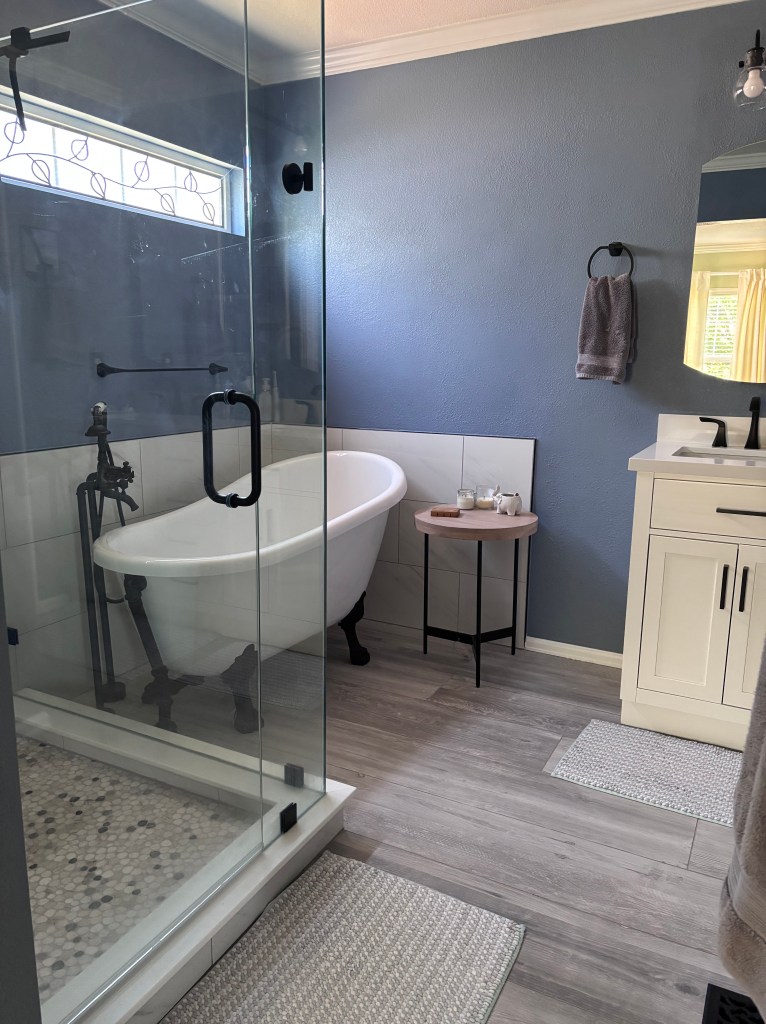
In, non-writing related news, the bathroom is done y’all. It’s pretty nice. Though the tub is tiny, and the toilet seat fell off last night. It’s mostly functioning. Here’s a little gander:

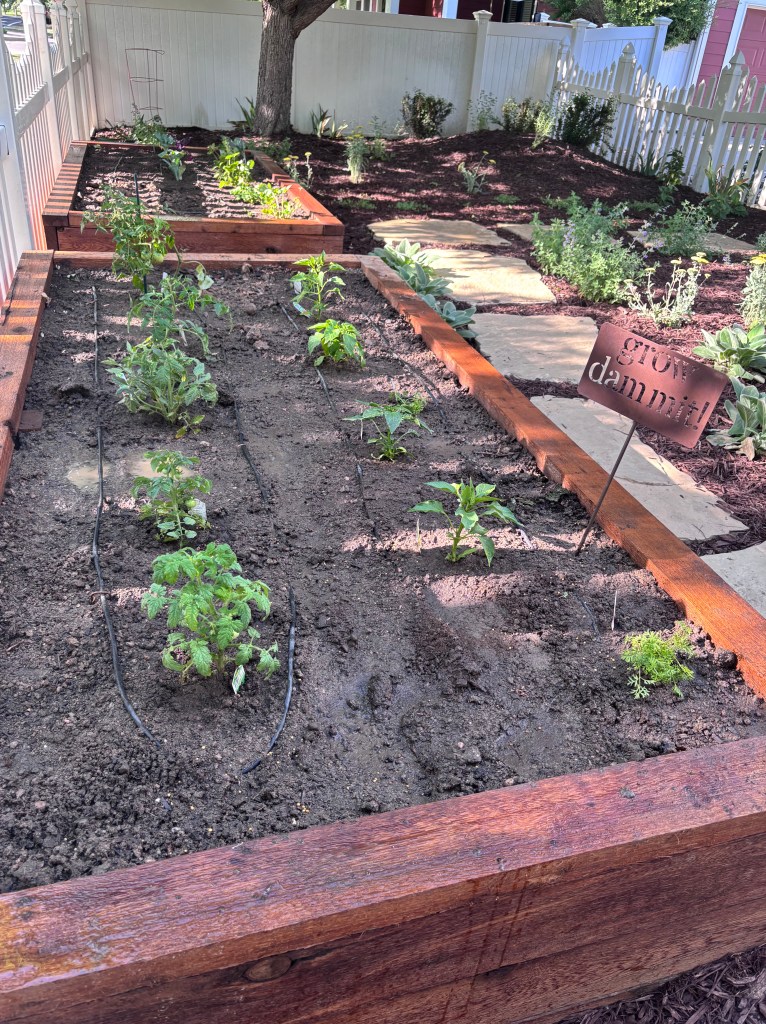
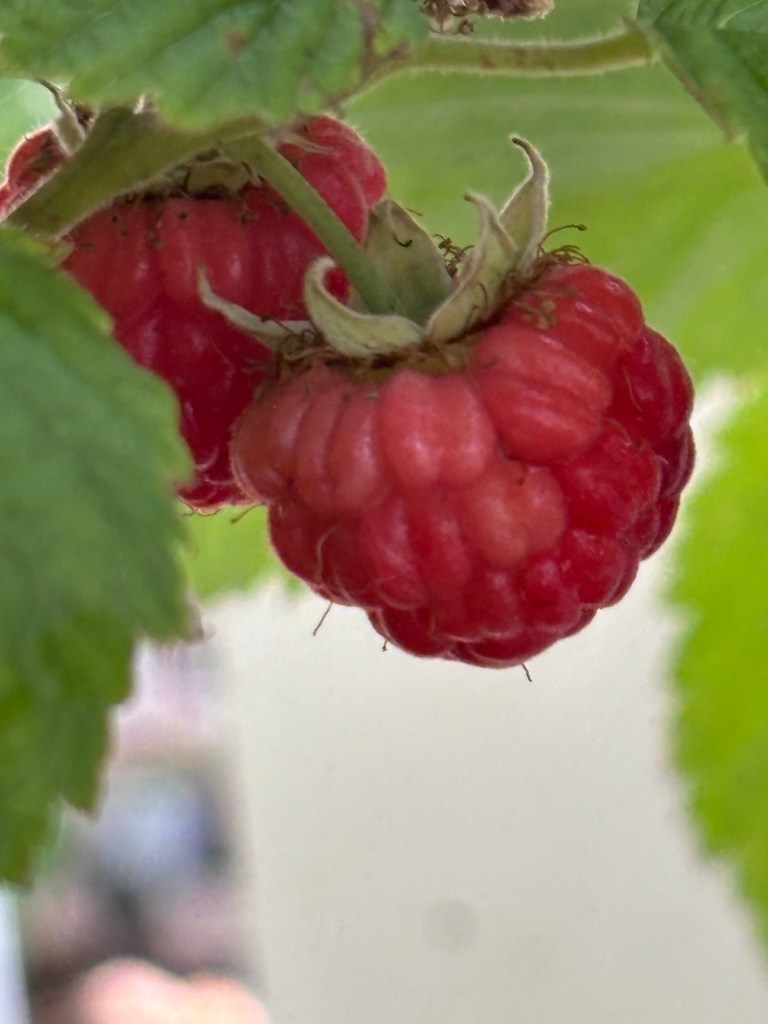
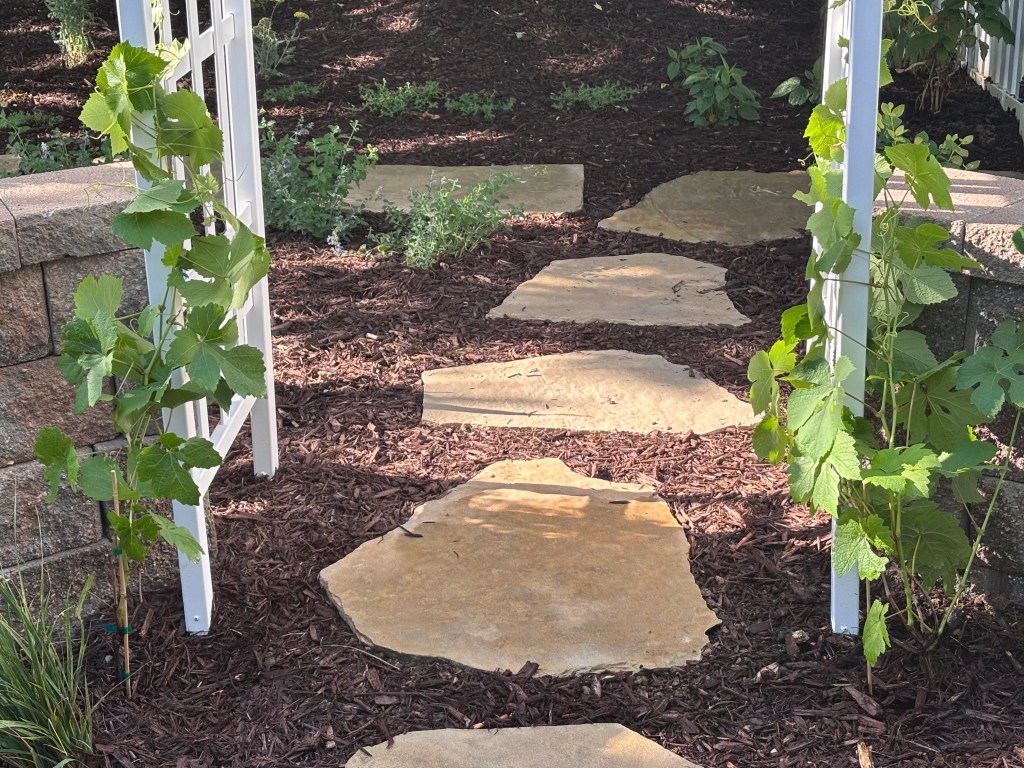
What else? The xeriscaping is complete and we’ve got a few new garden beds planted. I’m not sure how much of it will survive, but I’m crossing my fingers and hopeful. The idea is that if we can grow a few things, we’ll have to buy a little less. My oldest has been reading “Braiding Sweetgrass” and so we have a whole box devoted to the three sisters. I’m excited to see how it all turns out. Also, some berry bushes and a poor decision of climbing grapes for the trellis. I don’t know shit about grapes. Especially in Colorado, but *shrugs, let’s giver a go.

Their names are Geoff and Gerald.

So…all in all…it is less chaos, and that’s something good for a change.

Reading:

In reading news, I’m still reading “Night Vision: Seeing Ourselves Through Dark Moods” by Mariana Alessandri, and enjoying it. I’ve finished Chuck Wendig’s “The Book of Accidents”. It was a wild ride and I keep having thoughts about doors and making ways into other dimensions. Check it out. I’m also finished with “Walking the Invisible: Following the Bronte’s Footsteps.” by Michael Stewart. It was such a lovely book, interweaving the historical record, with literary insights, tied to the land they lived and walked through. It also was charming in the way Stewart made the journey personal and whimsical. (Personal favorite was using “Steven Kinged” as a verb)

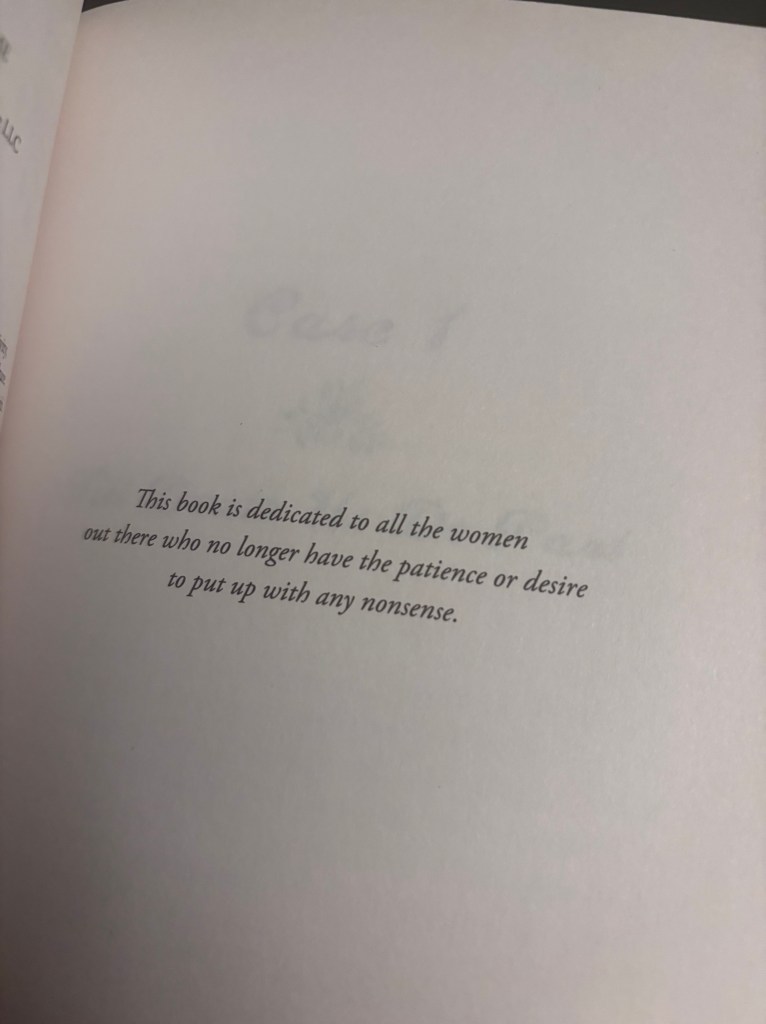
Next, I think I’ll be reading “The Benevolent Society of Ill-Mannered Ladies by Allison Goodman. You have to love a dedication that begins this way:

Writing and Editing:

I’ve picked out the cover for “Heir to Time” and the release date is set for August 11th! I’ll try to work up some fun cover reveals. My problem, I’ve realized is that by the time I get done promoting and managing Writing Heights, I have very little drive to promote my personal stuff. But… I’ll work on it because I’m really excited to get this series out in total. I’ll let you know about book signings that will be coming up.

I’ve finished my first round of edits from the publisher on the 5 Prince Publishing’s first shared-town anthology novella. My little derelict of a Hallmark failure is currently doing okay, with only some minor consistency checks to make and solidifying ideas of faith. If I can do that for Isaac Engel, you think I could do it for myself *shrugs again (my god she’s shruggy today). I’ll be offering a spicy, annexed chapter from Eight Nights in Everpine, on my Substack. Follow me for more details on that.

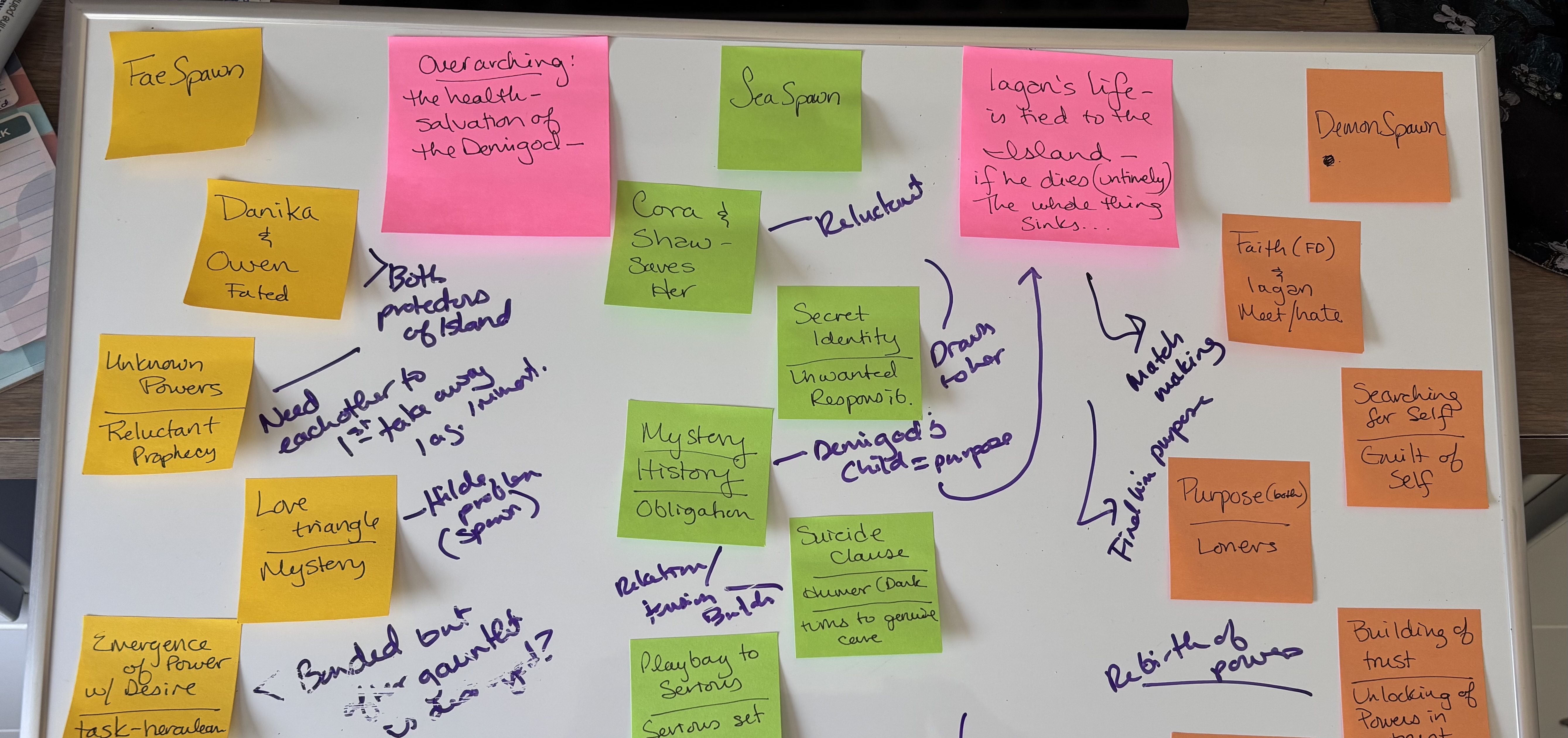
My mythology based, contemporary fantasy, set in the Ornkey Islands north of Scotland and south of Scandinavia is on the post-it board, and I’m trying to make sure I do a better job of writing the last as good as the first. If you like demons and fairies, Valkyries and björns, witches and merfolk… you’re gonna love this one. I already do.

some of the board was cut off to preserve surprises

In addition, I’m playing around with a little apocalyptic satire that sprung up whilst I was sitting in a green park near Leeds Beckett, thinking about the formidable knowledge of birds and the equally crippling idiocy of humans. I’m not sure it will go anywhere, but it sure is fun to write in a different genre and style. So far I have four main characters that are all a little neurotic in some way, and for some reason have been deemed worthy enough to be saved from certain disaster.

I’m keeping up with my submissions, but missed last week because I honestly just completely forgot to do it. Maybe two this week? Maybe I’ll give myself grace, who knows? *again shrugs

Events

Wyoming Writers Conference:

I survived it. I met a lot of great people. I had a weird, and kind of intense existential crisis. I bought some books. I sold a few (AND kudos to Wyoming because I sold more of my Male-Male romance there then I have anywhere else). I won first place for Adult Fiction (Short Story) and Flash Fiction, which was a pleasant surprise. I’m still on the board for next year, as it’s a two-year term. But now that I know how it goes, hopefully I’ll get through it a little smoother with less crying in my hotel room.

Quid Novi Presentation.

In June (30th at 5:30pm), I’ll be presenting for Quid Novi and Writing Heights on the best ways to utilize a writing community, how to find them, what to expect, and how to get the most out of them. We’ll discuss how they can help not just network as a little-known writer, but also give you valuable insights to every part of the process. It takes place in Loveland at the Forge (next to Grimm Brothers Brewery) and there will be authors there selling their books as well. You can register for that here. Quid Novi

July Class on The Feminine Divine:

In July, I’ll be teaching a class for The Pause, a cool writing group devoted to mid-life women. The class will center on exploring the power of the Feminine Divine and the innate knowledge of body to explore expression. Its a topic I think about a lot, especially in a patriarchy where so much of what we ‘know’ is beaten down or ignored. And how so much of that knowledge would have actually saved the human race a heapful of grief, suffering and death. Anyway, we’ll be exploring how to tap into that, how to trust ourselves, and how to use what we know to help others. Here’s more about that organization: The Pause Writers

Closing:

A lot of things have come up, washed over, and receded in my life this last month. I’ve had some wounds on my old heart reopened, and it revealed a lot about the darkness of loss I’d been burying under obligation and to-do lists. (Thus the nearly-self harm crisis) I’ve had to think about what’s good for me and what I do simply because I want to please others. It’s made me think of all the things I do out of obligation, but not out of joy or love. And that’s a hard place to find yourself. I feel like I’m carrying a lot of big questions on my shoulders lately, about where to go, how to proceed, and what I know I need to give up. How to do that. How to let go. How to not worry about the disappointments of others in the face of my own spiraling mental health. It’s a lot. It always has been. But I guess seeing it and acknowledging that something needs to be done is one step closer to cleaning out those wounds, yes? (*adds shrug here).

I hope you’re taking time off to rest and be beautifully bored this summer. I’ll try to find a couple of those moments myself.

Take care of yourselves. Take care of each other.

A Word (or Several) About Writing Conferences

Photo by Pixabay on Pexels.com
I’m not going to lie, I’ve been a busy bee of late, and I’ve got plenty on my plate to make me feel justified when I rehash an old blog, especially if it still fits with what I’d like to talk about.

This, being May and smack dab in the middle of the Writing Conference Season (I’m not sure if that should be a capitalized title, but it seems like an event so…I’m going with it) I thought it would useful to budding writers out there to go over some conference basics as well as some advice that has really helped me get the most out of them. This also being a totally new era, I’ve added some modifications to reflect our new Zoom/Teams lifestyles (not NEARLY as cool as a Rock n’ Roll lifestyle).

So, let’s get into the meaty goodness of writer’s conferences and why you should strive to attend at least one a year.


How do you choose which one to attend?

• Firstly, most conferences, at least since the pandemic, have had to switch to some type of online format or perhaps online-in person hybrid to make accommodations for safety. So, the good news is, you may not have to shell out so much for travel expenses as they can be taken from the comfort of your home. Bad news is that you’ll still be at home and all the challenges that can go along with it. I’ll touch more on that later on.

• If you are anything like me, you’re wealthy in creativity but strapped for cash. One of the biggest deciding factors, for me, is the cost of the conference, along with which classes, speakers, and agents will be there. Getting to pitch to an agent, or multiple agents for publishers specific to your genre is a boon. Classes that are not just interesting but will help expand your craft are also good factors to consider.

• Some conferences are genre specific and if you are a comfort-hugging archetype who doesn’t flirt around outside your style and subject matter, then definitely consider something specifically geared to your genre. The Romance Writers of America used to host in fun and far-off lands like…San Diego and…New York City…*le sigh* Genre specific conferences are awesome if you’re looking to polish skills or start out in a new genre that you don’t normally write in. Don’t be afraid to flirt a bit (outside of your genre, that is *wink)

• If you’re stuck deciding between two, look at the courses offered, the speakers presenting, and if they are offering pitch sessions, especially agents suited to your work. Pick the one that gives you the most opportunity for growth and stretches your creative and ambitious goals.

How do I get the most out of my conference?

• Here’s what I’ve learned. Plan ahead but be flexible.

Conferences don’t just start the minute you pin that snazzy name badge on your seldom-used dress clothes (or, via online conferences, log in with only dress clothes on your upper half). They start the year before, during writing when you self-reflect on the issues you have with your WIP, your style, your grammar, or even the steps you want to take next. If you have trouble with dialogue but are a whiz at plotting out the perfect story arc, then use your conference to build up your weak points. Even if it means stepping out of your comfort zone. Which leads me to my next point:

• Sit it on at least one session that is outside of your genre, comfort zone, or even interest.

Look, conferences can be amazing experiences but if you’ve been through sixteen hours of various takes on the query letter or trying to perfect your memoir pitches, you’re not growing as much as you could be. Why do athletes cross train? Why does an engineering major still have to take social science classes? Because learning about the realm outside yourself will make you better in all aspects of your work. Try a sci-fi world-building class or screenwriting. I guarantee, you will get something new out of it that will help your project and your craft.

• Push your limits.

Talk to people you wouldn’t normally, share your story, your success, and your pitfalls. This is an awesome opportunity (I’m talking to you little introvert) to commiserate, vent, and rejoice in the craft you love so much. Pitch your novel, article, or story. Talk to the larger-than-life keynote speaker (here’s a hint: every single one of them I’ve had the pleasure to meet has been the kindest, most down-to-Earth and supportive writer). Come away feeling like the weekend/day was an experience that has changed you in some fundamental way.

How do I not get overwhelmed?

• For goddess’ sake, take a break in the midst of it all. I’m the worst at this. I’m a classic victim of; “I paid the money and I’m going to hit every single class. I will volunteer, pitch, hit up the speakers at the dinner table, and stuff every bit of information into my head until explodes!” Then by day two, nothing makes sense in my mind, words are blurry, I’m not sure what my name is, and I’m crying into a self-made mashed-potato tower, while wearing Underoos on my head that clearly are not my own.

Take the breaks between sessions or even forgo a session and find a quiet corner or go for a walk outside. You need it to recharge, allow time to absorb the information and be refreshed for the next round. This is especially true for online conferences! Take the computer to different rooms (if they’re still quiet) or outside if available, take walks in between sessions, take eye and body breaks (look far off for a spell, or ‘rest’ your eyes away from the screen, get up and stretch as often as available). Its’ almost like interval training—the space between, the recovery is what sets you up for the next round, so take it.


• If you are pitching to an agent or editor, polish the shit out of that thing beforehand. Take your pitch to your critique group, your friends, random people on the street before the conference and learn how to deliver it with confidence and clarity. Know your story, your characters, and your plot, inside and out. That first page should sing the sweetest siren’s song anyone has ever heart and lure the tepid agent from the afternoon lunch lull into something exciting they want to read more of. The more you practice your pitch, the more it will feel like a conversation with a good friend instead of an interview.

• If you are pitching, don’t be intimidated by the agent or editor. Remember they are people. They are there, specifically, to talk to you. To hear your story. To find the next big thing. Most of them are also just like you…they may even be wearing Underoos and like mashed potatoes. The point is, it’s okay to be nervous, but don’t go in assuming they relish the idea of shooting you down. Be polite and always thank them for their time and any advice they have to give.

• Sleep before. Sleep after. Eat nutritious food, take walks outside whenever you can, and watch the caffeine and the booze. Free coffee stations are like crack for me (or conversely at home for online conferences—having my own espresso machine) and cash bars are a tempting mistress at the end of a long, people-filled day. But you’ll have things to do the next day and Underoos will stay safely tucked in if you can avoid that third cocktail.

To conclude, I’d like to share one of the best lessons I’ve learned from conferences.

For every conference I attend, I add a layer to the writer in me. That is to say, through the people I meet, the classes I take, and the lectures I attend, I learn more about the craft. How, and when, and why, and what and all the technical attributes that come along with the delicate balance of creativity and grammatical science. But more than just the sum of these limitless parts, I learn a greater whole.

The whole that is me as a writer.

And in doing so, I’ve learned how to enjoy myself more at these kinds of functions by listening to my body, my brain, and my growing years of experience.

Back in the day, I would be hand-cramping from the steady stream of notes at each session. I would be tumbling from one to the next, chugging down coffee between in hopes to keep my energy up so I wouldn’t miss a thing. I would strategically place myself at the agent’s table who I wanted to garner the literary affections of. I would, in essence, be the adult version of my grade-school brown-nosing self.

Something happened one year, while at the meet and greet “networking” event. I found myself long past my emotional and mental boundary and crossing all lines of my introvert nature, to garner the attention of at least a few more experts in the field. I was mentally exhausted, untethered and I felt like I was on emotionally shaky ground. I realized after a long day of learning and being ‘on’ that I didn’t want to be there.

I didn’t understand my limits or that honoring them was at the core to being successful at a conference (and let’s face it, in life)

I thought I could talk it all day, learn it all day, do it all day. Nerding on a pro-level is a quintessential part of who I am. I loved hearing about other projects much more than I like talking about my own and reveled in the creativity and ingenuity of my fellow conference goers.

But…the more stories I heard, the more classes I took, the more advice I tried to apply—the less sure I became of my ability. The more tired I got, the more flustered I became, the wearier my mind, the less information I could process.

Until everything was just noise and words.

Then I learned a secret.

You don’t have to throw yourself under a bus to catch it.

Knowing your limits is not just useful in this particular scene. Knowing your limits is useful for all humans. And it comes with age and the ability to let go of unrealistic expectations.

During a few of my sessions, even as I listened to the speaker, I listened to myself. If I was inspired to write; I let myself write.

If the iron was hot, I struck while in the moment, abandoning the mad scribble of notes.

Did I miss a little of the presentations? Sure, but in the midst of other brilliant minds and the energy they impart, in the middle of shutting out the rest of the world, the heart and brain start to do this funny little dance and learn to play again.

Inspiration doesn’t always happen at the opportune times. You have to write when the words are ready and when the heart is open. Conferences have given my heart a doorway, an acceptance into writing what often builds up behind all my carefully constructed walls.

In years past, I’ve forced myself to jump the hurdles of social interaction and witty conversation until late hours, when all I really wanted was to wander off to a quiet room and take a nap.

I had to make it OK for myself to listen to that want, in order to get the most out of my time at conferences. These events open pathways, but only when we’re not too busy to see them. If we are embroiled in getting the most out of every single planned moment of the time, then we may miss the real lesson.

Creativity is like a river and if you fully submerged you’ll easily drown. You’ll miss the beauty of the ride, the view, and the sounds.

So, know yourself, Writer. Do the things that you know work for you. Let the river of creativity, carry you, but always leave yourself plenty of breathing room to be inspired.


Mumpsimus: A Closer Look

When thinking of what to write this week, I waffled between poetry and writing advice, or perhaps I could delve into philosophy. The possibilities were really endless. But then I thought, why not simplify it. Down to a word. So kids, today we’re going to learn a new word (well it was new to me, I hope its new to you) and really think about its meaning and how we can use it.

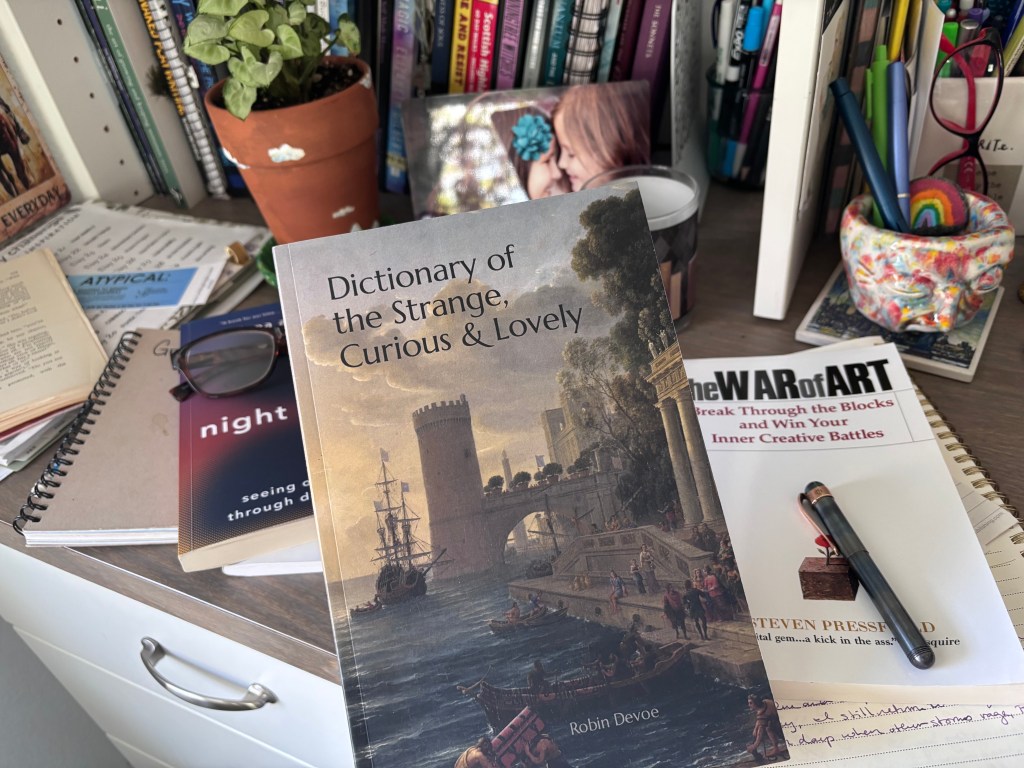
From this lovely book, I opened a random page and picked the first word my eyes landed on. (P.S. if you’re a poet, writer, or just a vocabulary aficionado please check it out: Dictionary of the Strange, Curious & Lovely)

yes, my desk really is this chaotic most of the time

Mumpsimus: A view stubbornly clung to even after shown to be wrong; one holding such a view; [from a historical blunder for Latin sumpsimus (we have received)]

I thought this was such a timely word and something that seems incredibly relevant today. But let’s break it down a little.

This word first appeared around 1520-30 when a Catholic priest accidentally used mumpsimus instead of sumpsimus (to take) and refused to admit his mistake and change the word when confronted with the correct one. This process of near-homophony has other literary variants, from mondegreen to malapropism (you’ve probably heard that one before), and earslip. But the key to this is the refusal to admit to the mistake when confronted with the correct use.

I can’t be the only one who has known a person who has done this. Made a mistake and rather than correcting themselves when prompted, did not want to risk his fragile ego. As a result the word or action becomes commonplace, although wrong and misused. All because he could not own to the mistake and correct himself. It has been a common practice in my black belt training, when a higher-ego mistakes a technique and rather than correcting himself, changes the entire technique and makes everyone relearn it to the ‘corrected’ version simply because saying “You’re right, sorry, I messed up” would, I assume he thinks, make him look stupid, rather than human.

On a grander scale, the idea of recognizing and admitting a mistake from our public officials and those launching into a useless war, practice this on the daily. Misconstruing mistakes into ‘new truths’ that, they believe, if are offered repeatedly (and loudly) will become actual truths. It’s the job of a well-informed, well-read society to catch these mistakes and make them known. If nothing else, to not adopt the false truths, just because some guy at a pulpit or podium proclaims them to be true. Keep practicing the correct technique to make sure you don’t skew or ruin the concept beneath it. You don’t want your truths or your techniques to not work when they are most needed, after all.

This word, mumpsimus, can also be applied to accepted beliefs or views that are proven wrong by scientific, socially studied, and tested facts. The world was once believed to be flat. This was proven to not be true by centuries of studies and scientific testing. To continue to believe the world is flat, because someone on a podcast theorizes it, is a mumpimus belief. And it makes you look stupid. Because believing things that have been proved to be incorrect makes you stupid. Vaccines don’t work. Gayness can be prayed away. Women are naturally nurturing and weak. Men don’t cry. All of these erroneous concepts, I believe, are kept close to heart (but loud on social media posts) when people are afraid to admit that they have been wrong. They double down on their hatred and stupidity, hoping that the fervor in their convictions will somehow make them true.

But it doesn’t.

So, now you know. Mumpsimus. Don’t be one. Don’t have beliefs based on them. Call them out when you see them. And send me some of your favorite malapropisms.

Living in a State of Discomfort

I’ve been thinking a lot about pain lately. I fell, earlier this week. Hard. Like too hard for a 46 year old who already had problems with her lower back. Hard like my soul left my body for a few seconds and I had to reorient my brain to the five foot change in altitude I took within seconds. Like I immediately wondered if my dog would know to go home and get help or if she’d just cross the street to the goose-poop strewn park to get her fill of the foul treats. Like I knew my 10k race plans were blown to hell within seconds, after months of training.

I made it home. I iced my tailbone. I wrote the doctor to tell them I’d been an unusually brutal dumbass and should I be concerned. Not peeing blood and nothing was numb so… it was a wait and squirm day of trying to manage pain and try not to think too much about what this damage will feel like in the next twenty years. But being in pain, less now than yesterday has also made me think about discomfort. And how we, as humans, seem to do anything in the world we can to avoid it. We live in a culture that fears death and pain and hides from it. But it doesn’t stop us from experiencing it. It can be the loss of a loved one. It can be in the form of disappointment or rejection. It can simply be in the form of everything, in our lives and around us being subjected to inevitable change.

And my how things are changing these days, aren’t they? The advent of technology that is quickly superseding our ability to control it. Threats of nuclear and world wide warfare, on the daily. The rise and fall of our stock market, admittedly a irrational and imaginary play of numbers that dictates the cost of our continued living. Never knowing what next ridiculous, volatile, dementia-riddled thing will come out of his mouth next. Not knowing if our kid’s meningitis vaccine will be covered or trying to combine your pancreatic shadow MRI with your possible coccyx breakage scan so you won’t risk angering the insurance gods… We’re in a constant state of discomfort. And the prevailing consensus is this is not normal.

I had a lovely breakfast with one of my only favorite humans (one of maybe 7 in my life) and we could only shake our heads over greasy-spoon diner coffee at what the solution could be. What do we DO in these upheaved states of matter? What CAN we do? The answer was as nebulous and unshaped as the over-easy eggs on our plates. Where does an artist, a philosopher, an intellectual, an absurdist do when the world becomes a dark, stupid, unthoughtful, ridiculous mass of chaos? No one is listening. No one is reading. No one is thinking. That’s how we ended up here. No one was paying attention. They were face down in screens and algorithms, creating universes out of their own system-fed narcissistic tendencies to equate worth and purpose and meaning with views and likes… and the resulting discomfort begs for relief. For us to DO something.

So, what actions can we cling to, to not be lost in the madness ourselves? I could only offer the lame simplicity; we keep writing. We keep loving each other. We keep finding reasons to laugh. We keep telling our unread truths. We adopt street dogs and write bad poetry. We postulate dreams of buying a cabin in the woods and fly the bird at the world on our way out of society. But ultimately? We learn to sit in the discomfort, and rather than be embittered by it, let it make us softer. More artistic, more loving, more silly. We embrace fully the stupid human condition that is both finite and extinguishable. We embrace the mess we are. We embrace each other. Because what else can be done? The end will come, pain and discomfort will find us. We will lose the ones we love. We’ll be lost ourselves. Our words may never find pages or readers. Our thoughts might die on our aging laptops. But for now, in this breath, across this table, in this ever-present radiating pain from my backside, we’re alive. And being consciously alive, especially in pain and discomfort centers us in the beautiful now. That’s all we really have. Warts and all, the beautiful, irreplaceable now is an unprecedented cosmic accident that may never happen again.

So breathe it in. Have one more cup of coffee, and linger a little while. Be in the moment, with who you love. I can’t predict what the coming months will bring. But I do know, I have enough heart to live in all of its discomfort, and still embrace the wonder of it all.

The Beautiful Writers Workshop #23: “Snap To! Let’s Get Organized!”

Disappointed I can’t find an image of the scene when John Gavin shouts this line while fumbling with a live chicken and coming out of a tranquilized haze. Apparently, the internet DOES NOT have everything.

I’m not immune to the fact that this blog has tripped around in the dark a bit lately. Let’s be honest, all of us are probably tripping in the dark. We’re in unprecedented times, facing stresses and noise that we’ve never dealt with before. It’s easy, in the dissonance, to lose our path.

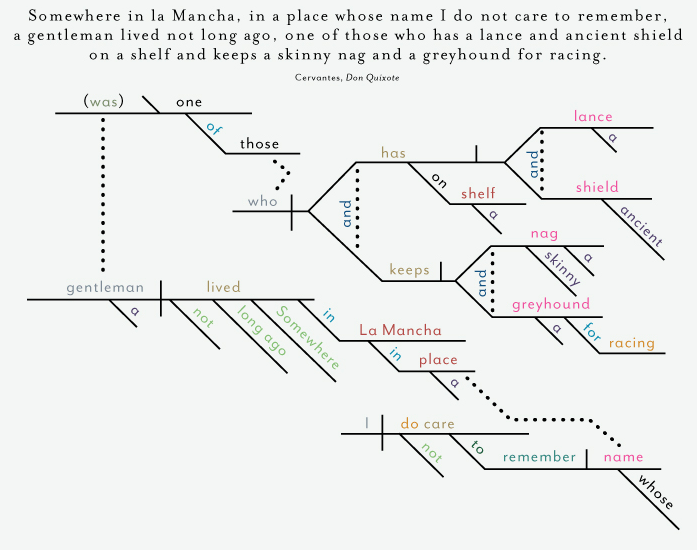
So for the next three to four months, the first week of the month, I’ll be getting organized and coming back to a series I ran a few years back called the Beautiful Writer’s Workshop. I’ll probably skip around a bit, everything from how to submit your work to how to organize your series. No, I’m not going to make you deconstruct your sentences into diagrams, circling your subject, double scoring your gerunds, slashing through your adverbs (or will I? Could be a fun practice in the lost art of sentence diagramming AND tortuous. I’m a girl who likes it a little rough).

For the love of all that is good and holy…

I’ll be re-blogging in line with issues I’m seeing my students face, and those I’m facing myself. For as many classes as I’ve taken on any number of writing related topics, I always seem to glean something new. Hopefully these little once-a-month writing lessons can help you too. If you have specific issue you’ve been fighting with, contact me and I’ll try to run a post about it.

That’s not to say I won’t occasionally throw in a “stop being assholes to each other” rant. I like to keep it exciting after all.

It’s been a while since we dabbled in the lighter word count and heavier hand of poetry so I thought…why not start there? Especially since this is the first week of National Poetry Month.

(Hold on to your asses, she’s about to ADULT over here!)

Poetry used to be the sole conveyer of great stories, epic tales, and the meat and potatoes of religious creed. The first believed poem, author unknown, was called The Epic of Gilgamesh. Besides this epic, there was Rig Vedas of Hinduism, and The Song of The Harper from Egypt. Centuries before we first heard a Greek throw down an ode to an urn, people were writing poems.

Poetry was borne in the heart of burgeoning cultures and empires. As we move west across the world, we have The Iliad, Beowulf, 154 shout outs to Will Shakespeare’s best girl(s) (and possibly boys?), and eventually, on to the new world with works like The Song of Hiawatha.

From these epic and structured beginnings, poetry has evolved and moved, like a river around obstacles, constant but ever-changing. One of the reasons I love poetry is its ability to capture the heartbeat of time-periods through the use of its language and form, as well as the ideas that it holds.

Poetry records history. From the simplest nursery rhymes (“Mary, Mary Quite Contrary” was actually based on Queen Mary I, aka Bloody Mary, who tortured and killed hundreds of protestants. Silver Bells and Cockle Shells aren’t perennials, they’re torture devices.) to Walt Whitman’s descriptions of the horror and decimation from America’s Civil War (“O Captain, My Captain” was written about the assassination of Lincoln just before the close of the ‘storm’ of war) poetry is a powerful conveyer of humankind’s journey through time.

Poetry connects. It’s visceral and often uncomfortable. It paints pictures with the deepest hues of language. Poetry is vital to song writing, memory retention, and a host of other deep-seated neural mechanisms humans use to survive. (the ABC song, “Thirty days hath September…”, “I before E except after C–and about a dozen other exceptions because the English language is a bastardized torture device for anyone learning it”)

So how do you write a poem?

Well, that’s the beautiful thing. We are no longer shackled to the 15 line iambic pentameter, nor are we beholden to ends that rhyme. Poetry can be written in just about any form you can conceive. You can write it, you can rap it (rap=rhythm and poetry), you can sing it, you can paint it across a street in bold letters. There are no rules but one.

Poetry should be true to your soul.

It should never be half-way. It should fling open the shutters of your close-held heart and expose it to the light. Poetry should reflect the thoughts and the feelings, the commiseration and worry, the anger and peace, the joy or the sadness that fills your head and your community. The simplicity of a world rarely observed in detail. The shadows of what lingers in the memory of scents and phrases. The ignored, buried, and burned histories of forgotten and enslaved peoples.

When I think of poetry, I think of catharsis and a means to work through big and hard emotions (a girl’s favorite kind?) I think of finding meaning and perspective, shrinking down the large imposing impossibilities to moments I can do something with. To feelings I can direct towards change. I think of telling the truth, especially when it’s hard. I think of informing the world of a voice and perspective that once was silenced.

To write a poem is to be truthful about what hurts most in that moment. And what survives through the grit of human spirit.

I’m sure you can guess this week’s exercise. Write some poetry. In any form you want. Send it to me, let me know if you want it to have a little spot here on The Beautiful Stuff, or if you rather just share it with another soul. I don’t have a preference for form or length. Just get to the darkness, poke around in there, tickle the tender underbelly of what drives your biggest emotions and tug it out into the light.

If you’re looking for a group to join and a community to support you through the month with a light-hearted challenge, check out Writing Heights Writers Association Poetry Challenge (30 prompts, 30 days, Discord server check in, and a month free membership with WHWA: email newsletter@writingheights.com for more info, it’s okay to get a late start)

Happy Writing.

Poetry 3/26/26

The week has been a full one with meetings and interviews, all manner of busy-making to keep myself…accountable? Distracted? In a false sense of purpose? Sometimes, in eras of encroaching depression, I find that making myself go through the motions is akin to treading water in the middle of the ocean. I’m not really getting anywhere, but I’m not sinking under either. All that to say, here’s some poetry. About quietness. And how loud it really can be.

In Quiet

the world is less complicated
without the obligation of you

it is simple now
in droning waves of sunshine and
isn't that better?

no need to perk my ears
to your words

no longer worrying my lips
over where yours are residing

life is simpler here
it's quiet like
a ragged street in a forgotten city

trash caught in dead weeds and
chainlink

its quiet like
burnt olive carpet in funeral homes

ghosts of lilies
blooming to fade in grief
it's quiet

like a room with no children
and a meadow with no breeze

silent like a catacomb
stale and cold communion with death

my world is less complicated
without you
in it

it's finally
oh so quiet

Newsletter March-April 2026

Hello readers and writers,

Welcome to my monthly update about what’s going on, what’s not, and how I’m navigating the current horrors. Surprise! There are a lot more horrors than last month. I’m really not sure how this current administration continually jumps the fucking shark every week, but… I guess when you lack morals and have the full use of 342 million people’s taxes, you can do some righteously awful fuckery. So here’s a couple of pictures that helped me remember that the world isn’t all ugly and it will be a lot more beautiful when we’re all gone, (crosses fingers for an asteroid). But first, the only thing more constant than the sun rising, is that if you open a cookie package within a mile of her, River will know and demand her rightful percentage.

Random Shit:

In, non-writing related news, I spent a little time in my old stomping grounds. Not my home-home, and not somewhere I think I still could live, but San Diego has always been a little part of me. Particularly OB, PB, and some of the more quieter shores. I’m a mountain girl at heart, but if I had to pick a close second, it would be the ocean. Nothing calms me quite like that sound, and the way every wave keeps coming, even if just a little different than the last. I got a few words in (3000 or so) and worked on my editing. Discovered a few new artists at the Museum of Art in Balboa Park and slept in for a couple of days.

Now back to work.

Reading:

In reading news, I started “taking a look” at another book by one of my writer friends. (He swears he’s not a writer, not really. He also swears he’s not very good at it. To both points he’s miserably wrong). One day, he was just pondering the philosophical significance of theater, and theater life and decided to just sit down and bang out 34,000 words on the topic. Then asked me to take a look, like I wasn’t already fawning over the man’s talent about a book he’s currently shopping around. Friends, I try not to be angry at an author who just gets progressively better at his craft, and he didn’t start out nearly as badly as I did. I’m not angry, it’s brilliant. Comparing the life and worries of the stage to the philosophical questions and perspectives of life, is turning out to be a damn fine book and I hope he lets the rest of the world see it.

Still working on “How We Learn to Be Brave” by Mariann Edgar Budde. Still learning to be brave. Instead of overwhelmed. I’ve also started to dabble in “Night Vision: Seeing Ourselves Through Dark Moods” by Mariana Alessandri, because that seems really on point right about now.

I finished “Nettle and Bone” by T. Kingfisher, and it only made me want to read more by them. Also, I realized I need a genre book mixed in with all of the non-fic stuff (or not if I want to finish the non-fic stuff…hahahahah)

Writing and Editing:

I’m working through the second hard round of edits of “Heir to Time”, the last book in the Timekeeper series, after a miscommunication with my editor that made me worry it was so awful she’d trashed the whole thing and burned my contact info. Turns out, no. I still have to work on it. But it’s going better and we’re getting it cleaned up. There’s an unfortunate “surprise” in the first two books where I’ve mistyped the hero’s last name. I’m sure some readers have already noticed. I guess that’s how you know it was written by a human. This sucker won’t be out until May probably. But it will get done. If you liked “The Mummy” and Jane Austen, you’re gonna love this little book with a nod to sapphic romance and all the hours I spent obsessed over Egyptology in middle school.

I’m chugging away at 5 Prince Publishing’s first shared-town anthology due out in the 2026 holiday season. My little derelict of a Hallmark failure is currently sitting around 28,000 words so I’m on track to finish it on time with a few weeks of editing to spare. If you want to check out my idea board for shits and giggles, you can find it here: 8 Nights in Everpine

I had a poem accepted by Levitate, so I’m stoked about that and I was brutally rejected by two more small presses. (I say brutal, but it was more like a toe-stub)

AWP (the Association of Writers and Writing Programs) was a thing. I learned some cool stuff and met some cool people. I also met some jerks, such is the way of life. I took some cool classes on how to move your writing workshops out doors, how to use your art and your writing as protest and in defense of human rights, and how to more effectively use silence in poetry. I’m not sure if I’ll go back, but I did get some good info on some independent presses and made a few contacts with some like minded people. Next year its in Chicago. A town I love, but that was a lot of damn people and I’m not really interested in posturing. I’d rather just go for the museums, the architecture, and the food, and skip the hullabaloo. I did get to see Poe’s grave, so that part was pretty cool.

I’m super excited to be able to participate in the Fort Collins BookFest in April! Yay! This event is one of my favorite and if you’ve never been, you should go. There are several different readings, panels, book signings, and other fun literary events to satisfy the bibliophile in you. I’ll be on a panel for romance authors on April 11th. But you can find the full schedule here: FoCo Book Fest.

Finally, if you’re in the area tomorrow (Friday, March 20th) from 5-7pm, I’ll be at Grimm Brothers Brewery in Loveland, hosting a write in with some folks from WHWA. You don’t have to be a member to stop on by and work on your writing, poetry, or anything that needs a little focused time.

Well, that’s about all I have. I’m currently helping out the Wyoming Writers Inc, as a board member to put together a killer conference in Casper Wyoming in June, but I’ll put more out about that next month. I have to save some of what little news I have so it’s actually a ‘news’ letter and not just…a letter.

Take care of yourselves. Take care of each other.