Let’s learn a new word, kids.
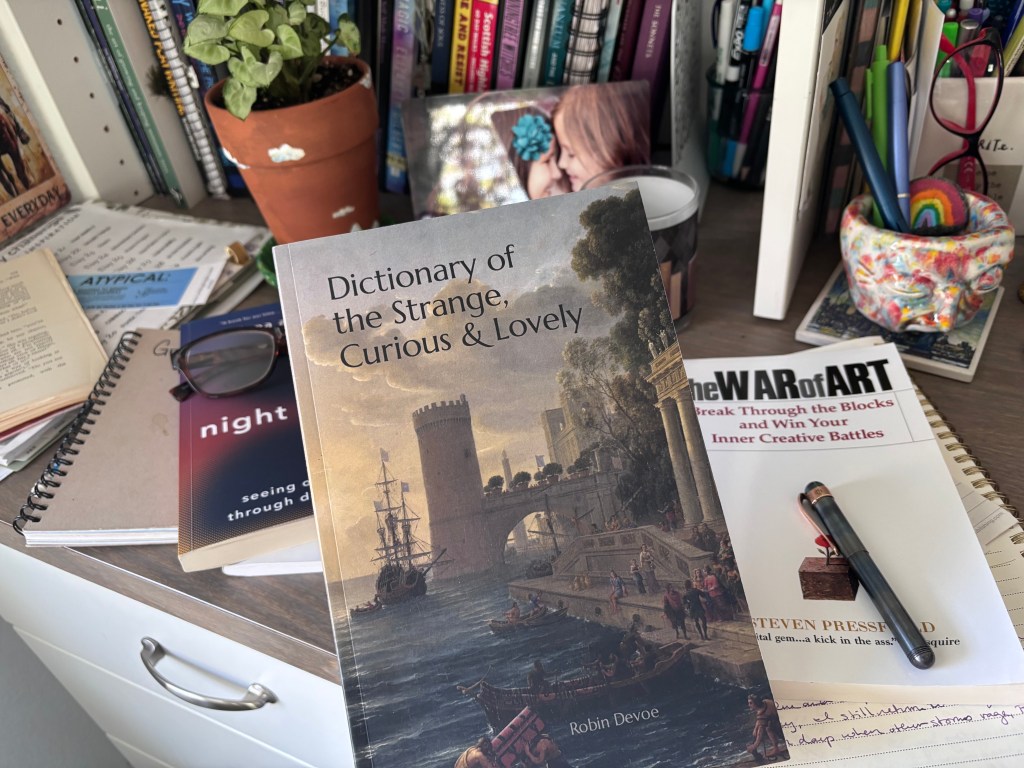
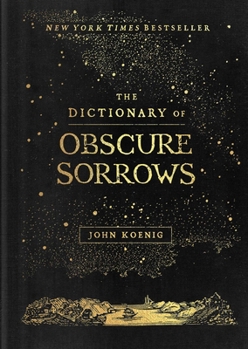
When I found this lovely book, I wanted to share it with everyone I loved. Then I realized that I’m a complete nerd and blossoming basket case, and not everyone finds language and expression of pin-point emotions so fascinating as I do. But if you do like those things, check it out. Today we’re going to be talking about idlewild. But first, a word or two about sorrow.
The word sadness originally meant “fullness”, from the same Latin root satis (which gives us satisfaction and sated). Not so long ago, to be sad meant to be filled with the intensity of an experience. Or as an empath, I like to call it every, normal day. Sadness was not a malfunction of your brain’s “joymaking” machine, it was a state of awareness. The ability to take all of life in, the joy and grief. Today we tend to think of sadness as only the absence of hope, or simply-put despair. I think I prefer the idea that sadness or sorrow is more of an over-filling of emotion, a realization that everything is fleeting, all moments are once-in-a-lifetime, and that you care about something enough to let it into your tender heart.

And now, let’s talk about “idlewild“
The book describes idlewild as feeling grateful to be stranded in a place where you can’t do much of anything–sitting for hours at an airport gate, train station, or back of a car enroute. This temporary alleviation of the burden to be doing something can often free up your brain to do whatever it wants to do. Most noticeably, daydream, a past time many of us no longer feel the freedom to do. (From Idelwild, the original name of JFK International Airport in New York).
I decided on this word because I knew it would make some of us cringe over our coffee cups. What do you mean, sit and do nothing? How does one feel grateful for not being productive, as society so often demands of us? Precisely the reason, my friend, why this occurrence is so important. Especially for creatives.
Listen I’m the first to admit that I find being strapped into a plane, train, or automobile as one of the most productive experiences for me and my writing. Let’s face it, when there’s no laundry, or pets, or children, or cleaning, or appointments, etc that need taken care of, and I’m stuck unmoving for a few hours, it’s the perfect ‘butt-in-chair” time a busy writer needs. But recently I’ve found, especially after a few writing slumps, that sometimes the mind just needs to do nothing. Nothing productive I mean. It needs to be silly. It needs to stare across the landscape and wonder. It needs to wander to destinations that don’t have meanings or books attached to them. No futures or pasts. It needs to think about strange what ifs and in the same moments let them go like clouds passing overhead.

This freedom to let your silly little neurons, memories, knowledge banks, and disconnected oddities play on the same unoccupied playground is one of the best things you can do for yourself. It not only helps in future creativity and problem solving but it’s like giving your brain a recess from all the relentless details and doomscrolling in the day. I’ve honestly found that I enjoy staring off into space and playing thought leap-frog much more than being drawn into that annoying little screen always selling me hormone supplements and bondage wear? (Listen, I don’t have to explain my algorithm to anyone)
So whether you write, or paint, or sing, or…build buildings or teach five-year-olds, I encourage and prod you a bit to practice idlewild this week. In the waiting rooms, the bus rides, the elevator, the pick-up line. Instead of reaching for your phone, stare off into the distance and pull back the curtains to what your mind has wondered about lately. Not to do lists, or what you should be doing, but noticing the color of the horizon, or counting the trees in the painting your dentist hung up, or making up strange and humorous character situations about the people on your bus. Find a little wild in your idleness.
See you next week.