“Living is Easy With Eyes Closed”

John Lennon’s quote is the basis for my Tuesday soapbox.

Listen, I do write about writing. I do want to inspire your creativity and help you along with your craft. It’s integral to my purpose in life.

But part of inspiring creativity means reminding you of the massive computer sitting atop your shoulders and why we should never forget to use it.

This week I’ve been researching statistics, studies, and references for an article (probably a book one day) on the staggering racial disparity present in our privatized prison systems, in particular, how it affects young black men in our communities and the short and long-term damage it causes to their families as well as to our society as a whole.

So you know… a real fluff piece.

The problem with scrubbing off a bit of dirt from the surface of something like this is that you expose a teeming cesspool of disease and horror beneath. And once you look into that darkness, falling ever-deeper into that rabbit hole of associated cultural setbacks, systemic traps, and loopholes for those in power, you CAN NEVER NOT KNOW.

You’ve opened your eyes.

You swallowed the red pill.

You know the truth and life becomes difficult.

(Well, if you’re a human being with a heart and a decent-sized sense of empathy, and compassion, life becomes difficult.)

Suddenly, with your eyes open, you see it everywhere.

You see it in the unarmed black woman body-slammed by an officer twice her size, when she wasn’t even fighting back. You see it in the teenagers of color who are convicted of crimes while their white counterparts go free. You see it in the wary HOA’s that lodge baseless complaints against a family because the color of their skin makes the neighbors ‘nervous’, and cause entire families to lose their homes.

I’m not talking about 1955 Alabama here… I’m talking today, here. In our city. In our community.

And I’m ashamed of us, and I’m shaky, and I’m pissed off.

I feel like if I were the mother of dragons…I might pull a Season 8 Episode 5 and burn it all down to rebuild from the ashes.

sack-of-astapor-s3e4
What bells? I didn’t hear any bells…


The problem is too big.

That’s what we’re told right?

You can’t fight the system! It’s so much bigger than us. We don’t have the power. The government controls it. The rich control it. The churches, the states, the universities, the public schools, the whole of American culture…

But if you will remember…

The computer on top of your shoulders. The big 10 pounder. The one that processes thoughts and emotions, chemicals and body regulation, the one that creates poetry, writes novels, formulates complex plot and character design.

That’s not nothing.

That’s a powerful weapon in the hands of an informed public. And the way I see it, once we open our eyes, it’s our duty to shake as many egg pods as possible, peel back some eyelids and make the world pay attention.

Two open eyes becomes four. Becomes eight. Becomes sixteen. Becomes hundreds…

The Beautiful Stuff has everything to do with facilitating the best version of humanity we can muster. The most compassionate, fair, and just human we can be. And when we are faced with a hard and ugly cesspool, teeming beneath a society built on the death and destruction of so many lives, we can no longer live easy.

So neither should the powers that be.


pawns and king
Never underestimate the power of a well-informed populace with like-minded goals.

My eyes are open and I will do my damndest to keep those that benefit from the broken and ugly system from covering them up.

We may not have the money. We may not have the loopholes and congressmen in our pockets. We may not have law degrees, or time, or the power of influence on large groups of people.

But we have our words. We have our minds. We have our actions and, I hope, enough anger to bypass our fear. Pay attention and acknowledge that this is a problem. Shine a fucking light on it so the rest of the world can’t ignore it anymore.

Find that spark in your chest. That pinprick of light that knows every human deserves to be safe, to be heard, to be healthy and fed, and treated with respect. Find a way to make it grow. Let it lead you to do what you can to change the inequality of the world around you.

You can always do something. Little. Big. It doesn’t matter the size of the action but the heart you put into it.

One water droplet may not have much impact, but a rainstorm can change the landscape.

Go out there. Be bold. Be heard. Stand up for each other.

grayscale photo of man woman and child
Photo by Kristin De Soto on Pexels.com

VerseDay 5-9-19

Recently I sat in on a class taught by Poet Laureate, Jovan Mays. He took every member of this class on an amazing journey in search of the river of our creativity.

In the coming weeks I’ll be sharing some of the results from the workshop. Some of the poems and free-thought writings will stay in my notebook. The power imparted by our inner creativity sometimes opens doors to things we aren’t ready to give to the world yet.

So enjoy, share, comment. Love hearing from you, always.


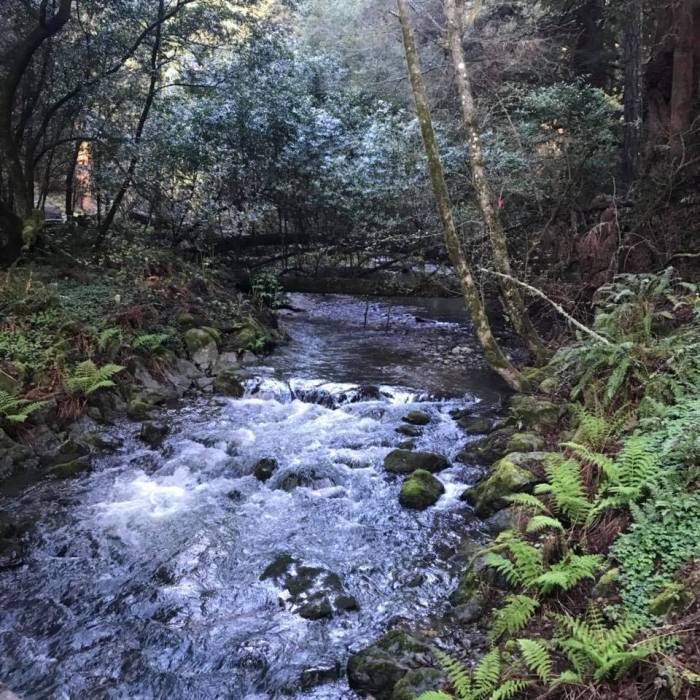
river

What The Water Said


And the water said,

You are not yet enough.


It spoke; it whispered

Over the cold, pale skin of me,

That I had rocky tumbles yet to go,

And so long to learn.


About the ways,

I fell short

in the neophyte tremblings of someone

Who’s walls had been built,

Before her heart had finished growing


And the water said I was

but was not

Enough

Until I saw it for myself


And In myself


And the water said

come back to me.

Return to the edge of the

smooth pebbled riparian and

Find

Yourself


When you are ready.


Writer; Know Thyself

Today’s blog comes to you from a second-floor hotel room after a full and productive day of classes at the 2019 Northern Colorado Writers Conference. The second floor is also hosting the attendees of the Brewery Collectable Club of America, so this humble blogger has witnessed some interesting trade deals in the world of rare Colt 45 paraphernalia.

On to my point:

For every year I attend the NCW Conference, I add a layer to the writer in me. That is to say, through the people I meet, the classes I take, and the lectures I attend, I learn more about the craft. How, and when, and why, and what, and all the technical attributes that come along with the delicate balance of creativity and grammatical science. But more than just the sum of these limitless parts, I learn a greater whole.


The whole that is me as a writer.


And in doing so, I’ve learned how to enjoy myself more at these kinds of functions by listening to my body, my brain, and my growing years of experience.


Back in the day, I would be hand-cramping from the steady stream of notes at each session. I would be tumbling from one class to the next, chugging down coffee between in hopes to keep my energy up so I wouldn’t miss a thing. I would strategically place myself at the agent’s table who I wanted to garner the literary affections of. I would, in essence, be the adult version of my grade-school, brown-nosing self.


Then…Something happened last year, when I drug myself to the meet and greet “networking” event, long past my emotional and mental boundary and crossing all lines of my introvert nature, to garner the attention of at least a few more experts in the field, I stood on very shaky ground. I spilled my drink, I felt like crying,


I didn’t want to be there.


I hated that I hated being around other writers. Which seems a terrible thing to say, but bear with me.


I didn’t know I had a limit to writing.


I thought I could talk it all day, learn it all day, do it all day. I could go to class for days!!! Nerding on a pro-level is a quintessential part of who I am. I loved hearing about other projects much more than I like talking about my own and reveled in the creativity and ingenuity of my fellow conference goers.


But…the more stories I heard the more I questioned if I was doing enough. The less sure I became of my ability. The more tired I got, the more flustered I became, the wearier my mind, the less information I could process.


Until everything was just noise and words.


Then I learned a secret.


(come closer…closer…)


You don’t have to throw yourself under a bus to catch it.


Knowing your limits is not just useful in this particular scenario. Knowing your limits is useful for all humans in many aspects of our lives. It comes with age and the ability to let go of unrealistic expectations.


During a few of my sessions, even as I listened to the speaker, I listened to myself. If I was inspired to write; I let myself write. If \the iron was hot, I struck while in the moment, abandoning the mad scribble of notes for the mad scribble of thoughts.

Did I miss some parts of the presentations? Sure, but in the midst of other brilliant minds and the energy they impart, in the middle of shutting out the rest of the world, the heart and brain start to do this funny little dance and learn to play again.

Inspiration doesn’t always happen at the opportune times. You have to write when the words are ready and when the heart is open. And the presenters this year gave me more than a notebook full of query-letter tips or copy-editing tricks. They gave my heart a doorway, an acceptance into writing what often builds up behind all my carefully constructed walls. And in stumbling and unorganized prose/poetry form I filled over ten pages of free-form when it was all said and done.

In years past, I’ve forced myself to jump the hurdles of social interaction and witty conversation until late hours, when all I really wanted was to wander off to a quiet room and take a nap.

So this year, after a relaxing dinner and a fabulous keynote speaker, I said goodbyes to new and dear friends and retired to my room for quality pajama time and a little writing.

I reserved a room, not so I wouldn’t have to drive the five miles home, but because I knew I would need quiet alone time to decompress after a long day of people and ideas, and focus on my own personal craft and projects I love.

I know when my mind is best, and after 8 pm is not that time. That’s my repose time. I had to make that OK for myself in order to get the most out of my time.

Conferences, classes, and meet ups like these open pathways, but only when we’re not too busy or overwhelmed to see them. If we are embroiled in getting the most out of every single planned moment of the time, then we may miss the real lesson. Creativity is like a river and if you fully submerged, yourself, you’ll easily drown. You’ll miss the beauty of the ride, the view, and the sounds.

So, know yourself, Writer. Do the things that you know work for you. Let the river of creativity, carry you, but always leave yourself plenty of breathing room to be inspired.


Minding Our Manners


In the karate school where I volunteer the word of the month is courtesy. It’s not a new concept in martial arts. Courtesy and respect are two of the most fundamental principles of the art. Respect for each other, respect for the rules, respect for the art and for the generations that came before us. Courtesy to our sparring partners, our instructors, and people in general.

The basics of courtesy often start with the ‘magical words’:

Please

Thank you

You’re welcome

I’m sorry

I forgive you


These words are like leaves and branches of language that convey the deeper roots of courtesy and respect. Simple polite words that are just the beginning of a much bigger lesson wherein we acknowledge the validity of other humans as equal and important by showing them kindness, compassion, and empathy; the cornerstones of living a beautiful life.

By this time in your lives you have probably all been taught about the “Magical Words”. Magical because they can open doors, springboard friendships, heal broken ties, and encourage smiles.

The typical phrases your parents and grandparents tried to instill  greased the wheels of everyday interactions but also taught you something much more.

By saying “Please” we are acknowledging that we need help, and that we aren’t afraid to ask for it.

By saying “Thank you” we acknowledging that the action of giving requires another’s time and effort and we understand the amount (small or large) of sacrifice involved and are grateful for it.

By saying “You’re Welcome” we acknowledge that the favor was done willingly and we are happy to help where we can. This can leave a lasting warmth between people that perpetuates reciprocity and trust.

By saying “I’m sorry” we acknowledge that our actions or words have harmed someone else. That we have done damage, either intentionally or not, and now regret the pain we’ve caused. Showing regret shows that we are empathetic to what the other person has gone through on our account.


I’m saving the hardest one for last.


By saying “I forgive you”, I acknowledge that you hurt me and I am choosing to let it go.


Forgiveness goes beyond common courtesy. Forgiveness is next level stuff, and it’s the hardest thing we’ll ever have to learn when it comes to compassion and empathy.

Pain serves as a powerful teacher. It reminds us to not make some mistakes over and over again. And when we are hurt we want to hang on to it, for the stupid reason that we don’t want it happening again.

But that’s the thing. We hang on to it.

And by remembering we relive, and by reliving, we stay hurt, we stay angry, and the pain is done to us over and over again, not by the original perpetrator but by our own insistence to keep it close to our hearts. That’s how we build walls against compassion and empathy to others.


So here’s what I offer instead:


By saying I forgive you, we are also showing courtesy and respect to ourselves. We are choosing to acknowledge the “I’m sorry” (even if there isn’t one) by letting go of the harm so we can keep our hearts open for something better than pain to fill it with.

And to those who are truly sorry, who offer up their apology from a place of genuine desire to make right a wrong, we give a gift that is priceless with our forgiveness. We acknowledge to them that we are human too.

All of these phrases can be used without thinking. They are often just little idioms of our nature; thrown around without realizing we do it.

But this week I’m challenging you to think about them, consciously. Understand them before you say them and mean them when you do. It will make a difference. It may only be a difference in your own mind, but that’s where the power of those words really comes from anyway.

So, please…do something kind and courteous to yourself and others today. You’re welcome for the reminder. Thank you for reading this blog; it means the world to me that you do. I’m sorry if I tend to wander in thought and subject from time to time. But I forgive myself and the creative process that demands a little haphazard chaos in the order of life.


Be polite today. Be kind.


Mind your manners.

VerseDay 4-25-19

Mornin’ kids. I hope your Thursday is starting off sweet and slow.

No matter what your plans are or how many ‘to-do’s’ you’ve packed into this day, carve out some time to get outside and find your quiet.

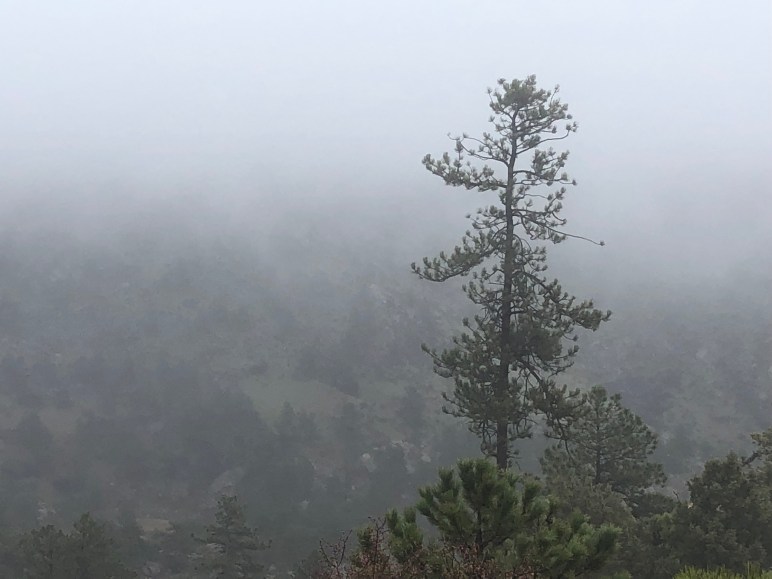
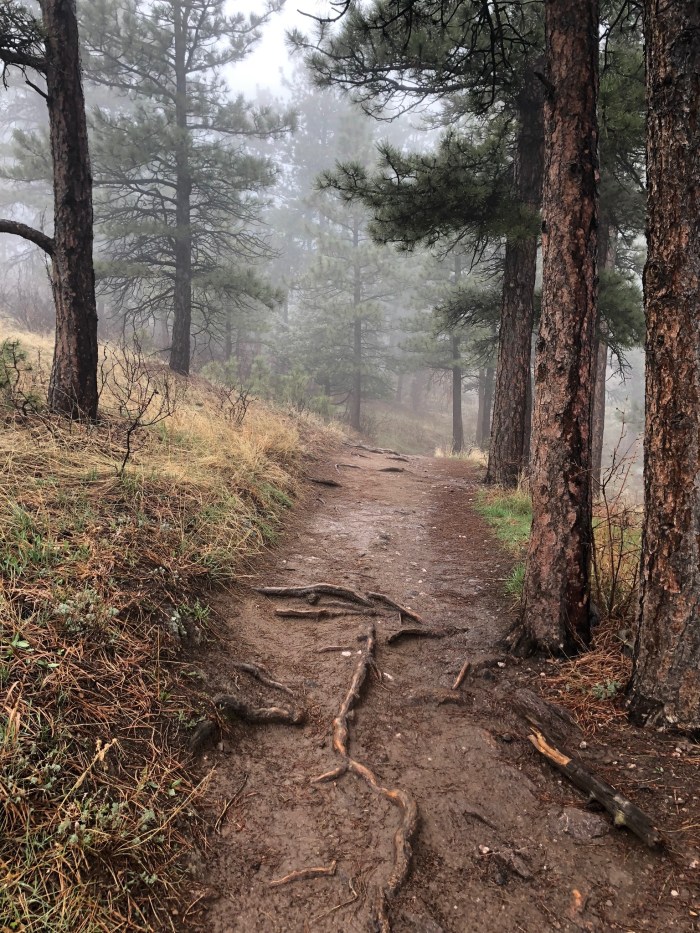
Haze


Gray cascades of fogged memory

Blanket the distance

And everything seems so much closer now

Kinetic in wait.


The world was never so quiet

Nor so still.

Even as rain needles pierce my neck

And trace frozen rivulets down the valley of my shoulder blades.

More pleasant a day I have not lived.


Here in the stillness.

The quiet and uncomfortable

The shivering slip of feet and

Icy hands

Scuffed against granite and lichen

In search for hold.


How we’ve come to fear being alone.

How we shy from homegrown reflections,

And shudder at the thought

Of being solitary amid the rain and rock.


We don’t even know to mourn

The tremendous loss

of keeping our own company.


Perhaps the gray residing in our hearts would be lessened,

The stormy mind;

Hurricane of worry and doubt, would dissipate

If we more often paroled our bodies to the rough beauty of nature

The purity of what is real might bring us back ’round.

Clarity borne from the muddled haze.

IMG_0008

VerseDay 4-18-19

In observance of the Boston Marathon bombing that occurred 6 years ago Monday, I’m reposting a poem I wrote the day after.

Running on a dark highway, under speckled stars and the approaching dawn, I felt the legs of thousands of runners alongside me. The shrapnel of fear and terror, echoing thousands of miles away, gave rise to such indomitable hope and strength for so many.

runner

Runner


Today I ran.
Not out of fear,

not out of obligation to a scale or a time.

Today I ran to remember why we run,

to share the heavy hurt,

to find the solace that only comes in the gentle cadence of the body and road.

Today I ran for them,

For the hearts and soles that carry the world with them as they go.

just as I do.

Down pavement, and sidewalks, and dirt trails we fly

Down these paths to lighten the burdens of life.

Today I run with my countless brothers and sisters.

Those who came before me,

those paced beside me,

those still on their way.

For all of the tireless legs, the calloused feet, the hardened lungs and loosened smiles.

For those that find their peace and promise where feet connect to Earth.

I don’t have to know you, to know you.

You are me.

In the dark morning, pavement shining in just-stopped rain.
In the quick wedge of afternoon between meetings and bus drops.
In the long weekends when we find out what we really can do in the hours

and hours

of loving devotion.

With hope and in respect,

Today, I’ll carry your burden,

Until you’re back on your feet.

Today I ran.

Conferring on Conferences


Okay, so I promised two weeks ago that last week we’d be talking about writing conferences. Then my squirrel brain shouted “I do what I want!” and flicked its squirrel brain tail and stole some nuts and ran off on a tangent.


Adult Sarah remembers. So without further prodding, let’s get into the meaty goodness of writers conferences and why you should strive to attend at least one a year.

If you’ve never been before or even if you are old-hat in the world of conferences, here are a few tips on how to choose the right one for you, how to get the most out of it, and how to not feel completely overwhelmed in the process.


How do you choose which one to attend?


  • If you are anything like me, you’re wealthy in creativity but strapped for cash. One of the biggest deciding factors, for me, is the cost of the conference (including travel and accommodation expenses) against what classes, speakers, and agents will be there. Getting to pitch to an agent, or multiple agents for publishers specific to your genre is a boon. Classes that are not just interesting but will help expand your craft are also good factors to consider.


  • Some conferences are genre specific and if you are a comfort-hugging archetype who doesn’t flirt around outside your style and subject matter, then definitely consider something specifically geared to your genre. The Romance Writers of America is hosting its annual conference in New York City this year…but, as my first bullet point states, it’s a little too much expense for my budget. Plus, I like to flirt… (outside of my genre, that is *wink)


  • If you’re stuck deciding between two, look at the courses offered, the speakers presenting, and if they are offering pitch sessions, especially agents suited to your work. Pick the one that gives you the most opportunity for growth and stretches your creative and ambitious goals.


How do I get the most out of my conference?


  • Here’s what I’ve learned. Plan ahead but be flexible. Conferences don’t just start the minute you pin that snazzy name badge on your seldom-used dress clothes. They start the year before, during writing when you (hopefully) self-reflect on the issues you have with your WIP, your style, your grammar, or even the steps you want to take next. If you have trouble with dialogue but are a whiz at plotting out the perfect story arc, then use your conference to build up your weak points. Even if it means stepping out of your comfort zone. Which leads me to my next point:


  • Sit it on at least one session that is outside of your genre, comfort zone, or even interest. Look, conferences can be amazing experiences but if you’ve been through sixteen hours of various takes on the query letter, trying to perfect your memoir pitches, you’re not growing as much as you could be. “But Sarah, why do I need to grow as a writer? I’m practically perfect as is!” Of course you are…but I ask you this: why does an athlete cross train? Why does an engineering major still have to take social science classes? Because learning about the realm outside yourself will make you better. Try a sci-fi world-building class or screenwriting. I guarantee, you will get something new out of it that will help your project and your craft.


  • Push your limits. Talk to people you wouldn’t normally, share your story, your success, and your pitfalls. This is an awesome opportunity (I’m talking to you little introvert from up there) to commiserate, vent, and rejoice in the craft you love so much. Pitch your novel, article, or story. Talk to the larger-than-life keynote speaker (here’s a hint: every single one of them I’ve had the pleasure to meet has been the kindest, most down-to-Earth and supportive writer). Come away feeling like the weekend/day was an experience that has changed you in some fundamental way.


How do I not get overwhelmed?


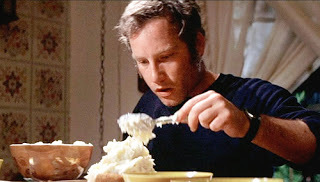
  • For goddess’ sake, take a break in the midst of it all. I’m the worst at this. I paid the money and I’m going to hit every single class. I will volunteer, pitch, hit up the speakers at the dinner table, and stuff every bit of information into my head until explodes! Then by day two, nothing makes sense in my mind, words are blurry, I’m not sure what my name is, and I’m crying into my mashed-potato tower, while wearing Underoos on my head that clearly are not my own. Take the breaks between sessions or even forgo a session and find a quiet corner or go for a walk outside. You need it to recharge, allow time to absorb the information and be refreshed for the next round.

close-encounters-of-the-third-kind-mashed-potatoes


  • If you are pitching to an agent or editor, polish the shit out of that thing. Take your pitch to your critique group, your friends, random people on the street before the conference and learn how to deliver it with confidence and clarity. Know your story, your characters, and your plot, inside and out. That first page should sing the sweetest siren’s song anyone has ever heart and lure the tepid agent from the afternoon lunch lull into something exciting they want to read more of. The more you practice your pitch, the more it will feel like a conversation with a good friend instead of an interview.


  • If you are pitching, don’t be intimidated by the agent or editor. Remember they are people. They are there, specifically, to talk to you. To hear your story. To find the next big thing. Most of them are also just like you…they may even be wearing Underoos and like mashed potatoes. The point is, it’s okay to be nervous, but don’t go in assuming they relish the idea of shooting you down. Be polite and always thank them for their time and any advice they have to give.


  • Sleep before. Sleep after. Eat nutritious food, take walks outside whenever you can, and watch the caffeine and the booze. Free coffee stations are like crack for me (okay, I’ve never been addicted to nor have I ever even tried crack but…you get the idea) and cash bars are a tempting mistress at the end of a long, people-filled day. But you have things to do tomorrow and Underoos stay safely tucked in if you can avoid that third cocktail.

underoos1


Well, good luck out there writer. Go find you a conference and learn to mill about in the wealth of knowledge and inspiration. Leave any comments or helpful hints you’ve gained over the years here, or even your worst experiences. I can’t wait for you to jump into one and discover how decadent it feels to immerse yourself in the craft you love.


VerseDay 4-11-19

Sometimes, as a poet and writer, it behoves us to stretch ourselves and try out new forms, word use, and technique. I encourage you all to step out of your normal patterns of verse and play with alliteration, assonance, and the ever-popular to say but disastrous to spell: onomatopoeia.

Enjoy this little experiment of mine and pass it along.

DON’T FORGET TO SEND ME YOUR OWN POETRY TO BE ENTERED INTO THE ANTHOLOGY AS WELL AS TO BE FEATURED AND PROMOTED HERE ON THE BEAUTIFUL STUFF!


sky space dark galaxy
Photo by Pixabay on Pexels.com

Effervescence


I am the marksman and martyr

The ever-present effervescence.


Symbiotic soul-light, illuminating illustriously

Black nebulous annihilating, extinguishing entirely


A Universe boundlessly unfurled

A speck of compressed silicate,


Wider than infinite relativity

brief as an angel blink


Temporal finitism laid against,

the inconsequential ticks of time.


All and none,

Faith fashioned from fear

Release reborn of resistance


The ever present effervescence.


Fear and Loathing in Middle Age

Hey kids…

Let’s talk about fear and how it changes us, how our fear changes over time, and what purpose it all serves.

This all began in yesterday’s yoga class when we were told to try a handstand, with and without the use of the wall. The instructor is amazing and even at 5:30 in the morning, she’s been able to get into my pre-caffeinated head and merge my body and mind in a beautiful symbiosis of breath, and heat, and general bendy awesomeness.

But yesterday…

Yesterday I began the morning by suffering through five miles of a run I didn’t enjoy. The week itself had been long and the weekend was short on sleep…yesterday was a cumulation of unhelpful factors.

So even though I was on my mat, carving out my own space in the universe to detach for an hour, I was still too much in the world. And watching my tiny little guru flip herself upside down effortlessly, knowing that my ass is WAY bigger, and understanding that I wasn’t on the most solid of ground emotionally, didn’t help my middle-age sense of insecurity.

While hopping up on one leg repeatedly in a effort to find balance the thought of “Why is this so hard, I’ve done cartwheels, I’m tough…my ass is big but I’m a sturdy girl all round, I got this…why, can’t I just–“?

*grunt*, *groan*, *heave*, *plop*.

It came down to fear.

I was afraid.

I was afraid that my own body would overcorrect. That to avoid pain, I’d swing my pendulum too far to the other side and really end up in a mess. Even though the wall was right there to catch me and there were no demands for me to even achieve the pose.

My physical fear was manifested out of my emotional fear of going too far.

Sure I worry for my rotator cuffs, and I don’t like the idea of barreling into the wall, but I think I was more afraid I would leap out into the world, heart on sleeve, hope in eyes, and fall off the edge. The headstand was a metaphor, for the cyclical “Why bother–you’ll just end up hurt” pattern that affects so many of us.

I held myself back physically. Because I was trying to protect myself emotionally.

I gave it effort, but not:

maximum effort


I knew I could do it, if I’d let go of the expectation of perfection and the fear of falling. Just like anything in life.

But humans are funny creatures and we spend a lot of time trying to protect ourselves from past physical and emotional pain by avoiding the effort that resulted in that pain.

Yesterday’s lesson brought up an honest question about my fears and where they came from and how they became so entrenched beneath my surface.

Fear serves the purpose of protecting and defending your life and your livelihood. But it also cages you. It stops attempts before they start. It can even set you up to fail.

Now failure isn’t a bad thing. It helps us grow and learn. And it’s not as Churchill so aptly said, “fatal”.

So why can’t I put my ass over my head?

Maybe the answer lies in the day I was having, maybe it’s that I wasn’t physically stable enough yet…maybe it’s because I’m afraid I’ll get it right.

Because sometimes failure is more easy to accept than success.

Why is it scary to succeed? Isn’t that what we’re all trying to do, in life, in our writing, in our day to day?

You’d think that’s what we want for the effort we put in. But self-sabotage is something most of us have done before especially at that hair-breadth distance away from obtaining our goals.

Maybe it’s the unknown aftermath of success…or the expectation to always be searching for the next success, climbing ever farther, faster, higher. If we stay mediocre. If we give up or don’t try…then we can stay nicely tucked into our pajamas on the couch midday, and no one would expect anything more.

Maybe if we start off mediocre, then any effort or tiny improvement we make seems like a mountain climbed.

And that’s just us lowering our standards.

Is it good to let our fear pigeon-pose…er…hole us into mediocrity?

I dunno. I think that’s something you need to talk to yourself about. Maybe it’s a good measurement of what we really want in life, and what we really hold dear.

If you no longer want to give it your best then maybe it’s not worth doing all

Thoughts and comments appreciated on this discussion.

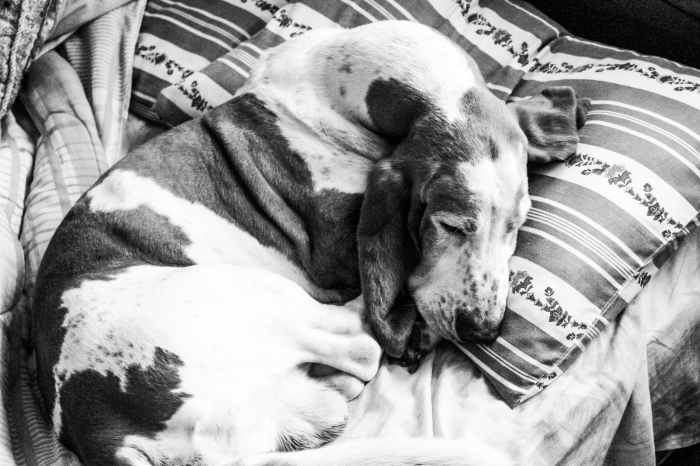
Until I hear from you, I’m going to go find myself a wall and see if I can hoist this ass over my head, in the privacy of my own home where my grunts and groans will be mirrored in the aging basset taking over my yoga mat.


grayscale photography of basset hound sleeping
Photo by Maximiliano Ignacio Pinilla Alvarado on Pexels.com