The Beautiful Writers Workshop: Novelty #7– Setting

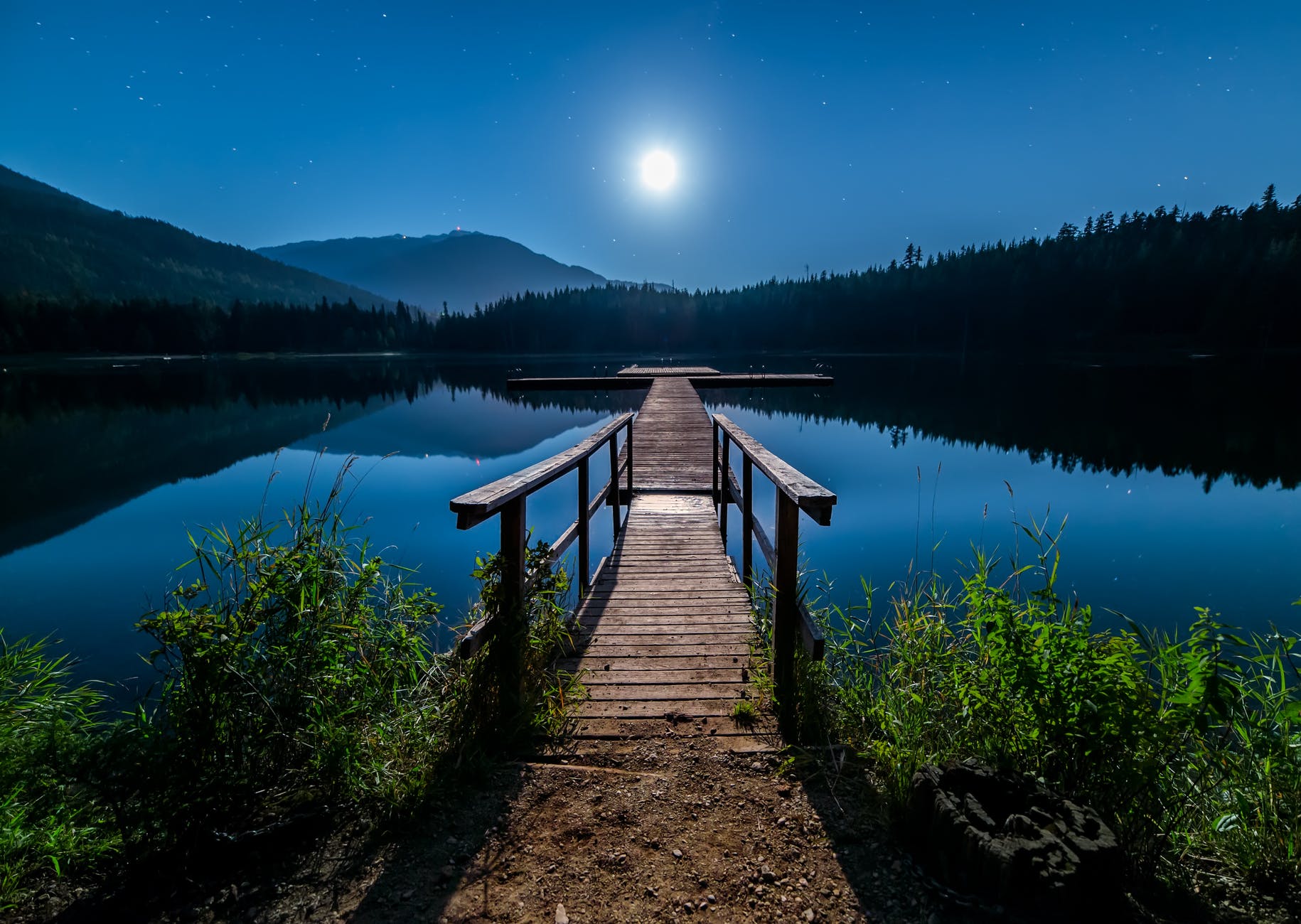
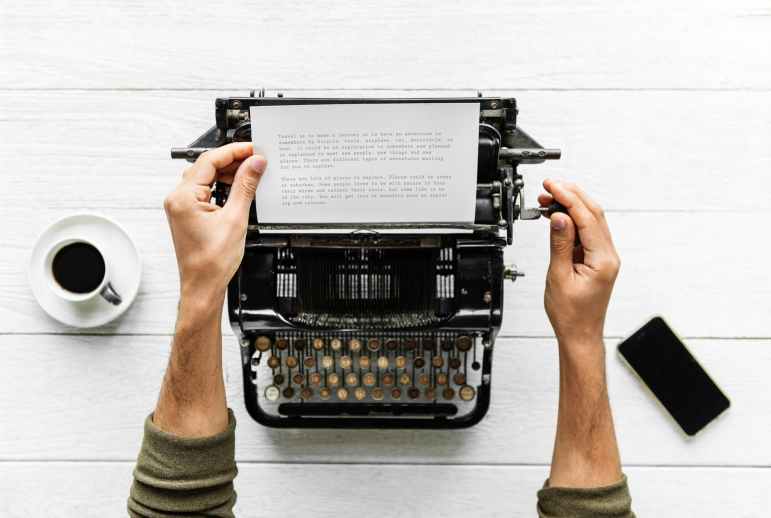
Photo by James Wheeler on Pexels.com

Good morning! So, here we are. Working our way through the bulleted list on Novel Writing. Today is about setting, but before I build up that world, I would like to remind you:

Keep in mind, there are many intricacies to writing a novel. It can’t all be learned in 7 points. Or 25. Or even 100. Most novelists have one or two ‘starter’ novels that never see the light of day. Because the process of writing a complete novel is, in itself, the real lesson of what does and doesn’t work. Until you do it, write it, fight through it, you won’t truly grasp which elements are most important, and how to get through the problems that you will inevitably face.

Now–on to Setting.

Setting is the world where your characters live, where the plot takes place and what influences those major themes. Setting includes physical space (mountains, city, country, house, street, etc), time period (modern day, future, Elizabethan England), multiplied by fiction and non-fiction (3050 space opera set on a distant planet versus 1944 Italy during the Second World War).

Photo by Miriam Espacio on Pexels.com
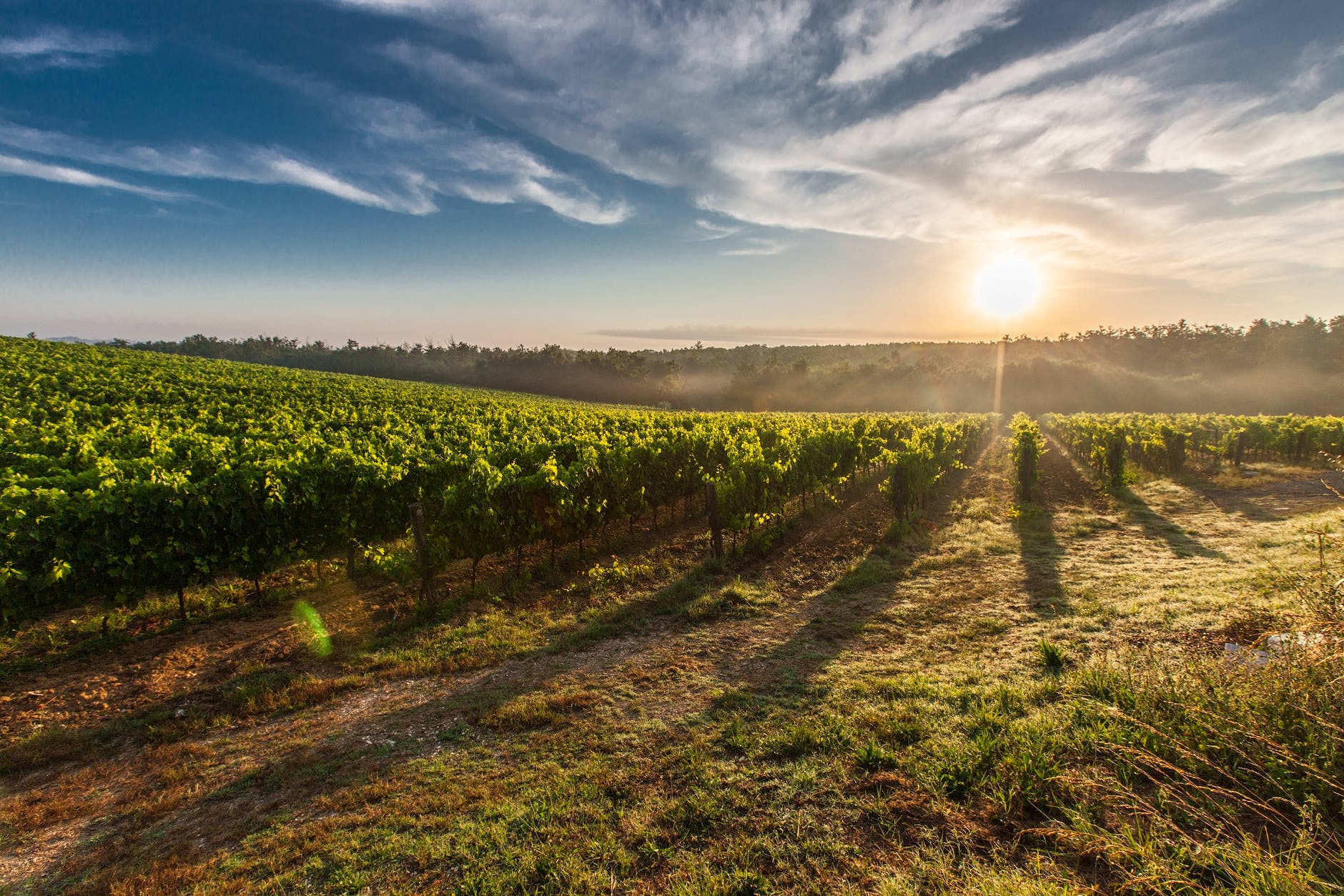
Photo by Pixabay on Pexels.com

I am a firm and staunch believer that setting is, itself, integral as a character in your story. Setting will dictate so much of your novel. The physical and temporal surroundings of your characters limit or promote certain behaviors, patterns of speech, choices, and opportunities. The setting, say a creepy old house on the coast of Maine, can even be a character itself, lending an influential factor to the events that play out. (Wouldn’t be the same if Destiny Harrison had moved into a swanky new apartment in L.A.)

My first piece of advice for setting is that if it is someplace or some time you aren’t personally familiar with, do a shit-ton (yes, that’s a real measurement) of research. If you can (time-machines not withstanding) visit the place, the area. Get a feel for it. Even better, do it in the season or hour that takes place in your novel.

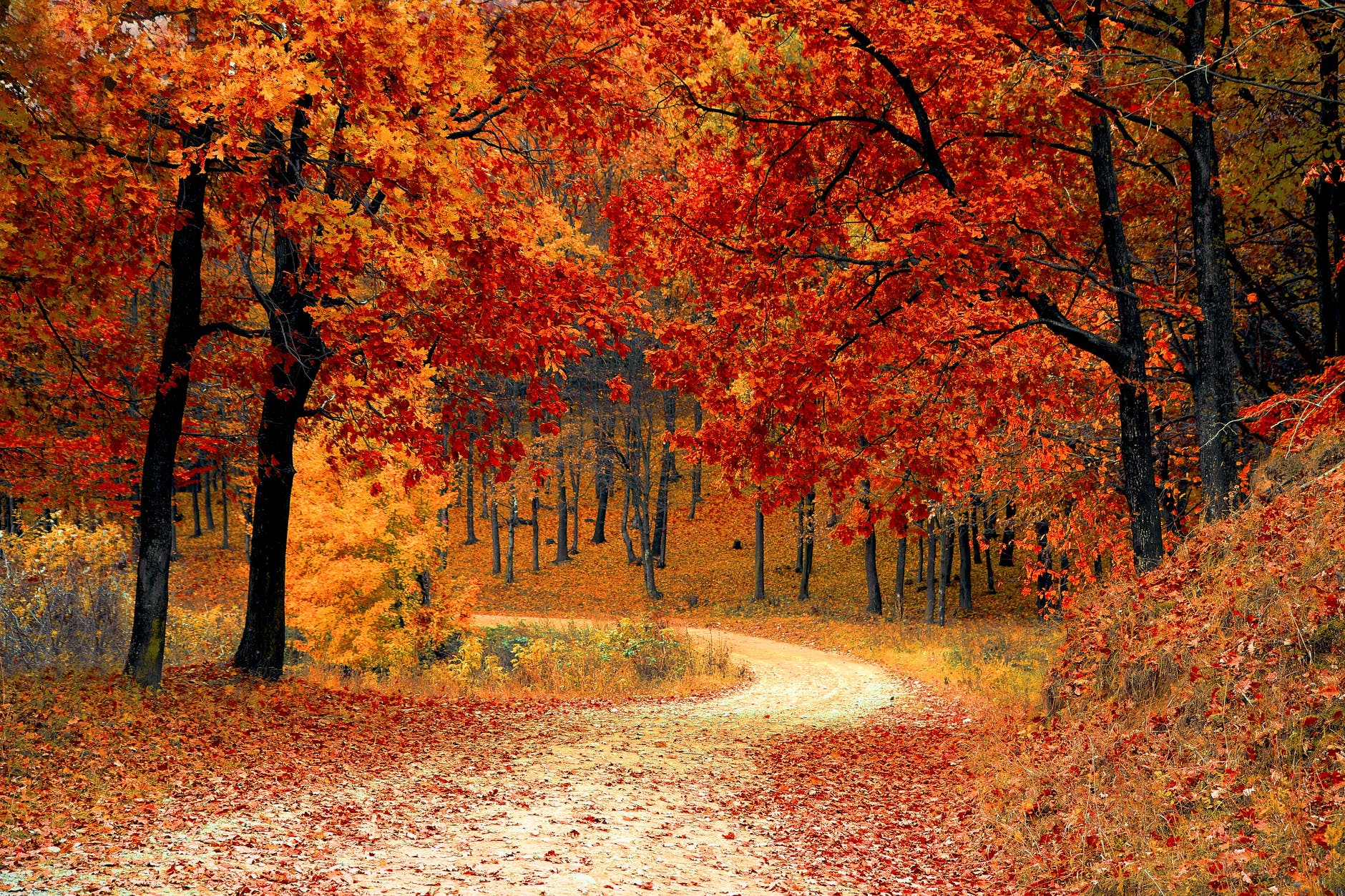
If you have a scene on the harbor at dawn, your description will be more apt if you’ve been on a harbor at dawn. If you’ve never seen the bursting yellow of aspens in October, it’s hard to capture the exact shade of gold against the pinion green.

Secondly, when building the world of your novel, utilize all the senses. How does the sunlight break over the mountain? In dusty, slow waves or in a brilliant flash? Does the air feel crisp on the tongue or heavy with heat? What do you hear? This all goes hand in hand with showing the audience, not telling. Jack didn’t feel the heat of the fire. The fire seeped beneath his skin.

Thirdly, when you approach setting it is VITAL to find the balance between description and information dump. A common mistake (in my humble opinion) in even the most prolific writer, is to go on a little too long building the “world moment” to the point the reader is bogged down or the pace slows. Now, I understand, that some novels require a good solid understanding of their worlds (often if it’s unfamiliar to the reader– ie a sci-fi/fantasy or historical fiction). But, if you can manage, feed these tidbits to the reader throughout. Think snacking not gorging. Offer what is relevant, what moves or enhances the scene, or gives hints or important clues for later on in the book, then draw back and let the audience digest it.

Setting is a great place to build imagery, be a little poetic, and really put your reader in the middle of your novel. Similarly, sometimes the most simple of descriptions can be effective so don’t overwhelm with too long or heavy paragraphs.

Make it a living, breathing entity of the book, something that becomes part of the whole in a way that is inseparable from the action, characters, dialogue and voice.

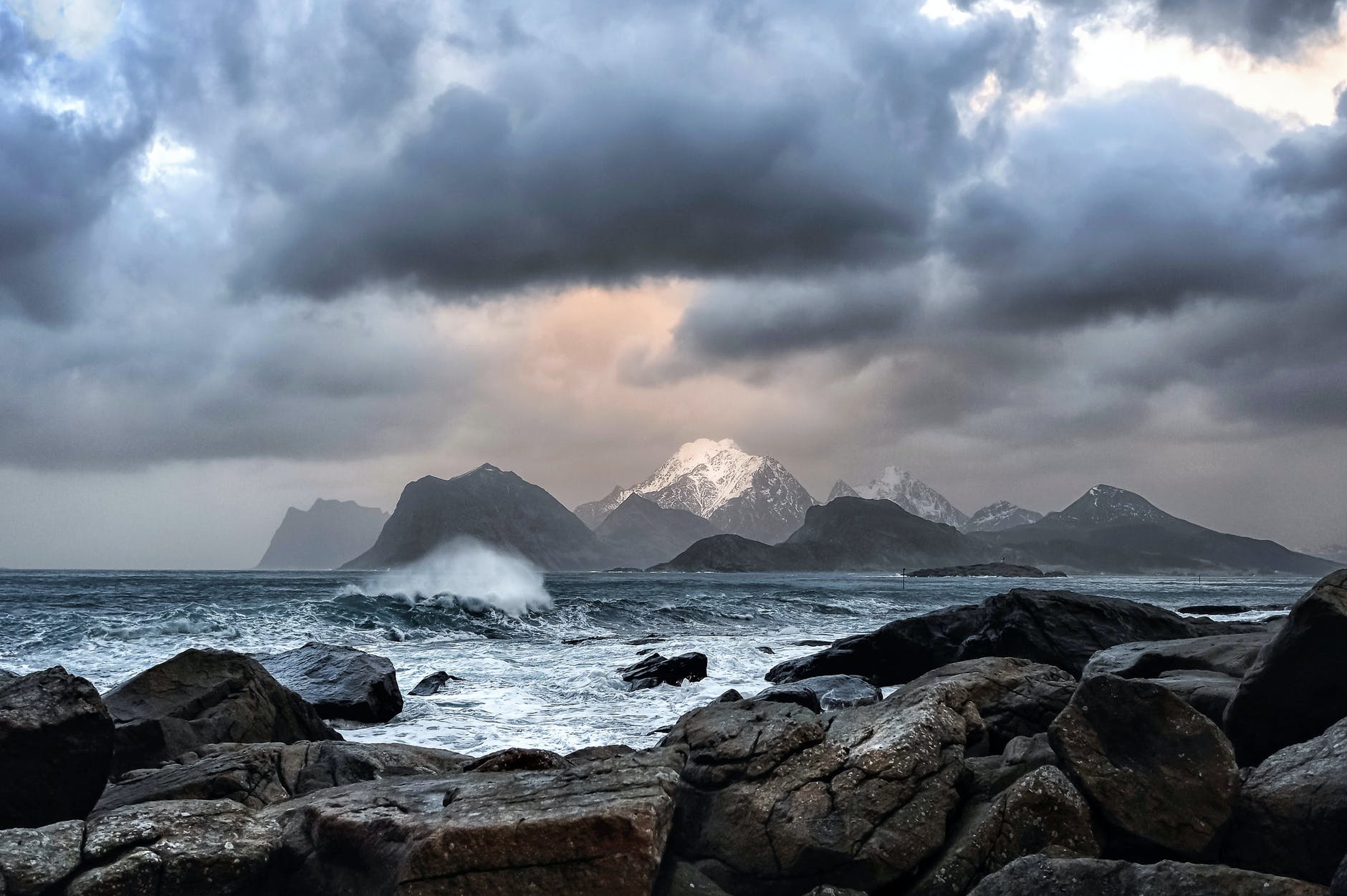
Photo by stein egil liland on Pexels.com

This week, look at your work in progress, pick out a particularly rough scene and ask yourself what’s going on with the setting. How can it influence or help your characters actions? Look at your longer paragraphs, are there moments where your readers might be caught in a deluge of description? Boil it down to the instrumental aspects of setting. What tone does it overlay? Does that enhance the other pieces?

Okay. Good luck out there. Let me know how it goes.

The Beautiful Writers Workshop: Novelty #5: Point of View

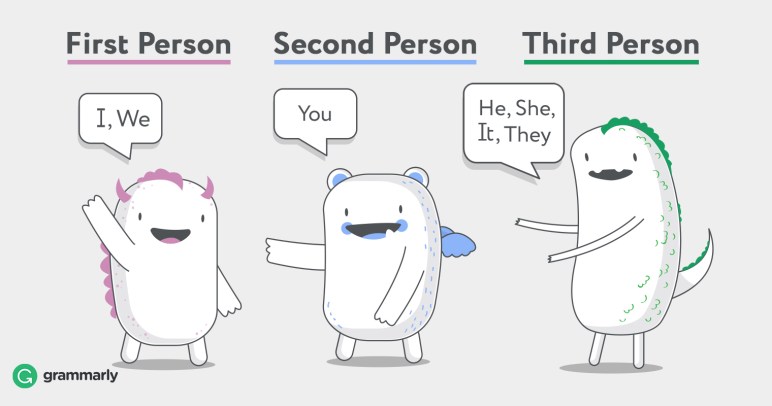
Thank you to the beautiful people at Grammarly for this awesome little image of Point of View.

Whilst (I love using that word) typing up the title today I realized, that all of these blogs on novel writing can also be used in other aspects of your writing. Short stories, flash fiction, non fiction, and even poetry all contain aspects of plot, character, and point of view. In a novel, however, consistency of your point of view is crucial for keeping your reader snuggly in your world. Shifts in POV can cause confusion or jar them out of the story.

So today, we’re going to briefly discuss the typical types of POV as well as which ones are most effective to use.

For the budding writer, I’ll lay down some foundation.

Point of View is basically who is telling the story.

In First-Person POV, then the action is happening to the person telling the story (the narrator is the main character). Here, a writer uses “I/We” mostly while only using “he/she/they” as outward observations. They can tell you what they see, feel, hear, know, etc, but they can’t tell you what anyone else sees, feels, hears, or knows. The best way to show those things are through action and dialogue AND by having faith in the reader to understand by your clues the general idea.

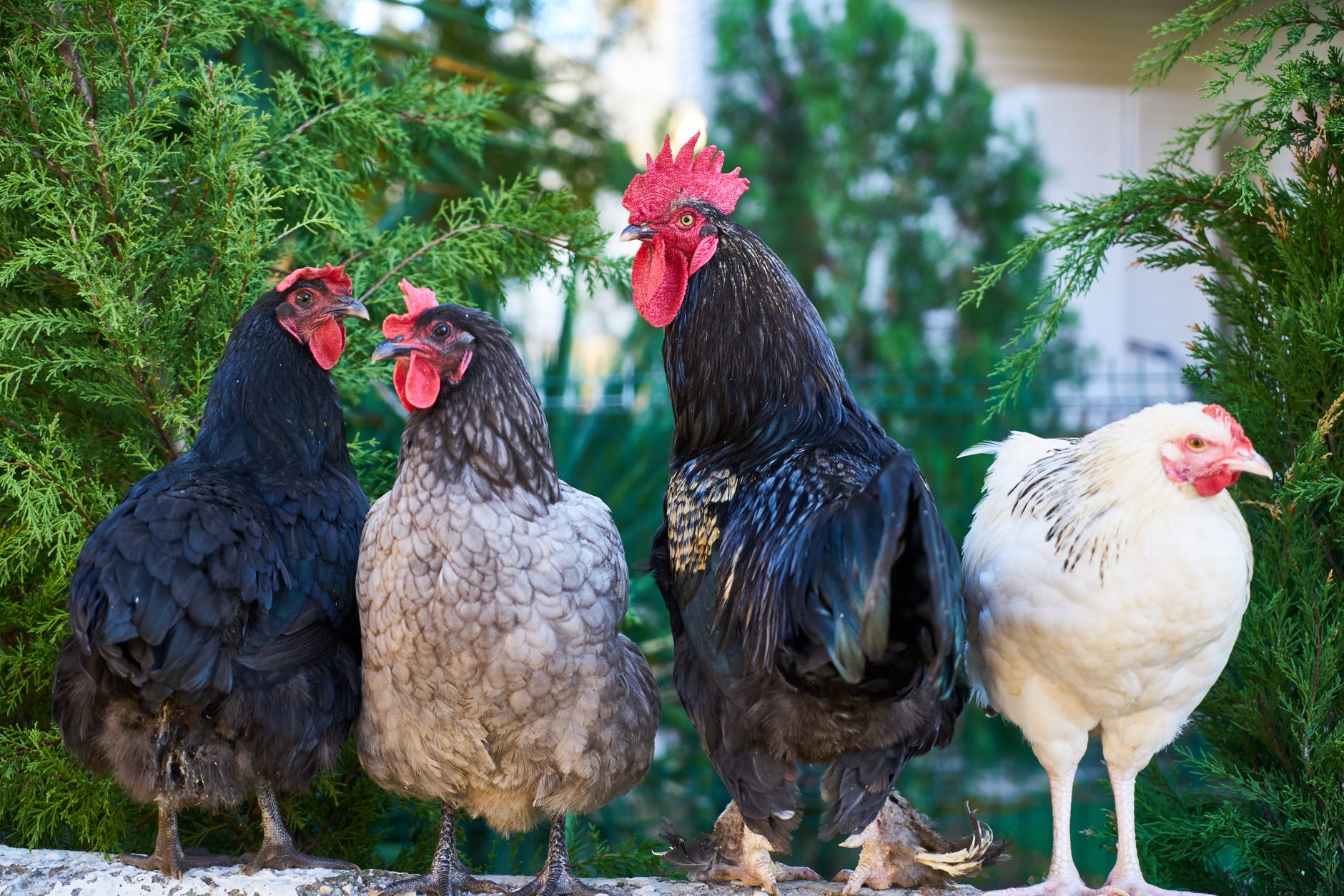
Second-Person is the red-headed step child of writing POV. I’m sorry. I said it. Second person uses “you” and “your” and they narrator speaks directly to the reader. “You were amazed. You’d never seen a chicken with five legs.” They make you part of the story. I suppose some of my blogs have been in 2nd person, non-fiction informative may utilize this POV. I’ve never used this in a short story or my fiction but occasionally it creeps into my poetry. In fiction, it’s very difficult to do well. (“Bright Lights, Big City” by Jay McInerey, “The Sweetheart” by Angelina Mirabella, “The Night Circus” by Erin Morgenstern)

Third-person is an outside narrator telling the story from a distance (she/he/they). When it gets closer in (think into the characters’ heads) it’s called third-person omniscient. Third-person is popular with light fiction, serial romance, cozies, beach reads, sci-fi, fantasy etc. The tricky part of this POV is being able to stay focused on one character at a time. If the story dictates it (two or three main characters) I will switch POV in Third by chapter, possibly by section, but never by paragraph or within the same scene.

We discussed each typical type, but how do you know which one is best for you? Well, part of this comes down to your writing style. When you write, are you the character? Are you in their mind, in the arena, in the pilot’s seat? Or are you observing them, building the world around them and telling them what you see from above? Are you walking them through the story, a sort-of inward conscience to their journey? Which genre is your story? What’s the purpose of the story?

All of these factors can make writing in the right POV harrier than my old math teacher at the swimming pool (Hey! Take the sweater off before you get in–oh…wait…sorry!) Some genres are more lenient as to how much you can change or shift the point of view. Some genres really do best when one specific POV is used.

Take memoir for example. This type of storytelling should be first person, past-tense. Period. That’s your story, it happened to you. You are telling it.

Now, romance novels can dance on the edge of third-person, third-person omniscient, or first-person.

Most contemporary fiction these days is first-person (think Hunger Games) or if you’re feeling fancy, 2-person, first-person (look at Gone Girl–a book told in first by two different main characters–very clever)

I am wont to say that sci-fi and fantasy tend to be third person, due to the world building that has to occur. But it can be done marvelously in first as well (check out “The Martian” which tickles both first and third).

The important part about POV (especially when working with third) is that you stick to a strong, non-passive-voiced point of view that stays in its lane.

Check this out:

“You’re such a selfish prick!” Jill yelled and slammed her fist into the table upsetting the spoons. She’d had enough of his late nights at the track and the dwindling bank account.

Bob jumped back at the sound. His heart fell to his gut and he felt like crying. He couldn’t believe he’d lost their honeymoon money. He was only trying to double up on the winnings so they could have a bigger trip.

Jill paced the room in a fury. How could he? After she had been saving for months and months so they could go away…

Yowza. For one–this is a lot of information dumping out on your reader. You can’t describe your main character’s (Jill) thoughts and feelings about Bob and then in the next paragraph have Bob spring into an inner dialogue on his thoughts and feelings about her. It’s called head hopping and it confuses the readers. Only a few really talented authors can make this happen and not lose the reader (I’m looking at you Nora Roberts).

Don’t cause a ruckus. If the character you are writing for (be it third or first) isn’t a goddamn mind reader then don’t describe things they wouldn’t know.

If you want the reader to have the information, you show through body language and dialogue.

“You’re such a selfish prick!” Jill yelled. “I can’t believe you blew our savings at the tables!” She slammed her fist into the table and knocked over the cup of spoons.

Bob hung his head and swallowed. His voice trembled. “I’m sorry.”

“Sorry? Sorry doesn’t even begin–“
“I was only trying to–” Bob started.

“It doesn’t matter!” she yelled. “You don’t get another chance to make this better!”

Here, the reader has enough information to gather how Bob feels without dropping us into his head.

Ok. Whew! Speaking of info dumps, huh? Take a minute to absorb all of that. Think about your story, what you’re trying to do, who you’re trying to follow, and how you want to bring the reader along. If you’re writing short stories, experiment with all the types of POV. I’ve only written a few things in first and its very powerful, but for some reason, it’s very hard for me. My comfort is in Third-Omniscient, but as in all things in life, we have to push our comfort zones to be better. So…push your zones, get uncomfortable.

Pick a POV per project and stick with it.

Until next week. Happy writing!

The Beautiful Writers Workshop #31: Novelty

Happy Thursday, Writers.

I hope that you had a productive week and are staying safe wherever you’re stationed right now. It seems in all parts of the world, different calamities are occurring. In my own state we went from 80 degrees to 30 in a matter of hours. And while I weep for my garden, my hope is that the snow and rain will put an end to the massive fire that is raging north of our town.

Remember, remember…when the world wasn’t collapsing into chaos and death?
Photo by Ashutosh Sonwani on Pexels.com

So whether you are being lashed by hurricanes, trampled by heat, or decimated by fire, I am sending all my hope for your safety and well-being. Believe it or not (and most of the world’s leading climatologists agree) this is probably tip of the melting iceberg in terms of where our world is headed.

What better time to start writing that dystopian/apocalyptic novel that you’ve been putting off?

While we still have power to do so, let’s write.

THE NOVEL

Now, some of you are short story aficionados and some are poetry pros but there’s something beautiful and obstinate about writing a novel. It’s the kind of thing that gets bandied about at coffee shops and by people in thick rimmed glasses over cups of burnt coffee, smugly proclaiming that they’re drafting their first, second, or third revision. It’s daunting just trying to write a first version for some of us. While we could probably spend a month-long class on the craft of writing a novel, I’ll try to pare it down to the essentials for those of you who are looking to get started.

Most novels come in between 60,000 and 120,000 words. Some exceptions can be made and I’ve seen as few as 40,000 and over 150,000. The large spread is due to the specifics of genre. A light romance novel only needs to distract us for an afternoon, so 50,000 is plenty. A science fiction tome, where entire worlds are built and new languages are developed will require three times that.

For the most part, I like to keep my novels between 80,000 and 100,000 (but even the Southtown Harbor Series pushed into the 120,000s–ghost sex takes some time to maneuver through). This is simply the cold hard number in the equation. The real magic of a novel is so much more than that.

You can scour the internet all day and dredge up at least fifty sites, each with a pretty little bullet-point list of the “essential” elements of a good novel. One might have 5. Another 3. One had 24. Still another 12.

Just like a novel, it’s all cute and fun until it poops itself.
Photo by Daria Shevtsova on Pexels.com

Just like parenting your first child, when it comes to writing your first novel, you will get a deluge of advice both good and bad. I encourage you to read as much of it as you can and reject what doesn’t fit your style. Because at the end of the day, if you are forcing your voice and writing style into the confines of a bulleted list that doesn’t gel, you’re not going to get that book written.

Here are the consistent elements that all novels really should have and that we’ll be covering for the next three to five weeks, in no particular order of importance. (Yes…I get the hypocrisy of giving you a list…just…go with it.)

  • Plot (can’t write a novel without a purpose/story)
  • Characters (can’t engage a reader unless they have someone to follow)
  • Viewpoint (or even Point of View if you will–affects how the reader travels with you and how you are able to convey information)
  • Style (your particular voice as well as the overall tone of the book)
  • Arcs (some say beginning, middle, end…I say doorways. Potaytoe, Potahtoe)
  • Setting (not only does setting affect character and style but can also be a character itself)
  • Dialogue (I’m throwing this one in because, if done well, it will move the plot along and connect us to characters. If done poorly, it will stunt the flow and disengage the reader)

Well, it looks like I have seven there. I think that’s a happy medium point and a good basis to start. Beginning next week I will be posting both on Tuesdays and Thursdays, mini lessons in the art of writing a Novel. I may even include some excerpts of my own work as examples.

If you have some thing you’d like to ask, or a problem you’ve encountered in the process and want to shoot me an e-mail, I’d love to hear from you and try to help get you out of the pit, so to speak. It may also help another writer who is struggling to hear similar questions and concerns. So don’t be shy.

Until then, gird your loins for next Tuesdays riveting episode on Plot.

The Beautiful Writers Workshop: A Musical Reprieve

Hello kids. Listen, lately this blog has been heavy handed with the writerly stuff. Let’s face it, a lot is going on in the world and sometimes its nice to focus on something we can control, something we can improve, something we can do.

I began this blog with a rant that just sprung out of the general feeling of hopelessness, anger, frustration and worry. For my family, my community, my country. I began on a three paragraph spewing about inequality and why the government and richest among us love to stoke the fires of divisiveness. I began, this early morning, festering outwardly what I’ve been festering inwardly for the last three an a half years.

Because our country has turned to a festering shit pile that’s hard to ignore. But we all know it. We all see ourselves behaving like hateful, ignorant assholes, but…everyone’s doing it so it makes it ok? See? Witness how easy it is for me to fall back into the loop that keeps me up at night, gives me anxiety, and makes me plan to move off the grid and become a hermit.

But today is about reprieve. A break. A rest.

Something different is called for. And so, to take a side road from writing (while not diving into the sewage that our current state of affairs has become), I want to talk about song lyrics.

Specifically, those lyrics from songs that stick into the sides of our hearts. That spur inspiration in our brains. That connect us as human beings. Surely you’ve got a few rambling around in your neurons. I’m going to give you a few here, and links to the songs.

Your exercise this week is to listen to some of your favorites and something new. Think about the words and how they correspond with your own experiences.

Writing is not as powerful if, at some point, the reader (or listener) doesn’t sit back and say to themselves ‘man, I’ve been there’.

Your job, in essence is to find a way to connect to a complete stranger by letting their words affect you.

Here you go:

I heard this one earlier in the week and it had been years. As I’ve aged, it’s struck different and more meaningful emotions in me.

“Once upon a time there was an ocean
But now it’s a mountain range
Something unstoppable set into motion
Nothing is different, but everything’s changed

It’s a dead end job, and you gets tired of sittin’
And it’s like a nicotine habit you’re always thinking about quittin’
I think about quittin’ every day of the week
When I look out my window it’s brown and it’s bleak

Outta here
How am I gonna get outta here?
I’m thinking outta here
When am I gonna get outta here?
And when will I cash in my lottery ticket
And bury my past with my burdens and strife?
I want to shake every limb in the garden of Eden
And make every love the love of my life

I figure that once upon a time I was an ocean
But now I’m a mountain range
Something unstoppable set into motion
Nothing is different, but everything’s changed

Found a room in the heart of the city, down by the bridge
Hot plate and TV and beer in the fridge
But I’m easy, I’m open, that’s my gift
I can flow with the traffic, I can drift with the drift
Home again?
Naw, never going home again
Think about home again?
I never think about homeBut then comes a letter from home
The handwriting’s fragile and strange
Something unstoppable set into motion
Nothing is different, but everything’s changed

The light through the stained glass was cobalt and red
And the frayed cuffs and collars were mended by haloes of golden thread
The choir sang, “Once Upon A Time There Was An Ocean”
And all the old hymns and family names came fluttering down as leaves of emotion

As nothing is different, but everything’s changed”

This man is brilliant, in voice and lyric. There’s something dark and gritty in him that brings out the underbelly of love:

“Love ain’t nothing more than black magic
You better want what you wish for
It might happen
I drank your poison
Fell under your spell
Love is hell and nothing more than black magic

Love is like a bag of drugs it blows out both your knees
Innocence gets tangled when you hang it on a string
Both our eyes were foggy glass, too high to ever see
The devil’s sleight of hand, twisting fate with ancient ink”

This song…is on my alarm in the morning…Because what we have is what we are and where we’ve been has gotten us this far.

“Every tree has got a root
And every girl forbidden fruit and got her demons
And the path I chose to go, a different girl so long ago
I had my reasons

And she’s in my head so loud, screaming
“Shouldn’t you be proud of what you came from?
Oh, you’ve been crippled and you’ve walked on
You’ve been shut up and you talked, so let’s talk some more”

Where is the hand for me to reach?
Where is the moral I’ll ever teach myself?
In all the black, in all the grief, I am redeemed

And its ripping at my heart
Because Im dodging all the darts and on a slow train
And then Ill wear it til it tatters
And it shatters on the floor in instant replay

Oh, were all rotten and were pure
And were just looking for the cure that feels like spring snow
And all we have is who we are and where we’ve been got us this far, so let me go”

This woman’s voice and writing is so empowering. I recommend listening to this one while you’re out walking, or running, or moving. It’s a heart-helper.

“The way you smile
When you believe in it, in your future
It’s different, it’s different

Now we moving forward, ever backwards
Never forward, ever backwards, never
And when the going gets rough and life gets tough
Don’t forget to breathe

I love it here
‘Cause I don’t have to explain to them
Why I’m valuable, that I’m magical
And back home they tear
Tear my soul apart
Love my broken heart
I don’t know where to start

The way you smile when you believe in it, in your future
It’s different”

I could go on ALL DAY. But I’ll only give you two more.

This has been a favorite of mine for a long time. It feels like a whole journey through life and the one lesson at the end you wished you’d known sooner. And this video, I believe, was compiled by some amateur videographers. It’s brilliant. It feels like what my soul would do, if it were untethered from fear.

“Hello, my old heart
How have you been?
Are you still there inside my chest?
I’ve been so worried, you’ve been so still
Barely beating at all

Oh, oh, don’t leave me here alone
Don’t tell me that we’ve grown
For having loved a little while
Oh, oh, I don’t wanna be alone
I wanna find a home
And I wanna share it with you

Hello, my old heart
It’s been so long
Since I’ve given you away
And every day, I add another stone
To the walls I built around you
To keep you safe

Oh, oh, don’t leave me here alone
Don’t tell me that we’ve grown
For having loved a little while
Oh, oh, I don’t wanna be alone
I wanna find a home
And I wanna share it with you

Hello, my old heart
How have you been?
How is it being locked away?
Don’t you worry, in there, you’re safe
And it’s true, you’ll never beat
But you’ll never break

Nothing lasts forever
Some things aren’t meant to be
But you’ll never find the answers
Until you set your old heart free
Until you set your old heart free”

If you haven’t been listening to them so far it’s cool. But, PLEASE LISTEN TO THIS ONE. PLEASE WATCH THIS ONE. In today’s hurtful environment, we all need to be reminded that every man is a son to a daughter. Every woman is a daughter to a father. We should always treat each other as if we are gifts, in need of love and understanding. It should be forefront in every heart and mind.

“What I’ve learnt from the ocean
Hard to dance and rejoice in the motion
Let the sun have its moment
The moon will come
What I’ve learnt from a soldier
Every man is a son to a daughter
And we only remember
When we see the blood

Don’t grow up on me
Keep that backstroke in your Afro
Don’t you grow up on me
Slow up homie
Don’t you grow up on me
Keep it OG sipping slowly
Don’t you grow up on me
Slow up homie

Don’t you show off on me
Don’t you grow up on me
Show off on me

What I’ve learnt from a traveler
There’s no road that can lead to nirvana
There’s a world to discover
But home is love

What I’ve learnt from a mirror
Look too hard and you’ll find you a stranger
Love is just a decision
The choice is yours”

All right, writers. The choice is yours, how you do this day. Are you an ocean or a mountain range? All you’ve gone through has led you to where you are today. And while love is like a bag of drugs that blows out both your knees, you’ll never find the answers until you set your old heart free. I hope you move forwards, ever. Backwards, never. And know that love is just a decision; the choice is yours. I hope you choose love.

I hope you choose love.

The Beautiful Writers Workshop #30: The Dirty Thirty

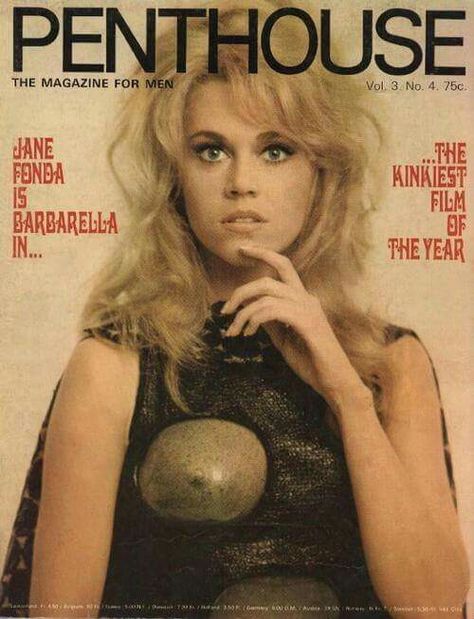
Okay. That title doesn’t have anything to do with short stories and how we write them (unless you’re on the right route to submit for Letters to Penthouse…does that still exist anymore?)

What do you mean you haven’t seen this movie!?I’m kind of surprised my mom let me watch it. I’m still mildly obsessed with angels…

I just wanted to mark the occasion of your thirtieth lesson in writing. And drum up interest for our last foray into the short story.

First–How did last week go? Were you able to come up with some ideas for future short stories? Did you write any? Did you revisit some of your favorites from the past? No? Come on…I can’t do it all for you!

If you have managed to draft up a couple of ideas and maybe even pursue them, and you’d like to have a second set of eyes, I’d love to take a look. As you may have seen, I updated my submissions guidelines on Tuesday for anyone looking to start building their platform as well as finding a place for their work (without the work of having to start and maintain a blog…gosh, I’m doing EVERY THING for you!)

So, last bit of short story advice is this. Once you have your strong (loved or hated character) and you’ve thrown them into a bus crash on their way up to hike Machu Pichu, what do you do with it?

Well, as in Poetry and Flash Fiction, if you you believe in this work and you want to see if it’s worth the reading for the general public; you submit it for consideration.

After a very thorough round of editing (or six), conformance (sure that’s a word?) to industry standard word counts, and all of your I’s dotted, you embark on the great internet search to find the perfect journals/mags/online forums to submit to. You find out the editor’s name, and use it to craft a beautiful query letter, follow each publication’s guidelines to the letter, and submit your work (while recording who and where and when you sent it to because you’re not a disorganized slob like me). Then you sit back and wait for the magic to happen.

Except you should never just sit back and wait as a writer.

Once that beautiful piece of literature, sure to torture high-school student’s someday with its dissection, is out in the hands of hard-eyed editors, you go back to that booklet of ideas and begin again.

The secret to a good writer, is that they don’t throw all of their hope into one basket and hurl it into the universe. They churn out the baskets, in a timely manner and with enough care that they aren’t just filled with shit. And they keep plugging away at it. And the first stories might actually be baskets of shit. But it gets better, they get better, you get better, until soon, you know what works and what doesn’t by the frequency of rejection notices.

I think I just summed up my writing existence in one paragraph. You’re welcome.

Normally, I would leave you with a list of publications that are accepting short stories. But…I think it might be time for me to kick you out of the proverbial nest on this one.

Go online–resist the urge to search cute kitten videos or Henry Cavill shirtless…holding kittens–and search for places now accepting submissions for short stories. If you can be specific in your search to the content of your story. Narrowing your search engine will save you time and weed out the journals that aren’t interesting in what you’ve written.

My general rule of thumb is collecting a list of 15 to 20 potential publications (yes, there are that many) and submitting my story(s) to 3 or 4 of them a week.

*Disclaimer–some publications will NOT ACCEPT simultaneous submissions so either submit different pieces or wait to submit until your current work is rejected (I’m not saying it will be…I’m just–*sigh*–saying that the odds are such).

Boom.

Mic Drop

That’s it. Go write something. Go submit something. Go watch “Barbarella” then write something. Come see me next week and yell at me for breaking your brain with Jane Fonda breaking ‘The Machine’. Next week’s topic is a surprise. (I say that because I don’t even know what I’m writing about next week)

Happy Writing!

The Beautiful Writers Workshop #29: The Short Story

Hello! Welcome back to The Beautiful Stuff and todays’ introduction to the well-known and prolific format we all suffered through in high school English.

Ladies and Gents: The Short Story

Don’t get me wrong, I say ‘suffered’ now because everything when you’re a teenager that entails any sort of responsibility not of your choosing is, to some degree, “suffering”. I mean, I could write for hours, holed up in my room, gladly passing the day. But ask me to read a short tome by O. Henry and I’d give you an eye roll and heavy sigh that would have rivaled the most put-upon martyr. Looking back, I actually really liked those stories. I remember dissecting them, studying the elements, and learning what made them so powerful.

Thank you, Joyce for “The Most Dangerous Game” and mining deep into the dark hearts of men. Hats off to the master of short story, E.A. Poe and his “Tell-Tale Heart” among at least a dozen others that gave me a healthy love of the spine-shiver. Shirley Jackson’s “The Lottery” was my first taste of apocalyptic fiction. I’m sure you’ve had similar experiences and I urge you to go back over those old favorites and see what you notice at a different age/stage of life.

The Short Story is actually lumped in with Flash Fiction and Micro fiction and is defined by a word count of 5,000 to 10,000. Some even dip down to the 1,000 range, occasionally they’ll touch 15,000. But in general, anything above that (30,000-60,000) is considered a novella. I’m giving it its own blog because the short story is a beautiful place to start if you are just beginning your path in writing. It’s not overwhelming but it will allow you to practice a lot of the bigger elements of story-telling. It requires a certain amount of frugality with words and demands a tight story arc which are good practices to hone before embarking on a novel-length piece.

What’s the difference from flash fiction? Well, in flash fiction you are looking at a snap shot of a moment; a defining moment, a quirky flash in the pan. In a short story you have more wiggle room for character development and the ability to tell a complete story.

Why’s that important you ask? Wow, you always come up with so many good questions!

Character development is important in short stories, because often it is the character that drives these stories. That doesn’t mean you get to expunge for 3,000 words on the finer details of Joe Doe’s eleventh grade algebra class. It means you have the opportunity to create a connection to the reader by showing who Joe is using his reactions to the situations presented.

How do you do this most effectively?

Photo by moein moradi on Pexels.com

Well, as in novels, you have to know your character. I once wrote a short story about a woman who’s husband left her on her 50th birthday for a younger woman. I got to know Jane Pearce so well, that I often think there’s a little bit of herself still residing in me. The part that snaps out of her doting-housewife haze and burns the mother-fu$^ing house to the ground, collects the insurance money, and retires to Italy under a new name. The point is, if you don’t know what drives your character then you risk wasting time and words on a vignette that should be tight.

What else do we need to know?

Death follows a Terrier on a Mission.
Photo by Matthias Zomer on Pexels.com

Well, you need an extraordinary event. A divorce out of the blue. A airship landing in the parking lot of the 7-11. A dog running down the street with a human leg in its mouth. A car crash, a panic attack, an island event where humans are hunted, a lottery to see who’ll be stoned to death. A body buried beneath the floorboards…something. Something that forces our beloved (or be-hated? is that a word? why isn’t it?) character into some tough decisions that make them CHANGE AND GROW. Yes. This can be done in the short span of 7,000 words.

You may, if you’re so plottingly inclined (in my head that sounded very judgmental, I apologize to all of my plotters out there), outline your short story to arrange it with the proper story beats, valleys and arcs necessary. Or, if you’re a slob like me, you can just start with the event and your character and see what madness ensues. Just be conscious this is a finite clip, not the 6-hour extended director’s cut.

I could, literally, go on for thousands of more words about the art of the short story, but I know you have some kitten videos to watch and probably a pants-less Zoom call to get on, so… I’m going to end this first blog (there will be others) with a good starting point for my beautiful writers out there.

The hardest part of the short story, for myself and other writer’s I’ve talked to, is finding a smashing good idea to write about. For this week, I’d like you to try one or both of these exercises and come up with, at minimum, 10 potential short story ideas. If you have the time, pick one or two and try your hand at a short story.

For the first exercise, I would like you to pick up a copy of your local newspaper (or scroll through it online) and seek out interesting or strange headlines that deserve a bigger story. The body pulled out of the river with no fingers. The discovery of pesticide residue in kindergarten playgrounds. Whatever catches your eye. Find a notebook, write down one or two lines on each and keep going. Don’t stop to write the story just yet. Let your beautiful brain simmer.

Secondly, I would like you to take a prolific historical/fictional or not character and ask “what if”. What if Henry Melville had been a modern day fisherman. What if Lizzy Borden had been a nursing home attendant? What if Buddy Holly had survived the plane crash? What if Donald Trump was really an alien? (ok, that one’s not so far of a reach)

Get freaky with it, twist history a little and see what interesting plot ensues. Thanks for playing today. Share your results and ideas, if you like and we’ll be back next week with more on the Short Story!

Happy Writing.

The Beautiful Writers Workshop #28:

Happy Tuesday Beautiful Writers. I hope that your weekend was productive or relaxing (depending on what you needed most). It’s been a surreal existence as the mountains west are experiencing a massive wildfire. Kids and dogs and parents all stuck inside while a throat-burning haze has settled over the neighborhoods and streets. Makes for a feeling of being pressed down even further into the desperation of our times.

I hope, where ever you are reading this from, that you are safe and healthy, and that you are taking the precautions you need to in order to stay well.

I feel like there are some soap boxes I want to stand on right now…I’ve already deleted a few paragraphs on matters related to the continued destruction of our world, to the importance of the people we put in charge of our governments when it comes to the health of the environment, to the responsibility we hold over the continuation of all life on earth. But I’m going to take a deep breath, back away from that for now, and offer you up what I promised. Flash Fiction examples and where to send your work.

The first comes from Bill Wickstrom (a helluva fine man, expert bicycle mechanic, fisherman, and 4-H Shooting Sports Instructor, from the beautiful wilds of Wyoming) Enjoy!

Untitled

The cat curled up in the sun, his stomach full and warm. I told him I would, he thought.

Next Ms Janis Perez from New Mexico (a nearly-retired fifth-grade teacher *standing ovation* who’s getting a jump start on her ‘new’ career as a writer *standing ovation #2 because teachers deserve EVERY ounce of support we can give them) we have:

Three Tires

            Lisa sat in passenger’s seat and wondered; what happened to the car who’s tire exploded with such force that all remained were the shreds of it being bandied about by the never-ending flow of traffic on I-25?

At some point, in some person’s day, their car’s stability broke away and they were faced with the instantaneous situation of being hobbled at breakneck speeds. Would the lights come? Would the sirens bawl and angry drivers crane their necks to see what had thrown off their commute?

What happened to the person in the three-legged car? Did they crash? Did they lose their jobs for being late? Did they die?

What did it sound like when your cushion of safety suddenly turned to the sound of aching metal on asphalt?

            What did it feel like to know were going to die? Even for a split second?

            “Nearly there! Boy this traffic!” Her father startled her. “Are you excited?”

            Lisa mumbled, “Sure.”

            “Come on, L Bean! This is the first week of college! Out on your own!”

He was painting on the false sense of excitement thick. She didn’t understand why he felt the need to pretend; why he was lying that he was excited she was moving out. Not when it had just been them for so long.

            Ever since the tire had blown out on their life. Ever since mom left shards of herself along the bathroom wall and tub. Pieces of her safety cushion spattered across the sink. Lucky number 13-birthday present. The quiet instability of a tire that couldn’t survive the pressure of lane-shifting at breakneck speeds.

            She wondered what would become of her father when they she was gone. When the emptiness of the house would be complete. How sturdy were his tires? Would he end up a scatter of broken pieces in the HOV lane?

What would happen to her?

Lisa looked out the window at the Albuquerque skyline, cluttered with the fog of traffic. The particulate matter of a city so congested that the wind couldn’t keep up with its exhaling. A large Lexus swerved in front of them and her dad hit the brakes reactively.

            Her heart stopped, the burn of rubber squealing beneath her, the painful nerve sense that flooded her body with adrenaline.

            “I wanna go home!” she shrieked.

            “What?” Her dad’s breath caught and he slowed down, avoiding the collision.

            “I want to go home. I don’t want to change lanes. I don’t want to go. I’ve only got three tires.”

            “What?” Her father swung his head to look at her between checking his mirrors. “Honey—“

            “I don’t want to be a tire in the road.”

            “Lisa, what are you talking about?”

            “Take me home,” she said.

            “You have to go.” The first honest words in months. “You can’t get to anywhere good, if you don’t take the road. You have to start making your won.”

            “Dad.”

            “I’ll get you there, safe and sound.” He promised.

And here are a couple of my own:

Hoarder

Grandma’s ghost hid the silver, again.

We-evil

            The desolation was complete. Nothing stood in the field but lone stalks of brown, looking like they’d once been corn, leaning at odd angles from random pockets where the potential of seeds once bedded. Dried holes in the ground. Dried memories of a life, no longer sustainable.

            Chance Patterson tipped his cap up against the sun and squinted, crows-feet to the sky.

            He couldn’t remember when he’d last seen the color green.

            He couldn’t remember when he’d last seen another person driving down the dirt road, or the farther off highway. The distant train tracks, long since abandoned. Not one soul.

Not since the cloud swept through. Not since the sky turned that awful shade of black and turned out the sun. Not since the sickness hit his herd and the cloud silenced his corn before fruit could bear. He sighed to the rays of a sun much hotter than all his memories of summer combined.

A smarter man might have moved on. Stocked up on gas, food, supplies, and what clean water he could find and left the land. Looked for what remained. Looked for someone else who’d survived. Chance tucked his cap back down at the sight of distant crosses on the hill.

Momma and Dad buried in the hard-parched earth. Sister Rose and his favorite dog Beau.

Who knew what kinds were left? The helpless kind? Or the killing kind. The hungry and wild kind, like the sickness that had took his brother’s brain and left bullet holes in the lot of them while Chance had been out walking the lines, looking for hope.

Coming home to the hopeless.

Why didn’t he just leave?

Call it the comfort of familiarity; call it the only place he’d ever known, his whole world the sixty acres of useless burnt ground, littered with the corpses of his family and the death of three generations of dreams. Chance kicked the dust, stirring the debris of corn and wheat up into the air and he recalled a song that one fella used to sing. Kind of the hippie type; kind of a rocker.

Time to move on, he’d said. Time to get going.

“What lies ahead,” Chance said and stared at the road, empty and sullen. Not even the casual silhouette of a raven on a fence post or finch on a wire. Was it worth the trip out? What if there was a woman out there? A woman, like him, just trying to survive. Nothing left to her name but the shitty straw of having survived.

What if…his eyes fell to the barren fields. The sun hit something, flashing a star into his eyes. He wandered over, bent down, and picked up the broken mirror of his old Tonka truck.  A boy playing in the dirt. Whole future ahead of him.

Maybe tomorrow he’d chance it.

Thank you to everyone who sent me something for consideration as well as to those who shared them without wanting to share it with the world. I’m honored you chose to share it with me. All stunning stuff, so thanks again!

Now, here’s your promised list. All of these journals and mags are phenomenal but I URGE you to READ THE SUBMISSION GUIDELINES before submitting. Some of them are very niche. Some of them have strict word count guidelines. Some are darker, some are lighter. Some require you to study a picture and write 100 words on what could be happening. All good things. Good luck and let me know if you get any response back from your submissions!

3 AM Magazine

Flash Fiction Online 

Word Riot 

Everyday Fiction 

Brevity 

Pank 

100 Word Story 

Smokelong Quarterly 

Hobart 

Drunken Boat 

Flash Fiction Magazine 

The Collagist 

Lunch Ticket 

NANO Fiction 

Fiction Southeast 

Southeast Review

Ernest Hemingway Flash Fiction Prize.

Literary Orphans –

The Rookery

Monkeybicycle 

Wigleaf –

Vestal Review –

 DecomP 

 Juked 

 Cheap Pop 

 Nanoism 

 New Flash Fiction Review 

 Lamplight,

FRiGG Magazine,

Superstition Review 

 Hoot

Willow Springs 

The Beautiful Writers Workshop #27: A Need-To-Know Basis

Today’s blog will be short in rolling with the theme of Flash Fiction and its most basic principles.

Last week we talked about Flash Fiction (1 to 300 word stories) as a ‘snap shot’, not photo album. You could also say it’s a clip of a film instead of the whole three hour director’s cut. Because of this brevity, the story must be a significant part.

How do we, as writers, utilize the details of a moment to make an impact in a short amount of time? Well, my friends, it has to do with that famous and hair-pulling piece of advice:

Show don’t tell.

In a novel you have time to back-story a bit. You have chapters to build a character’s story, and flesh them out. You have pages to describe the fall leaves flanking their drive one day, even when the climax doesn’t happen until late December.

Photo by Pixabay on Pexels.com

But in flash fiction you are limited in words, so every one of them must count. You don’t have the luxury of three paragraphs to tell a reader how the character made a cake just like her Grandmother and how it showed that she was tied to the past, and loyal to her family. You have one sentence to show us.

The audience is on a Need-To-Know basis. If a detail is pretty but insignificant for the purpose of story, it must be cut. The apron she uses may bring back random and various memories, but unless that memory is of her grandmother using it to dry her hands after slaughtering chickens for a voodoo ritual which cursed her love-life forever, I don’t want to hear it.

The loudest is always the first to go
Photo by Engin Akyurt on Pexels.com

In your Flash Fiction be sure to distill it down to the quintessential details, in curious and provoking ways which bring out the color of this photo and burn it into the retinas of your reader. That doesn’t mean it has to be shocking (burned out cars of ex-husbands, Iowan farm wives practicing voodoo rituals).

It just needs to be curious, gripping and brief. I don’t need to know the color of her hat, unless it’s significant to the story.

Now, personally when I think of what the audience ‘needs to know’, I prefer a little twist amidst those few lines. I prefer a flash piece to make me sit back with a; “Wait—what?”

It doesn’t have to happen. Sometimes the best flash work is simply a small slice of life that we all feel deeply, whether that be sitting at a funeral or sitting in dead-locked traffic (which is like sitting at your own funeral sometimes).

Again, practice your flash fiction this week and send me them if you wish. Try experimenting with something a little strange or unexpected thrown in. Let your brain just flow with a the strange and wonderful, try something that seems a touch jarring.

Next week, I’ll feature a couple of examples on Tuesday along with some journals currently accepting submissions for flash fiction. Then, we’ll move on to a new topic of discussion next Thursday.

Until then, beautiful writers, keep happily writing.  

Photo by Suzy Hazelwood on Pexels.com

The Beautiful Writers Workshop #26: Flashing for Fun and Profit

Yep. I said that. But in my defense…I don’t have a defense. I’m childish and immature. Please don’t go around “flashing people”. It’s not fun for anyone involved and you don’t make a good profit (unless you’re possessed of certain physical attributes—and even then, nothing in life is guaranteed.)

*for the record…that’s the first time I’ve spelled ‘guaranteed’ correctly on the first try. I just needed  to let every one know, so you’ll understand the kind of writer I am.*

When I say “Flashing” I’m talking about our next topic of discussion which is, of course, Flash Fiction.

If you like the brevity of poetry and quick, hard words that nail emotion to the theoretical wall with brute force, you’ll probably enjoy practicing flash fiction.

Let’s get started with a little introduction.

Ahem, Flash Fiction, these are my beautiful writers *gestures wildly out into the far reaches of the internet* They’re kind, amazing, and talented.

Writers this is Flash Fiction.

Flash fiction sprung up in the 1990s and has become a formidable form of storytelling that appeals to newer generations with ever-shortening attention spans and busy lives. Flash Fiction condenses a tapestry of story into a few short sentences/words/paragraphs. It also serves as a method to condense big ideas into concise writing, especially in terms of reporting (flash non-fiction?) and conveying information.

Ugh, that was dry. Talk about an awkward introduction.

Here are the basics. Flash Fiction is a form of short story that relies on brevity. Specifically, a word count between 1 and 300. If you’re wondering how you can tell a story in under 300 words, or even in under ten, allow me to give you one of the most famous examples:

“For sale, baby shoes, never worn.”

This very simple sentence/story has two commas, one period and a myriad of images that can affect the reader.

Flash Fiction is further divided into micro-fiction, sudden fiction (Wham! Suddenly there was Fiction! Out of nowhere and sudden!), postcard fiction, short story, and the short short story. Believe it or not, there are even sub-categories called drabble which refers to stories that come in at 100 words and dribble that come in at 50 words.

Why Flash Fiction, Sarah?

Well, I’m glad you asked. And…if you didn’t know, that’s what the S in S.E. stands for. The E stands for Enigmatic. Or maybe Exciting. Earnest. Edward. Eggo-(not to be confused with Ego). Who knows? Only my mom and she’d never tell because she’s as loyal as the day is long.

Back on point:

The advantages of Flash Fiction are as follows:

Several websites, literary journals, anthology collections, and magazines are interested in these bite sizes of life.

They are relatively quick to write from an artist’s perspective, which makes them more versatile and easier to explore different genres with.

I personally find flash fiction refreshing to write. For one, when you’re embroiled in a 120,000-word novel, bogged down in outlines and character sheets, plagued with plot holes and flat characters, it feels pretty damn good to step out with a 250-word taster of a completely unrelated character’s flash-in-the-pan dilemma.

Don’t misread. Flash Fiction may have fewer words, but it doesn’t mean that it’s ‘easy’. (She’s fast but she ain’t cheap). Writing more with less is difficult, especially if you’re accustomed to novel length work.

So, to start this little experiment, I’m going to make your first time (or maybe I’m not your first…it’s completely okay, I’m not judging what relationships you had before me) nice and gentle.

Take a current work in progress, a novel you’ve published, a poem you’ve written, and write a flash piece based on the characters or subject in a strange and new situation. Or, maybe six months after the novel ended. Or six months before. Show them in the parking lot with a new baby, or thrown into jail at sixteen, or sunk unexpectedly into a worldwide pandemic (too soon?)

Then…and this is the trick; don’t go on and on.

Think snap shot, not photo album.

One picture will tell us a lot about a person, without needing to see the whole photo album. (have you ever had to sit through someone else’s photo album? No, Sarah, because we’re not three-hundred years old, we have Instagram like normal people…what century are you from?)

Flash fiction is a novel if a novel were poetry. Condensed, potent, memorable.

For sale, baby shoes, never used.

Here’s a little flash piece (a drabble to boot) I submitted that won honorable mention, if you’re looking for an example.

She hadn’t meant to set it on fire, exactly. But now that the heat burgeoned from its windows, charring the leather seats and crackling up through the retrofitted steering wheel, she was glad for the warmth.

It was a shame he’d never get to see the way the flames jumped and swayed in the clear night turning cloudy. It was a shame he’d left it unlocked, parked outside the strip club. A shame he’d said he was at a meeting. What. A. Beautiful. Shame.

She pirouetted against the star-filled sky, and danced along the edges of erupting metal and smoke.

Try it out, have fun, and let me know how it goes. Share or don’t. If you do share and you’d like it featured just make sure you follow my rules against excessive violence/hate speech/rampant eroticism (a little is awesome—too much is…too much) before submitting. I look forward to hearing how it goes!

Happy Writing!

The Beautiful Writers Workshop #25: Submitting Your Poetry

Good morning poets, writers, daydreamers and those who’ve accidentally stumbled onto my blog. Welcome. Grab a seat and a cup of coffee.

I’m starting off today’s post with some poetry submissions that came in over the last two weeks. I want to commend all the poets who send me their work. On a site like mine, where no profit is made, the art I share and display is for the soul and seeks to create a connection between us all. It means a great deal to me, especially in these days of separateness, to have someone answer back from the darkness with pieces of their lives that have moved them.

The second portion of this blog will have a run down of helpful tips (f*&k yeah! another bullet list!) on submitting your poetry for publication or competitions as well as a list of respected journals, websites, and independent magazines that are currently accepting submissions.

Please enjoy the poetry first. Roll it over in your brain and let it affect you.

From a small foam couch by a wide still

morning spreads hummingbird wings

and hovers above sweet shared generosity of

green breath, fragrant openings berries rounding

toward giftable ripe.

In my hand a letter of

urgent pleas, a photo of a severed head, defaced, a supine body.

i hear the cries of the killers’ children

starved of homeland, thirsty for water

not weighted by toxic sludge, in the

mourning touches and silent vigil—those who

gather to hold the immensity of loss and betrayal

together, whose hearts beat slow and whose long

trunks touch, mourner to mourner, connecting.

In my head echoes a question the letter refuses

to ask. Who buys this ivory?

Earnest groups patrol for poachers and

arrest sellers and confiscate poached evils, but

those with money enough to buy have

clout enough to hide or we allow them

to remain hidden behind lavish excesses

of endless kinds, hiding the sickness they carry

behind false fronts of our own contrived desires—

convinced that their perceived ease is our only goal.

In the pain of this poem is not where

i want to be this morning. In the dusty

Mara waiting for rain, waiting for humanity

to remember where we came from, where

we can again live whole and connected

among kin of all kinds who know us

as worthy of being mourned, i feel

the touch of sensitive trunk on my streaked cheek.

In my breath can i carry this song

of our truth—our birthright wealth? In my

heart can a scent of love spend the only

currency that matters? With my strong legs

i can embrace the work, celebrate the work, of

releasing our aspiration to laziness, so that

in my cupped hands, i can gather ripe fruits

to carry to all who hunger.

sid sibo

What I Didn’t Say

What I didn’t say

was that I was not sorry,

That you deserved

every faltering and bold moment

I loved you

What I didn’t say

was the space between notes

and the harbinger of changes

that I hadn’t heralded yet

All the words I did not speak

Still bitter on my tongue

And in their place

A thousand sorrys

I did not mean

I am not sorry

for my heart tremors

erotic night dreams

and the wicked way my hands scraped skin

I am not sorry

For falling, impetuous and blind

into the volcanic mess of you

The stifling and choking cloud

Heat of resistance

burning around

a cold,

locked heart

I am not sorry for sacrificing

my heart cells
to the lost cause of you and yours

You can have them,

the cardiac muscle and hardest working fibers

What I didn’t say

is that

you can take them all

You need them more than I do.

Elliana Byrne

Non attachment

I’ve been preaching to my mind

In forced moments of stillness,

When images of you surface

Non attachment.

Nothing really exists.

Least of all you

Least of all me.

Nothing is permanent.

Ever changing

Ever moving

To hold on is to suffer.

i am not attached.

i am not in need.

You are nothing.

And everything.

As everything is nothing and

Nothing is in the everything.

So even though you may

have seemed my everything

You are, as all, just nothing.

Just Neo’s spoon.

And I know now

There is no spoon.

So it can bend and move,

Or cease to exist.

There is no you.

No me.

No this,

No words you gave

Or thoughts you implanted.

There’s nothing but the breath

And the heat within me

Forging in time,

mine of universal light

Perfect harmony

And maybe this is the way I let you go.

Because you are the

Regret of my past

The ill-placed hope of my future

And all I really have…

Is the empty now.

Thanks for reading through all of those beautiful journeys into humanity. Now, I present to you a short and sweet bulleted list of tips for submitting your work:

  • Do your research: There’s nothing worse than sending your erotic, atheist, non-trad poem to a Christian Journal looking for pieces to be read aloud at their yearly conference. Know the journal/mag/contest you are submitting to. Try to write or match up a poem that fits what they’re looking for or at least the general “flavor” of their publication.
  • Be respectful and follow the guidelines: Every submission has guidelines. Read them. Follow them. If it seems like jumping through hoops is a waste of your time, thinking of sending out 35 submissions that don’t even qualify. That’s a waste. Most guidelines can be found on the website beneath or within the “Submissions” page.
  • Make sure your work is complimentary and tight: If you send out a group (3-5) poems it will help to have the poems compliment one another in some way, so the tone is not too disruptive but it also shows the depth of your writing skill. Also. EDIT. I know poetry is a bit free form and we can play with spellings and words to make things interesting, but don’t play it that way if you really just didn’t feel like spell checking.
  • Keep a Log of your submissions: If you use Submittable (and many contests, journals and mags do), it will track who you’ve sent work to, when, and how much the fee was if applicable. This not only helps you keep on budget but it allows to see where your work is and query or move on if no responses are given with the appropriate time frame. If you don’t want to go that route, you can make a spreadsheet in Excel, or keep a notebook with the date submitted, the publisher/journal, the poem(s) sent, the expected response time, entry fee, and anything else that you feel like creating a column for.
  • Don’t be afraid or discouraged by rejection: I’ve known poets who submit over 700 times a year and maybe get only five to ten poems published. I’m not nearly that ambitious but it helps to know that its just part of the game, and is not necessarily a reflection of your work so much as it is a matter of odds.
  • Know your ownership rights: Some forums will require that they have the sole publishing rights for a certain amount of time, meaning you can’t put it on your website or shop it around, even to local or smaller works. Be sure that you are okay with their terms of publication.
  • Start Small: Ya’ll I’m not even joking. One of the biggest secrets to publishing is to not throw your heart into the cauldron of huge publishing factories. Not only will your work get lost in the endless entries from around the globe, but it may not get into readers’ hands in the same way you wrote it. Do yourself a favor and research local magazines, niche magazines (think Erotic Atheist Digest?), local writing groups, and small literary presses. While they can be more discerning in some respects, they also carry the torch of being outliers that appreciate the art in a more grassroots way.

Well…holy smokes this might be one of my longest posts but, I did also promise you some good starting points for sending out your work. So, big breath in, you’re in the home stretch.

  • Thrush Journal
  • 8poems
  • 32poems
  • Rattle
  • FreezeRay
  • Ghost City Review
  • Barren Magazine
  • Little Death Lit
  • Palette Poetry
  • Wildness Journal
  • Androit Journal
  • Frontier Poetry
  • Winter Tangerine

Don’t forget to search local college/university literary journals, local publishing companies or poetry groups, and independent journals. Don’t be afraid to, every once in a while, send your stuff to bigger places too. The Harvard Review and Poetry Magazine as well as The New Yorker usually also accept submissions.

Until next week! Happy Writing!