Poetry

Today was not my best

I woke up with

Heart palpitations

A panicked bird in my chest

Crushed with loneliness

Aching just to be touched

To be reassured

that my own body was real

And beneath that,

Behind the pounding of my brain

The incessant ache in my temples

I felt this burden.

the world’s sadness

all of it,

pressing out from behind my eyes.

None of it mine

To fix.

Not even if I tried.

I woke and debated with myself

The rational side whispering

Don’t wake them.

Though you’re lonely

And sad

And shaking

Don’t let them bear witness

To the crazed cacophony of terror

That pounds in your veins

That sends shivers rolling through you

Marching to the song:

You’re not enough

Nothing will be enough

We’re all going to burn

The world is ending and

You’ve brought

your own children here

To die.

I wrapped my arms around your body

To touch something real

To be grounded

To hold on

And help me feel

Not so alone.

Not so much pain.

But still this feeling follows me

In the daylight

While I set the table

And type the words

And bend to fit

What needs to fit.

A panic hangover

Like a shadow behind my eyes

Dulling everything with shades

Of impending hopelessness.

Today I’m not my best.

Poetry, Humanity, Gravel and Gold.

Listen Kids. We’ve been going hard at it now for the past few months all about writing theory, types of writing, how to write, what to write, and on and on and on and on…

Today is the last Thursday before the election and it has been a crazy past few months. To that end, I would like to offer you a little bit more of the Beautiful portion of The Beautiful Stuff.

There are no exercises to do, no work-in-progress to compare and tweak.

No Bullet Lists

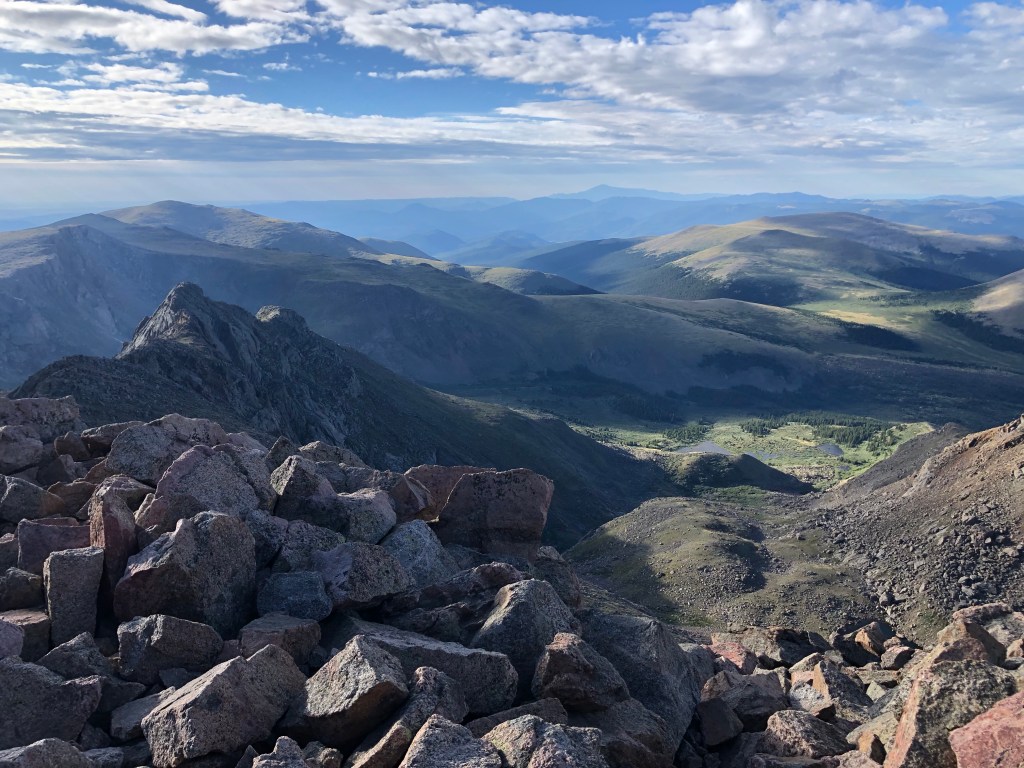
Just a poem or two I wrote while camped out in the Rocky Mountains for a few days, re-evaluating my writing and, in part, my life.

I hope you find repose in the next week or two. I hope you weigh what is good, and just, and right for all of our citizens. I hope you vote with the conscience of someone who cares for their fellow human beings and all of our quality of life. I hope you vote.

When it’s done I hope you can let the last few years of hatred and divisiveness go. Put it down. Reach across the chasm that was created by small-minded men seeking to destroy unity and human decency. Those who grew their power by pitting us against one another.

I hope you can find rest. I hope you can find beauty. I hope you find your voice and you use it to stand up against injustice, stand up for your fellow human beings, and stand together against hatred.

Photo by Lisa Fotios on Pexels.com

Here it is. Poetry

More Gravel Than Gold

I hope that heaven’s streets,

are more gravel than gold.

That the armaments are granite peaks

and the angels’ song,

quaking aspen.

I hope that heaven’s throng is more full

of friends than the righteous.

That the memories of Grandma’s hands

will be photos regained in focus.

I hope that heaven is made of home

more porch swing and creek than opulent spire.

That they’re waiting to hear my tires in the driveway

and they’ll rush out with soapy hands

warm hugs

and how was the drive?

I hope that heaven’s streets

are more gravel than gold

And we’ll meet there together

on the porch, beside the hush of river,

telling tales of the journey in.

The Beautiful Writers Workshop #25: Submitting Your Poetry

Good morning poets, writers, daydreamers and those who’ve accidentally stumbled onto my blog. Welcome. Grab a seat and a cup of coffee.

I’m starting off today’s post with some poetry submissions that came in over the last two weeks. I want to commend all the poets who send me their work. On a site like mine, where no profit is made, the art I share and display is for the soul and seeks to create a connection between us all. It means a great deal to me, especially in these days of separateness, to have someone answer back from the darkness with pieces of their lives that have moved them.

The second portion of this blog will have a run down of helpful tips (f*&k yeah! another bullet list!) on submitting your poetry for publication or competitions as well as a list of respected journals, websites, and independent magazines that are currently accepting submissions.

Please enjoy the poetry first. Roll it over in your brain and let it affect you.

From a small foam couch by a wide still

morning spreads hummingbird wings

and hovers above sweet shared generosity of

green breath, fragrant openings berries rounding

toward giftable ripe.

In my hand a letter of

urgent pleas, a photo of a severed head, defaced, a supine body.

i hear the cries of the killers’ children

starved of homeland, thirsty for water

not weighted by toxic sludge, in the

mourning touches and silent vigil—those who

gather to hold the immensity of loss and betrayal

together, whose hearts beat slow and whose long

trunks touch, mourner to mourner, connecting.

In my head echoes a question the letter refuses

to ask. Who buys this ivory?

Earnest groups patrol for poachers and

arrest sellers and confiscate poached evils, but

those with money enough to buy have

clout enough to hide or we allow them

to remain hidden behind lavish excesses

of endless kinds, hiding the sickness they carry

behind false fronts of our own contrived desires—

convinced that their perceived ease is our only goal.

In the pain of this poem is not where

i want to be this morning. In the dusty

Mara waiting for rain, waiting for humanity

to remember where we came from, where

we can again live whole and connected

among kin of all kinds who know us

as worthy of being mourned, i feel

the touch of sensitive trunk on my streaked cheek.

In my breath can i carry this song

of our truth—our birthright wealth? In my

heart can a scent of love spend the only

currency that matters? With my strong legs

i can embrace the work, celebrate the work, of

releasing our aspiration to laziness, so that

in my cupped hands, i can gather ripe fruits

to carry to all who hunger.

sid sibo

What I Didn’t Say

What I didn’t say

was that I was not sorry,

That you deserved

every faltering and bold moment

I loved you

What I didn’t say

was the space between notes

and the harbinger of changes

that I hadn’t heralded yet

All the words I did not speak

Still bitter on my tongue

And in their place

A thousand sorrys

I did not mean

I am not sorry

for my heart tremors

erotic night dreams

and the wicked way my hands scraped skin

I am not sorry

For falling, impetuous and blind

into the volcanic mess of you

The stifling and choking cloud

Heat of resistance

burning around

a cold,

locked heart

I am not sorry for sacrificing

my heart cells
to the lost cause of you and yours

You can have them,

the cardiac muscle and hardest working fibers

What I didn’t say

is that

you can take them all

You need them more than I do.

Elliana Byrne

Non attachment

I’ve been preaching to my mind

In forced moments of stillness,

When images of you surface

Non attachment.

Nothing really exists.

Least of all you

Least of all me.

Nothing is permanent.

Ever changing

Ever moving

To hold on is to suffer.

i am not attached.

i am not in need.

You are nothing.

And everything.

As everything is nothing and

Nothing is in the everything.

So even though you may

have seemed my everything

You are, as all, just nothing.

Just Neo’s spoon.

And I know now

There is no spoon.

So it can bend and move,

Or cease to exist.

There is no you.

No me.

No this,

No words you gave

Or thoughts you implanted.

There’s nothing but the breath

And the heat within me

Forging in time,

mine of universal light

Perfect harmony

And maybe this is the way I let you go.

Because you are the

Regret of my past

The ill-placed hope of my future

And all I really have…

Is the empty now.

Thanks for reading through all of those beautiful journeys into humanity. Now, I present to you a short and sweet bulleted list of tips for submitting your work:

  • Do your research: There’s nothing worse than sending your erotic, atheist, non-trad poem to a Christian Journal looking for pieces to be read aloud at their yearly conference. Know the journal/mag/contest you are submitting to. Try to write or match up a poem that fits what they’re looking for or at least the general “flavor” of their publication.
  • Be respectful and follow the guidelines: Every submission has guidelines. Read them. Follow them. If it seems like jumping through hoops is a waste of your time, thinking of sending out 35 submissions that don’t even qualify. That’s a waste. Most guidelines can be found on the website beneath or within the “Submissions” page.
  • Make sure your work is complimentary and tight: If you send out a group (3-5) poems it will help to have the poems compliment one another in some way, so the tone is not too disruptive but it also shows the depth of your writing skill. Also. EDIT. I know poetry is a bit free form and we can play with spellings and words to make things interesting, but don’t play it that way if you really just didn’t feel like spell checking.
  • Keep a Log of your submissions: If you use Submittable (and many contests, journals and mags do), it will track who you’ve sent work to, when, and how much the fee was if applicable. This not only helps you keep on budget but it allows to see where your work is and query or move on if no responses are given with the appropriate time frame. If you don’t want to go that route, you can make a spreadsheet in Excel, or keep a notebook with the date submitted, the publisher/journal, the poem(s) sent, the expected response time, entry fee, and anything else that you feel like creating a column for.
  • Don’t be afraid or discouraged by rejection: I’ve known poets who submit over 700 times a year and maybe get only five to ten poems published. I’m not nearly that ambitious but it helps to know that its just part of the game, and is not necessarily a reflection of your work so much as it is a matter of odds.
  • Know your ownership rights: Some forums will require that they have the sole publishing rights for a certain amount of time, meaning you can’t put it on your website or shop it around, even to local or smaller works. Be sure that you are okay with their terms of publication.
  • Start Small: Ya’ll I’m not even joking. One of the biggest secrets to publishing is to not throw your heart into the cauldron of huge publishing factories. Not only will your work get lost in the endless entries from around the globe, but it may not get into readers’ hands in the same way you wrote it. Do yourself a favor and research local magazines, niche magazines (think Erotic Atheist Digest?), local writing groups, and small literary presses. While they can be more discerning in some respects, they also carry the torch of being outliers that appreciate the art in a more grassroots way.

Well…holy smokes this might be one of my longest posts but, I did also promise you some good starting points for sending out your work. So, big breath in, you’re in the home stretch.

  • Thrush Journal
  • 8poems
  • 32poems
  • Rattle
  • FreezeRay
  • Ghost City Review
  • Barren Magazine
  • Little Death Lit
  • Palette Poetry
  • Wildness Journal
  • Androit Journal
  • Frontier Poetry
  • Winter Tangerine

Don’t forget to search local college/university literary journals, local publishing companies or poetry groups, and independent journals. Don’t be afraid to, every once in a while, send your stuff to bigger places too. The Harvard Review and Poetry Magazine as well as The New Yorker usually also accept submissions.

Until next week! Happy Writing!

The Beautiful Writers Workshop #24: The Basics of Poetry

Hello writers,

First, apologies for missing last week. I started my Thursday morning at 2 am, driving to the trailhead of my first 14er. It was a beautiful cool day up on the mountain and I was pretty tired upon returning home.

In addition to that, and on the same day, we welcomed a new family member into our home.

So I’ve literally been climbing mountains and raising babies for the last few days and am now safely locked in my office for an hour of dedicated writing time.

Without wasting any time, let’s get into the basics of poetry.

Some of us are born with the inclination towards alliteration, symbolism, personification and all the intrinsic elements of powerful poetry. For the rest of us, becoming a better poet (progress not perfection) can be accomplished by learning the dynamics of poetry form and function.

Now, I’ve heard a lot of degrading comments on poetry that rhymes. First of all, Poetry is Poetry. It doesn’t have to fit into some MFA or Beatnik/Hipster trend to be worthwhile.

Witness:

“She walks in beauty, like the night

Of cloudless climes and starry skies,

And all that’s best of dark and bright

Meet in her aspect and her eyes;

Thus mellowed to that tender light

Which heavy to gaudy day denies”

Lord Byron

Or one of my other favorites:

“When I am dead, my dearest,

Sing no sad songs for me;

Plant thou no roses at my head,

Nor shady cypress-tree;

Be the green grass above me

With showers and dewdrops wet;

And if thou wilt, remember

And if thou wilt, forget.”

Christina G. Rossetti

Or Even:

“There’s too many kids in this tub

There’s too many bodies to scrub

I scrubbed a behind

And it sure wasn’t mine.

There’s too many kids in this tub.”

Shel Silverstein

Many a talented writer use rhyming and alliteration to build a beautiful rhythm that lends well to spoken recitation, which is one the most important foundation of Poetry. We’ll get into that a little later.

Do you need to rhyme your lines for it to be “poetic” or presentable? Of course not, as I mentioned last week, Poetry’s main function is to tell a story in the thickest, boiled down way. I do think it’s important to play with the concept of rhyming poetry, even if it’s only as a practice. It will not only help you to build your vocabulary, but it teaches you the essential dynamics of beat, and syllabic flow.

When considering how to help other writer’s have a good starting point for their experimentation into poetry I thought of the things that have helped me to grow and thrive in my poetry.

And I even put it into a bullet list because…bitches love bulleted lists.

  • Read a lot of poetry : The same as in any writing, if you want to know what works, read a variety of poetry. From the classics to the more modern and experimental forms. You can subscribe to the Poetry Foundations daily poem ( poem a day ) or, invest in some independent poetry journals and magazines (http://32poems.com/ is great and there are many others). Support local poets and writers by buying anthologies (ahem: https://www.amazon.com/Small-Things-Beautiful-Anthology-2019-2020/dp/1692331558)
  • Attend Poetry Readings (as social distancing permits–you can find online forum as well): The beauty of poetry, as I mentioned above, the ability for it to translate into the spoken art. Performance poetry will move you in ways that simply reading it cannot. By listening to poets read their poetry, you can catch a lot about word use, syllabic stress, alliteration, rhythm, tempo, and personification. Plus, the emotion of poetry is so much more present when someone is telling it to you.
  • Start Small: You don’t have to write The Iliad. Start with a haiku (5-7-5) or even put a 25 word limit on your poem.
  • There is Poetry in Every Thing: You can write a poem about a ball of yarn, a flower, the death of a loved one. Every object, feeling, action, or person can be inspiration. I once wrote a poem about a katydid I found being eaten by a wasp. I’ve written a poem about tripping. There is a poem in every thing. Find it.
  • Don’t Obsess Over First Lines or Titles: Just like pausing to edit your novel or story can interrupt the flow of creativity, worrying about creating the ‘perfect’ first line will staunch the ideas. Just start from somewhere. Like any writing, poems will undergo different rounds of changes and editing. Sometimes I don’t have a title until the final edit. Sometimes I don’t ever have a title. Don’t let that stop you from trying.
  • Tell a Story/ Express Big Ideas: One of my favorite things about poetry is that in a single stanza we can learn a world. Poets that are magnificent at this are: Maya Angelou, E.E. Cummings, Edna St. Vincent Millay, Sylvia Plath, Chuck Bukowski, Pablo Neruda, and Mary Oliver.
  • Use Tools: It probably sounds silly to remember your thesaurus but when we are working with an economy of words the difference between the right word and the almost right word is, as Twain said, the difference between lightening and a lightening bug. My favorite function in Word might be the “synonym” checker. Just make sure that it still conveys the flavor and tone you are aiming for.
  • Connect With Other Poets: Your local writing groups or if you follow social media, will have groups that can help you learn more, have safe places to share, and provide opportunities to submit.

Well, that was a lot of information. On Thursday I will be featuring some poems that came in last week (one from my absolute favorite fellow Wyomingites, sid sibo, is among them) There’s still plenty of time to contribute so send your experiments my way.

Until then, good luck. Delve into reading some new poetry and exploring your own abilities in the field.

Happy writing!

The Beautiful Stuff Writers Workshop #15: Poetry and An Easy-Sleazy Exercise

As we are in the last week of National Poetry month I have a couple to share from last week’s exercises before we get into some fun little distractions from your current pandemic confusion.

But first…some Verse…


LESSONS


The children must be taught

But why?

So they can “grow up”?

So they can feed this horrible and unequal shipwreck of a country?

This continuous machine that steals their joy

and forces them into tiny boxes of pre-approved paths?

Paths that continue to feed the privileged?

who ride, like great white kings, on the backs of former dreamers?

Dreamers forced to live on the crumbs of cake that fall

from their slovenly white jowls?

The children MUST be taught

A new lesson.

A new way…the way of their heart.

The way their soul already knows.

The way that shouts out,

“You don’t get to tell me what my potential is–

You don’t get to standardize my worth by tests and deficient wages.”

The lesson of straightening spines

To topple the oligarchy from their shoulders

and down into the mud, to take their turn in wallowing.

Lessons must be learned.

The children must be taught.


–J. McLaughlin (Fort Collins, CO)


And from Miss Elliana (past contributor) :


IMBALANCE


And so it is,

Not one damn word in my head,

While the world rolls and sways,

Constantly tipping the balance point

Now to humanity

Now to the hungry gnash of teeth.

And I can’t remember the last words I said to you.

I can’t remember if

I was human that night

Or gnashing.

I must have felt the full and oceanic spectrum

all the love

and the hate

desire

and regret

Heart and mind, a mirror of the worldly indecision.

I like to imagine I was kind.

Even though I’m well aware,

of the splendid mess I am

for that boy.

A stammering, uncontrolled fool.

But these are stammering, uncontrolled and

foolish times.


–Elliana Byrne (Boulder, CO)


Finally, because I cannot ask you to do something that I wouldn’t do myself I decided to experiment with storytelling/dialogue in poetry:


TRUTH


“The truth–“she breathed. “The truth is that love changes.

In ways we don’t expect when we first fall.

It grows and festers, or it cools and softens.

It recedes and fades.

Sometimes it aches,

like a bone that healed wrong.”


His thought crashed out loud.

Thick skinned rhino parting reeds.

“How did you love me?”


Heavy stillness settled

Hot, lazy, savanna swelter

hanging over, waterhole dried.

Air so thick, she could cut it

With the truth.


“The festering, aching way.”

And, since it’s still Poetry Month…here’s some ideas to squeeze in a few more exercises in the art for this last day of April!

You’re welcome.

  1. Write about something that will always be out of reach (everything from the cookie jar to the corner office)
  2. Write a poem where each line/sentence is about each day of a week (maybe last week, maybe an alternate universe week)
  3. What does your favorite color taste like?
  4. What it feels like when you don’t belong in a group of others. (do you want to belong or are you trying to stay an outcast? Play with the difference in those emotions.)
  5. Start the first line of your poem with a word or phrase from a recent passing conversation between you and someone you don’t know. (it can be a simple, “how’s your day going?” from the clerk at the grocery check out line, or more intrusive like a “Have you found Jesus?” concern from a person on your front door step. Maybe it’s the “It’s called a blinker, jackass!” you hear from behind you in traffic (back in the day when we sat in traffic).

Happy Writing!


The Beautiful Stuff Writers Workshop #14: Poetry: The Quarrel with Ourselves

“We make out of the quarrel with others, rhetoric, but of the quarrel with ourselves, poetry.” –William Butler Yeats


I cannot believe it’s taken me nearly all month to remember that it is, in fact, National Poetry Month. I think I may have skimmed over something in the deluge of news clips and overthought, under-edited articles that pervade my cyber space, but in a world where days blend together, I nearly missed it.

You know what coming next, don’t you?

Oh,I’m not being lazy! It’s good practice!

And its more a matter of economy–I’ve got end-of-school projects due and a Black Belt Progress check this week, and therefore, my plate is a little full. So this week your exercise is simple. Go outside, mask it up if you find yourself in a bustling park, of course, but if it’s a deserted early morn, breathe the un fettered air, allow a scrap of paper and pen to tag along with you.

Take ten minutes of just being aware of the moment. What do you see? What do you hear? What do you feel? What do you smell? Use these observations and notice how they filter and affect the thoughts already on your mind. Have a quarrel with yourself and see what arguments emerge. What solutions? What epiphanies?

Then go find yourself a favorite place to sit and write me a poem.

I was going to give you some restrictions but I think we’ve all had enough of those. Any length, any form, rhyming or blatantly against, iambic pentameter–why the f%*k not? Limerick or Odyssey, dark or light, whatever is on the tip of your brain, no matter how sharp or dull.

Send them along, and let me know if you want me to include them in the weeks to come.

I’ll craft one as well.

Happy Writing!

The Beautiful Writers Workshop #7

Hello!


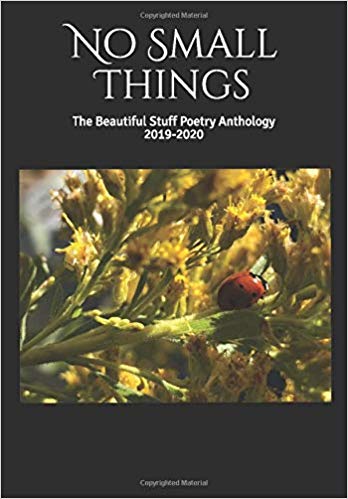
With all of the excitement of last week’s book release (oh my god, here’s a link! Go buy it, it’s fantastic! Impress all your friends with the cultured look of carrying around a poetry book–classy my friend, very classy: No Small Things: The Beautiful Stuff Poetry Anthology 2019-2020) and a very personally busy week, I missed last Thursday’s lesson.

That’s probably going to happen from time to time in the next few months. I am in a strange season in my life and coping with some heavy changes. Add to that work, kids, parents, and school and I’m lucky I even remember to put on pants in the morning.

So–there may be some weeks that come and go without my lovely presence streaming across the ‘universe’ at you, but rest assured, I’ll always come back. And here I am. So let us commence.

This weeks creative exercise is really short and easy so I’m asking that you do it twice.

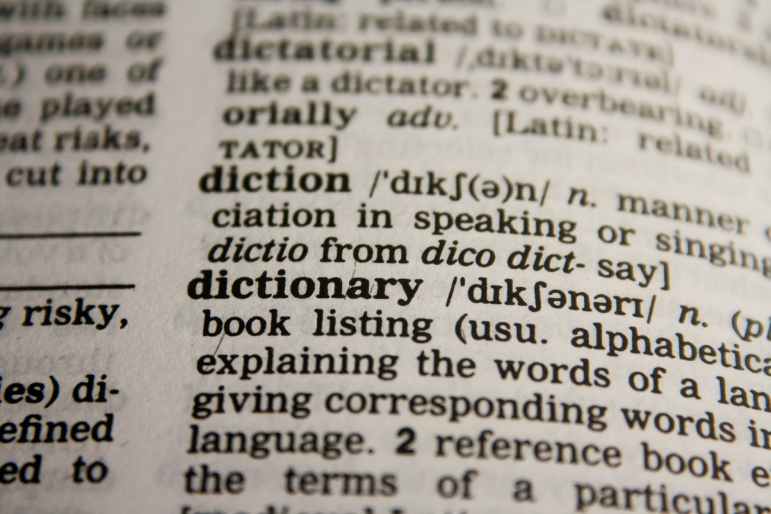
1.) Pull out the dictionary

*Don’t have one? What? Shut the front door! Every household should have a dictionary. Fine. Ugh. Go online if you must to: Who Doesn’t Own a Dictionary?

2.) If you’re an actual writer with a dictionary (yeah, I said that…I don’t cut often but when I do, I cut deep) blow the dust off. If you’re using the internet, order a dictionary then continue on (free snark given to those not owning a dictionary)

3.) Flip to a random page and chose a random word. Read all about it, and then…

4.) Take that word, and the one before it and after it and compose a 500-1000-word short story using those three words.

Easy peasy lemon squeezy.

If you want a little something more, do it again (or use the same three) and write a poem using those words.

Okay, there you go. I’d better go put my old nose back to the grindstone. Happy Writing.

It’s Here, It’s Here! It’s Finally Here!

Hey ya’ll.

I know I’ve made a lot of empty promises and delays in this project, which is misleading because it is something so dear to my heart. But there have been life hiccups and unexpected formatting issues (one just last night that came to my attention and pushed back the release by a day!)

Needless to say, this project has been on the drawing board far longer than I anticipated.

But like all good things…sometimes you just have to love it (warts and all) and let it go. So, without further fanfare, I invite you to purchase and peruse “No Small Things: The Beautiful Stuff Poetry Anthology 2019-2020”, available later today at Amazon.

Here is the link:

No Small Things Poetry Anthology

Thank you so much for your patience and support for all of the great poets who contributed. Share this around and help spread the love for artistic endeavor. Sometimes this life can be so ugly and harsh, we have to nurture the beautiful no matter how small.

If you are interested in purchasing a signed copy directly from me, please feel free to contact me via The Beautiful Stuff contact page or at sereichert@comcast.net

Until then, Happy Reading.


The Beautiful Writers Workshop: Week #6 Character Development


Good Morning! Quick announcement for those of you following such things. The Beautiful Stuff Poetry Anthology of 2019-2020, “No Small Things” will be released this coming Monday the 17th of February! Appropriately just past Valentine’s Day. That means you can buy it for a belated gift, because everyone knows the actual day is just a commercial driven, chocolate and sex-fest. (if it were just a chocolate and sex-fest, without the commercialism, I’d be totally for it.)

But a stunning book of poetry is the gift that keeps on giving.

Stay tuned for pictures, samples, and book giveaways happening this month and thru March. Also, be on the lookout for a book signing to happen this Spring in Fort Collins. I will let you know the date and place as it solidifies.

AND NOW THIS:

First off, where in the hell are your haiku’s?

None? Psh…cowards.

Okay, here’s a few from some brave souls out there.

Miss. Elliana Byrne from Boulder, Colorado sent me this lovely and thought worthy collaboration of five.

He said, I can’t help

With all your mental raving

You’ll have to sort it


He said, I was sweet

A juicy peach to bite, hard

But I talk too much


He said, breathe deeply

When I’m not so insecure,

He might give a fuck.


He said, I wouldn’t

Not with you, and your baggage

Stacked higher than sin.


They all want to taste

But none want to swallow me.

Jagged edge sweetness


Here are a few of my own in “honor” of the upcoming holiday.


1.

Silence stole my heart

You are gone, and I am lost

You were my constant.


2.

February lies

In drifts of heart-shaped candy

All love is false hope.


3.

Mechanical heart

Pumping without feeling love

Empty valves digress.


4.

She carried it well

Cancer of melancholy

consumed heart tissue.


There’s no time limit on these exercises and no order so if you want to send me anything from The Beautiful Writer Workshop, feel free.


NOW, ON TO THIS WEEK’S BEAUTIFUL STUFF:

This week’s exercise is short and sweet (not 17 syllables short, you’ll need some time on this one.)

Take ten to thirty minutes (together or in pieces) and pick either one of your favorite characters from a work in progress OR a favorite character from an already published book.

Write their backstory.

Where were they born? What was the name of the hospital? What time of day was it? What were they like in kindergarten? Did they run track or dole out drugs in high school? What’s their most defining internal characteristic? What strange thing do they do when they think they’re alone? What’s the worst thing about them, external or internal? What’s the best?

If you’ve already done this, then kudos to you. The writer that knows their character will have a much easier time telling their story. If you haven’t done it, get on it!

If you don’t have a character of your own, pick one of your favorite characters from literature (or dime-store novels, it doesn’t matter) and rewrite them as the anti-hero/opposite and be sure to have the backstory of why they turned out that way.

What defining moment in their life changed it all?

Okay. Go. You don’t have to send anything in on this one, but keep in it your file for your WIP. If you like it and find it helpful, do a similar exercise with the other characters in your book/novel/short story. Even the “sidekicks”. Everybody’s got a story.

Until next week, Happy Writing.

 

The Beautiful Writers Workshop #5: Haiku, can you?

Good Thursday morning, writers! I hope your week has been productive and your mental coffers are overflowing with ideas.

Today I’m going to be featuring some awesome first lines from the “Ten First Lines” exercise, as well as a few of my own. But first, down to business.

I realize we aren’t all poets here. I know that some of you have more the mind for long and involved stories. But, sometimes when time is limited a quick little scribble of something is better than nothing at all. Often, I find that these little scraps of creativity can lead me to a good short story or even get me over a plot problem in something I’m working on.

So today, your exercise is to experiment with the dreaded 9th grade (probably earlier nowadays) assignment of writing 2 to 3 haikus, alternately and if you are of the mind, you may write limericks (but no pilfering the dirty ones that still remain stuck in your head long after algebra has disappeared).

If you need a refresher, the haiku is a form of poetry, originated in Japan, following a syllabic structure in three lines. 5, 7, 5.

example:

“A World of Dew” by Kobayashi Issa

A world of dew,

And within every dewdrop

A world of struggle.

(Hey, wait, that first line only has 4, Sarah!)

Yep, that’s the thing, sometimes poets will play with the rule as long as they stay in the general confines of brevity for big ideas. such as this:

“In a Station of the Metro” by Ezra Pound

The apparition of these faces in the crowd;

Petals on a wet, black bough.

If we make a break after ‘apparition’ it works in format, but Ezra’s point was to keep that flow of the first 12 syllables of ideas all together.

So, see?
It’s not so rigid as your English school marm might have made it out to be. We’re adults, we can play.

Give me some good ones and I’ll share mine next time.

Speaking of sharing…here are some fantastic lines, the first two from our good friend and down right amazing human being, sid sibo:

  • It’s frickin’ hard to turn the page on a petroglyph story panel.
  • Stars brushed their gleaming fangs and the air itself glittered with frigid crystals.
  • WorkEatSleep was no life at all, not for a black rhinoceros, her skin slicked with ancient dust from a glorious continent.

No matter how you spin it, that lady is brilliant.

Here’s a few bites of the odd from my own homework:

  • My inflatable kiddie pool was infested by porcupines, high off my neighbors discarded edible gummies.

  • The toy monkey clapped at my ability to darn my own socks, still on.

  • Two, bonded-for-life redtails mocked her and her single membership gym card.

Okay. That’s all for today.

Go haiku.

Hell…if you’re a romantic, work on something for your significant other early before that made up holiday hits us next week.

OH AND…

LOOK FOR AN ANNOUNCEMENT HERE FOR THE RELEASE DATE OF “NO SMALL THINGS, A BEAUTIFUL STUFF POETRY ANTHOLOGY 2020” NEXT WEEK!!!!

(I’m so exited I could join those porcupines.)