The Beautiful Writers Workshop #27: A Need-To-Know Basis

Today’s blog will be short in rolling with the theme of Flash Fiction and its most basic principles.

Last week we talked about Flash Fiction (1 to 300 word stories) as a ‘snap shot’, not photo album. You could also say it’s a clip of a film instead of the whole three hour director’s cut. Because of this brevity, the story must be a significant part.

How do we, as writers, utilize the details of a moment to make an impact in a short amount of time? Well, my friends, it has to do with that famous and hair-pulling piece of advice:

Show don’t tell.

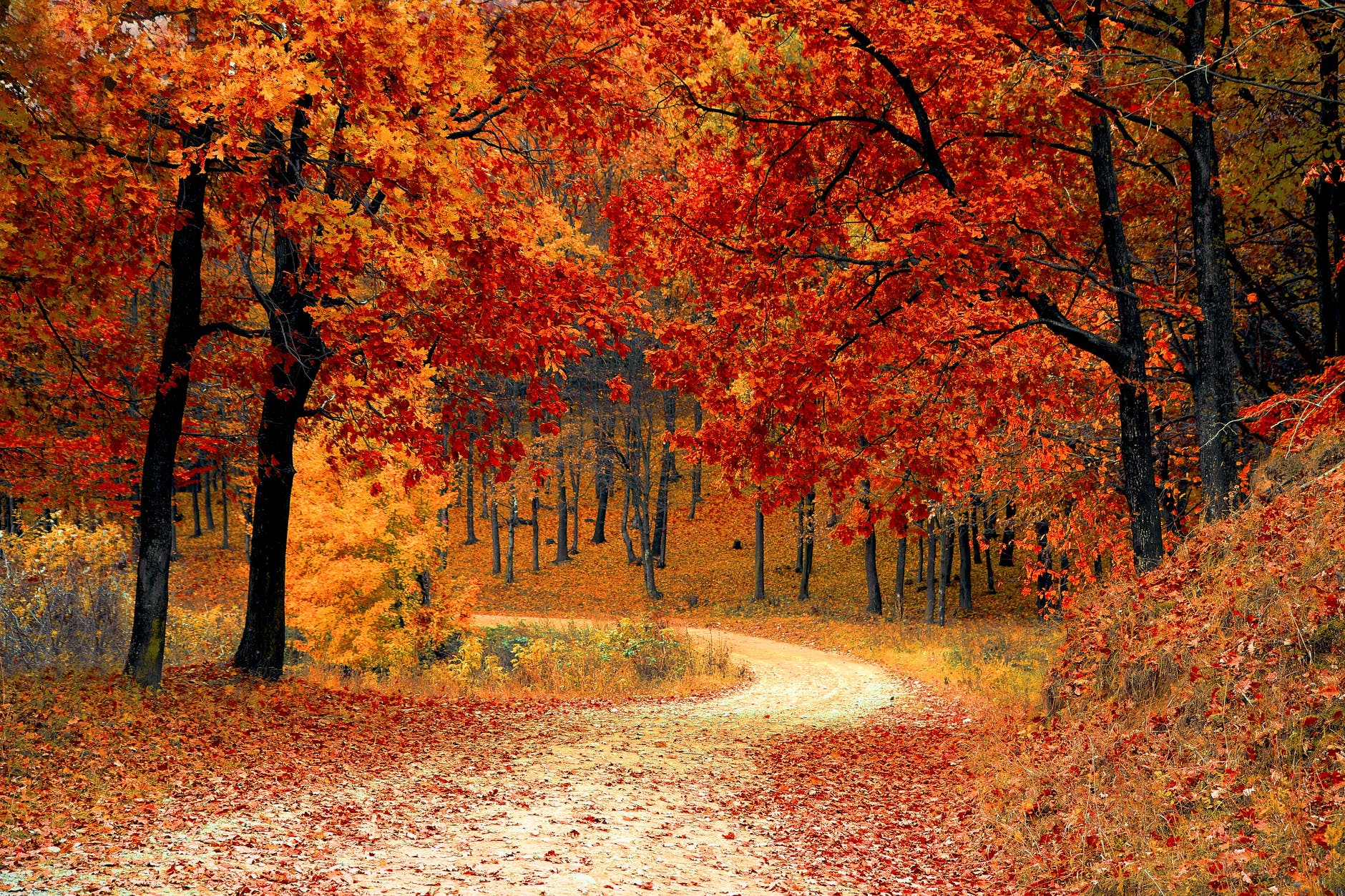
In a novel you have time to back-story a bit. You have chapters to build a character’s story, and flesh them out. You have pages to describe the fall leaves flanking their drive one day, even when the climax doesn’t happen until late December.

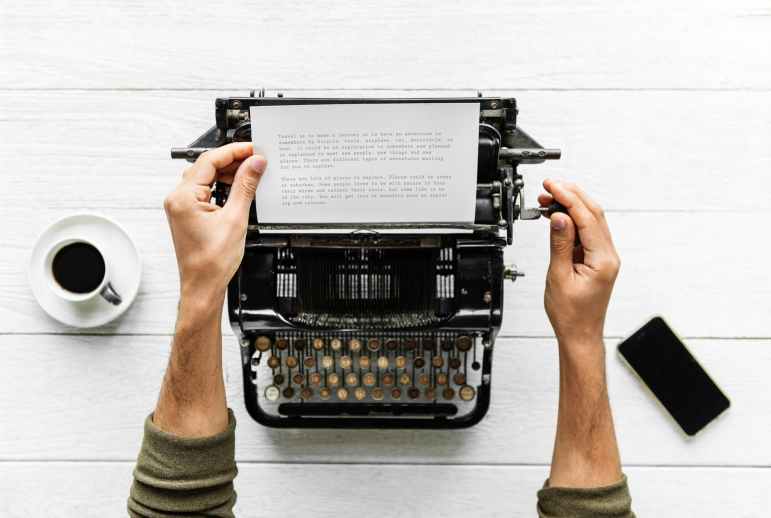
Photo by Pixabay on Pexels.com

But in flash fiction you are limited in words, so every one of them must count. You don’t have the luxury of three paragraphs to tell a reader how the character made a cake just like her Grandmother and how it showed that she was tied to the past, and loyal to her family. You have one sentence to show us.

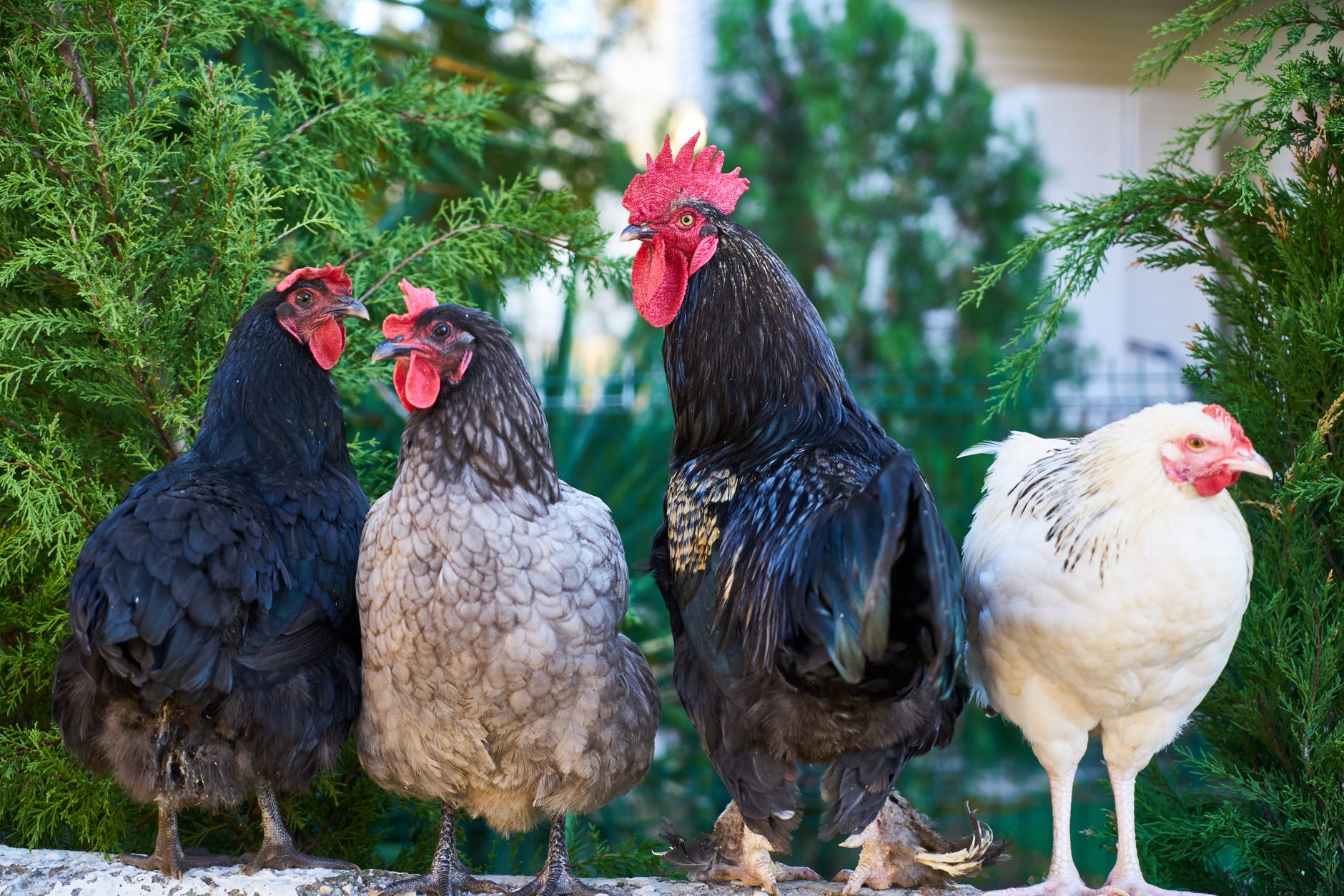
The audience is on a Need-To-Know basis. If a detail is pretty but insignificant for the purpose of story, it must be cut. The apron she uses may bring back random and various memories, but unless that memory is of her grandmother using it to dry her hands after slaughtering chickens for a voodoo ritual which cursed her love-life forever, I don’t want to hear it.

The loudest is always the first to go
Photo by Engin Akyurt on Pexels.com

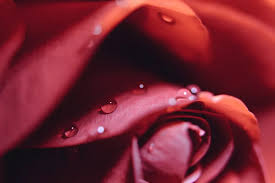
In your Flash Fiction be sure to distill it down to the quintessential details, in curious and provoking ways which bring out the color of this photo and burn it into the retinas of your reader. That doesn’t mean it has to be shocking (burned out cars of ex-husbands, Iowan farm wives practicing voodoo rituals).

It just needs to be curious, gripping and brief. I don’t need to know the color of her hat, unless it’s significant to the story.

Now, personally when I think of what the audience ‘needs to know’, I prefer a little twist amidst those few lines. I prefer a flash piece to make me sit back with a; “Wait—what?”

It doesn’t have to happen. Sometimes the best flash work is simply a small slice of life that we all feel deeply, whether that be sitting at a funeral or sitting in dead-locked traffic (which is like sitting at your own funeral sometimes).

Again, practice your flash fiction this week and send me them if you wish. Try experimenting with something a little strange or unexpected thrown in. Let your brain just flow with a the strange and wonderful, try something that seems a touch jarring.

Next week, I’ll feature a couple of examples on Tuesday along with some journals currently accepting submissions for flash fiction. Then, we’ll move on to a new topic of discussion next Thursday.

Until then, beautiful writers, keep happily writing.  

Photo by Suzy Hazelwood on Pexels.com

The Beautiful Writers Workshop #26: Flashing for Fun and Profit

Yep. I said that. But in my defense…I don’t have a defense. I’m childish and immature. Please don’t go around “flashing people”. It’s not fun for anyone involved and you don’t make a good profit (unless you’re possessed of certain physical attributes—and even then, nothing in life is guaranteed.)

*for the record…that’s the first time I’ve spelled ‘guaranteed’ correctly on the first try. I just needed  to let every one know, so you’ll understand the kind of writer I am.*

When I say “Flashing” I’m talking about our next topic of discussion which is, of course, Flash Fiction.

If you like the brevity of poetry and quick, hard words that nail emotion to the theoretical wall with brute force, you’ll probably enjoy practicing flash fiction.

Let’s get started with a little introduction.

Ahem, Flash Fiction, these are my beautiful writers *gestures wildly out into the far reaches of the internet* They’re kind, amazing, and talented.

Writers this is Flash Fiction.

Flash fiction sprung up in the 1990s and has become a formidable form of storytelling that appeals to newer generations with ever-shortening attention spans and busy lives. Flash Fiction condenses a tapestry of story into a few short sentences/words/paragraphs. It also serves as a method to condense big ideas into concise writing, especially in terms of reporting (flash non-fiction?) and conveying information.

Ugh, that was dry. Talk about an awkward introduction.

Here are the basics. Flash Fiction is a form of short story that relies on brevity. Specifically, a word count between 1 and 300. If you’re wondering how you can tell a story in under 300 words, or even in under ten, allow me to give you one of the most famous examples:

“For sale, baby shoes, never worn.”

This very simple sentence/story has two commas, one period and a myriad of images that can affect the reader.

Flash Fiction is further divided into micro-fiction, sudden fiction (Wham! Suddenly there was Fiction! Out of nowhere and sudden!), postcard fiction, short story, and the short short story. Believe it or not, there are even sub-categories called drabble which refers to stories that come in at 100 words and dribble that come in at 50 words.

Why Flash Fiction, Sarah?

Well, I’m glad you asked. And…if you didn’t know, that’s what the S in S.E. stands for. The E stands for Enigmatic. Or maybe Exciting. Earnest. Edward. Eggo-(not to be confused with Ego). Who knows? Only my mom and she’d never tell because she’s as loyal as the day is long.

Back on point:

The advantages of Flash Fiction are as follows:

Several websites, literary journals, anthology collections, and magazines are interested in these bite sizes of life.

They are relatively quick to write from an artist’s perspective, which makes them more versatile and easier to explore different genres with.

I personally find flash fiction refreshing to write. For one, when you’re embroiled in a 120,000-word novel, bogged down in outlines and character sheets, plagued with plot holes and flat characters, it feels pretty damn good to step out with a 250-word taster of a completely unrelated character’s flash-in-the-pan dilemma.

Don’t misread. Flash Fiction may have fewer words, but it doesn’t mean that it’s ‘easy’. (She’s fast but she ain’t cheap). Writing more with less is difficult, especially if you’re accustomed to novel length work.

So, to start this little experiment, I’m going to make your first time (or maybe I’m not your first…it’s completely okay, I’m not judging what relationships you had before me) nice and gentle.

Take a current work in progress, a novel you’ve published, a poem you’ve written, and write a flash piece based on the characters or subject in a strange and new situation. Or, maybe six months after the novel ended. Or six months before. Show them in the parking lot with a new baby, or thrown into jail at sixteen, or sunk unexpectedly into a worldwide pandemic (too soon?)

Then…and this is the trick; don’t go on and on.

Think snap shot, not photo album.

One picture will tell us a lot about a person, without needing to see the whole photo album. (have you ever had to sit through someone else’s photo album? No, Sarah, because we’re not three-hundred years old, we have Instagram like normal people…what century are you from?)

Flash fiction is a novel if a novel were poetry. Condensed, potent, memorable.

For sale, baby shoes, never used.

Here’s a little flash piece (a drabble to boot) I submitted that won honorable mention, if you’re looking for an example.

She hadn’t meant to set it on fire, exactly. But now that the heat burgeoned from its windows, charring the leather seats and crackling up through the retrofitted steering wheel, she was glad for the warmth.

It was a shame he’d never get to see the way the flames jumped and swayed in the clear night turning cloudy. It was a shame he’d left it unlocked, parked outside the strip club. A shame he’d said he was at a meeting. What. A. Beautiful. Shame.

She pirouetted against the star-filled sky, and danced along the edges of erupting metal and smoke.

Try it out, have fun, and let me know how it goes. Share or don’t. If you do share and you’d like it featured just make sure you follow my rules against excessive violence/hate speech/rampant eroticism (a little is awesome—too much is…too much) before submitting. I look forward to hearing how it goes!

Happy Writing!

The Beautiful Writers Workshop #24: The Basics of Poetry

Hello writers,

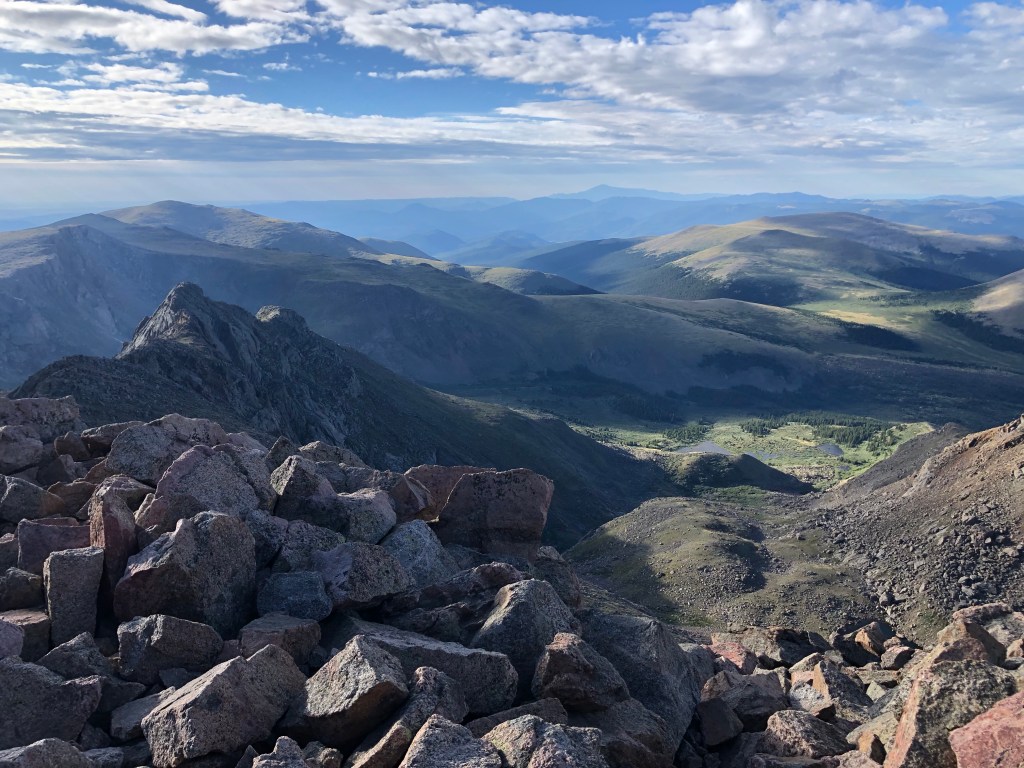
First, apologies for missing last week. I started my Thursday morning at 2 am, driving to the trailhead of my first 14er. It was a beautiful cool day up on the mountain and I was pretty tired upon returning home.

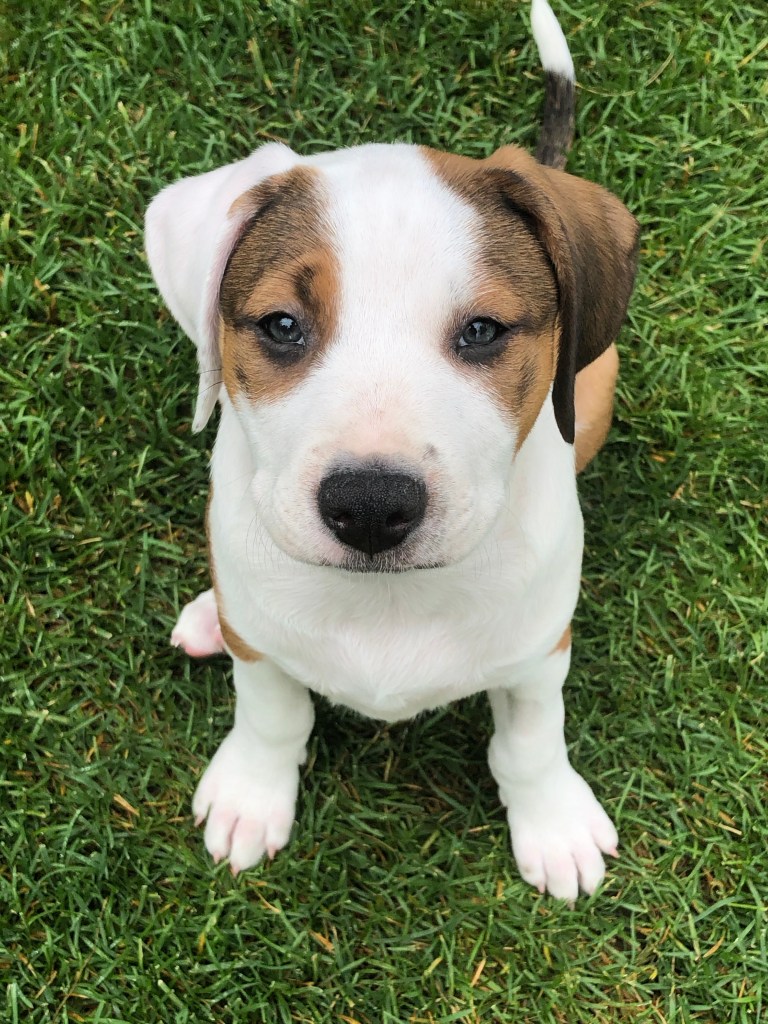
In addition to that, and on the same day, we welcomed a new family member into our home.

So I’ve literally been climbing mountains and raising babies for the last few days and am now safely locked in my office for an hour of dedicated writing time.

Without wasting any time, let’s get into the basics of poetry.

Some of us are born with the inclination towards alliteration, symbolism, personification and all the intrinsic elements of powerful poetry. For the rest of us, becoming a better poet (progress not perfection) can be accomplished by learning the dynamics of poetry form and function.

Now, I’ve heard a lot of degrading comments on poetry that rhymes. First of all, Poetry is Poetry. It doesn’t have to fit into some MFA or Beatnik/Hipster trend to be worthwhile.

Witness:

“She walks in beauty, like the night

Of cloudless climes and starry skies,

And all that’s best of dark and bright

Meet in her aspect and her eyes;

Thus mellowed to that tender light

Which heavy to gaudy day denies”

Lord Byron

Or one of my other favorites:

“When I am dead, my dearest,

Sing no sad songs for me;

Plant thou no roses at my head,

Nor shady cypress-tree;

Be the green grass above me

With showers and dewdrops wet;

And if thou wilt, remember

And if thou wilt, forget.”

Christina G. Rossetti

Or Even:

“There’s too many kids in this tub

There’s too many bodies to scrub

I scrubbed a behind

And it sure wasn’t mine.

There’s too many kids in this tub.”

Shel Silverstein

Many a talented writer use rhyming and alliteration to build a beautiful rhythm that lends well to spoken recitation, which is one the most important foundation of Poetry. We’ll get into that a little later.

Do you need to rhyme your lines for it to be “poetic” or presentable? Of course not, as I mentioned last week, Poetry’s main function is to tell a story in the thickest, boiled down way. I do think it’s important to play with the concept of rhyming poetry, even if it’s only as a practice. It will not only help you to build your vocabulary, but it teaches you the essential dynamics of beat, and syllabic flow.

When considering how to help other writer’s have a good starting point for their experimentation into poetry I thought of the things that have helped me to grow and thrive in my poetry.

And I even put it into a bullet list because…bitches love bulleted lists.

  • Read a lot of poetry : The same as in any writing, if you want to know what works, read a variety of poetry. From the classics to the more modern and experimental forms. You can subscribe to the Poetry Foundations daily poem ( poem a day ) or, invest in some independent poetry journals and magazines (http://32poems.com/ is great and there are many others). Support local poets and writers by buying anthologies (ahem: https://www.amazon.com/Small-Things-Beautiful-Anthology-2019-2020/dp/1692331558)
  • Attend Poetry Readings (as social distancing permits–you can find online forum as well): The beauty of poetry, as I mentioned above, the ability for it to translate into the spoken art. Performance poetry will move you in ways that simply reading it cannot. By listening to poets read their poetry, you can catch a lot about word use, syllabic stress, alliteration, rhythm, tempo, and personification. Plus, the emotion of poetry is so much more present when someone is telling it to you.
  • Start Small: You don’t have to write The Iliad. Start with a haiku (5-7-5) or even put a 25 word limit on your poem.
  • There is Poetry in Every Thing: You can write a poem about a ball of yarn, a flower, the death of a loved one. Every object, feeling, action, or person can be inspiration. I once wrote a poem about a katydid I found being eaten by a wasp. I’ve written a poem about tripping. There is a poem in every thing. Find it.
  • Don’t Obsess Over First Lines or Titles: Just like pausing to edit your novel or story can interrupt the flow of creativity, worrying about creating the ‘perfect’ first line will staunch the ideas. Just start from somewhere. Like any writing, poems will undergo different rounds of changes and editing. Sometimes I don’t have a title until the final edit. Sometimes I don’t ever have a title. Don’t let that stop you from trying.
  • Tell a Story/ Express Big Ideas: One of my favorite things about poetry is that in a single stanza we can learn a world. Poets that are magnificent at this are: Maya Angelou, E.E. Cummings, Edna St. Vincent Millay, Sylvia Plath, Chuck Bukowski, Pablo Neruda, and Mary Oliver.
  • Use Tools: It probably sounds silly to remember your thesaurus but when we are working with an economy of words the difference between the right word and the almost right word is, as Twain said, the difference between lightening and a lightening bug. My favorite function in Word might be the “synonym” checker. Just make sure that it still conveys the flavor and tone you are aiming for.
  • Connect With Other Poets: Your local writing groups or if you follow social media, will have groups that can help you learn more, have safe places to share, and provide opportunities to submit.

Well, that was a lot of information. On Thursday I will be featuring some poems that came in last week (one from my absolute favorite fellow Wyomingites, sid sibo, is among them) There’s still plenty of time to contribute so send your experiments my way.

Until then, good luck. Delve into reading some new poetry and exploring your own abilities in the field.

Happy writing!

The Beautiful Writers Workshop #23: “Snap To! Let’s Get Organized!”

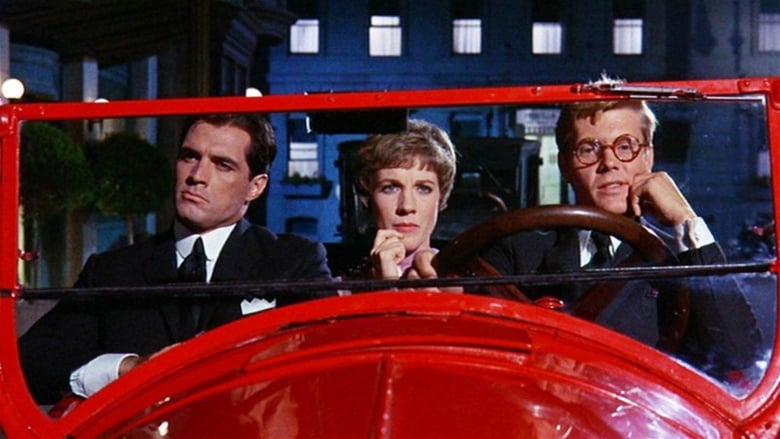
Disappointed I can’t find an image of the scene when John Gavin shouts this line while fumbling with a live chicken and coming out of a tranquilized haze. Apparently, the internet DOES NOT have everything.

I’m not immune to the fact that this blog has tripped around in the dark a bit lately. Let’s be honest, all of us are probably tripping in the dark. We’re in unprecedented times, facing stresses and noise that we’ve never dealt with before. It’s easy, in the dissonance, to lose our path.

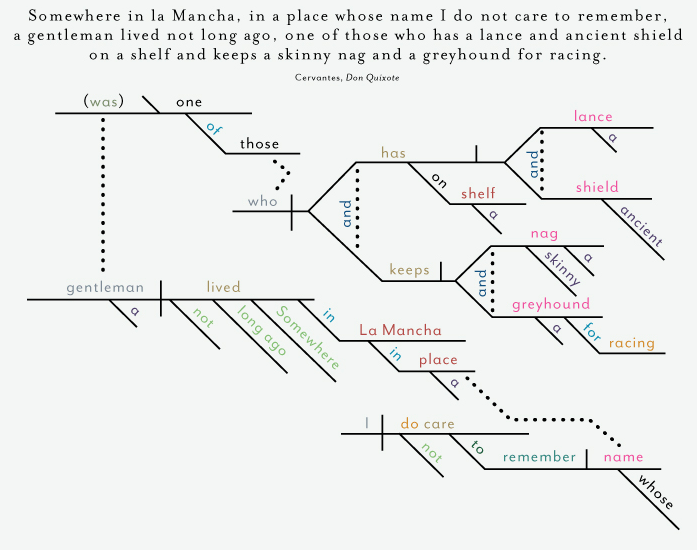
So for the next three to four weeks I’ll be getting organized and coming back to the basics. No, I’m not going to make you deconstruct your sentences into diagrams, circling your subject, double scoring your gerunds, slashing through your adverbs (or will I? Could be a fun practice in the lost art of sentence diagramming AND tortuous. I’m a girl who likes it a little rough).

For the love of all that is good and holy…if this doesn’t make you hot…you’re not my kind of nerd.

First, we’ll be taking a few weeks to explore the basics of each type of the most prevalent submissions for authors: poetry, flash fiction, short story, and novel.

Following that, and into the fall, I’ll start breaking it down further into genre work, dialogue, plot building, scene construct, story structure and the basics of good editing.

That’s not to say I won’t occasionally throw in a “stop being assholes to each other” rant. I like to keep it exciting after all.

It’s been a while since we dabbled in the lighter word count and heavier hand of poetry so I thought…why not start there?

(Hold on to your asses, she’s about to ADULT over here!)

Poetry used to be the sole conveyer of great stories, epic tales, and the meat and potatoes of religious creed. The first believed poem, author unknown, was called The Epic of Gilgamesh. Besides this epic, there was Rig Vedas of Hinduism, and The Song of The Harper from Egypt. Centuries before we first heard a Greek throw down an ode to an urn, people were writing poems.

Poetry was borne in the heart of burgeoning cultures and empires. As we move west across the world, we have The Iliad, Beowulf, 154 shout outs to Will Shakespeare’s best girl(s), and eventually, on to the new world with works like The Song of Hiawatha.

From these epic and structured beginnings, poetry has evolved and moved, like a river around obstacles, constant but ever-changing. One of the reasons I love poetry is its ability to capture the heartbeat of time-periods through the use of its language and form, as well as the ideas that it holds.

Poetry records history. From the simplest nursery rhymes (“Mary, Mary Quite Contrary” was actually based on Queen Mary I, aka Bloody Mary, who tortured and killed hundreds of protestants. Silver Bells and Cockle Shells aren’t perennials, they’re torture devices.) to Walt Whitman’s descriptions of the horror and decimation from America’s Civil War (“O Captain, My Captain” was written about the assassination of Lincoln just before the close of the ‘storm’ of war) poetry is a powerful conveyer of humankind’s journey through time.

Poetry connects. It’s visceral and often uncomfortable. It paints pictures with the deepest hues of language. Poetry is vital to song writing, memory retention, and a host of other deep-seated neural mechanisms humans use to survive. (the ABC song, “Thirty days hath September…”, “I before E except after C–and about a dozen other exceptions because the English language is a bastardized torture device for anyone learning it”)

So how do you write a poem?

Well, that’s the beautiful thing. We are no longer shackled to the 15 line iambic pentameter, nor are we beholden to ends that rhyme. Poetry can be written in just about any form you can conceive. You can write it, you can rap it, you can sing it, you can paint it across a street in bold letters. There are no rules but one.

Poetry should be true to your soul.

It should never be half-way. It should fling open the shutters of your close-held heart and expose it to the light. Poetry should reflect the thoughts and the feelings, the commiseration and worry, the anger and peace, the joy or the sadness that fills your head and your community.

When I think of poetry, I think of catharsis and a means to work through big and hard emotions (a girl’s favorite kind?) I think of finding meaning and perspective, shrinking down the large imposing impossibilities to moments I can do something with. To feelings I can direct towards change.

To write a poem is to be truthful about what hurts most in that moment.

I’m sure you can guess this week’s exercise. Write some poetry. In any form you want. Send it to me, let me know if you want it to have a little spot here on The Beautiful Stuff, or if you rather just share it with another soul. I don’t have a preference for form or length. Just get to the darkness, poke around in there, tickle the tender underbelly of what drives your biggest emotions and tug it out into the light.

I’ll show you mine if you show me yours.

Happy Writing.

The Beautiful Stuff Writers Workshop #22: The Ugly of Starting Over

Hey Kids. Listen, last week I got on a soap box. I’m not even slightly sorry nor is this an apology, but I understand that the purpose of this blog is mostly about writing with a little bit of “living with beautiful intention” sprinkled in. Last week was more about living with beautiful intention and we can all use more of that in this day and age.  

Now, back to writing. Full disclosure: Inappropriate language will follow, so hold on to your knickers.

I’ve been working on a novel (to be honest, I’ve been working on about six of them because I have a problem seeing things through to the end six times out of ten). But this one in particular, I wrote, edited, re-edited, edited again, rewrote, edited, and re-edited all 97,000 words multiple times, always adjusting it with every rejection letter and well-deserved bit of advice. A month ago I wanted to throw it into a dumpster and burn the mother fucker to the ground. I wanted to delete it from my hard drive, the cloud, completely wipe the piece of shit off of the face of the earth. After all those years. After all that work.

It made me so mad that I couldn’t get it right and that it always felt lukewarm that I wanted to quit novel writing all together.

So I killed it. I put it in a file that, I shit you not, I called “The Piece of Shit Series That Will Never Get Published Because It’s Fucking Awful” and left it for a few months while I figured out how to rent a dumpster and get my hands on some gasoline.

Then, like any good writer, I stewed. I festered over it. I fumed.

I hate wasting time. I hate wasting words and effort.

So instead of sending it out yet again to die in some slush pile…or deleting it completely, I started a new document called “What I hate about this book” and I sat on the proverbial therapists couch and let loose all the things that I knew weren’t working and all of which were my fault as a novice writer (I started this thing even before my Fixing Destiny books). I ripped it apart, above and beyond what I heard from outside sources.

Then…at the bottom of the page I wrote, “Is it even worth saving? Is there anything about this story that you love? If you could rewrite these characters, if you could change this plot now, knowing what you know, living what you have lived, what would you make different?”

The next two pages I laid it out. If I had free-reign (ha ha ha, silly writer, that’s your piece of shit you DO have free-reign!) I would change that girl so she wasn’t such a sniveling idiot. I would make her stand up and leave. I’d give her a bigger threat to face on her own. I’d make her tougher. I’d make that boy of hers not be such a fucking mess. She’s already had to clean up enough messes.

Etc.

Now, I’m starting to like these characters. They’ve gone from wet mops to warm bread dough, bubbling with potential and depth…but still not as formed as I would like.

And here’s what I discovered after getting real and hard with myself (whoo…that sounds naughty). I can write and edit a piece of…er…work… a million times, but if I don’t really love the characters, the story won’t follow. I have to believe in them. I have to love and hate them. Not just have them on a page to hold space while the weak plot tries to build a book around them.

This week, I encourage you to take a scene that’s not working, a novel, a short story, a poem…whatever it is that’s sticking in your craw lately, and get brutal. Be fucking horrible to the work and to your part in it. Own your shit-fest and stop tip-toeing around it. The first step to fixing a problem is admitting you have one. The next step is tearing it down to the foundation of what you’re trying to do, and building it up better, stronger, more beautiful.

Don’t be afraid. You have free-reign writer, to change, to destroy, to rebuild. And if you find, after tearing it apart that there is nothing that can save it, that you don’t have any love for the idea or characters, get yourself some gasoline and a dumpster. Because those horrible little projects that we don’t love enough to stick with will only serve as anchors that tie us to mistakes we need to move past.

Re-write or destroy, but don’t stay stagnant with your writing, or it may just cripple your creativity until you never pick up a pen again.

The Beautiful Writers Workshop #21: The Keeper Shelf

Happy Thursday, writers! Today we’re jumping right into the craft of writing and, more to the point, how the books we read influence and inspire us. Many of us know that to be a better* writer, we must spend a lot of time reading good books.

 *I’ve heard it said many times that if you want to write well, you must devote an equal if not greater time reading, especially within your genre. I have mixed feelings on this. Yes, reading good work in your genre can be important to how you formulate story, find inspiration, and learn. But if you are doing it solely from the perspective as a writer, it can also cause you to lose a bit of that magic we call your ‘voice’. And, don’t misunderstand, I LOVE TO READ. But I will often lose myself in a good book (Thanks a bunch Chuck Wendig, you beautiful beast of a writer) to the extent that I use up most of my ‘free time’ and close the cover in a self-made brain fog, where in I can’t find my laptop let alone write something coherent. So I guess what I’m saying is: Balance.

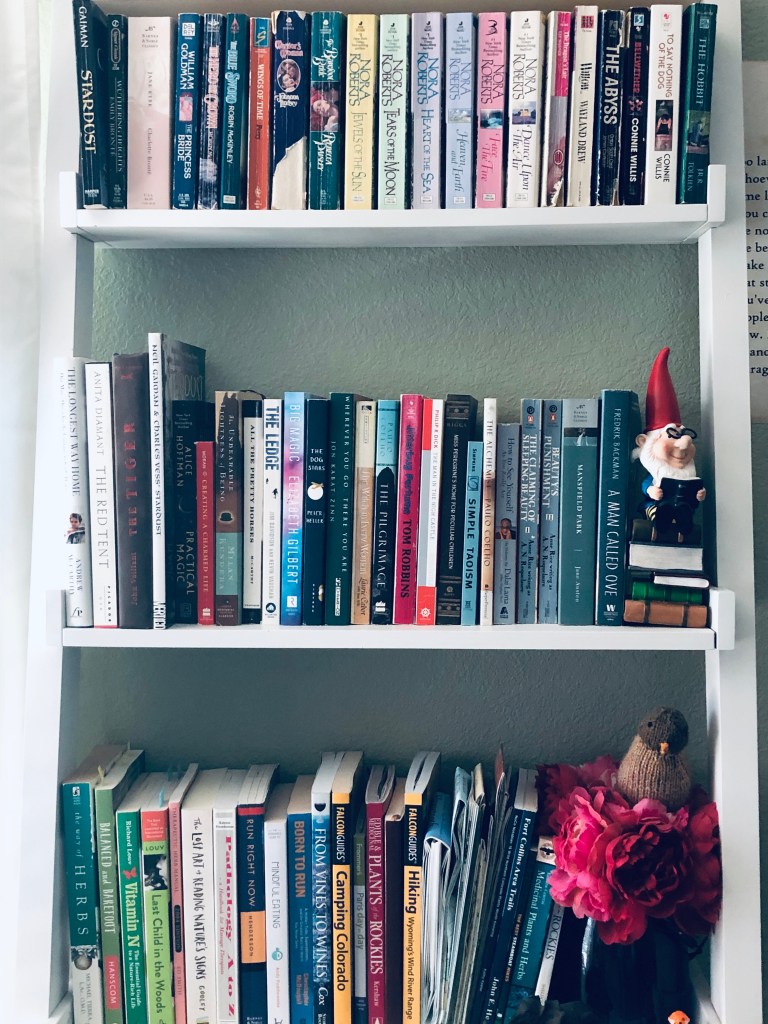
Today, I want to talk about what you read and in particular your “Keeper Shelf”.

Ladies and Gentleman Hectic Eclectic (Part 1)

All of us have a “Keeper Shelf”, I’m sure of it. These are the books and stories that we love so much we can’t bear to part with them. They have somehow touched us, shaped us, hit that chord deep inside that makes us want to read them over and over again. This shelf is unique for each person and what’s lovely about your Keeper Shelf is that you’ve chosen these books because something about them worked so intrinsically well that you keep coming back, even when you know how it ends. These are the best ‘how to’ manuals we have as writers.

Hectic Eclectic (Part Deux). Ballerinas next to Deadpool (thanks April Kramer), a dash of Xian Terra cotta warrior and an empty bottle of what my father said was part of his worst college experience. Oh…and some of my all time favorite books. High brow.

This week, I want you to take an introspective look at an area you are struggling with in your own novel/work. For some of us, that might be dialogue. It might be story arc, it might be how best to show (not tell) emotion, character quirks, climax, scene setting, you name it. At least one of those authors on your keeper shelf has nailed a concept that you are struggling with. Once you identify what you’re trying to accomplish with a story, scene, or character, I would love you to take another look at one of your ‘faves’ that did it right.

Read, re-read, dissect it, pull it apart and diagram it on post-it notes…

“Ah, she doesn’t say Mel is sad…she makes the sky cloud over—even the setting turns dark—and  Mel misses breakfast for the third time because she can’t pull herself out of bed, and her eyes hurt, and her mom won’t stop asking her if she’s all right.”

“Ah—I can see these characters care about each other because they can pick on tender parts in their banter and only love each other more for it.”

“She leaves every chapter with a tiny cliffhanger…that’s why I can’t put it down.”

“He’s made Nessie so human and imperfect, by all the things she does despite of her internal dialogue, he makes her a hero that feels personal.”

You get the idea. It is the sincerest form of flattery and honor to use someone’s work to make yours better. Obviously, I’m not advocating for plagiarism; you will and should write your own story, but if another author’s work helps you see the difference between what works and what doesn’t, then utilize their book as a tool to get you there.

You have shelve(s) of Master’s Classes right in your own home so go through some of your old favorites and pull out the things those writers are doing to connect with you as a reader so you can do the same with your own readers.

Constant and continual improvement in our writing craft is essential to success. Because someday, we all hope that a reader gets to the last page of our book, closes the cover, puts it up on that top shelf in their library, and says, “That’s a keeper.”

The Beautiful Writers Workshop #20: Finding Romance in a Time of Disconnect

The world is a tense place right now and I know I’m not the only one who’s been suffering with a busy and worried mind. These days, these times, these overcrowded houses, and insecurities about the future don’t make for good bedfellows and it’s not just artists who are suffering.

A recent study revealed that fewer people are having sex. Especially in the younger age groups. A combination of the world’s current crises, economic disparity, job loss, women’s fears of sexual violence, and a general unease about the current “hook up” culture have left a great many of us feeling as though sex just isn’t worth all the hullabaloo. (Clear sign that people aren’t getting enough play time between the sheets is the uptake in old-timey language like “hullabaloo”, “horse feathers”, “fiddle faddle”, wisenheimer”, “canoodling” and “shenanigans”)

So, what better time for yours truly to have signed up for an online Romance Writers Conference this weekend, brought to us by the lovely folks at The Wordsmith Institute. Despite feeling a little ‘meh’ about love in general, my hope is that it will ignite some latent ideas that will help me finish the two or three novels that have just been sitting like cold leftovers in my fridge.

 (I should eat that before it goes bad, but I’m just not feeling like all that fiddle-faddle. I’ll make a quesadilla.)

I’m not sure how many of my writing clan out there dabbles in romance or what your current feelings are on the matter, but I think that when we are faced with a world in such serious and important chaos, the idea of a little escapism should not be dismissed too lightly. Passion comes in many forms, and when we stoke the fires of one form, we help to ignite the others. A passionate life is not just in the pursuit of justice, it is in the pursuit of love and happiness as well. And a good romance novel will follow this pursuit.

So, for today’s exercise, whether or not you write romance, I would like you to try your hand at a touch of eroticism (there’s a double meaning in there). I’m not suggesting you sit down and write your tawdriest letter to Penthouse. I don’t want to know about girth or the overused metaphors of trembling phalluses or ‘moist’ orifices. (Yuck, I think I just grossed myself out).

I want you to find the eroticism in the small details, objects, places, memories. Eroticism is more than just what you think of when you see an eggplant emoji.

Awe, they’re canoodling! (Photo by Dainis Graveris on Pexels.com)

Take your time, focus on the minute details of moments. The way a finger plucks a grape from the vine, or how a callus feels against the small of your back. Focus on the path of a rain droplet down a leaf, the low blood-warming rumble of thunder, the smell of skin warmed by sunshine. The juice of a mango running down your wrist.

Write about those moments and observations, as if it were the world teasing you.

What makes them sensual? What makes your breath quicken?

If you need more direct inspiration, here are some great suggestions from Natalie Goldberg’s “Writing Down the Bones”:

  1. What makes you hot?
  2. Name all the sexual fruits you know? What makes them so?
  3. What do you crave when you are in love?
  4. What is the most erotic part of your body? (and please, be creative, we all know the obvious ones—reach for something more interesting—well, not literally…or yes literally–what do I care what you do in the privacy of your own home? I support however you process).
  5. Write the body as a landscape.
  6. What do you connect with? (physicality, music, touch, words: think of this similarly as how you learn. Visually, orally, auditory, by doing, by reading?)
  7. Do you remember the very first time you felt desire? When was the first time you felt erotic?

Okay! There you go, something fun to get out of the world for a minute. I hope it helps to boost your writing if not your mood. Maybe your cohabiter will even benefit from these shenanigans. As Monty Python so eloquently said: “wink, wink, nudge, nudge”.

The Beautiful Writers Workshop #19: Writing Your Truth

In the midst of a nation undergoing painful and necessary growth, I’m happy to have you joining me here today.

If you follow my writings and my blog, you know where I stand on the issue and I want to take a moment to urge every white person in this country to re-examine their own lives, understand the privileges they have, and really start opening your hearts, minds, and ears to listen to People of Color.

Keep your mouths shut and listen.

It isn’t about you. It isn’t about your guilt, it isn’t about how it makes YOU feel. It isn’t about arguing your way out of the discomfort. It’s about anyone and everyone who has had to limit themselves out of fear, who was held back or down because of the color of their skin. Listen, work to understand and ask what you can do to be the most effective in fighting alongside them. Let’s start working towards a country and nation where we are all free to walk down the street, drive our cars, go out for ice cream, go out for a jog without being pursued, punished, incarcerated or killed.

Now, in line with that, I wanted to talk about a program that I had planned to start this summer with a beautiful human and social organizer, Queen (you may remember the piece on her son Dontré. If you haven’t read it, please do: “Weapons Used Against Me”)

Queen and I had envisioned a free writing workshop for disadvantaged youth and others in the community who’s voices were constantly being silenced or marginalized. The idea was to encourage and teach them how to find their true voice (outside of influence), to tell their story, in their truth and have a safe place to do so. A place where it wasn’t about the moderator’s discomfort, or what could or could not be said. A place for them to find power in their own purpose. Then, how to take those words and get them noticed. How to be heard in a world that is too used to turning away when something makes it uncomfortable. I had hopes of finding publishers for their work, and if nothing else sponsoring publishing of their work myself with all proceeds going back to the participants.

Then COVID came along and sort of blew it all to hell. But, I’m in contact with Queen and will find a way, in the next coming months, to bring the workshop back to the table. Because writing things down matters. Because putting emotion, thought, and personal truth down in words on paper immortalizes the truth of you and your place in time. And the more voices we listen to, the bigger the truth we find.

Today’s exercise is about finding your voice. And that can be scary as hell. We humans can harbor some pretty dark shit in our souls. We hold on to traumas like moths in a closet that we’re afraid to let out. But they slowly eat away at everything we own. We shrug and say “It’s okay, it’s no big deal how I feel, how I felt, how I survived…”

Humans, it is a big deal. It matters and you matter. So write it down.

Write down what you’re feeling about today’s social climate. About your own feelings about racism, what you notice in yourself at the bridging of the topic, what you wish for, what you hate about yourself, what you love. What can you change? What will you change?

I will keep you updated on the progress of the class and how you can participate, contribute, or spread the world to people who may need this kind of therapeutic and power-restoring practice.

Normally I’d say “Happy Writing” but today I’ll leave you with this.

Write in Truth.

The Beautiful Writers Workshop #18 Writing Challenges: Why Word Counts and Time Limits Work

Today’s blog will be short as I’m embarking on a new writing challenge brought to me by the fantabulous people over at Zombie Pirate Publishing. Not only is it a genre that I have yet to dabble in, but the subject has to involve a planet I know relatively little about.

What madness would possess me? Well…I don’t like boxes. I don’t like to be put into one, and I don’t like to contain anyone else in one. I think we were gifted free-will for a purpose. I also believe that it’s a lot more fun to participate in life than it is to sit on the sidelines, stuck inside some box somebody once, a long time ago, put you in.

So while I’m busy researching space travel and alternate dimensions and typical characteristics of rebellions, I encourage you, sometime this summer, to find a writing challenge that pushes you outside of your comfort zone and into that strange and beautiful place of self-awareness.

You see, until we’re faced with a challenge, we never really know what we are capable of. If we are always comfortably in our box, we assume those lines around us won’t bend; that the walls can’t be broken. Challenge brings change, and with it a casting off of limits. When we break through walls/limits we come to understand how amazingly capable we really are, and then realize how much our excuses have held us back.

I believe in every single one of you. I believe you can write 15,000 words in seven days, edit it, and submit it for consideration in a publication. I believe you will finish a 50,000 word novel in a month. I believe these things because I’ve seen it happen. Because I’ve done it. And I’ll keep doing it, especially in times when my tank is empty and I start to question my worth. Because I know I am capable…deep down. I just need reminding. We all do.

Writing challenges not only force us to sit our asses in the chair and knock our procrastination methods to the curb, they also show us how much we can actually write when we focus. Sitting for thirty minutes on a good stint will sometimes give me 1,500 words. (This doesn’t account for the editing which probably will drop a third of that). The point is, when you know you don’t have the time to second guess or organize your sock drawer, you give yourself the freedom to just write the damn book.

And, sad as it may seem, sometimes that’s all we need; permission.

Go and write. Look into the Zombie Pirate Publishing site, check out local groups in your area. I did an amazing one a year or two ago for the Rocky Mountain Writers that lasted one weekend and garnered 12,000 words. One of the most fun novellas I’ve ever written and my first foray to action/spy-fi (yes…spy-fi. It’s a genre I just now made up. Copyright.)

That’s it…that’s all I’ve got. No fun pictures or anything. I’m on a mission now, I ain’t got time for that. I gotta make up some swinging character names and decide how genetic mutations might let someone breath H2 and He.

Go find a mission. If you can’t find one, make one. Give yourself a time limit, and a word count and make it a little more than you think you can handle. Hell, make it a lot more than you think you can handle and watch how you surprise yourself.

I’ll be back next week with a full report of how often I found myself crying in the closet and banging my head against the wall for comfort.

Until next time, kids, happy writing.

The Beautiful Writers Workshop: #17 Drunk and In Charge of A Bicycle (or How We Should Be Approaching Life in Difficult Times)

Before anyone gets their knickers in a quandary… (see, fancy words are still running over from last week)…I am not, nor have a I ever been (well maybe once but it was completely unintentional and never repeated), drunk and in charge of a bicycle.

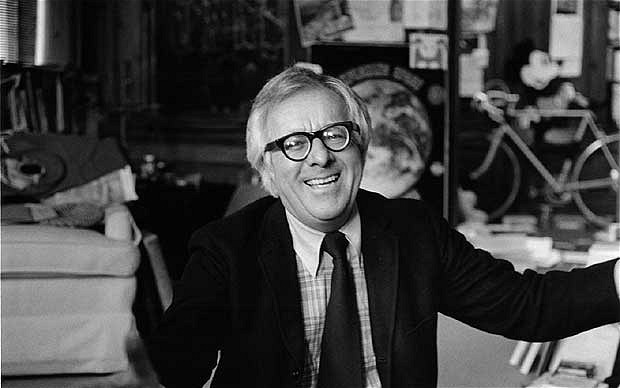
Bradbury_2240962bThat line actually comes from an Irish Police report retold by Ray Bradbury in his book, “Zen in the Art of Writing”. Bradbury was talking about the way we approach storytelling and writing, and that is: drunk with life and not knowing where off to next. Such a trip, he wrote, is one half terror and exactly one half exhilaration.
So many schools of thought exist on how best to write your novel or short story. Plan it out, with all of the beautiful arcs, subplots, crises and climaxes, and scientifically bring it home with a satisfying resolution.

Or just write it, in wobbling paces of exhilaration and stumbling wrecks of metal and wheels.

One brings about better structure and fewer injuries…er…plot holes. It also makes the revision process shorter.

The other burns with uninhibited joy and rides the coaster of character dilemmas into the natural hills and valleys of human failure. It is organic and creative, and often a bitch to edit.

I tend to believe that not every writer is always one or the other. Usually, it is a balance between the two…much like riding a bike. The drunk part comes in when we let go of the inhibitions that close down creativity, and/or let our work be curtailed by criticism. Self or otherwise.

This is a time of both terror and not knowing what will come next. A less playful and lighthearted scenario than Bradbury probably meant.

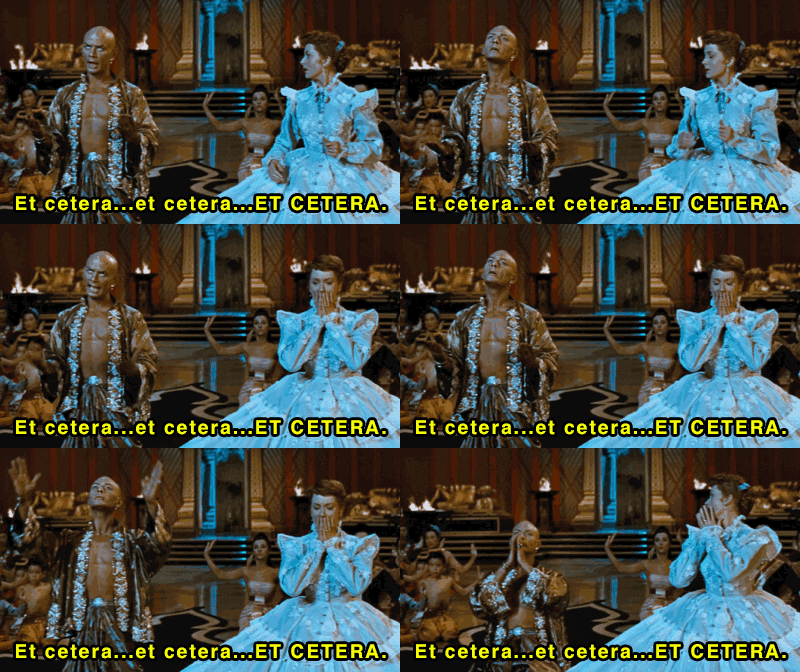
All around us, voices are shouting and arguing. Outside there is a divisive and angry cloud, smothering the world. We are beset from all sides with advice about what we should do, should be doing, should have, should not have, what to feel guilty about, what to embrace…etcetera, etcetera, etcetera.

etc
Come on…”The King and I”? This is classic stuff! Yule Brenner! Somebody better be impressed.

We run the risk of letting all of these limitations and confusing ‘advice’ smother the bumbling beauty of writing the stories and characters that intrigue and bring us joy.

It doesn’t all have to be hard-hitting commentary. Let’s face it, we’re in the midst of the first three story arcs of a dystopian novel already. And if we know anything from those story lines, it’s that the true worth of the human race is often preserved in the beauty and art we are capable of.

Writing, drunk in love with the art, is Katniss putting flowers on Rue’s grave, and Peeta painting sunsets while other tributes throw spears around him. It’s Tris not choosing any one trait to define her, but embracing the balance of being a little bit of everything.


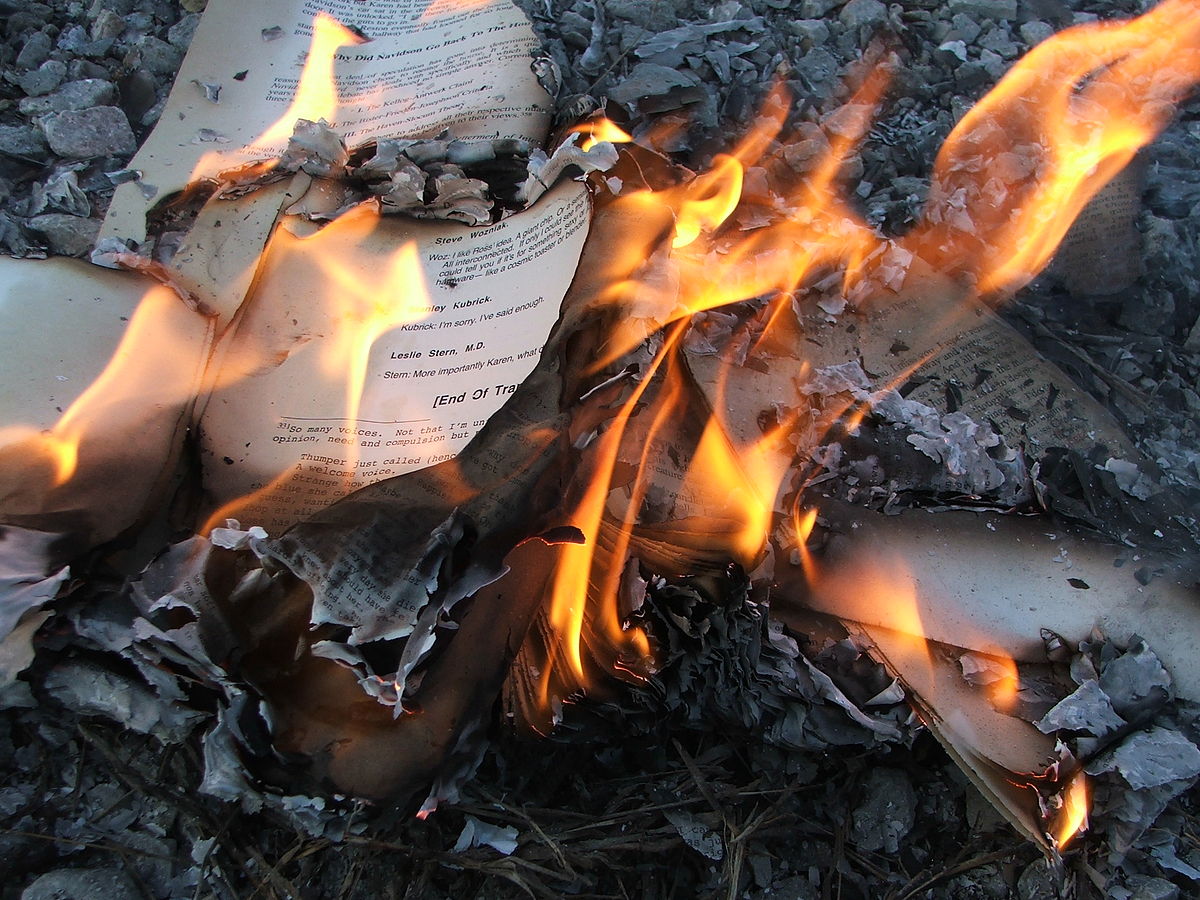
It’s in the saving of books instead burning them.book burning

So, the exercise is simple.

Write.

This week write. Something beautiful. Something true. Fly by the seat of your pants and damn the torpedos (yeah, I mixed my metaphors, what of it?)

Find a reason to fall back in love with your art, your characters, your world. Find a reason for us to go on. Shut the door and unplug the news, and try embracing something other than the fear and hatred that have become our everyday.

What will save the human race will be the dreamers who live, half in terror, half in exhilaration, and not knowing, exactly where we’re off to next, but knowing its beauty is only limited by our imaginations.

That takes the kind of courage rarely seen in the world today.