I hope that this blog finds you well and in good health. Over the weekend, I acquired a…virus? And what had planned to be an ambitious weekend, filled with a long-run in preparation for a half-marathon, finishing up my latest Vella, and reworking my two-act play, became the sad potato of me huddled in bed. I don’t get sick often. Certainly not the kind of sick that forcibly dunks me beneath the unconscious depths of two-hour naps. I get frustrated when my body does this. At one point, I even took my laptop to bed, determined that I could let my body rest and my mind could still function.
Brains don’t like fevers. That’s what I’ve learned. And the longer and stronger that fever, the less coherent I was. My brain got frustrated with me. It quickly became apparent, right before I was knocked in the head by the flu-fairy with a large sleepy stick, that nothing I wrote in that state would be worth a damn. So…I put my life aside and gave myself the permission to sleep.
Sounds silly, huh? Just sleep when you need to sleep, you don’t need “permission”! But when you’re a mom, and a woman, and a go-getter, and a do-er…it’s about the hardest thing in the world to grant yourself. Especially to do it guilt free. I lost space and time and the kids were just fine. The laundry still got done, the world did not fall apart. How little grace we give ourselves to rest, I thought, in between workshops of unconsciousness.
Know the best part? Besides the tripped out dreams (holy revisiting of homework-being-late paranoia)? I realized how much I really fucking love sleep. I realized how little of it I actually get in my day to day. I realized that I average about 4 hours a night. And that’s maaaaaybe not enough. I realized that after a day of sleeping, the twenty minutes of writing I did get at night was a lot easier to do.
So here’s my advice for the week. Don’t discredit sleep as a writer and a creative. You may be a super lark or a tenacious night owl, but if you’re not getting in the repair work that only sleep can do, not only will you likely catch more colds, but your brain won’t be its wrinkliest. And a wrinkly brain is a…is a…where was I going with this? *checks temp…feels sleepy* The point is, rest helps you rebuild, it also lets your brain play and take a few hours off of the stupid demands of reality. Play for a brain, translates to creativity and more writing for us.
I’m going to go blow my nose and take a nap. Take care of yourselves and I’ll *yawn, sniffle* see you next week.
Today’s poem was written on the night that Roe vs. Wade was cancelled out by a strange and uneven balance in our country. After a certain Senator’s insistence that it should be made Federal Law…I thought it was time to bring it out.
I know the opinion differs but I think that we can all agree that the moment a human being’s own body is controlled by the government (made mostly of white and extremely privileged men) it is a bad turn of events. Any study of history tells us that when women are subjugated, the downfall of the society as a whole is not far behind.
So here’s a poem. If you’re offended, good. I hope you fucking are. Because if you’re offended a small part of you must recognize that it’s not your place, nor the governing body to tell any human that any one part of their biology is more important than their own life/dreams/heart/health/future. Any person with half a brain knows that being able to plan for and want a child means a happier, healthier and more productive society.
So read on. Or don’t. Write me a demeaning, threatening letter to prove that you really don’t actually care for human life and I’ll share it on the blog along with your email address. Share this with anyone who should know that they won’t stand alone as long as we all stand together.
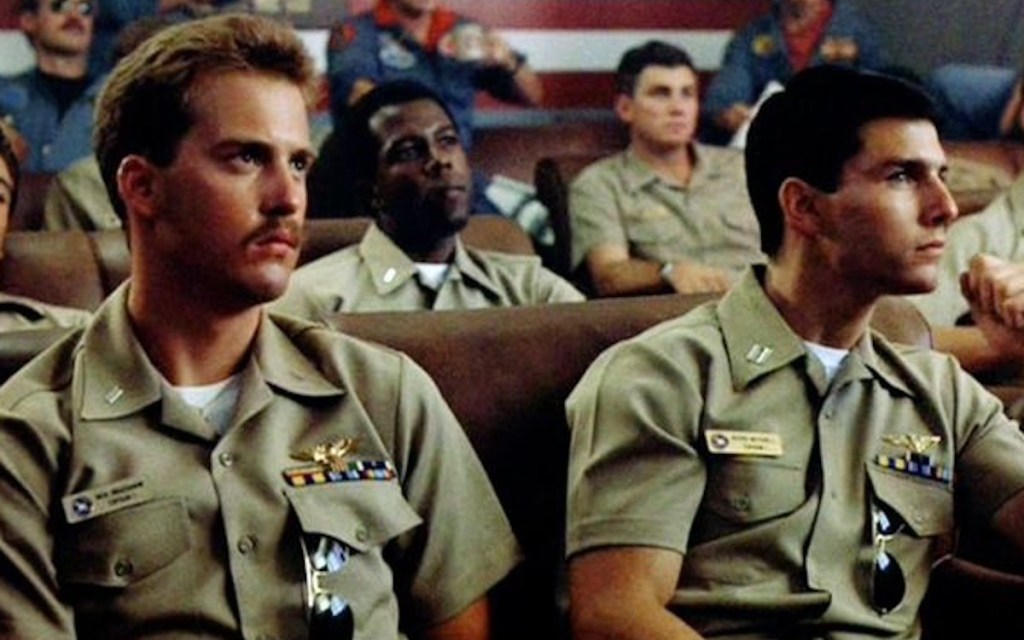
All right, listen. Top Gun did not have the best dialogue. At all. Like…not even remotely. BUT… I liked the headline so deal with it.
Today in the blog we’re talking about…well, your characters talk. Affectionally known as Dialogue. Writing dialogue like any aspect of your novel is an art, and one that will allow you to not only reveal character traits and all of those ‘shown’ details, it will also drive your plot. If you’re good at it, it will help your reader to know your character better and *gasp* if you have a flair for it, will provide extra entertainment. I’m a HUGE fan of witty banter when it’s appropriate. I’m a HUGE fan of letting dialogue tell the reader how two characters feel about each other.
Take this little gem from “Finding Destiny”: Hank and Daniel are two of my favorite characters to create a scene with. They’re brothers and love each other deeply. But they’re brothers, so that love is shown in obnoxious teasing. Take a gander–
“Everything OK?” Hank asked after an uncomfortable amount of silence.
“Yeah, I just… I just have this gala thing to go to for the university in a couple of days and, I… I’m supposed to bring someone.” Daniel paused and looked at Hank.
Hank took a moment to swallow. Then he batted his eyelashes and waved his hand in front of his face.
“Oh! I’m just so thrilled you’d ask!” he shrieked in a falsetto voice. “Oh! You’re so dreamy!”
Daniel threw a piece of bacon at him and laughed. “Not you, jackass.”
“What about Maggie?”
Daniel shook his head. “Maggie and I don’t really—”
“Do anything that requires clothes and public places?” Hank raised his eyebrow.
“We sort of haven’t seen each other since the once…” Daniel’s voice trailed off. He still didn’t feel exactly right about what had happened between him and Maggie, or how Destiny had witnessed the start of their one-night stand.
“No wonder she’s been shooting nasty glances at me the last few weeks,” Hank chuckled into his coffee.
Daniel sighed in exasperation. “I was going to ask you…if you’d mind…if I took Destiny.”
Hank inhaled his biscuit and started coughing. His face turned red and his eyes welled up. He looked sideways at his brother as he pounded his chest with his fist.
“Destiny?” Hank wheezed.
“Yeah.”
“Destiny Harrison?”
“Yes,” Daniel said, annoyed.
“Red hair, tall, drawly, hates-your-guts Destiny Harrison?” Hank took a drink of coffee to clear his throat.
“Yes, Henry! That Destiny.”
Hank held up his hand.
“First of all, there’s no need to call me Henry. Second, I thought you hated her, too. But mostly, why in the hell do you think I’d mind? She and I aren’t…like that.”
“Well, I didn’t know! You spend a lot of time with her. And I don’t exactly hate her. I just—” Daniel sat forward in his frustration and loss for words and looked out the window.
“Well, we only spend so much time together because neither one of us has a life outside of the shop.” Hank stopped with his coffee halfway to his mouth. “How embarrassing is it that I just admitted that?”
“It was pretty pathetic.”
“Yeah.”
“So? Do you think she’ll go with me?”
Hank shook his head in bewilderment. “I don’t know, Danny. What about that ‘hating you’ part?”
Daniel remained silent and watched out the window. What about that? He thought of her warm body pressed to his in the fervent moment of thanks. He thought of her shapely breasts beneath the nightgown, and the smell of her. The shyness of her kiss. The way she had gotten snippy when Maggie had stayed over. Hank paused at the unusual look of self-doubt on his big brother’s face.
“I think if you could get her in a dress, she’d do all right. Assuming she did say yes,” Hank said.
“Yeah,” Daniel said, displaced.
“Maybe if you ask her nicely…you know, not like you?” Hank said.
“What the hell does that mean?”
“Well, you know…come down off of your high horse. Just a bit. And stop being such a surly son-of-a-bitch!”
“You sound like her now.”
“I’m just saying that a little honest humility and admiration goes a long way.”
Daniel stayed quiet. Humility wasn’t really his thing. He wasn’t very good at admiration, either.
Hank continued. “And if she says no, I can rock a strapless like you would not believe, girlfriend.” Hank snapped in the air and winked.
Daniel threw his biscuit at his brother with a laugh. “Shut up.”
So, we get to see some deeper dimension here, with Daniel’s secret insecurities, his blossoming interest in Destiny as well as Hank’s affection for them both. We set up for a minor climax (asking Destiny on the date) as well as establish the risk involved. All while doing it with a sense of humor.
The import aspects to remember in writing dialogue are below (been a while since I bullet listed for you)
Dialogue needs to be real. By that I mean if it is forced (for the purpose of info-dumping), contrived (how convenient to drop that info into conversation even though they had no other reason to talk…), or sounds like an outside narrator suddenly taking over your character’s body (Hey! Where did their drawl and/or British accent go?) your reader is gonna know. So make it a conversation.
As mentioned above, keep your character’s in their character. If they don’t normally say much, save the monologuing for others or some big reveal moment. Many a time I’ve had to edit a dialogue because I saw too much of me in there. Tricky me, trying to steal the conversation. This comes with knowing your character and what they would or would not say.
If the dialogue doesn’t do any of the magical things listed, (furthering plot, character development, information snacks etc) and its just in there to fill space or act as a buffer don’t be afraid to cut it.
Read your dialogues out loud! It’s the only way you’ll know for sure that they sound real and authentic to your characters and to the story. This is also a great way to catch mistakes and to ensure dialect and vernaculars are in place.
Don’t be afraid to use abbreviations and slang if it’s true to how your character talks. Destiny Harrison said “ain’t” a lot. Spell check hates “ain’t”. Doesn’t matter what the spell checker wanted, she ain’t changing for it.
I could give you a spiel here about dialogue tags (ie ‘he said’, ‘she yelled’) after your character’s speak. I’ve heard both sides. In my kids’ writing classes they are encouraged to use something other than ‘said’ to liven the action, express the tone, etc. In my adult-y writing classes, I’ve been told to cut the flowery bullshit and stick with ‘said’. The idea being that if your writing is good enough, the tone and character already established, the reader will read the dialogue in the feeling intended. My advice? I don’t like either of these approaches. Sometimes a simple ‘he said’ works, sometimes, I get bored as shit with that and when my characters talk in my head, they rarely just ‘say’ stuff. I may err more on the side of the flowery therefore, but I don’t do it so much that very ‘please pass the butter’ moment is fraught with tension.
Okay. That’s it for dialogue today.
I think…(she said with a gasp), that might even be the end of our writing series on the Novel! (she yelled?) I’ll check in on that and get back to you next week. Until then, go over your dialogues, check their authenticity and tone. How can you make them better? More real human-like? Read them aloud, don’t ALWAYS listen to your spell checker. Write. Write Write. Good luck out there. See you soon.
Good morning! So, here we are. Working our way through the bulleted list on Novel Writing. Today is about setting, but before I build up that world, I would like to remind you:
Keep in mind, there are many intricacies to writing a novel. It can’t all be learned in 7 points. Or 25. Or even 100. Most novelists have one or two ‘starter’ novels that never see the light of day. Because the process of writing a complete novel is, in itself, the real lesson of what does and doesn’t work. Until you do it, write it, fight through it, you won’t truly grasp which elements are most important, and how to get through the problems that you will inevitably face.
Now–on to Setting.
Setting is the world where your characters live, where the plot takes place and what influences those major themes. Setting includes physical space (mountains, city, country, house, street, etc), time period (modern day, future, Elizabethan England), multiplied by fiction and non-fiction (3050 space opera set on a distant planet versus 1944 Italy during the Second World War).
I am a firm and staunch believer that setting is, itself, integral as a character in your story. Setting will dictate so much of your novel. The physical and temporal surroundings of your characters limit or promote certain behaviors, patterns of speech, choices, and opportunities. The setting, say a creepy old house on the coast of Maine, can even be a character itself, lending an influential factor to the events that play out. (Wouldn’t be the same if Destiny Harrison had moved into a swanky new apartment in L.A.)
My first piece of advice for setting is that if it is someplace or some time you aren’t personally familiar with, do a shit-ton (yes, that’s a real measurement) of research. If you can (time-machines not withstanding) visit the place, the area. Get a feel for it. Even better, do it in the season or hour that takes place in your novel.
If you have a scene on the harbor at dawn, your description will be more apt if you’ve been on a harbor at dawn. If you’ve never seen the bursting yellow of aspens in October, it’s hard to capture the exact shade of gold against the pinion green.
Secondly, when building the world of your novel, utilize all the senses. How does the sunlight break over the mountain? In dusty, slow waves or in a brilliant flash? Does the air feel crisp on the tongue or heavy with heat? What do you hear? This all goes hand in hand with showing the audience, not telling. Jack didn’t feel the heat of the fire. The fire seeped beneath his skin.
Thirdly, when you approach setting it is VITAL to find the balance between description and information dump. A common mistake (in my humble opinion) in even the most prolific writer, is to go on a little too long building the “world moment” to the point the reader is bogged down or the pace slows. Now, I understand, that some novels require a good solid understanding of their worlds (often if it’s unfamiliar to the reader– ie a sci-fi/fantasy or historical fiction). But, if you can manage, feed these tidbits to the reader throughout. Think snacking not gorging. Offer what is relevant, what moves or enhances the scene, or gives hints or important clues for later on in the book, then draw back and let the audience digest it.
Setting is a great place to build imagery, be a little poetic, and really put your reader in the middle of your novel. Similarly, sometimes the most simple of descriptions can be effective so don’t overwhelm with too long or heavy paragraphs.
Make it a living, breathing entity of the book, something that becomes part of the whole in a way that is inseparable from the action, characters, dialogue and voice.
This week, look at your work in progress, pick out a particularly rough scene and ask yourself what’s going on with the setting. How can it influence or help your characters actions? Look at your longer paragraphs, are there moments where your readers might be caught in a deluge of description? Boil it down to the instrumental aspects of setting. What tone does it overlay? Does that enhance the other pieces?
Okay. Good luck out there. Let me know how it goes.
Good evening, my little writing gnomes. This evening I’m writing from the NCW’s writing fall writing retreat in Estes Park, Colorado. Firstly, if you’ve never taken a weekend, or a few days, to do nothing but devote time to your craft, I highly recommend you give it a try. When you aren’t weighed down by laundry, school emails, or cat’s randomly vomiting out food that they didn’t apparently feel like chewing, you can actually get a lot of things done.
We’ll talk more about that in a later blog. Today…it’s all about STYLE.
Style isn’t regaled to only novel writing. Every author has a voice. This is not the Point of View, as we discussed last week. A voice is an author’s particular way of writing. If you want to look at the extremes, you could compare the works of F. Scott Fitzgerald to those of Ernest Hemingway. Contemporaries and acquaintances (it’s argued if they were actually friends) they shared a propensity for two things, drinking and good writing. Beyond that, they had incredibly different voices. Hemingway was a man’s man, bull-fighting, womanizer. Fitzgerald was more introspective, a romantic, one might say. And their voices showed it and affected readers differently.
This quote hangs above my desk:
“For what it’s worth: it’s never too late or, in my case, too early to be whoever you want to be. There’s no time limit, stop whenever you want. You can change or stay the same, there are no rules to this thing. We can make the best or the worst of it. I hope you make the best of it. And I hope you see things that startle you. I hope you feel things you never felt before. I hope you meet people with a different point of view. I hope you live a life you’re proud of. If you find that you’re not, I hope you have the courage to start all over again.”
― Francis Scott Fitzgerald
Before you move on…read that again. Can’t you feel him speaking to you? Can’t you feel a hand on your shoulder or even a hand on your back (as one of my favorite inspirational women says: https://www.christinedercole.com/s/) encouraging you to take action, to not be dissuaded?
In contrast:
“You expected to be sad in the fall. Part of you died each year when the leaves fell from the trees and their branches were bare against the wind and the cold, wintery light. But you knew there would always be the spring, as you knew the river would flow again after it was frozen. When the cold rains kept on and killed the spring, it was as though a young person died for no reason.”
― Ernest Hemingway
First–did anyone else notice what POV he just used? Come on…it was only a week ago. The dreaded 2nd and he, as always, did an amazing job. Listen, in my humble opinion, Hemingway was kind of a giant misogynistic ass, but he could write a fine damn sentence, and his work cut through your skin like wind on a cold February day. But notice the colder, darker tone. The harshness.
The difference between those two is not in their brilliance. It’s in the feeling they evoke, and to me, that’s what your voice is. A writer cannot help but leave a trace of themself on the page. It’s probably why my heroines curse, or why setting to me feels like it always needs a bit of poetry–utilizing the senses to accentuate.
I’m a bit more Fitzgerald than I am Hemingway…But I’m all Sarah. And you are all you.
STYLE is what makes your story, even if it fits a trope or a formula, unique. Because no one is you. No one has your experiences, your vernacular (why you might say wa-r-sh instead of wash, or creek instead of cr-ic-k), your vocabulary, your turn of phrase, your tone.
I’ve tried to read ‘popular’ authors that I just couldn’t stand because they made a point to turn every sentence into a dictionary-induced game of look-up-the-word or strayed too far from the point. I’ve read simple shorts that didn’t use a word over 15 letters long that left me with chills and turning the page hungrily.
It’s not in the size, its in your style (remember I said that fellas).
So… I don’t have much to elaborate on here. I can’t train you to write in your own voice. You just have to write and see what comes of it. Are you poetic? Are you straightforward? Are you humorous? Do you tend to sink into the gray dark, or do you lift up towards the light? When you write are you telling the story to an audience, or to a friend? Every day may be different for each of us, but in total, your ‘voice’, your STYLE, is the way you tell a story.
So, look over your work in progress, short stories or poems you’ve written, and try to feel out what your voice sounds like. It’s hard to do this, so feel free to enlist the help of outsiders (friends, family, book groups, critique groups).
You will know your voice when you hear it.
Stay true to it, because if you ever try to write in someone else’s, your story–your work, will suffer.
We can’t all be Hemingway. Please, God…don’t let us all be Hemingway. We need Plaths and Fitzgeralds. We need Rowlings and Brookses. We need it all. The whole spectrum of style.
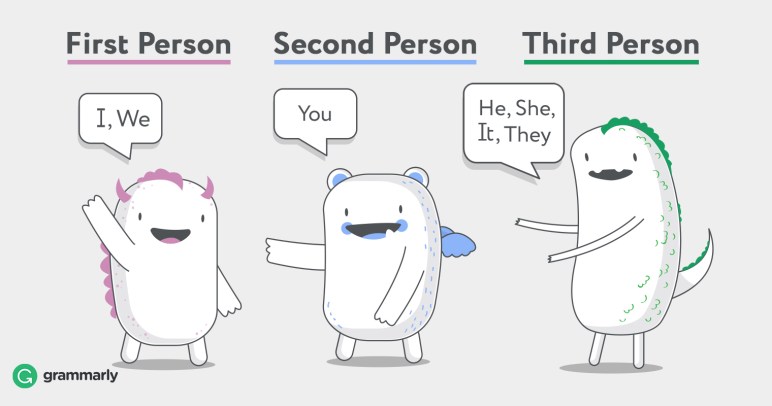
Thank you to the beautiful people at Grammarly for this awesome little image of Point of View.
Whilst (I love using that word) typing up the title today I realized, that all of these blogs on novel writing can also be used in other aspects of your writing. Short stories, flash fiction, non fiction, and even poetry all contain aspects of plot, character, and point of view. In a novel, however, consistency of your point of view is crucial for keeping your reader snuggly in your world. Shifts in POV can cause confusion or jar them out of the story.
So today, we’re going to briefly discuss the typical types of POV as well as which ones are most effective to use.
For the budding writer, I’ll lay down some foundation.
Point of View is basically who is telling the story.
In First-Person POV, then the action is happening to the person telling the story (the narrator is the main character). Here, a writer uses “I/We” mostly while only using “he/she/they” as outward observations. They can tell you what they see, feel, hear, know, etc, but they can’t tell you what anyone else sees, feels, hears, or knows. The best way to show those things are through action and dialogue AND by having faith in the reader to understand by your clues the general idea.
Second-Person is the red-headed step child of writing POV. I’m sorry. I said it. Second person uses “you” and “your” and they narrator speaks directly to the reader. “You were amazed. You’d never seen a chicken with five legs.” They make you part of the story. I suppose some of my blogs have been in 2nd person, non-fiction informative may utilize this POV. I’ve never used this in a short story or my fiction but occasionally it creeps into my poetry. In fiction, it’s very difficult to do well. (“Bright Lights, Big City” by Jay McInerey, “The Sweetheart” by Angelina Mirabella, “The Night Circus” by Erin Morgenstern)
Third-person is an outside narrator telling the story from a distance (she/he/they). When it gets closer in (think into the characters’ heads) it’s called third-person omniscient. Third-person is popular with light fiction, serial romance, cozies, beach reads, sci-fi, fantasy etc. The tricky part of this POV is being able to stay focused on one character at a time. If the story dictates it (two or three main characters) I will switch POV in Third by chapter, possibly by section, but never by paragraph or within the same scene.
We discussed each typical type, but how do you know which one is best for you? Well, part of this comes down to your writing style. When you write, are you the character? Are you in their mind, in the arena, in the pilot’s seat? Or are you observing them, building the world around them and telling them what you see from above? Are you walking them through the story, a sort-of inward conscience to their journey? Which genre is your story? What’s the purpose of the story?
All of these factors can make writing in the right POV harrier than my old math teacher at the swimming pool (Hey! Take the sweater off before you get in–oh…wait…sorry!) Some genres are more lenient as to how much you can change or shift the point of view. Some genres really do best when one specific POV is used.
Take memoir for example. This type of storytelling should be first person, past-tense. Period. That’s your story, it happened to you. You are telling it.
Now, romance novels can dance on the edge of third-person, third-person omniscient, or first-person.
Most contemporary fiction these days is first-person (think Hunger Games) or if you’re feeling fancy, 2-person, first-person (look at Gone Girl–a book told in first by two different main characters–very clever)
I am wont to say that sci-fi and fantasy tend to be third person, due to the world building that has to occur. But it can be done marvelously in first as well (check out “The Martian” which tickles both first and third).
The important part about POV (especially when working with third) is that you stick to a strong, non-passive-voiced point of view that stays in its lane.
Check this out:
“You’re such a selfish prick!” Jill yelled and slammed her fist into the table upsetting the spoons. She’d had enough of his late nights at the track and the dwindling bank account.
Bob jumped back at the sound. His heart fell to his gut and he felt like crying. He couldn’t believe he’d lost their honeymoon money. He was only trying to double up on the winnings so they could have a bigger trip.
Jill paced the room in a fury. How could he? After she had been saving for months and months so they could go away…
Yowza. For one–this is a lot of information dumping out on your reader. You can’t describe your main character’s (Jill) thoughts and feelings about Bob and then in the next paragraph have Bob spring into an inner dialogue on his thoughts and feelings about her. It’s called head hopping and it confuses the readers. Only a few really talented authors can make this happen and not lose the reader (I’m looking at you Nora Roberts).
Don’t cause a ruckus. If the character you are writing for (be it third or first) isn’t a goddamn mind reader then don’t describe things they wouldn’t know.
If you want the reader to have the information, you show through body language and dialogue.
“You’re such a selfish prick!” Jill yelled. “I can’t believe you blew our savings at the tables!” She slammed her fist into the table and knocked over the cup of spoons.
Bob hung his head and swallowed. His voice trembled. “I’m sorry.”
“Sorry? Sorry doesn’t even begin–“ “I was only trying to–” Bob started.
“It doesn’t matter!” she yelled. “You don’t get another chance to make this better!”
Here, the reader has enough information to gather how Bob feels without dropping us into his head.
Ok. Whew! Speaking of info dumps, huh? Take a minute to absorb all of that. Think about your story, what you’re trying to do, who you’re trying to follow, and how you want to bring the reader along. If you’re writing short stories, experiment with all the types of POV. I’ve only written a few things in first and its very powerful, but for some reason, it’s very hard for me. My comfort is in Third-Omniscient, but as in all things in life, we have to push our comfort zones to be better. So…push your zones, get uncomfortable.
I hope that you had a productive week and are staying safe wherever you’re stationed right now. It seems in all parts of the world, different calamities are occurring. In my own state we went from 80 degrees to 30 in a matter of hours. And while I weep for my garden, my hope is that the snow and rain will put an end to the massive fire that is raging north of our town.
Remember, remember…when the world wasn’t collapsing into chaos and death? Photo by Ashutosh Sonwani on Pexels.com
So whether you are being lashed by hurricanes, trampled by heat, or decimated by fire, I am sending all my hope for your safety and well-being. Believe it or not (and most of the world’s leading climatologists agree) this is probably tip of the melting iceberg in terms of where our world is headed.
What better time to start writing that dystopian/apocalyptic novel that you’ve been putting off?
While we still have power to do so, let’s write.
THE NOVEL
Now, some of you are short story aficionados and some are poetry pros but there’s something beautiful and obstinate about writing a novel. It’s the kind of thing that gets bandied about at coffee shops and by people in thick rimmed glasses over cups of burnt coffee, smugly proclaiming that they’re drafting their first, second, or third revision. It’s daunting just trying to write a first version for some of us. While we could probably spend a month-long class on the craft of writing a novel, I’ll try to pare it down to the essentials for those of you who are looking to get started.
Most novels come in between 60,000 and 120,000 words. Some exceptions can be made and I’ve seen as few as 40,000 and over 150,000. The large spread is due to the specifics of genre. A light romance novel only needs to distract us for an afternoon, so 50,000 is plenty. A science fiction tome, where entire worlds are built and new languages are developed will require three times that.
For the most part, I like to keep my novels between 80,000 and 100,000 (but even the Southtown Harbor Series pushed into the 120,000s–ghost sex takes some time to maneuver through). This is simply the cold hard number in the equation. The real magic of a novel is so much more than that.
You can scour the internet all day and dredge up at least fifty sites, each with a pretty little bullet-point list of the “essential” elements of a good novel. One might have 5. Another 3. One had 24. Still another 12.
Just like a novel, it’s all cute and fun until it poops itself. Photo by Daria Shevtsova on Pexels.com
Just like parenting your first child, when it comes to writing your first novel, you will get a deluge of advice both good and bad. I encourage you to read as much of it as you can and reject what doesn’t fit your style. Because at the end of the day, if you are forcing your voice and writing style into the confines of a bulleted list that doesn’t gel, you’re not going to get that book written.
Here are the consistent elements that all novels really should have and that we’ll be covering for the next three to five weeks, in no particular order of importance. (Yes…I get the hypocrisy of giving you a list…just…go with it.)
Plot (can’t write a novel without a purpose/story)
Characters (can’t engage a reader unless they have someone to follow)
Viewpoint (or even Point of View if you will–affects how the reader travels with you and how you are able to convey information)
Style (your particular voice as well as the overall tone of the book)
Arcs (some say beginning, middle, end…I say doorways. Potaytoe, Potahtoe)
Setting (not only does setting affect character and style but can also be a character itself)
Dialogue (I’m throwing this one in because, if done well, it will move the plot along and connect us to characters. If done poorly, it will stunt the flow and disengage the reader)
Well, it looks like I have seven there. I think that’s a happy medium point and a good basis to start. Beginning next week I will be posting both on Tuesdays and Thursdays, mini lessons in the art of writing a Novel. I may even include some excerpts of my own work as examples.
If you have some thing you’d like to ask, or a problem you’ve encountered in the process and want to shoot me an e-mail, I’d love to hear from you and try to help get you out of the pit, so to speak. It may also help another writer who is struggling to hear similar questions and concerns. So don’t be shy.
Until then, gird your loins for next Tuesdays riveting episode on Plot.
Hello kids. Listen, lately this blog has been heavy handed with the writerly stuff. Let’s face it, a lot is going on in the world and sometimes its nice to focus on something we can control, something we can improve, something we can do.
I began this blog with a rant that just sprung out of the general feeling of hopelessness, anger, frustration and worry. For my family, my community, my country. I began on a three paragraph spewing about inequality and why the government and richest among us love to stoke the fires of divisiveness. I began, this early morning, festering outwardly what I’ve been festering inwardly for the last three an a half years.
Because our country has turned to a festering shit pile that’s hard to ignore. But we all know it. We all see ourselves behaving like hateful, ignorant assholes, but…everyone’s doing it so it makes it ok? See? Witness how easy it is for me to fall back into the loop that keeps me up at night, gives me anxiety, and makes me plan to move off the grid and become a hermit.
But today is about reprieve. A break. A rest.
Something different is called for. And so, to take a side road from writing (while not diving into the sewage that our current state of affairs has become), I want to talk about song lyrics.
Specifically, those lyrics from songs that stick into the sides of our hearts. That spur inspiration in our brains. That connect us as human beings. Surely you’ve got a few rambling around in your neurons. I’m going to give you a few here, and links to the songs.
Your exercise this week is to listen to some of your favorites and something new. Think about the words and how they correspond with your own experiences.
Writing is not as powerful if, at some point, the reader (or listener) doesn’t sit back and say to themselves ‘man, I’ve been there’.
Your job, in essence is to find a way to connect to a complete stranger by letting their words affect you.
Here you go:
I heard this one earlier in the week and it had been years. As I’ve aged, it’s struck different and more meaningful emotions in me.
“Once upon a time there was an ocean But now it’s a mountain range Something unstoppable set into motion Nothing is different, but everything’s changed
It’s a dead end job, and you gets tired of sittin’ And it’s like a nicotine habit you’re always thinking about quittin’ I think about quittin’ every day of the week When I look out my window it’s brown and it’s bleak
Outta here How am I gonna get outta here? I’m thinking outta here When am I gonna get outta here? And when will I cash in my lottery ticket And bury my past with my burdens and strife? I want to shake every limb in the garden of Eden And make every love the love of my life
I figure that once upon a time I was an ocean But now I’m a mountain range Something unstoppable set into motion Nothing is different, but everything’s changed
Found a room in the heart of the city, down by the bridge Hot plate and TV and beer in the fridge But I’m easy, I’m open, that’s my gift I can flow with the traffic, I can drift with the drift Home again? Naw, never going home again Think about home again? I never think about homeBut then comes a letter from home The handwriting’s fragile and strange Something unstoppable set into motion Nothing is different, but everything’s changed
The light through the stained glass was cobalt and red And the frayed cuffs and collars were mended by haloes of golden thread The choir sang, “Once Upon A Time There Was An Ocean” And all the old hymns and family names came fluttering down as leaves of emotion
As nothing is different, but everything’s changed”
This man is brilliant, in voice and lyric. There’s something dark and gritty in him that brings out the underbelly of love:
“Love ain’t nothing more than black magic You better want what you wish for It might happen I drank your poison Fell under your spell Love is hell and nothing more than black magic
Love is like a bag of drugs it blows out both your knees Innocence gets tangled when you hang it on a string Both our eyes were foggy glass, too high to ever see The devil’s sleight of hand, twisting fate with ancient ink”
This song…is on my alarm in the morning…Because what we have is what we are and where we’ve been has gotten us this far.
“Every tree has got a root And every girl forbidden fruit and got her demons And the path I chose to go, a different girl so long ago I had my reasons
And she’s in my head so loud, screaming “Shouldn’t you be proud of what you came from? Oh, you’ve been crippled and you’ve walked on You’ve been shut up and you talked, so let’s talk some more”
Where is the hand for me to reach? Where is the moral I’ll ever teach myself? In all the black, in all the grief, I am redeemed
And its ripping at my heart Because Im dodging all the darts and on a slow train And then Ill wear it til it tatters And it shatters on the floor in instant replay
Oh, were all rotten and were pure And were just looking for the cure that feels like spring snow And all we have is who we are and where we’ve been got us this far, so let me go”
This woman’s voice and writing is so empowering. I recommend listening to this one while you’re out walking, or running, or moving. It’s a heart-helper.
“The way you smile When you believe in it, in your future It’s different, it’s different
Now we moving forward, ever backwards Never forward, ever backwards, never And when the going gets rough and life gets tough Don’t forget to breathe
I love it here ‘Cause I don’t have to explain to them Why I’m valuable, that I’m magical And back home they tear Tear my soul apart Love my broken heart I don’t know where to start
The way you smile when you believe in it, in your future It’s different”
I could go on ALL DAY. But I’ll only give you two more.
This has been a favorite of mine for a long time. It feels like a whole journey through life and the one lesson at the end you wished you’d known sooner. And this video, I believe, was compiled by some amateur videographers. It’s brilliant. It feels like what my soul would do, if it were untethered from fear.
“Hello, my old heart How have you been? Are you still there inside my chest? I’ve been so worried, you’ve been so still Barely beating at all
Oh, oh, don’t leave me here alone Don’t tell me that we’ve grown For having loved a little while Oh, oh, I don’t wanna be alone I wanna find a home And I wanna share it with you
Hello, my old heart It’s been so long Since I’ve given you away And every day, I add another stone To the walls I built around you To keep you safe
Oh, oh, don’t leave me here alone Don’t tell me that we’ve grown For having loved a little while Oh, oh, I don’t wanna be alone I wanna find a home And I wanna share it with you
Hello, my old heart How have you been? How is it being locked away? Don’t you worry, in there, you’re safe And it’s true, you’ll never beat But you’ll never break
Nothing lasts forever Some things aren’t meant to be But you’ll never find the answers Until you set your old heart free Until you set your old heart free”
If you haven’t been listening to them so far it’s cool. But, PLEASE LISTEN TO THIS ONE. PLEASE WATCH THIS ONE. In today’s hurtful environment, we all need to be reminded that every man is a son to a daughter. Every woman is a daughter to a father. We should always treat each other as if we are gifts, in need of love and understanding. It should be forefront in every heart and mind.
“What I’ve learnt from the ocean Hard to dance and rejoice in the motion Let the sun have its moment The moon will come What I’ve learnt from a soldier Every man is a son to a daughter And we only remember When we see the blood
Don’t grow up on me Keep that backstroke in your Afro Don’t you grow up on me Slow up homie Don’t you grow up on me Keep it OG sipping slowly Don’t you grow up on me Slow up homie
Don’t you show off on me Don’t you grow up on me Show off on me
What I’ve learnt from a traveler There’s no road that can lead to nirvana There’s a world to discover But home is love
What I’ve learnt from a mirror Look too hard and you’ll find you a stranger Love is just a decision The choice is yours”
All right, writers. The choice is yours, how you do this day. Are you an ocean or a mountain range? All you’ve gone through has led you to where you are today. And while love is like a bag of drugs that blows out both your knees, you’ll never find the answers until you set your old heart free. I hope you move forwards, ever. Backwards, never. And know that love is just a decision; the choice is yours. I hope you choose love.
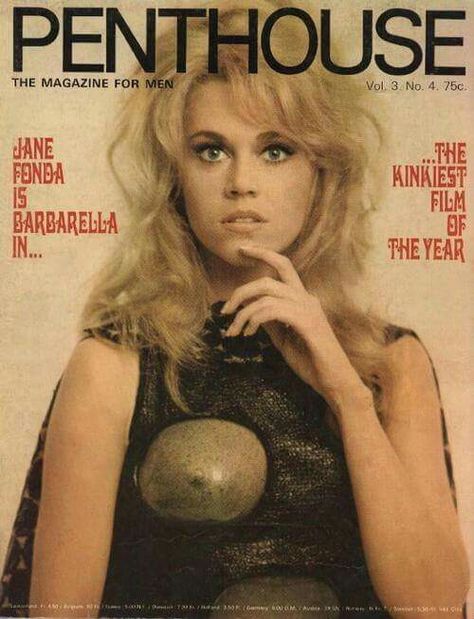
Okay. That title doesn’t have anything to do with short stories and how we write them (unless you’re on the right route to submit for Letters to Penthouse…does that still exist anymore?)
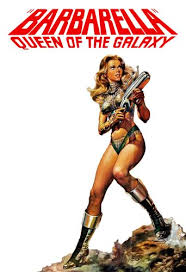
What do you mean you haven’t seen this movie!?I’m kind of surprised my mom let me watch it. I’m still mildly obsessed with angels…
I just wanted to mark the occasion of your thirtieth lesson in writing. And drum up interest for our last foray into the short story.
First–How did last week go? Were you able to come up with some ideas for future short stories? Did you write any? Did you revisit some of your favorites from the past? No? Come on…I can’t do it all for you!
If you have managed to draft up a couple of ideas and maybe even pursue them, and you’d like to have a second set of eyes, I’d love to take a look. As you may have seen, I updated my submissions guidelines on Tuesday for anyone looking to start building their platform as well as finding a place for their work (without the work of having to start and maintain a blog…gosh, I’m doing EVERY THING for you!)
So, last bit of short story advice is this. Once you have your strong (loved or hated character) and you’ve thrown them into a bus crash on their way up to hike Machu Pichu, what do you do with it?
Well, as in Poetry and Flash Fiction, if you you believe in this work and you want to see if it’s worth the reading for the general public; you submit it for consideration.
After a very thorough round of editing (or six), conformance (sure that’s a word?) to industry standard word counts, and all of your I’s dotted, you embark on the great internet search to find the perfect journals/mags/online forums to submit to. You find out the editor’s name, and use it to craft a beautiful query letter, follow each publication’s guidelines to the letter, and submit your work (while recording who and where and when you sent it to because you’re not a disorganized slob like me). Then you sit back and wait for the magic to happen.
Except you should never just sit back and wait as a writer.
Once that beautiful piece of literature, sure to torture high-school student’s someday with its dissection, is out in the hands of hard-eyed editors, you go back to that booklet of ideas and begin again.
The secret to a good writer, is that they don’t throw all of their hope into one basket and hurl it into the universe. They churn out the baskets, in a timely manner and with enough care that they aren’t just filled with shit. And they keep plugging away at it. And the first stories might actually be baskets of shit. But it gets better, they get better, you get better, until soon, you know what works and what doesn’t by the frequency of rejection notices.
I think I just summed up my writing existence in one paragraph. You’re welcome.
Normally, I would leave you with a list of publications that are accepting short stories. But…I think it might be time for me to kick you out of the proverbial nest on this one.
Go online–resist the urge to search cute kitten videos or Henry Cavill shirtless…holding kittens–and search for places now accepting submissions for short stories. If you can be specific in your search to the content of your story. Narrowing your search engine will save you time and weed out the journals that aren’t interesting in what you’ve written.
My general rule of thumb is collecting a list of 15 to 20 potential publications (yes, there are that many) and submitting my story(s) to 3 or 4 of them a week.
*Disclaimer–some publications will NOT ACCEPT simultaneous submissions so either submit different pieces or wait to submit until your current work is rejected (I’m not saying it will be…I’m just–*sigh*–saying that the odds are such).
Boom.
Mic Drop
That’s it. Go write something. Go submit something. Go watch “Barbarella” then write something. Come see me next week and yell at me for breaking your brain with Jane Fonda breaking ‘The Machine’. Next week’s topic is a surprise. (I say that because I don’t even know what I’m writing about next week)
Hello! Welcome back to The Beautiful Stuff and todays’ introduction to the well-known and prolific format we all suffered through in high school English.
Ladies and Gents: The Short Story
Don’t get me wrong, I say ‘suffered’ now because everything when you’re a teenager that entails any sort of responsibility not of your choosing is, to some degree, “suffering”. I mean, I could write for hours, holed up in my room, gladly passing the day. But ask me to read a short tome by O. Henry and I’d give you an eye roll and heavy sigh that would have rivaled the most put-upon martyr. Looking back, I actually really liked those stories. I remember dissecting them, studying the elements, and learning what made them so powerful.
Thank you, Joyce for “The Most Dangerous Game” and mining deep into the dark hearts of men. Hats off to the master of short story, E.A. Poe and his “Tell-Tale Heart” among at least a dozen others that gave me a healthy love of the spine-shiver. Shirley Jackson’s “The Lottery” was my first taste of apocalyptic fiction. I’m sure you’ve had similar experiences and I urge you to go back over those old favorites and see what you notice at a different age/stage of life.
The Short Story is actually lumped in with Flash Fiction and Micro fiction and is defined by a word count of 5,000 to 10,000. Some even dip down to the 1,000 range, occasionally they’ll touch 15,000. But in general, anything above that (30,000-60,000) is considered a novella. I’m giving it its own blog because the short story is a beautiful place to start if you are just beginning your path in writing. It’s not overwhelming but it will allow you to practice a lot of the bigger elements of story-telling. It requires a certain amount of frugality with words and demands a tight story arc which are good practices to hone before embarking on a novel-length piece.
What’s the difference from flash fiction? Well, in flash fiction you are looking at a snap shot of a moment; a defining moment, a quirky flash in the pan. In a short story you have more wiggle room for character development and the ability to tell a complete story.
Why’s that important you ask? Wow, you always come up with so many good questions!
Character development is important in short stories, because often it is the character that drives these stories. That doesn’t mean you get to expunge for 3,000 words on the finer details of Joe Doe’s eleventh grade algebra class. It means you have the opportunity to create a connection to the reader by showing who Joe is using his reactions to the situations presented.
Well, as in novels, you have to know your character. I once wrote a short story about a woman who’s husband left her on her 50th birthday for a younger woman. I got to know Jane Pearce so well, that I often think there’s a little bit of herself still residing in me. The part that snaps out of her doting-housewife haze and burns the mother-fu$^ing house to the ground, collects the insurance money, and retires to Italy under a new name. The point is, if you don’t know what drives your character then you risk wasting time and words on a vignette that should be tight.
What else do we need to know?
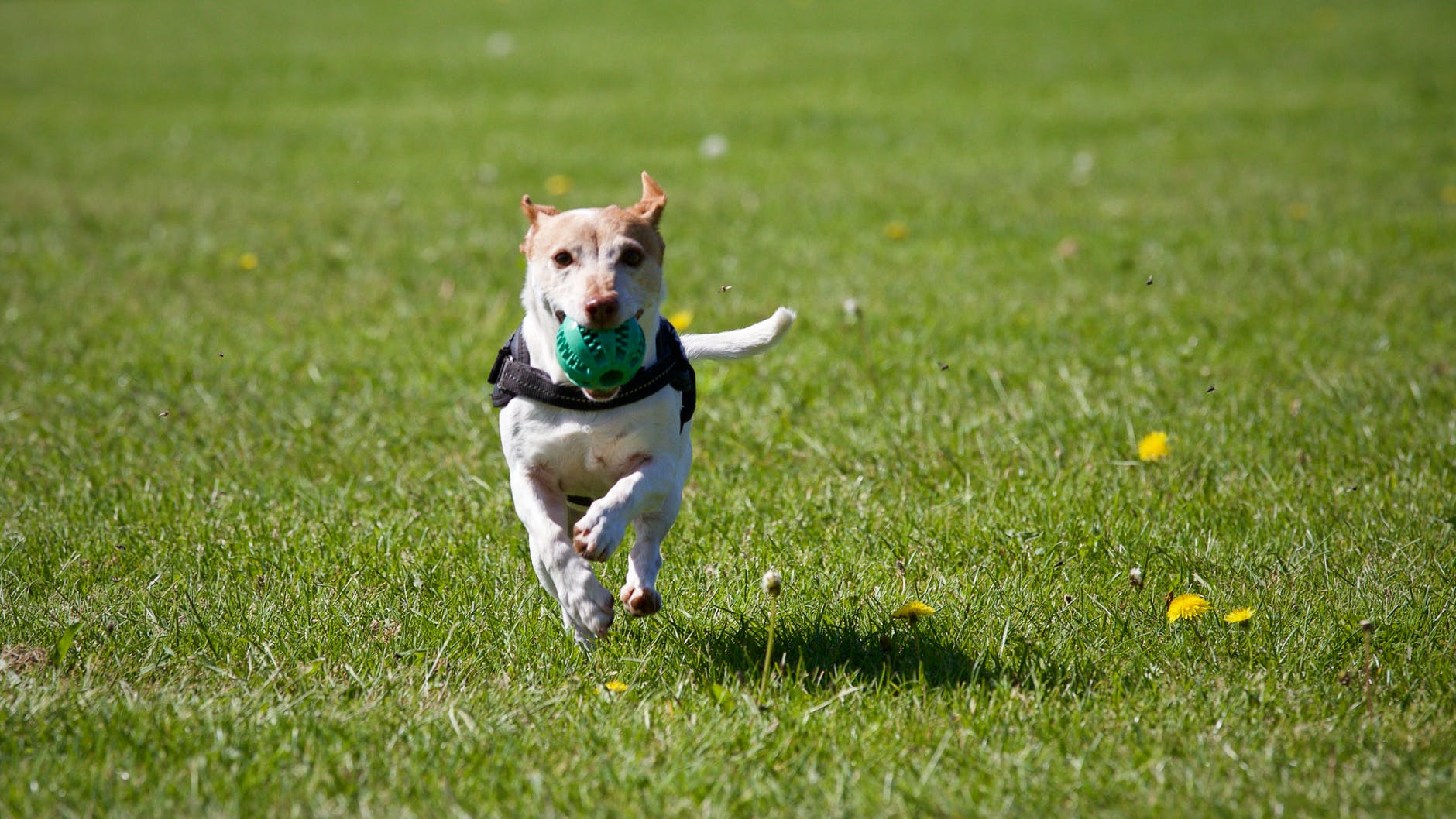
Death follows a Terrier on a Mission. Photo by Matthias Zomer on Pexels.com
Well, you need an extraordinary event. A divorce out of the blue. A airship landing in the parking lot of the 7-11. A dog running down the street with a human leg in its mouth. A car crash, a panic attack, an island event where humans are hunted, a lottery to see who’ll be stoned to death. A body buried beneath the floorboards…something. Something that forces our beloved (or be-hated? is that a word? why isn’t it?) character into some tough decisions that make them CHANGE AND GROW. Yes. This can be done in the short span of 7,000 words.
You may, if you’re so plottingly inclined (in my head that sounded very judgmental, I apologize to all of my plotters out there), outline your short story to arrange it with the proper story beats, valleys and arcs necessary. Or, if you’re a slob like me, you can just start with the event and your character and see what madness ensues. Just be conscious this is a finite clip, not the 6-hour extended director’s cut.
I could, literally, go on for thousands of more words about the art of the short story, but I know you have some kitten videos to watch and probably a pants-less Zoom call to get on, so… I’m going to end this first blog (there will be others) with a good starting point for my beautiful writers out there.
The hardest part of the short story, for myself and other writer’s I’ve talked to, is finding a smashing good idea to write about. For this week, I’d like you to try one or both of these exercises and come up with, at minimum, 10 potential short story ideas. If you have the time, pick one or two and try your hand at a short story.
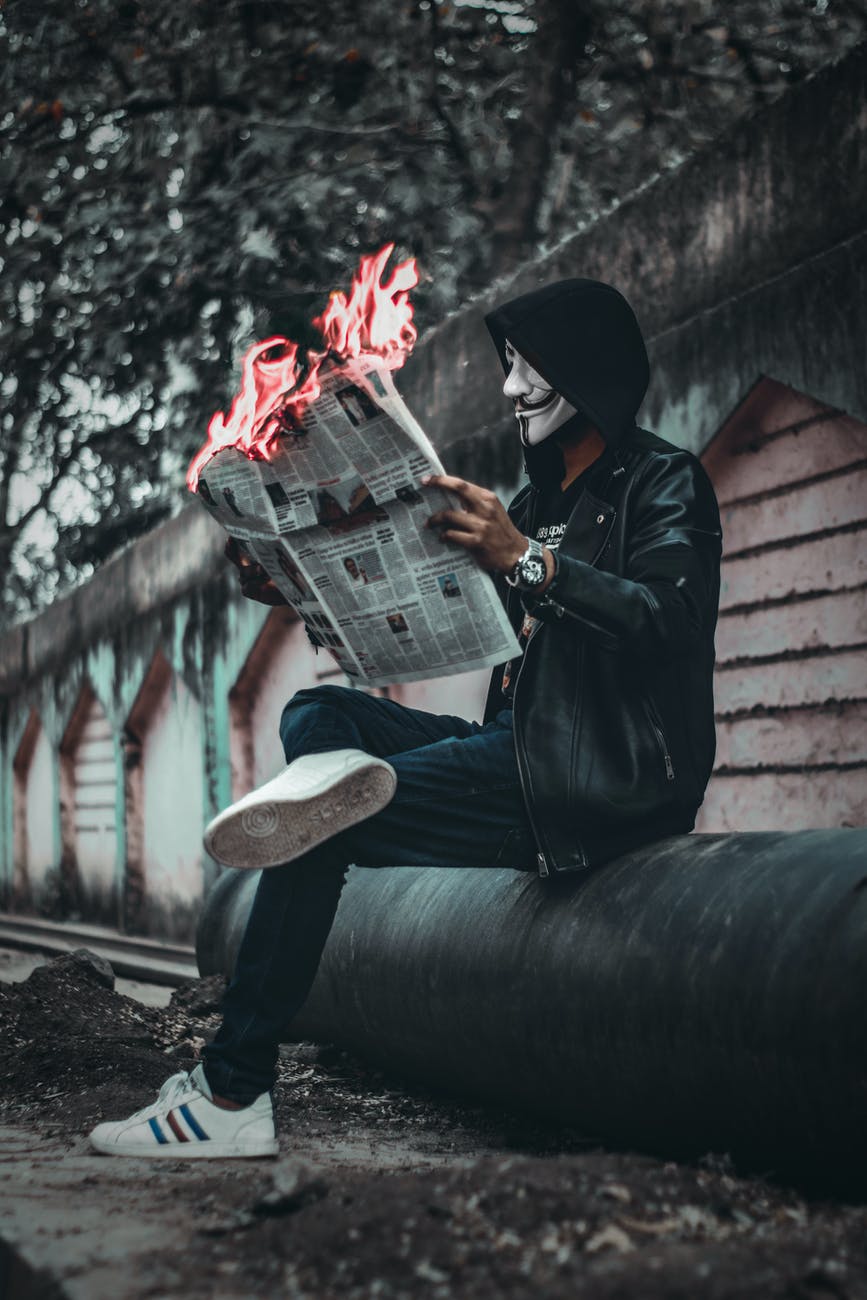
For the first exercise, I would like you to pick up a copy of your local newspaper (or scroll through it online) and seek out interesting or strange headlines that deserve a bigger story. The body pulled out of the river with no fingers. The discovery of pesticide residue in kindergarten playgrounds. Whatever catches your eye. Find a notebook, write down one or two lines on each and keep going. Don’t stop to write the story just yet. Let your beautiful brain simmer.
Secondly, I would like you to take a prolific historical/fictional or not character and ask “what if”. What if Henry Melville had been a modern day fisherman. What if Lizzy Borden had been a nursing home attendant? What if Buddy Holly had survived the plane crash? What if Donald Trump was really an alien? (ok, that one’s not so far of a reach)
Get freaky with it, twist history a little and see what interesting plot ensues. Thanks for playing today. Share your results and ideas, if you like and we’ll be back next week with more on the Short Story!








 Sarah Reichert Author