Process and Perfection

Photo by Gu00fcl Iu015fu0131k on Pexels.com

Look at us, surviving (nearly?) another summer, a Camp NaNoWriMo, and one of the most interesting and invested writer’s strikes in a while. I’m so proud of those on picket lines and, though I still produce my blog, I do so for the other writers out there, and for my own sanity. That being said, if you’re a writer, artist, (struggling or not) or simply someone who believes in the arts, keep your eyes and your voices raised. This battle is one that is fought on every screen, newspaper, and blog post. Support all of our artists and dreamers. Because creativity is not just the source of our humanity, it is the building blocks of our survival. Engineers build bridges but someone must first imagine the bridge. You know what I mean? Survival takes all the bright and brilliant we can offer as species, so support all the bright and brilliant with a living wage, and do not pay into the corporate machine.

Okay–let me just….step down from that…soap…box (grunt). Now! Where was I? Well, I’ve been promoting and reviewing and doing all sorts of extraneous writing/marketing fluff, so today I wanted to get back to writing and talk about PROCESS.

If you’re a writer, I know you own at least three to 50 books on writing. And every single one of those offers you advice, usually from someone who “made it” in the world. We could say “experts” in the field. And where, yes, there are some constants that should be paid attention to (the book won’t write itself, you do have to put in the time, no its not easy, yes you will fail…repeatedly) I want you to take my advice (Ha! hypocrite!) on these few things…

Why take my advice? I’m not Stephen King, or Dan Brown, or Robin McKinnley, or Connie Willis…Who TF do I think I am? Well, beyond the fact that I’m a pretty average writer, with a good community, and an interesting background…I care. I actually care about your success as a writer (see above rant about artists and creatives).

And the thing about us, is that no single writer is in the same life or head space as the next. Stephen King isn’t raising two toddlers and working full time. Connie Willis isn’t supporting a family of seven with a night shift job. I’m not trying to cope with dyslexia or ADHD… We are all on a similar journey but we’re not all wearing the same shoes. Some of us may not even have shoes. And it may be night. And there are wolves chasing us…okay…back on point…

  1. PROCESS ISN’T AN ABSOLUTE: No singular way to write is the RIGHT way to write. (that’s a lot of goddamn ‘right/writes’) Write everyday, write in the morning, write at night, sit in the chair and don’t come out until you’ve got 5,000 words…NO. There’s absolutely no truth to any of this. While, you do have to write (to be a writer) how and when are defined by your life, your energy, your day, and your ability. And ALL of those factors continually change (especially if you’re a parent or care giver, work multiple jobs, have learning challenges or are facing mental health crises). SO–your process is your process and it might look like 15 minutes in the morning and 20 minutes at lunch, and note taking during your kid’s practice, and daydreaming in the bath. Which leads me to the next absolute.
  2. NOT ALL WRITING IS WRITING: WTF does that mean? Well, daydreaming, is writing, downtime with a movie that inspires you, is part of writing. Getting a good night’s sleep and going for a walk are all parts of the writing process. The human brain is not meant to be stimulated the same way for hours on end. It’s complex, it needs variety. It needs challenge, it needs downtime. Nearly every writer I know has said…”It wasn’t until I took a break, and a walk that I got through that problem.” You can’t bash your brains against a plotline and hope the hole gets fixed. Being a writer is in large part being a shiftless daydreamer. So don’t discount the times you’re not in the chair clacking away.
  3. ONLY YOU SET YOUR LIMITS: This is both to the advancement and detriment of your craft. Someone says you should write 2000 words every day, but you are struggling to get 700, or maybe you’re throwing down 5000 words in one afternoon and don’t write for a few days…You are responsible for the ‘rules’ you make about writing and only you know the best possible route. I have a lovely friend, brilliant, funny and talented, who struggled with her first book, until she realized that she didn’t need to write every day. And that night writing wasn’t her thing and that she had to ‘let’ herself be okay with what her brain and her heart needed on whatever day the universe was giving her. Brav-Fucking-O I say to that. How many of us ascribe to preordained writing gospel only to be disappointed that we are failing that particular process? And what happens when we get discouraged? We stop writing. We fall into self-blame, and defeatism, and a general giving-up on ourselves and our work because we’re not a ‘real writer’. KNOW YOURSELF, TRUST YOURSELF. GIVE YOURSELF THE TOOLS, SPACE, and PROCESS YOU NEED.

Well, that’s all I have for today. Get out there, or go inside, sit down or walk around and take voice notes. Take a bath, take a walk, spend three hours at a desk, or fifteen minutes at a coffee shop. Just write. In the best way you know how.

Book Launch and Something Fun

Hi kids…

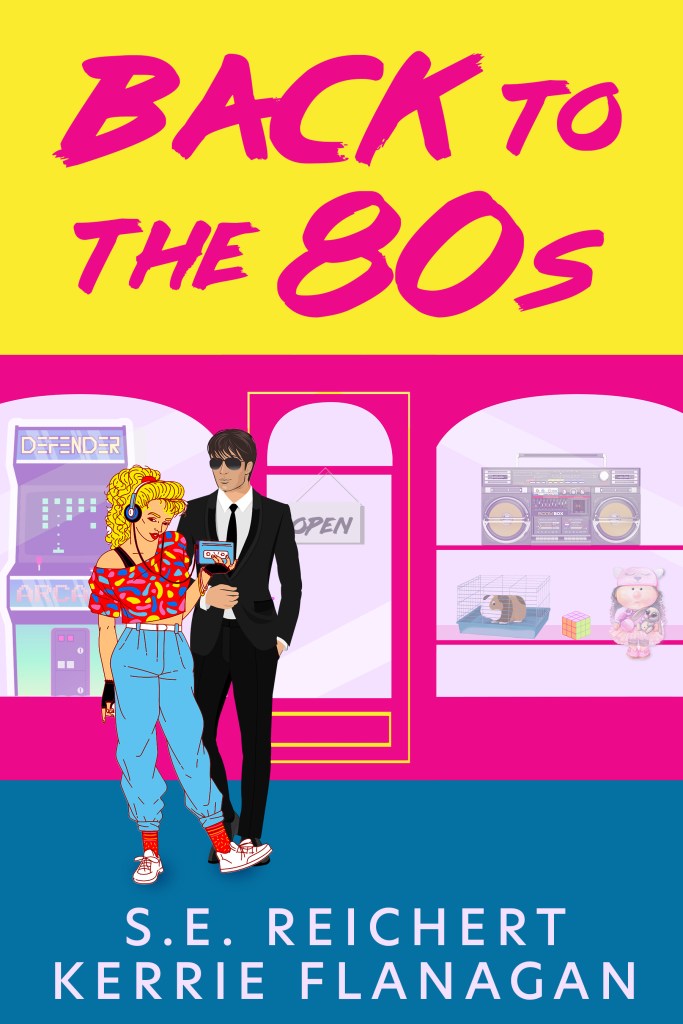
Just a friendly reminder that my writing partner and I will be at Totally 80’s Pizza here in Fort Collins for our book (Back to the 80s) launch, next Tuesday (August 1st) at 6 pm. There will be prizes for best 80s costumes, giveaways for trivia, and books for sale! Also, we’ll be rocking some utterly disgusting neon so… come and at least laugh at me. Maybe buy a book while you’re there. (AND enjoy some pretty good pizza and all the amazing nostalgia that Totally 80’s offers)

The book release for Granting Katelyn is the same day as Back to the 80s, and since I can’t be both morose and Scottish and 80s Retro Bright at the same time, I’ll be hosting that launch in September. Stay tuned for details on that and a possible get together after the signing.

That’s the news that’s coming up soon. I’m currently making arrangements for a book tour up in Wyoming in November (may the road and weather gods smile on me) and so far only have the set date of November 21st at the Saratoga Branch of the Public Library. I will have all three of The Sweet Valley Series Available (signed) and will give a little talk about the books, the characters and how the state shapes great stories. More of that to come.

But–because I don’t just want to sell you books (in neon and blue eyeliner nonetheless) here’s a little flash fiction piece to entertain. It’s, as Monty Python would say, something completely different. Enjoy!

Demon-O’s

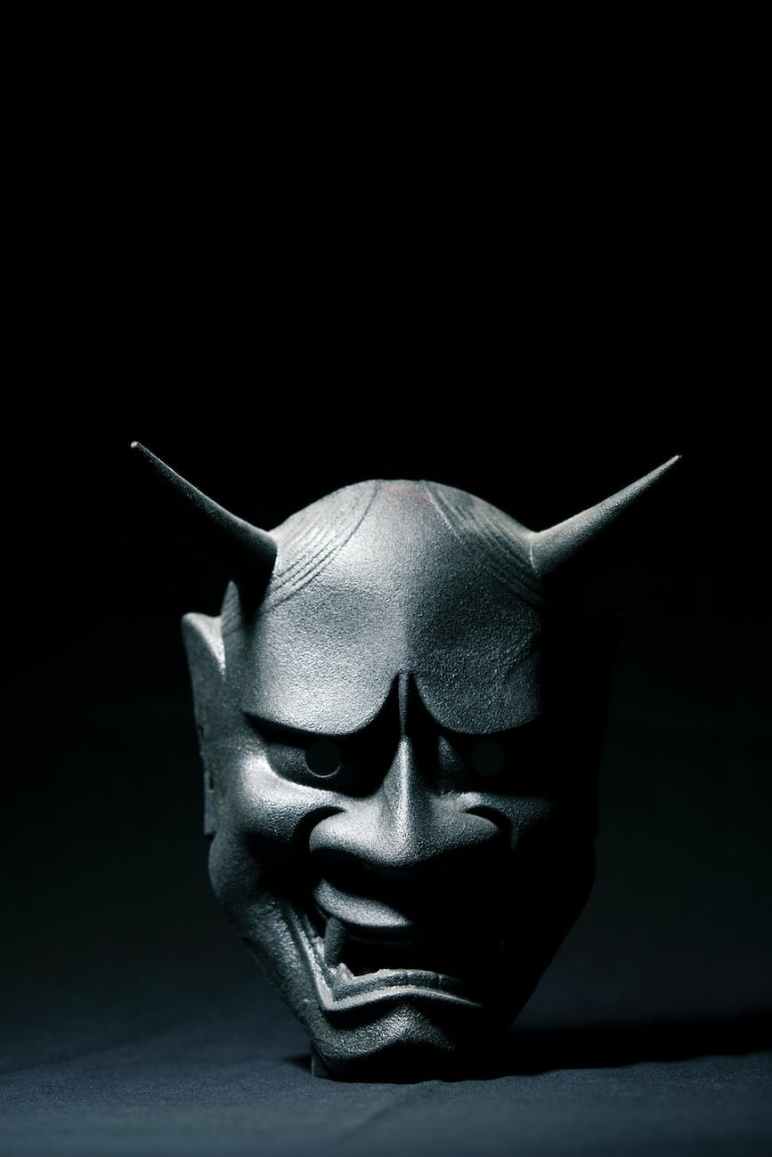
The day I summoned the demon was a normal Tuesday. I’d been reading the back of my cereal box, as usual. Milk dripping from my bottom lip as I tried to decipher the answer of the puzzle, by reading the letters upside down. My lips spattered sugared milk, through the white bubbles as I muttered and remuttered the words. Finally convinced, I shouted them out a third time, in fluffy robe victory. And there, before my eyes, sprang up from a tear in the fabric of time a blackened corpse, tattered wings, and one broken horn. It’s eyes bored into my soul as he asked, in gravelly tones.

“What is thy bidding, master?”

The milk dribbled down the front of my batman t-shirt and soaked into my robe from my agape mouth as I tried to reason with the smell of brimstone among the vanilla, frosted sugar bombs (now with extra marshmallows!)

“I—Do I know you?”

“You have called upon me, on this day, to aid in the wreck and ruin of this failing world.” Its voice rose in melodramatic glee. I put my spoon down and considered.

“Well, I hadn’t thought about that just yet. I haven’t even finished breakfast—” The demon heaved in deepening breaths, stoking up the fire of destruction that glowed like coals being blown on inside the empty cavern of its exposed ribs.

“What is thy bidding?”

I sat back, considered for a moment. One should always think clearly when presented with the opportunity for rampant destruction. I picked my spoon back up, tapped it in the air before, folding my hands in my flannel covered lap.

“Well, I—I do have some laundry needing folded.”

The demon stared at me, head cocked to one side, a bit of ash fell from its one decaying horn, dirtying my carpet.

“Laun–dree?” its voice croaked.

“Yes. Definitely.” It was my most hated chore. If I had someone at my beck and call, I wasn’t going to waste the resource on a world already destroying itself when I had three good sized piles waiting on my bed to be folded.

The demon’s boney shoulders shrugged up to its ears, clawed hands rose up in the in the universal gesture meaning ‘what in the fresh hell is wrong with this guy?’ and a disgusted look turned its mouth and stony forehead down.

“We do not fold laun—dree.”

“Are you or are you not at my bidding?” I glowered back. The demon grumbled and a hot coal fell from its grinding teeth.

“I am.”

“Well, then. Laundry first, world domination second.” As though versed in the obstinate language of teenage defiance, the demon threw its clawed hands up into the air and rolled its glass-like eyes skyward.

“This is bullshit!”

“Whatever! Get the chores done first and then I promise we’ll go find some havoc to wreak!” I argued back. You may not know but demon sighs are punctuated with smoke and spits of sparks that float on for seconds. Still, to his credit, he trudged up the stairs all the same, even if grumbling all the way.

“And don’t forget to separate the delicates!” I poured another cup of cereal into the bowl and looked at the answer again. I’d misread it. Thrice perfect times over.

“Oh—that’s an L not an O.”

Camp NaNoWriMo 2023

Hello writers.

I don’t know if you are suffering the lull of longer days and stifling summer heat. Maybe this is your season and you’ve got no complaints. Whether your basking in the golden glow or changing your third sweaty bra of the day with a curse, I have a little challenge to keep you motivated even when the lethargy of July hits hardest.

You all know I’m a huge fan of November’s novel writing challenge, but this is the first year I’ll be participating in their Camp NaNoWriMo. The organization offers two camps each year (April and July) to help keep writers inspired throughout the calendar months. The camps, however, offer a little reprieve from the high-word count pace of November. The rules are simple, during camp months you get to set any word count goal you want and are allowed to work towards any project. Say you have a first draft that you’re ready to get cleaned up, through the camp conversion chart you can estimate how many ‘words’ you would get through your editing endeavors. Or say you want to get a jump start on a new Vella project (ahem–I’m working on it!) you could put out a goal of twenty episodes at 1,000 words a piece and as long as you’re logging your progress towards that, you’re nailing the challenge.

I realize you don’t have much time to prep, like you might in October, but I think the beauty of this challenge is that it’s a lot more lackadaisical and banging out a simple outline or bullet list of your goals might be just enough to get you started. Begin with a project in mind, pick a reasonable word count, page count, or chapter goal (reasonable means it has to still be a challenge, so don’t slack off–but don’t discourage yourself with something you can’t reach in a month–especially with kids at home) and pin it up by your work space to keep yourself honest and inspired.

As the youth coordinator for Writing Heights Writers Association, I’ll be creating a group for my teens to participate. It’s a much lower pressure contest and still has a lot of the same benefits, mainly building good writing habits along with some fun swag at the end. If you’re interested, or you know a writer who could benefit from a little mid-summer pick-me-up, visit their website: Camp NaNoWriMo and register today.

Hit me up here or on social media and let me know what you’re project is and if you’d like to connect via the organization’s site. I’ll also be running some virtual write ins during the month.

Creativity and The Writer: Part 2

Hey kids. If I hadn’t mentioned it before, a lot of what I’m talking about this week (and last) I learned from a great class at the Wyoming Writers Conference a couple of weeks ago with William Missouri Downs, a screen and play writer with years of amazing experience. If you have the chance, check out his work. His class has been on replay in my mind so I thought I’d share the good stuff.

Last week we did a little basic housekeeping when you’re trying to foster a more creative life. This week, we’re going to go a bit deeper into what creativity is and why, sometimes, it can be hard to grasp.

First of all, creativity is not something you’re generally born with. There maybe certain individuals who seem to have an easier time being creative, but for the most part, anyone can become more creative. Because, at the root of creativity, is the ability to open your mind to new possibilities and new solutions, and that starts with a few things:

  1. Be curious…about everything. Read articles and blogs on anything that grabs your interest. Give yourself space to wonder and research, even if it’s about the mating habits of the Pygmy Sherbert Moth of Southern Cambodia. Learning about different and strange things will actually help your brain spark ideas and forge connections that you might not have before.
  2. Learn how to concentrate. It seems counter intuitive that creatives are able to sit and focus for long periods of time (maybe its that stereotype of the flighty artist, flitting around the room on several projects) but being able to concentrate, uninterrupted, leads to alpha states which leads to ‘flow writing’. And it also keeps you working at a problem until a reasonable solution is found. Think of it as mental stamina, and we all could use more of that.
  3. Set aside time for your art and PROTECT YOUR SOLITUDE. I don’t think more needs to be said, except that it also means being able to be alone, and creating boundaries (even with the people you love) to protect your writing space. When people in your life ask what they can do to help, be honest and ask for alone time to write and create.
  4. Look for options long after others have given up on a problem. Explore all angles and possibilities. Even the ridiculous and absurd solutions–find those and play, because one thing may lead to another, to another, eventually to the right thing. Whether it’s a plot hole, or a crisis resolution, be open to the strange and impossible. Being stuck is an opportunity to do something different, to get your head completely out of the box.
  5. Take chances and accept failure as part of the process. Failures lead to knowledge and knowing you will fail means you take every opportunity as a chance to learn more about what works and what doesn’t without judging it or yourself too much. Safety is not a place you learn anything.
  6. Have several different interests. Yes you’re a writer. But you’re also a yogi, or a bat tamer, or a bee keeper or a circus performer. Spend time learning and growing in as many places as you can. We should all actually strive to be Jacks and Janes of All Trades. After all, the whole saying is that “a jack of all trades is a master of none, but oftentimes better than a master of one.” This goes back to making those strange and creative connections between things and solving problems outside of the normal lanes of knowledge.
  7. Be persistent, write every day without fail. Meet your deadlines (other people’s or self-imposed), without fail. Yes, yes, I know there’s a lot of writing advice out there. And some people don’t write everyday and they’re perfectly happy and successful. I think writing everyday is not so much a direct line to your success in the field, so much as it’s an investment in yourself and a way to give back to your time, your space, and your own sanity.

There are plenty of exercises you can find in books and online to help boost your writing creativity but the habits above will help you cultivate a lifestyle where your brain can do what it was born to. And that’s, create.

Be willing to throw outrageous suggestions and ideas up on your board and not make judgements. Free flow new ideas out on a page without looking back as they land. Then give yourself an hour or a night and come back to it. Even if none of them seem viable, they may lead to different avenues that will be your next great idea.

Well, that’s the short, short version. I hope you have a creative week and feel free to email me here on the site if you have any questions or just want to chat about writing.

Good luck.

Creativity and The Writer: Part 1

Feels like that could equally say, “Beauty and The Beast”. So many ideas of what creativity is exist. Is it limited by IQ? Is it genetic? Does it only happen at given times or is it always on the bench, waiting to be put into play? Do some people have more of it? Does it dry up?

Often, as a writer, I’ve asked myself all of these. At times she has felt like a constant companion, whispering ideas and daydreams into my ear. At times, it feels like I’m alone in the middle of a lifeless desert, not an idea or a breath to take. When the good is good, ah they high it brings. When she’s nowhere to be found, there’s not a deeper low. And sometimes it feels like some writers are blessed with a giant bag of it, that they can’t possibly use in one lifetime, while mine is just an empty plastic bag, with a hole in the bottom.

I know many things, physically, can affect your creativity so I’m going to start there. Here are some basics you ought to know:

  1. You need sleep. Sure, sleep deprivation can give you some really interesting half-cocked (i just wanted to use that word) ideas. But they’re rarely fully formed enough to make much out of, especially once you’re coherent enough. Get sleep. Your brain needs it to problem solve, and that’s a HUGE factor in being creative.
  2. Don’t treat your body like a circus tent. Eat good foods, vegetables, lean and clean protein, drink water, watch the sugar and the processed foods. Limit the caffeine (see sleep more). Vitamins, nutrients, and minerals all help to keep your synapses firing correctly and your brain clear.
  3. Cut back the Alcohol. I’m not ashamed to say I struggle with this one. Its in my genes, and I have to be very conscious about it. I’m actually taking steps towards sobriety. One glass of wine softens my brain enough to let go of my anxiety and words seem to come easier. But I’m not the kind of person who can stop at one glass usually. Because if one feels good…two would be great right? And why not a third? And pretty soon you can’t even see straight and the brilliant ideas of last night that you scribbled down are incoherent the next morning. Creativity works better with Clarity.
  4. Exercise. Might surprise you to know that the old brain needs oxygen to function. How does it get that? Through our vascular system. Want to have a healthier vascular system? Exercise. Not only does it increase your oxygen level and hit you up with a tasty dose of endorphins, it gives your muscles, joints, and tendons a lot of love and attention. I don’t care how you do it, (bike, run, walk, lift, yoga, pilates, belly-dancing, martial arts) just do it, at least 30 minutes a day. Bonus points for doing it outside.
  5. Take time away from your screens. This one is going to lead into part 2. We are an overstimulated bunch of hairless monkeys. My goddess, did they do a number on us the day social media was invented. Here’s a little hit off a fake feeling of mattering. Now get twenty thousand of them a day while you scroll through nothing but recirculated and watered down ideas. Nothing original, nothing too insightful, and please feel free to stay in your designated echo chamber. I truly believe these systems, algorithms, AI and the entire corporate conglomerate of Meta is one of THE BIGGEST creativity killers ever known to humans.

So, that’s the beginning, taking care of the basic human needs that create an environment conducive to creativity. Think of it like a garden. You can’t grow anything in a dry and poisoned patch of dirt. It needs all the good stuff to begin a healthy bunch of ideas. Next week, we’ll talk about a little more about what creativity is and what it is not, and you’ll get another good list of ways to cultivate it and use it in all aspects of your life.

Happy writing!

Postulating Purpose

Hello friends. Today is the start of the Writing Heights Writers Conference here in Fort Collins, so I’ll be away from my website and blog for a few days while I help out.

I’ve been a part of the writing community for quite a few years (15?) and have attended several conferences, classes and events as both a member and now part of the team. Far from being an expert, I feel like I’m still learning things every time I step out into these forays with other writers. About writing, yes, but also about trends, and people, and methods, and humanity. And myself. Lately, I haven’t been very impressed with myself as a writer. In fact, my startling lack of creativity and drive has been kind of frightening. Even an 800 word blog post feels like a struggle. Nevermind that I have an anthology I’m supposed to be putting together in a month.

So what the actual fuck is my problem? Well…I mean I have a lot of them. But you don’t have time and nobody wants to hear the sad-sack history, but I think this particular existential crisis is coming from a hard round of lessons and the decisions I had to make because of them.

For a long time I was driven by a duel sense of purpose. But lately I’ve felt as though I’m faltering in that. Not because I don’t still love writing, or teaching, or any of the things I’m currently doing, but because I think I’ve put an unbalanced load of it all on my plate.

You see, I used to have martial arts as a balance. Something very physical, extroverted, technical to fill up the other side of my life, so that writing in its quiet, introverted, creative expanse was an equal partner. In this way my brain and body were fed, my need for social interaction balanced with my need for solitude. But now–without it in my life due to unfortunately but necessary circumstances, I’m very wobbly.

I think for too long I defined myself as both. And therein lies the problem. I have been feeling, these past months, half full. Half alive. Half of what I know I can be. I have filled the empty space with more writing obligations but it’s drained the creative parts of me. It’s made me no look forward to butt-in-the-chair time, and I am…edgy.

So the next two weeks are both filled with conferences, and book sales, and networking, and hopefully a reawakening of my creativity will be found sometime between the cocktail hours and the moderating classes. But I worry, that I will only feel more drained afterwards. And what then?

I guess it will be time to find a new balance. A new pursuit. A new purpose, to fill that other half of my soul. Breaks my heart to even consider it. This blog really doesn’t have a purpose itself. Just to let you know, I’m struggling. And as much as I love writing, I recognize that it is one piece of my soul that can’t drive my entire life, nonstop forever.

If you see me at the conference, stop and say hi. I’ll be the one juggling my existential crisis in the back of the room.

Cats, Responsibility, and Writing

What in the hell is she talking about now?

Well, I was going to go through more information on conferences and educational opportunities, and how to network, with the impending conference season upon us all…but right now, my semi-blind, seizure prone cat is sitting at my feet, having unstartled from when I came up in different pants an hour ago.

This blog is about writing. In so much as it’s about compassion. In so much as it is about responsibility.

In so much as it is about living, every day, as fully and as lovingly as we can.

Periwinkle started going blind about a year ago, as a year-old rescue kitten. We adjusted, pivoted, and managed the house to meet her needs. Because I recognize that when you agree to make an animal part of your family, then you take them in total, and you care for them as best you can until it’s their time to move on to the next adventure at a nice farm in upstate New York. Then about a month ago her seizures started. Scary ones, big ones, with hissing and violence and running in circles while she urinated all over herself. Trying to hold her steady enough that she didn’t knock her head into a wall again and bloody her nose. And then came the clean up, and calm down, and gentle hands to wash it all away. I was convinced, after the third, that she would need to have help, ending her suffering.

After relaying my plan to my children, to prepare them for this difficult decision, my daughter…my loving, quiet, introverted daughter, the oldest and my first, who never asks for much and is sensitive to wavelengths most people in the world never even feel, looked me dead in the eye and said. “You’re just giving up on her.”

And at first I was mad. I’m the only one who takes care of the pets. I was exhausted. I was doing all I could and our vet didn’t have answers. There was medicine that might not help. There were surgeries she might not live through. All we had were mights and maybes.

Then I let her words sink lower into my heart.

When exactly–in the course of my ever-jading timeline–did I decide that nothing was better than mights and maybes? That the certainty of quitting overruled the hope of trying? When did I start putting my comfort over the pain of effort that may not be rewarded? Was I just justifying her ‘quality of life’ over my own life-weary need to not bother?

And didn’t I have a responsibility to do better for her?

So we took her to the neurologist (a three hour appointment that my husband took on as I had to work that day) and was given an order to administer 2ml of shitty tasting medicine, by mouth, twice a day.

I’m not sure if you’ve ever owned a blind animal, or one who’s breed and temperament predisposes them to vocal and violent physical outbursts but if not, understand that Periwinkle’s NORMAL vet appointments require no less than four vet techs/veterinarians to come in with welding gloves and a kitty straight-jacket to administer a two second shot to her hind quarters. Nonetheless, twice a day, we (two untrained and un-welding-level-protected adults) have to hold her down, open her mouth, and force her to take this sticky, foul tasting medicine.

TWICE A DAY.

FOR A MONTH.

That’s 60 times. 60 times I have to hold her down, against her will, pry her mouth open, let her nails tear into my inner thighs and hands and hope she doesn’t sneeze or vomit it all out again. I hold. My husband gives it to her. We placate her with treats and pets, and clean her face after. And it doesn’t get easier, and it never feels good.

But I’m not giving up on her. Because we don’t give up on the things we love. Not our pets, not our writing, not ourselves. And I try to recognize and respect that present discomfort is short term, survival and hope in thriving are the end goal.

We find a way, we exhaust all possibilities, we trudge through the painful tearing of our work and the forced sittings of writing in the parts and pieces of the story we’re trying to heal and bring to the surface. We go to therapy and we journal and we cut out toxic people who we’ve tried to appease for too long, even when it feels lonely and unsupported. We start saying no. We start aiming for yeses that matter. We sit in the pain and ply ourselves with gentleness in the aftermath. We speak kindly to ourselves. We cherish every moment, even the painful hard ones and we don’t take the easy way out.

Because the truth is, there’s not really an easy way out. Nothing in life is easy all the time. And I suppose you could quit whenever it got hard, but you’d never really get anywhere and all you’d end up with is a huge steaming pile of regret. And that’s a pretty shitty consolation prize for life.

I wasn’t built to give up. I wasn’t built to let heavy weight wear me down. Or have false friends, and gossiping narcissists and egotistical jerks make roadblocks of my own insecurities or need for love. I will do the hard work. Despite the odds, despite the voices that whisper behind my back and inside my head “wouldn’t it be easier if…”

I have a responsibility to my characters, to my stories, to my own love of writing. I have a responsibility to my peace of mind, to my health and well-being, to my balance and serving my future. Anything that gets in the way of those things, whether its claw marks, or vicious gossip, or plot holes…I’m no longer willing to accept or let them stop me anymore.

Now, if you’ll excuse me, I’m going to go pet my cat, and enjoy the sunshine calm where I can catch it.

Don’t give up while I’m gone.

Poetry 5-11-2023

Hey kids, I’m getting things ready to format the upcoming (and much delayed) “Beautiful Twist” Anthology. A big thank you to the contributors who’ve been so patient and understanding as I navigated through the complexities of compiling all of the different works coming in. I’ve been fortunate this year but also very busy. Preemptive release date for the anthology will be July 2023. Here’s a little smackerel of poetry.

When Last Did You Sit In Silence?

When last did you sit in silence
only the oceanic rush 
of your own breath
filling the tide pools of your lungs
drawing back out 
into the world

When last did you sit in silence 
and feel the crushing weight 
of a world decimated
in human destruction 
and did you wonder
how much better it could be
without your clumsy footfalls
your grunting breaths
 and dripping sweat
as you toil to leave behind the reckless
hurtful fire of man behind

Didn't you feel so small?

When last did you sit in silence
a speck below a billion stars
and feel the 
unbearable lightness of being
insignificant
the silence a reassured shush
of our mother
reminding you that
you are just a moment
 a stardust burst
in a vastness that will
soon forget you
if it ever knew you at all

Doesn't it make you feel 
so small?

When last did you sit in silence
and feel this freedom?

Don’t forget to check out The Writing Heights Writing Conference this May (tomorrow is the LAST DAY to register for in person sessions so get on it!!) The link is here: Conference Registration.

Also, for more of my poetry or my novels, visit this site: S.E. Reichert Novelist

Crossing Genres

Good morning! Well, its been an exciting few weeks with book releases and readings, and promoting the hell out of my stuff. I’m so excited to get back to actual writing, and talking about writing. Today, in collaboration with the fine folks at The Writing Forge, I’m going to talk about crossing genres, both as an author and also within singular books.

For more check out this podcast: “Look Both Ways Before Crossing Genres

So, what does it mean to be a cross-genre writer? Well, it’s more prolific than you might think. Very rarely does an author stick to one genre alone for the entirety of their lives (I was going to say career but I’ve never actually known a ‘retired’ writer. We write up until the day we shuffle off the mortal coil as far as I know). Nora Roberts writes romance but she also crosses over into Mysteries as J.D. Robb. J.K. Rowling went from YA fantasy to Adult Fiction, Anne Rice has written everything from Vampires to DomSub, to Christianity. Hell, even James Bond’s creator, Ian Flemming wrote “Chitty Chitty Bang Bang”. So the better question is not should you become a cross-genre writer but when and how.

Photo by Wallace Chuck on Pexels.com

Writing in multiple genres can be done in one of two ways. By switching genres completely by novel or story, or by incorporating multiple genres into one project. Let’s start with the first.

So, let’s say you’ve been churning out kids books for the last ten years and you’re ready to jump into something new. You’re an established name in the genre, with a following (let’s dream big while we’re dreaming). Yay for you! But how do you go about the transition seamlessly?

First, know the genre you’re getting into. Mysteries don’t follow the same plot points or tropes as kids books (wait, do they?) Read as many mysteries as you can, gain a good understanding of typical tropes and character types for your new genre. Discover what you like and what you don’t, what works, and what doesn’t. This way, you’ll be ready to write a mystery that will appeal to the die-hard fans of the genre and hopefully make your work more acceptable.

Second, if you’re established in one genre and are jumping the creek into another, you may want to try a pen name. When people know you for a certain story/genre type, they’re going to follow you. But maybe they don’t want to read your new blood spatter fest to their 8 year old. So, establish a new name for your new genre. (J.D. Robb, A.N. Roquelaure, etc.)

However…if you are a sci-fi writer and you’re dabbling in fantasy, this is a smaller jump and you can probably keep your name. Those followers you have will probably be more lenient and accepting of your next adventure, and if you can take an established base on a new adventure all the better.

What would be the benefit of writing in multiple genres in this way? I’m so glad you asked. Here’s a bullet list.

  • Its a great way as an author to diversify your writing, get your work into different venues, and expand your base of readers
  • It can help beat boredom of following the same tropes/patterns over and over
  • It will help grow your skills as a writer. Romance writers know dialogue and relationships, Fantasy writers know word building, Horror writers know suspense. All of these skills can be honed and developed to the betterment of all your writing.
  • It makes you hard to pin down and undefinable. Frankly, I don’t like being put in a box. Yeah I write romance, I also write speculative fiction, suspense, sci-fi, and erotica. I dabble in poetry, and sink into human interest non-fiction. Don’t you put your labels on me.
Photo by anouar olh on Pexels.com

Now Let’s talk about utilizing multiple genres in a single novel/story/project.

Its slippery slope. Genre fans are genre fans for a reason. They like the predictability. They like knowing where the story is going and that it will end in a certain way. Mixing up loved tropes, taking side quests, and tripping the hero on his journey might lose you some fans. And genre fans are a huge base. I’ve even turned off a couple of readers because some of my romances were not ‘sweet’ enough. They were a little too dark for the genre. And that’s a risk I took by telling a grittier story in a genre that likes to stay flowery.

BUT the benefits to writing this way, are that you can incorporate elements of storytelling that best suit your characters and the story itself. I wrote a science fiction novel set on the rings of Saturn with time/space wormholes, and a heavy nod to literary poets. It had elements of religion, and romanticism, and social commentary, all in the midst of blaster fire and moonglass blade fights. It was one of my favorite stories to write and one of my best recieved and I think that’s because sometimes a story is just too big to fit in one genre.

Sometimes your story, is more like life. A daring, romantic, mysterious, fantasy western set in modern day suspense-filled and poetic semi-reality. And its interesting and unpredictable in spaces, and comforting and ties up well in others. And that’s why knowing the elements of each genre is important and can boost your plot line into something quite magical.

Crossing genres is, all in all, a great way to improve your writing and your reach. Knowing your audience, and understanding the different and distinct elements of your genres will help you do it in a successful and enjoyable way. I hope that you all give it a chance and let me know how your forays go.

Going Back to School: How Writers Benefit from Classes, Conferences, and Trainings

Photo by Katerina Holmes on Pexels.com

There are plenty of ways to keep your skills sharp as a writer. Last week, I covered the conference season and this post will be similar in that I’m going to give you some online resources for improving your writing skill, developing a business or marketing plan, and helping to boost your creativity. Just like conferences, a writer can easily blow their budget by trying to train themselves into success. My goal is to offer you a spectrum of options with the caveat that classes can show you how to write better, give you pointers on the business side of things and offer marketing advice, inspire new ideas, and improve your editing. About the only thing they can’t do is write your book for you.

The Long Haul:

MFA/MA Programs: These programs (Master of Fine Arts and Master of Arts) are advanced, graduate degrees that can help to help your overall exposure to the big picture of writing (MA tends to focus more on Literature and less on writing, MFA can be broken down into Creative Writing, Journalism, Linguistics, etc). In these programs you will learn pretty much everything, from plot and structure, to dialogue and character development, to grammar and editing. It will take two years at least, and the cost averages out to about $38,000, not counting room and board. You’ll read an enormous amount of material. You’ll probably complete a novel or collection as part of your thesis. Not a horrible way to go, but studies are showing that the cost of MFA programs are often not paid back in employment afterwards so–carefully think through that one.

Online Writing Courses:

A number of reputable online courses and classes are now offered through various writing groups, professional/successful authors, and university departments. The courses are less intensive than a MFA and can often be done at your convenience. They cost a lot less (some are even free) and you can often pick and chose the ones that will benefit you the most. Here’s a small list courtesy of softwaretestinghelp.com:

  1. Wesleyan University Creative Writing Specialization
  2. Gotham Writers Online Writing Classes
  3. Reedsy Learning Courses
  4. Udemy Creative Writing Courses
  5. edX Creative Writing Courses
  6. FutureLearn Creative Arts and Media Writing Courses
  7. OpenLearn Creative Writing
  8. SkillShare Online Creative Writing Classes
  9. Emory Continuing Education Creative Writing
  10. Universal Class
  11. Writers.com Online Writing Courses
  12. Masterclass Creative Writing Classes

Conferences, Seminars, Retreats

Feel free to refer back to my other post: https://thebeautifulstuff.blog/2021/04/01/a-word-or-several-about-writing-conferences/)

I’m going to offer this plug one more time, because I truly believe in this conference and because it’s completely hybrid, you can attend from anywhere in the world, participate, and get the benefits without the travel costs, having to get dressed up, or use a public restroom–winner, winner, chicken dinner. Register for this one:

WHWA Writing Conference

For this area of your continuing education I’ll ask that you explore seminars (mini conferences, or a series of five or more classes on one topic, like Novel Writing) and retreats in your area. I’m sure there are beautiful, far-flung retreats in tropical islands that are also available, but with travel restrictions, lack of funds, and a busy life outside of writing, those may not always be attainable, so do a little research closer to home. Some of my favorite retreats and seminars have been offered through Writing Heights Writers Association at a very fair cost and are conveniently located. It also helps my sense of altruism to know I’m giving my money into a local organization that turns around and helps other writers in my area.

Retreats tend to fall into two categories, those with classes/seminars and free-write time, and those with simply free-writing time, punctuated with social hours. You may wonder how effective three or four days, stuck in a lodge, with nothing but time spent writing can be as beneficial as say, a whole weekend of conference classes. Well, young writer, let me elaborate.

Classes, conferences and seminars are excellent resources for enhancing your writing and helping you learn technique as well as opening up your mind to the business side of things–just like I mentioned above. And, just like I mentioned above, they can’t write a book for you. Only you and time can do that. As a mother of two busy kids, with a couple of side gigs, and a whole household to run–I don’t always have time to write. Somedays I’m lucky to get 20 minutes in. So to have four days, uninterrupted by children, husbands, dogs, laundry, volunteering, teaching, or grocery shopping, cleaning, and yard work, just focused on my writing is priceless. I’ve finished novels in that time. I’ve written four months of blog posts and edited entire series. I’ve barreled through plot holes that I thought I could never find solutions to.

The truth is, when there’s nothing else to pull your procrastination strings, you can get some shit done. PLUS, its immensely helpful to be surrounded by other writers while they’re “in the zone”. There is an inexplicable energy that catches you up when you’re surrounded by other souls and brains focused on their art and passion. Plus there’s usually some socializing/decompression hours at the end of the day to give yourself respite.

Okay–that seemed like a lot of info and I don’t want to bore you to tears. Check out some of the ideas above this week for taking yourself back to school. When we invest in our writing, it becomes less the pipe dream, and more of an attainable goal. Good luck out there, writers. Keep me posted on your progress or if you’ve found some great retreats, classes, and resources yourself!