Romancing The Story

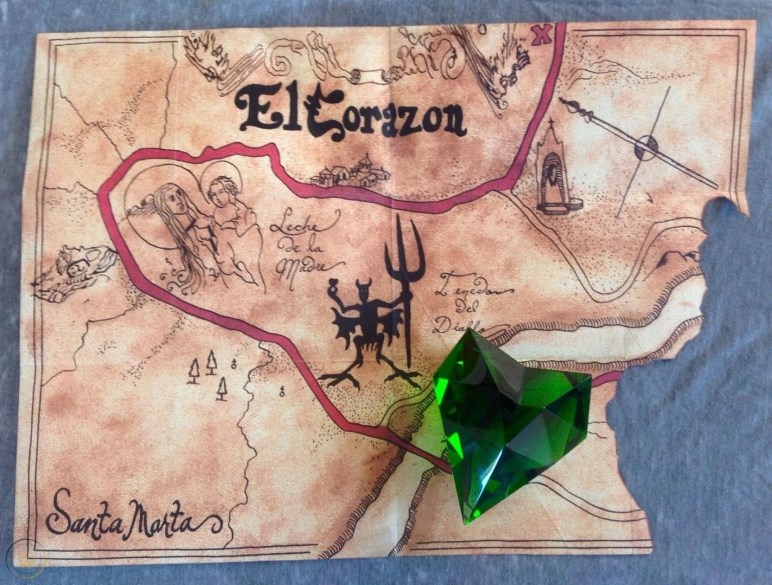
Please tell me I’m not the only one who remembers these movies. I think, they may be partly to blame for my current profession (not the karate instructor—the other one, that pays even less). I loved the quirky, unrealistic way that the original frumpy romance novelist came upon adventure and began living the kinds of stories she only wrote about before. I also loved that by the second film we see her living this exotic and adventurous life and still suffering writers block brought on by lack of romance in her characters.

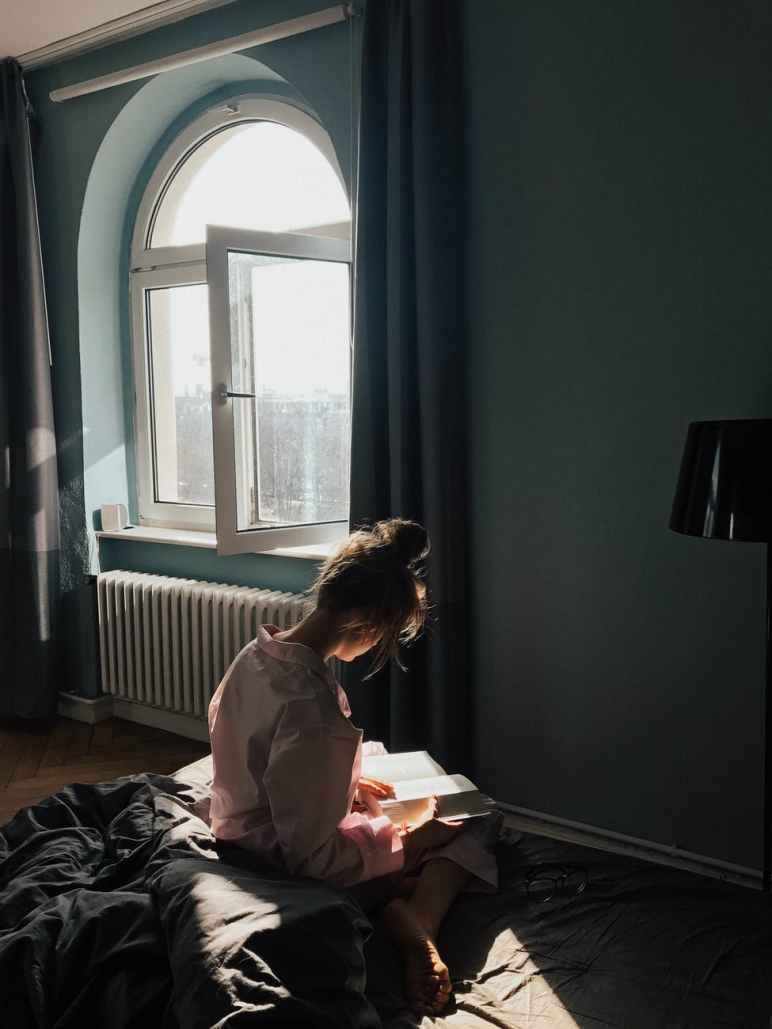
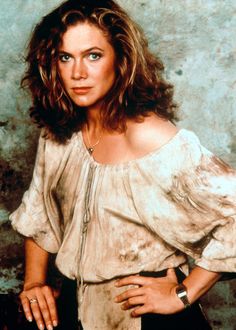
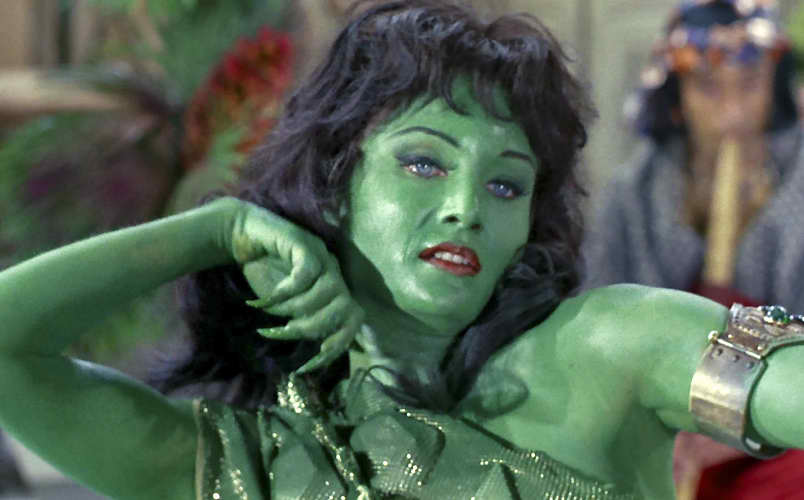
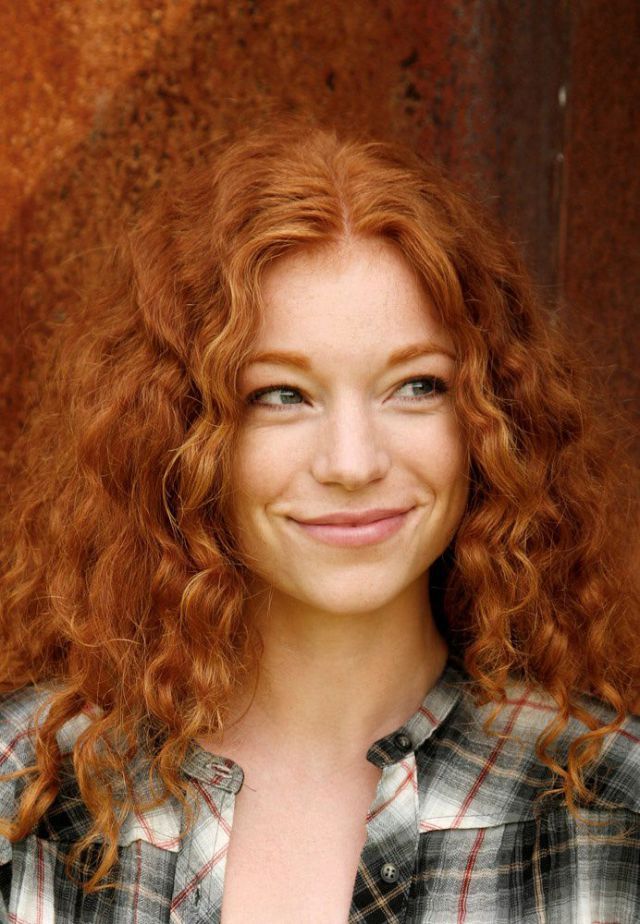
How I imagine I look as a tough-ass romance novelist
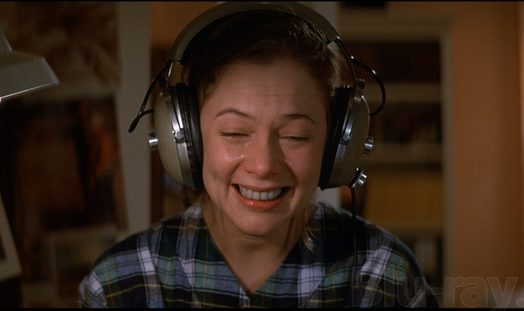
What I actually look like, flannel pjs and all.

Because no matter how much adventure, vine-swinging, sheik angering, and Jewel finding you do, if you’re not in love with your novel, no one else will be either.

Bam. Mic drop. Blog finished, I can go take a nap….

*sigh* ok, I’ll elaborate.

Romance isn’t just about what happens between the sheets in a typical Harlequin. Romance is about creating a smolder, a heat, an intrigue between your characters, and between your story and your readers.

When I titled this blog, I worried I would lose those writers who focus on different genres and have little need for ‘romance’. Suck that (respectfully), we all need romance. Humans are born to seek out connection. Now, the phases of it and levels of requirement are different. But the truth remains that if there isn’t chemistry between your characters…be it platonic, hate, or lust…the story will fall flat.

Well, gee whiz, Sarah, what do I do about my Scifi Cowboy Inter-dimensional six book series where no speaking women exist because I’m THAT kind of author.

how much talent, great story writing, and acting did we lose in this era from all the stereotypical, misogynistic bullshit? The world may never know.

First of all—ugh, way to cut out 50% of the entire thinking, capable, and amazing population and demote us to some hot object in a skimpy space suit, so 1960’s of you. Secondly, your ‘lone star’ lead has to have some connection to someone or something. A loyal side kick, his long-lost brother, his space ship, or *puke* if you must, even some hot object in a space suit.

Otherwise, he lacks a pathway for your reader to connect to him. Characters that ‘don’t need anybody’ are fine, but you may find that attitude extends to your readers. They won’t need him either. Characters, even the lone wolf, are better if they really do need people and are just too afraid to say something, until somewhere in act three.

“Hurrumph—well, I write non-fiction only. There is no romance. Its fact and common knowledge. I do not deal in fluff.”

Lady, (or mister?) listen. The numbers of readers you will get from a book that is all fact and no heart (i.e. romance) will be disappointing. I can’t think of a single person who goes back to their high school American history book and eats up 100 pages on the American Revolution (I’m sure they exist okay, there’s nothing wrong with a good ol’ informative book). I can, however, name numerous people all salivating over Hamilton tickets. Why? Because THAT story, makes us fall in love with the characters. The writer found romance in the people, situation, and actions of the time. It created a bond by connecting us to common feelings, needs, and emotions. And that’s what romance is really about in writing. Appealing to the human divine in all of us.

So, in this made-up month of love, explore your current work in progress and ask yourself if you are in love with these characters, their story. Ask if your character is hell-bent and heart centered on someone or something three-dimensional to ground themselves to. Is it throwing spice into the reading? Or is the plot fizzling? Where and how can you use romance to draw in and maintain your reader’s attention?

After all, romance is not romance, if it doesn’t have an anchor of reality at its heart.

2021 Beautiful Stuff Poetry Anthology Submissions

From now until September 30th I will be accepting poetry submissions to be considered for The Beautiful Stuff 2021 Poetry Anthology “Wilderness of Soul”.

This anthology will loosely follow the themes of nature, growth, transformation, self-awareness and personal resilience.

Poems may not exceed 80 lines, must be previously unpublished (unless it was on author’s website), and must be the original work of the author. Please send all submissions to: sereichert@comcast.net, or via The Beautiful Stuff website: (https://thebeautifulstuff.blog/contact/) with the subject line “Wilderness of Soul Submission”

In the body of your email, please include the title; your poetry, your name, and a short bio. You may submit up to three poems for every entry. You may submit as many times as you would like, but please ensure that each submission includes different work. If your work is a simultaneous submission please let me know.

There is no fee for submitting.

Every submission will be read and, if selected, the author will be notified by October 15th, 2021 via the contact information provided.

Winners will receive 2 free copies of the anthology, promotion through The Beautiful Stuff Blog, and a chance to have the book entered into the Colorado Book Awards for 2021. Authors will also have the option to purchase more copies at a discounted rate.

You may email me or message me via Facebook with any questions or concerns you have about the contest rules and submissions. As usual, I welcome poetry along the entire spectrum of creativity (from the traditional to the strange, from the sparkly-sunshine to the darkly macabre) but will reject any work that glorifies or promotes extreme violence, racism, sexual degradation, or harm against another human being.

That’s the long and the short of it. So send me something good. Give me guts and heart, all the dark and light of your thoughts. I look forward to reading your poems and giving you a chance to showcase your work!

Have a little poetry:

CONNECTION

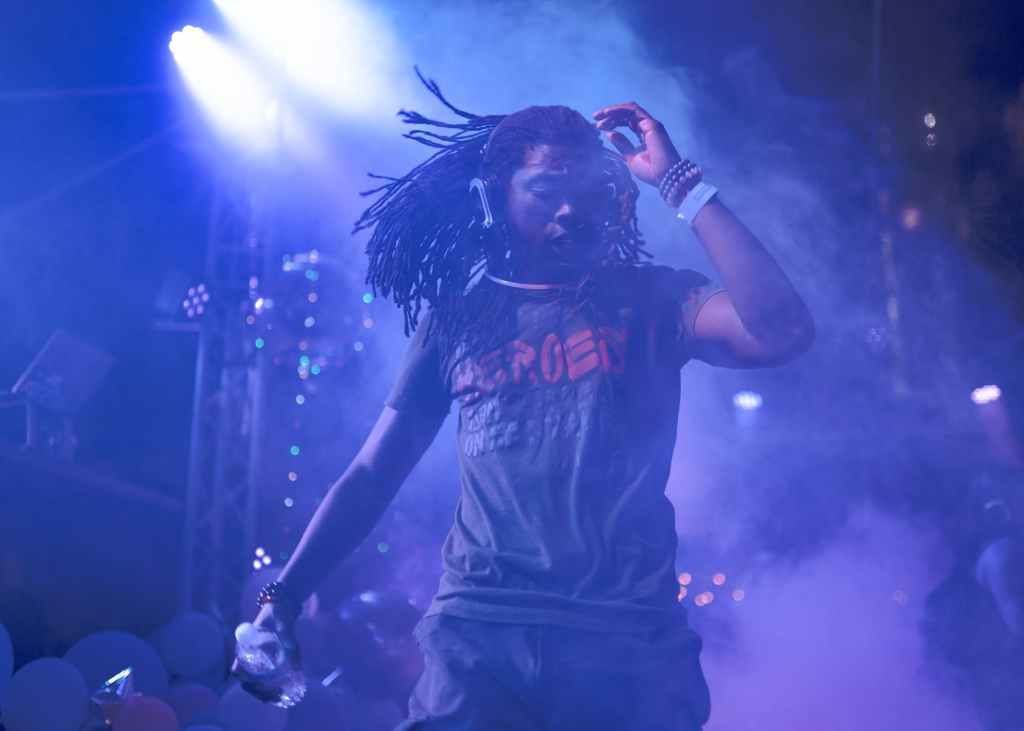
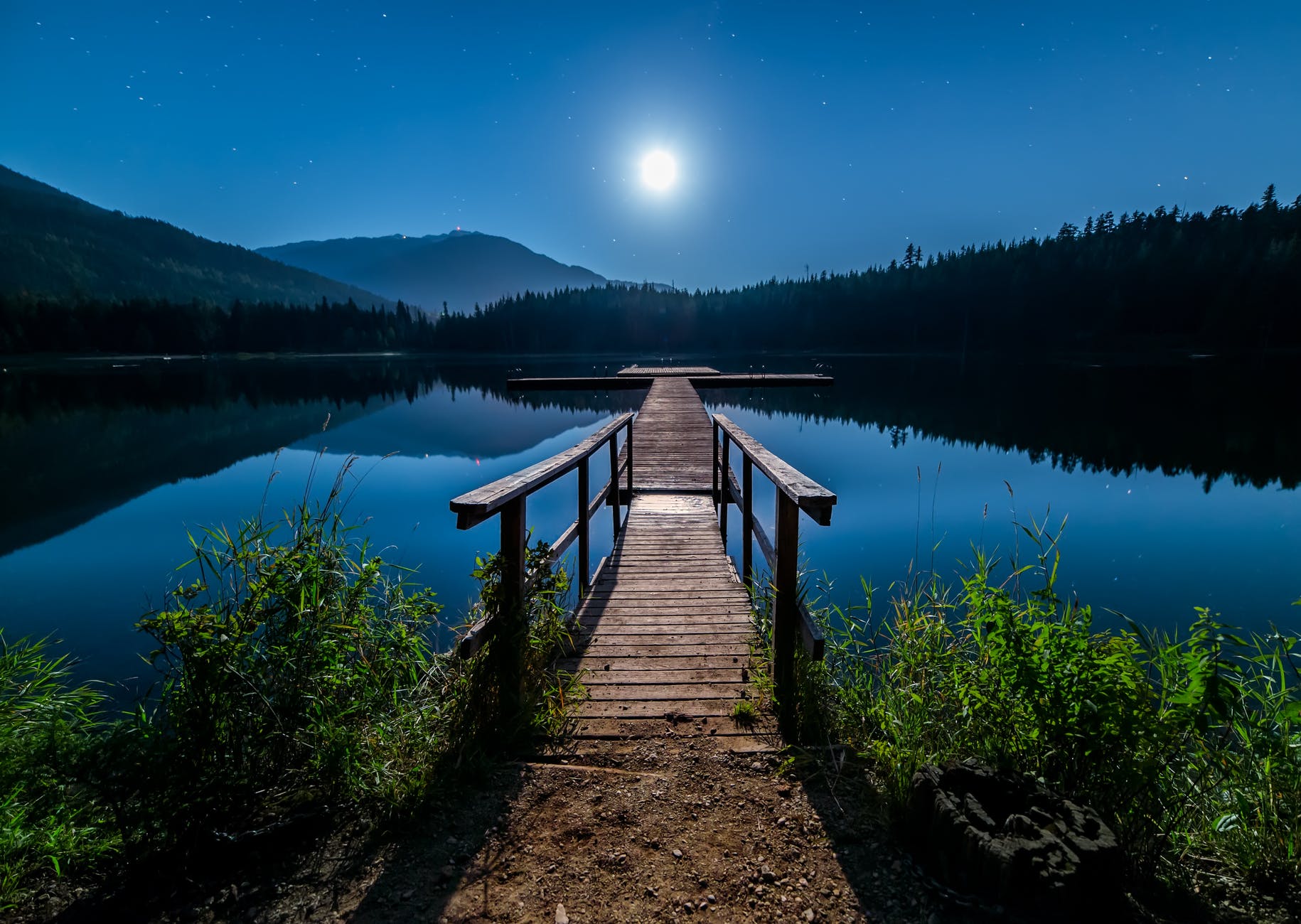
Photo by Martin Lopez on Pexels.com

Beats the rhythm

Inside my chest,

Shaking the tender bones of my ear

Arousing the eternal chorus

The human heart beat,

The womb of sound and voice

That speaks in vibrations to

The celestial mathematician

Caged inside my cells

How we dance,

Humans

How we shake our heads and hips

Filling up the empty dark

With the pulsing light-magic of sound

Pouring warm caramel voices

over triplet beat

Reaching into the inner primordial

Tying strings to our bones

Weaving stories through our

Muscle fibers,

Puppeteering our

hip locks and drops

In the same wave of motion

Connecting us

Without color or god.

Resonating with all

That is

Our divine.

2021 Beautiful Stuff Poetry Anthology Submissions

From now until September 30th I will be accepting poetry submissions to be considered for The Beautiful Stuff 2021 Poetry Anthology “Wilderness of Soul”.

This anthology will loosely follow the themes of nature, growth, transformation, self-awareness and personal resilience.

Poems may not exceed 80 lines, must be previously unpublished (unless it was on author’s website), and must be the original work of the author. Please send all submissions to: sereichert@comcast.net, or via The Beautiful Stuff website: (https://thebeautifulstuff.blog/contact/) with the subject line “Wilderness of Soul Submission”

In the body of your email, please include the title; your poetry, your name, and a short bio. You may submit up to three poems for every entry. You may submit as many times as you would like, but please ensure that each submission includes different work. If your work is a simultaneous submission please let me know.

There is no fee for submitting.

Every submission will be read and, if selected, the author will be notified by October 15th, 2021 via the contact information provided.

Winners will receive 2 free copies of the anthology, promotion through The Beautiful Stuff Blog, and a chance to have the book entered into the Colorado Book Awards for 2021. Authors will also have the option to purchase more copies at a discounted rate.

You may email me or message me via Facebook with any questions or concerns you have about the contest rules and submissions. As usual, I welcome poetry along the entire spectrum of creativity (from the traditional to the strange, from the sparkly-sunshine to the darkly macabre) but will reject any work that glorifies or promotes extreme violence, racism, sexual degradation, or harm against another human being.

That’s the long and the short of it. So send me something good. Give me guts and heart, all the dark and light of your thoughts. I look forward to reading your poems and giving you a chance to showcase your work!

Have a little poetry:

CONNECTION

Photo by Martin Lopez on Pexels.com

Beats the rhythm

Inside my chest,

Shaking the tender bones of my ear

Arousing the eternal chorus

The human heart beat,

The womb of sound and voice

That speaks in vibrations to

The celestial mathematician

Caged inside my cells

How we dance,

Humans

How we shake our heads and hips

Filling up the empty dark

With the pulsing light-magic of sound

Pouring warm caramel voices

over triplet beat

Reaching into the inner primordial

Tying strings to our bones

Weaving stories through our

Muscle fibers,

Puppeteering our

hip locks and drops

In the same wave of motion

Connecting us

Without color or god.

Resonating with all

That is

Our divine.

2021: The Master Plan (Also Known As: “Isn’t she cute when she gets all ambitious?”)

First and foremost, I’m rarely, if never, cute.

Secondly, I’m often falsely and overwhelmingly ambitious. Like my brain fails to conceptualize how much time 24 hours actually is, or that I’m a fallible human, or that I don’t live in a vacuum where I can do everything I only want to do every day. Still, consider this my “feeling cute, started as ambitious, I’ll probably delete it later” selfie.

(Thirdly: I hate selfies and actually, most pictures of myself. They’re too–static and flat–I prefer the reality of curves).

So, without further mumbling on my part, here’s the *tentative* plan for The Beautiful Stuff this year.

  • I will be opening up calls for submissions at the end of this month (January 21st to be exact) for the next Poetry Anthology, tentatively titled “Wilderness of The Soul”. Last time it was pretty much all willy-nilly and I broke book up by ‘like’ poems. This year, I picked a theme–well, because I’m all grown up and shit.
  • This year’s Anthology theme focuses on the aspects of Nature, Self-Discovery, Internal Conversations, Growth, Change, and Resilience through Hardship. I’ll be offering the exact details (length, format, bio information and all the fun legal small print) later this month so stay tuned for that.
  • Also beginning this year (also on the 21st–Jesus did I not realize there were twenty nine other days in this month?) I’ll be running a fun little slice of a novella I’ve written on every third Thursday, sort of like the serial stories one would follow in the ancient days of magazine subscriptions. I labeled it Dime Store Novel because the features are campy, light, fun and adventurous. If you are interested in contributing to this experiment, reach out and lets taco about it. Yep. I meant taco.
  • I am entertaining the idea of having guests bloggers (I have a limited number of posts available for those interested and with something Beautiful-Stuff-esq to contribute). More on that to come in February.
  • Lastly, I will be running a poem or two every month and I encourage your feedback, sharing, and comments on those. Other than that, I’m still reserving one slot a week for a writer-writing-about-writing essay to offer advice, tips, and tricks that have helped me.

And that’s my Blog Plan–I won’t bore you with the other list plastered to my wall at my desk about finishing three novels, earning my 2nd degree black belt, continuing to learn two languages, revisiting piano, and 6 to 8 14ers I’d like to climb. Like I said, ambitious to a goddamn fault.

Take care out there kiddies, start dusting off some of your poetry so we can get it published.

Comment, email questions, or contact me anytime through this site. I look forward to a not-too-cute-but-hella-ambitious-year ahead.

Happy Writing.

The Brink…

The eve of the New Year feels different this year.

We’re standing on the precipice of a deranged, hurtful, hateful, fearful time of existence, wishing that the turn of the calendar will somehow magically allow us all to step into a new world, free of the worries and trials nipping at our heels. The hope that a new vaccine, a new administration, a new awareness, a new number on the end of the date will lead to a year that won’t be a complete and total shit show is riding on our shoulders and settling into our veins, like a bandage to a too-deep wound.

Picture a six inch gash that needs hundreds of stitches, antibiotics, and physical therapy. We’re talking muscle deep. And the change from the 31st to the 1st is the Curious George band aid you got from the elementary school nurse.

I’m not saying this to be a Debbie Downer.

I’m saying this to be cautious (Cautious Kate?) that a socially constructed but otherwise meaningless mark of ‘time’ doesn’t determine a great paradigm and brink-of-destruction shift.

I’m saying this to tell you—if you need that date to start a different way of doing things, then Hu-fucking-zzah to you and get on it, Girl (or Bro?) but don’t think that the minute shift to a new year is going to change the world itself.

That calendar flip won’t do anything until we change.

Until we start giving a damn about other human beings.

Until we start understanding if our environment dies, so do we.

Until we start to understand that science seeks truth and power corrupts.

Until we stand on our own, think for ourselves, and treat everything we touch (physically, mentally and emotionally) with the same care, empathy, and love as we would our own child (or cat if you’re a fur momma) our world will never improve.

I’ve thought often of ending this blog in the past year. Sometimes it feels like it’s all for nothing. One voice shouting into a vast expanse of darkness. One voice raised against so many overpowering facets of corruption. One voice aching for connection.

But I know I’m not the only one. And as long as our collective lights continue to shine, there will never be complete darkness. So I will stand for another year. For another day. For as long as it takes until love overpowers hate, for as long as it takes for humans to wake up to the gift of their existence.

For as long as I draw breath, I’ll write. I’ll shine.

This next year will bring about more poetry as well as a new request for submissions from readers and poets for a second anthology from The Beautiful Stuff. There will probably be some ranting, some raving, and some venting. I can’t help that—and I’m not going to try or even apologize for it.

I’m also planning on running a ‘dime novel’ series that will include some weekly submissions of short stories (a la novella style) ranging from sci-fi/fantasy, to romance, to speculative fiction.

Stay in touch, and I’ll announce submission dates for not only guest blog pieces, poetry, and anthology submissions, but also for “dime novel” contributions.

Until then…keep shining.

If you must make New Year’s resolutions, don’t think about a smaller pair of pants, but how you can make your voice and your power bigger in this world. Don’t think so much about an organized closet, but an organized movement towards social justice.

Let’s aim our sights on living large of heart in this new year.

The Moment of Pay Off

Every year I learn something new from participating in National Novel Writing Month. This year was no different. This year, I learned that sometimes, the project you think is a total loss, is reborn into something amazing with a little time and added experience.

The story idea that I began the month with was an old short story I wrote before my children were born. That’s probably 14 years ago people. Nearly a generation. I don’t know what drove me to pick it up again. I actually don’t know what drove me to keep it. But there it was on my computer—converted from an older version of Word, ratty and thin, barely holding ink on a page.

I’d seen the file, hanging on the end of my groupings of files like an unwanted 41st wheel, always in my peripheral. There’s that really odd one. Yeah, the one I wrote when I was in massage school? All about the herbalist turned witch. The one where I was still clinging to my Anthropology degree and geeking out over the prehistory of Scotland and Norse invasions? The one with the Mary Sue characters that fell flat on the page and fit too perfectly into every stereotype a 20-something inexperienced writer would believe?

Some of you may be asking why I didn’t just start a new project. Some of you are probably wishing I’d just get to the point, since you’re reading this out of a strange sense of obligation.

Well, when I went into a blank document for this year’s challenge, with 2020 hanging like a wet and heavy blanket over my body, squelching (yeah, I used the word squelching—don’t judge me—that’s the kind of word that needs to be brought back into the vernacular) any creative fire that might ignite, I just didn’t feel like I could accomplish the goal. I needed a buffer. A little boost. Something I wasn’t tired of working on, something not always shouting in my face to finish it…

Something in my peripheral.

And there it was—over there in that file innocuously labeled “Scot1”.

On to my point—

Knowing it was a shitty short story didn’t dissuade me. Because, somewhere in my brain, I knew there was potential. And the only reason I knew that, was because (and here’s the point) in 14 years of writing I’ve learned stuff.

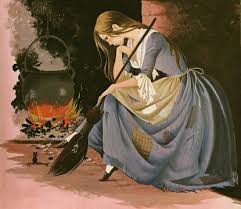
Ah, here reposes the introverted house slave–bereft of even her rodent companions.

Since I wrote the story, I’ve taken numerous classes, conferences, and workshops, on everything from plotting and character development, to crossing genres and writing fight scenes. I’ve taken classes on editing and how not to write. I’ve written some novels. I’ve done a lot of hard cutting. I’ve explored different genres and played around with suspense techniques and “aha” moments. So when I saw this shabby little house-maid in the cinders of the proverbial fireplace, I looked past the soot and rags and saw the potential beneath, not because I’m all-knowing about what would work, but because I had learned, through investing in my craft, what didn’t work about it.

And maybe more importantly, that it could be changed.

So, what was lesson number one? Trust in the process of investing in yourself as a writer. Admit you don’t know it all, and that others have good advice to give. Soak all the information in, approaching each class or workshop as a beginner, no matter how many years you’ve been writing.

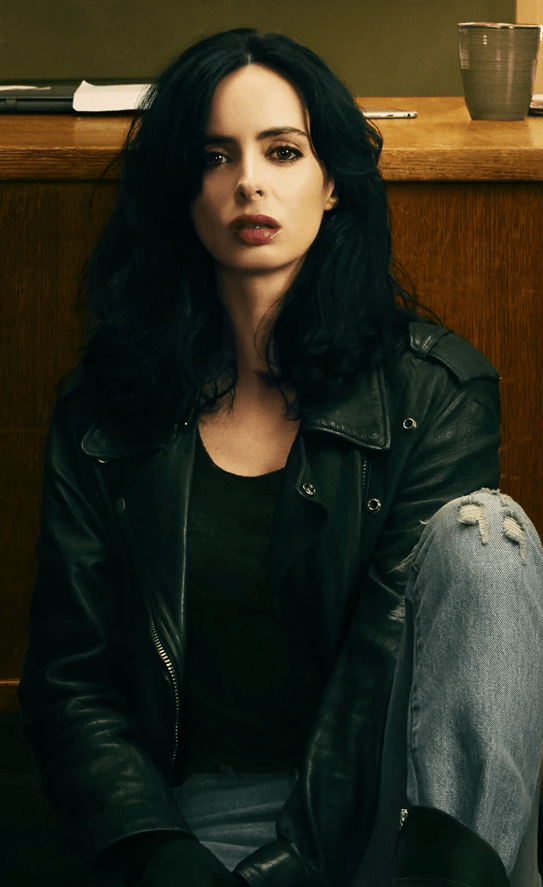
With knowledge, even the worst story can be made better. Knowledge also loosens the hold of fear that sometimes keeps us from progressing. Knowing how to cut and change becomes less heart-wrenching with the perspective of a better finished product. Knowing what makes a more interesting character, learning to take some of the polish off the Mary Sue, and turn her into more of a Jess Jones.

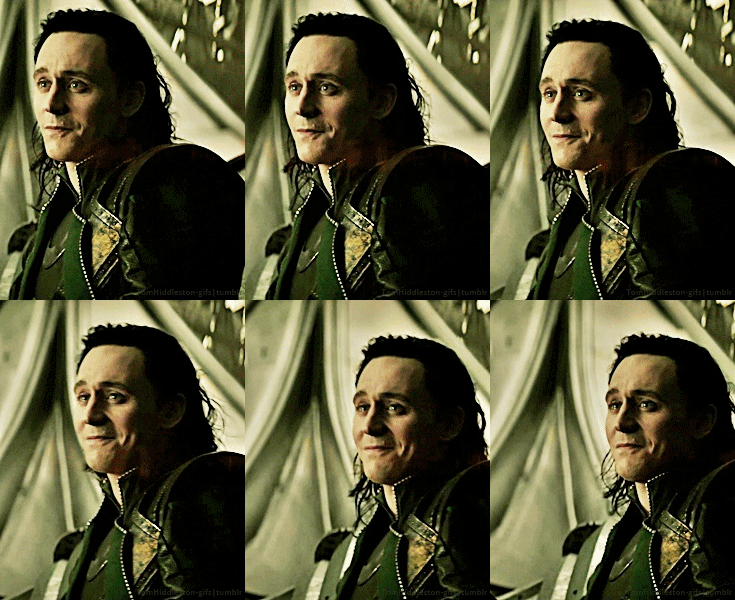
You can take a Snidely Whiplash and turn him more into…well…

When you give yourself the gift of knowledge, the list of what you can do breaks the boundaries of what you can’t.

Sometimes…you may even discover doorways that will bring over characters from other beloved series you’ve written…

Ladies and Gents–have a little Faith.

So there you go—look forward to a future magical realism/Norse mythology mix up with a delicious little love triangle, and the potential for a new generation of crooked smiles and bouncy red curls.

The Beautiful Writers Workshop: Novelty #8–Talk To Me Goose…or Dialogue

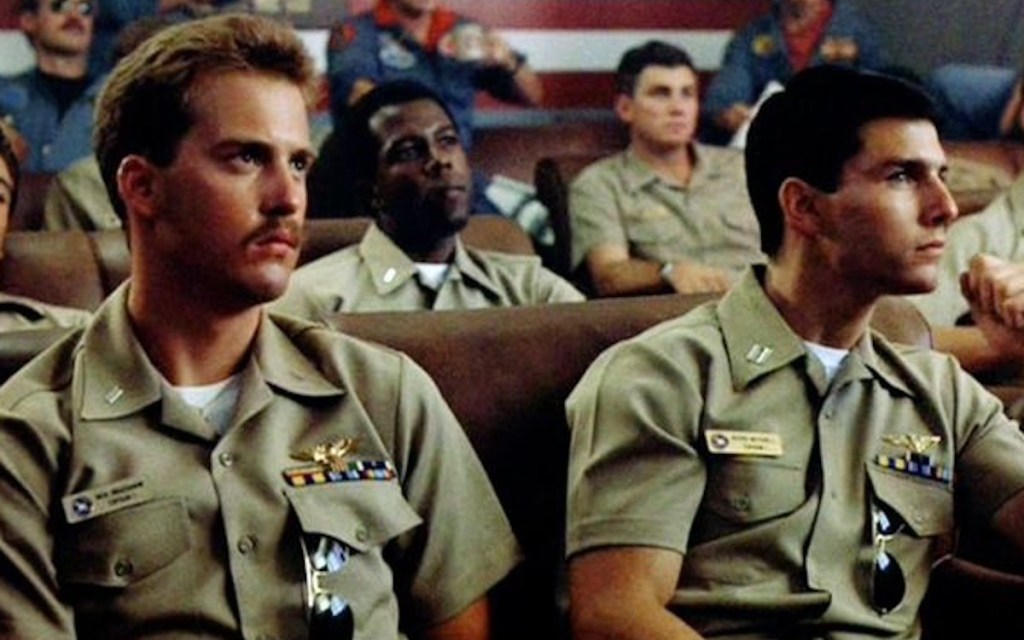
All right, listen. Top Gun did not have the best dialogue. At all. Like…not even remotely. BUT… I liked the headline so deal with it.

Today in the blog we’re talking about…well, your characters talk. Affectionally known as Dialogue. Writing dialogue like any aspect of your novel is an art, and one that will allow you to not only reveal character traits and all of those ‘shown’ details, it will also drive your plot. If you’re good at it, it will help your reader to know your character better and *gasp* if you have a flair for it, will provide extra entertainment. I’m a HUGE fan of witty banter when it’s appropriate. I’m a HUGE fan of letting dialogue tell the reader how two characters feel about each other.

Take this little gem from “Finding Destiny”: Hank and Daniel are two of my favorite characters to create a scene with. They’re brothers and love each other deeply. But they’re brothers, so that love is shown in obnoxious teasing. Take a gander–

“Everything OK?” Hank asked after an uncomfortable amount of silence.

“Yeah, I just… I just have this gala thing to go to for the university in a couple of days and, I… I’m supposed to bring someone.” Daniel paused and looked at Hank.

Hank took a moment to swallow. Then he batted his eyelashes and waved his hand in front of his face.

“Oh! I’m just so thrilled you’d ask!” he shrieked in a falsetto voice. “Oh! You’re so dreamy!”

Daniel threw a piece of bacon at him and laughed. “Not you, jackass.”

“What about Maggie?”

Daniel shook his head.  “Maggie and I don’t really—”

“Do anything that requires clothes and public places?” Hank raised his eyebrow.

“We sort of haven’t seen each other since the once…” Daniel’s voice trailed off. He still didn’t feel exactly right about what had happened between him and Maggie, or how Destiny had witnessed the start of their one-night stand.

“No wonder she’s been shooting nasty glances at me the last few weeks,” Hank chuckled into his coffee.

Daniel sighed in exasperation. “I was going to ask you…if you’d mind…if I took Destiny.”

Hank inhaled his biscuit and started coughing. His face turned red and his eyes welled up. He looked sideways at his brother as he pounded his chest with his fist.

“Destiny?” Hank wheezed.

“Yeah.”

“Destiny Harrison?”

“Yes,” Daniel said, annoyed.

“Red hair, tall, drawly, hates-your-guts Destiny Harrison?” Hank took a drink of coffee to clear his throat.

“Yes, Henry! That Destiny.”

Hank held up his hand.

“First of all, there’s no need to call me Henry. Second, I thought you hated her, too. But mostly, why in the hell do you think I’d mind? She and I aren’t…like that.”

“Well, I didn’t know! You spend a lot of time with her. And I don’t exactly hate her. I just—” Daniel sat forward in his frustration and loss for words and looked out the window.

“Well, we only spend so much time together because neither one of us has a life outside of the shop.” Hank stopped with his coffee halfway to his mouth. “How embarrassing is it that I just admitted that?”

“It was pretty pathetic.”

“Yeah.”

“So?  Do you think she’ll go with me?”

Hank shook his head in bewilderment. “I don’t know, Danny. What about that ‘hating you’ part?”

Daniel remained silent and watched out the window. What about that?  He thought of her warm body pressed to his in the fervent moment of thanks. He thought of her shapely breasts beneath the nightgown, and the smell of her. The shyness of her kiss. The way she had gotten snippy when Maggie had stayed over. Hank paused at the unusual look of self-doubt on his big brother’s face.

“I think if you could get her in a dress, she’d do all right. Assuming she did say yes,” Hank said.

“Yeah,” Daniel said, displaced.

“Maybe if you ask her nicely…you know, not like you?” Hank said.

“What the hell does that mean?”

“Well, you know…come down off of your high horse. Just a bit. And stop being such a surly son-of-a-bitch!”

“You sound like her now.”

“I’m just saying that a little honest humility and admiration goes a long way.”

Daniel stayed quiet. Humility wasn’t really his thing. He wasn’t very good at admiration, either.

Hank continued. “And if she says no, I can rock a strapless like you would not believe, girlfriend.” Hank snapped in the air and winked.

Daniel threw his biscuit at his brother with a laugh. “Shut up.”

So, we get to see some deeper dimension here, with Daniel’s secret insecurities, his blossoming interest in Destiny as well as Hank’s affection for them both. We set up for a minor climax (asking Destiny on the date) as well as establish the risk involved. All while doing it with a sense of humor.

The import aspects to remember in writing dialogue are below (been a while since I bullet listed for you)

  1. Dialogue needs to be real. By that I mean if it is forced (for the purpose of info-dumping), contrived (how convenient to drop that info into conversation even though they had no other reason to talk…), or sounds like an outside narrator suddenly taking over your character’s body (Hey! Where did their drawl and/or British accent go?) your reader is gonna know. So make it a conversation.
  2. As mentioned above, keep your character’s in their character. If they don’t normally say much, save the monologuing for others or some big reveal moment. Many a time I’ve had to edit a dialogue because I saw too much of me in there. Tricky me, trying to steal the conversation. This comes with knowing your character and what they would or would not say.
  3. If the dialogue doesn’t do any of the magical things listed, (furthering plot, character development, information snacks etc) and its just in there to fill space or act as a buffer don’t be afraid to cut it.
  4. Read your dialogues out loud! It’s the only way you’ll know for sure that they sound real and authentic to your characters and to the story. This is also a great way to catch mistakes and to ensure dialect and vernaculars are in place.
  5. Don’t be afraid to use abbreviations and slang if it’s true to how your character talks. Destiny Harrison said “ain’t” a lot. Spell check hates “ain’t”. Doesn’t matter what the spell checker wanted, she ain’t changing for it.
  6. I could give you a spiel here about dialogue tags (ie ‘he said’, ‘she yelled’) after your character’s speak. I’ve heard both sides. In my kids’ writing classes they are encouraged to use something other than ‘said’ to liven the action, express the tone, etc. In my adult-y writing classes, I’ve been told to cut the flowery bullshit and stick with ‘said’. The idea being that if your writing is good enough, the tone and character already established, the reader will read the dialogue in the feeling intended. My advice? I don’t like either of these approaches. Sometimes a simple ‘he said’ works, sometimes, I get bored as shit with that and when my characters talk in my head, they rarely just ‘say’ stuff. I may err more on the side of the flowery therefore, but I don’t do it so much that very ‘please pass the butter’ moment is fraught with tension.

Okay. That’s it for dialogue today.

I think…(she said with a gasp), that might even be the end of our writing series on the Novel! (she yelled?) I’ll check in on that and get back to you next week. Until then, go over your dialogues, check their authenticity and tone. How can you make them better? More real human-like? Read them aloud, don’t ALWAYS listen to your spell checker. Write. Write Write. Good luck out there. See you soon.

The Beautiful Writers Workshop: Novelty #7– Setting

Photo by James Wheeler on Pexels.com

Good morning! So, here we are. Working our way through the bulleted list on Novel Writing. Today is about setting, but before I build up that world, I would like to remind you:

Keep in mind, there are many intricacies to writing a novel. It can’t all be learned in 7 points. Or 25. Or even 100. Most novelists have one or two ‘starter’ novels that never see the light of day. Because the process of writing a complete novel is, in itself, the real lesson of what does and doesn’t work. Until you do it, write it, fight through it, you won’t truly grasp which elements are most important, and how to get through the problems that you will inevitably face.

Now–on to Setting.

Setting is the world where your characters live, where the plot takes place and what influences those major themes. Setting includes physical space (mountains, city, country, house, street, etc), time period (modern day, future, Elizabethan England), multiplied by fiction and non-fiction (3050 space opera set on a distant planet versus 1944 Italy during the Second World War).

Photo by Miriam Espacio on Pexels.com
Photo by Pixabay on Pexels.com

I am a firm and staunch believer that setting is, itself, integral as a character in your story. Setting will dictate so much of your novel. The physical and temporal surroundings of your characters limit or promote certain behaviors, patterns of speech, choices, and opportunities. The setting, say a creepy old house on the coast of Maine, can even be a character itself, lending an influential factor to the events that play out. (Wouldn’t be the same if Destiny Harrison had moved into a swanky new apartment in L.A.)

My first piece of advice for setting is that if it is someplace or some time you aren’t personally familiar with, do a shit-ton (yes, that’s a real measurement) of research. If you can (time-machines not withstanding) visit the place, the area. Get a feel for it. Even better, do it in the season or hour that takes place in your novel.

If you have a scene on the harbor at dawn, your description will be more apt if you’ve been on a harbor at dawn. If you’ve never seen the bursting yellow of aspens in October, it’s hard to capture the exact shade of gold against the pinion green.

Secondly, when building the world of your novel, utilize all the senses. How does the sunlight break over the mountain? In dusty, slow waves or in a brilliant flash? Does the air feel crisp on the tongue or heavy with heat? What do you hear? This all goes hand in hand with showing the audience, not telling. Jack didn’t feel the heat of the fire. The fire seeped beneath his skin.

Thirdly, when you approach setting it is VITAL to find the balance between description and information dump. A common mistake (in my humble opinion) in even the most prolific writer, is to go on a little too long building the “world moment” to the point the reader is bogged down or the pace slows. Now, I understand, that some novels require a good solid understanding of their worlds (often if it’s unfamiliar to the reader– ie a sci-fi/fantasy or historical fiction). But, if you can manage, feed these tidbits to the reader throughout. Think snacking not gorging. Offer what is relevant, what moves or enhances the scene, or gives hints or important clues for later on in the book, then draw back and let the audience digest it.

Setting is a great place to build imagery, be a little poetic, and really put your reader in the middle of your novel. Similarly, sometimes the most simple of descriptions can be effective so don’t overwhelm with too long or heavy paragraphs.

Make it a living, breathing entity of the book, something that becomes part of the whole in a way that is inseparable from the action, characters, dialogue and voice.

Photo by stein egil liland on Pexels.com

This week, look at your work in progress, pick out a particularly rough scene and ask yourself what’s going on with the setting. How can it influence or help your characters actions? Look at your longer paragraphs, are there moments where your readers might be caught in a deluge of description? Boil it down to the instrumental aspects of setting. What tone does it overlay? Does that enhance the other pieces?

Okay. Good luck out there. Let me know how it goes.

The Beautiful Writers Workshop Novelty #6: “The Kid’s Got Style”

Good evening, my little writing gnomes. This evening I’m writing from the NCW’s writing fall writing retreat in Estes Park, Colorado. Firstly, if you’ve never taken a weekend, or a few days, to do nothing but devote time to your craft, I highly recommend you give it a try. When you aren’t weighed down by laundry, school emails, or cat’s randomly vomiting out food that they didn’t apparently feel like chewing, you can actually get a lot of things done.

We’ll talk more about that in a later blog. Today…it’s all about STYLE.

Style isn’t regaled to only novel writing. Every author has a voice. This is not the Point of View, as we discussed last week. A voice is an author’s particular way of writing. If you want to look at the extremes, you could compare the works of F. Scott Fitzgerald to those of Ernest Hemingway. Contemporaries and acquaintances (it’s argued if they were actually friends) they shared a propensity for two things, drinking and good writing. Beyond that, they had incredibly different voices. Hemingway was a man’s man, bull-fighting, womanizer. Fitzgerald was more introspective, a romantic, one might say. And their voices showed it and affected readers differently.

This quote hangs above my desk:

“For what it’s worth: it’s never too late or, in my case, too early to be whoever you want to be. There’s no time limit, stop whenever you want. You can change or stay the same, there are no rules to this thing. We can make the best or the worst of it. I hope you make the best of it. And I hope you see things that startle you. I hope you feel things you never felt before. I hope you meet people with a different point of view. I hope you live a life you’re proud of. If you find that you’re not, I hope you have the courage to start all over again.”

― Francis Scott Fitzgerald

Before you move on…read that again. Can’t you feel him speaking to you? Can’t you feel a hand on your shoulder or even a hand on your back (as one of my favorite inspirational women says: https://www.christinedercole.com/s/) encouraging you to take action, to not be dissuaded?

In contrast:

“You expected to be sad in the fall. Part of you died each year when the leaves fell from the trees and their branches were bare against the wind and the cold, wintery light. But you knew there would always be the spring, as you knew the river would flow again after it was frozen. When the cold rains kept on and killed the spring, it was as though a young person died for no reason.”

― Ernest Hemingway

First–did anyone else notice what POV he just used? Come on…it was only a week ago. The dreaded 2nd and he, as always, did an amazing job. Listen, in my humble opinion, Hemingway was kind of a giant misogynistic ass, but he could write a fine damn sentence, and his work cut through your skin like wind on a cold February day. But notice the colder, darker tone. The harshness.

The difference between those two is not in their brilliance. It’s in the feeling they evoke, and to me, that’s what your voice is. A writer cannot help but leave a trace of themself on the page. It’s probably why my heroines curse, or why setting to me feels like it always needs a bit of poetry–utilizing the senses to accentuate.

I’m a bit more Fitzgerald than I am Hemingway…But I’m all Sarah. And you are all you.

STYLE is what makes your story, even if it fits a trope or a formula, unique. Because no one is you. No one has your experiences, your vernacular (why you might say wa-r-sh instead of wash, or creek instead of cr-ic-k), your vocabulary, your turn of phrase, your tone.

I’ve tried to read ‘popular’ authors that I just couldn’t stand because they made a point to turn every sentence into a dictionary-induced game of look-up-the-word or strayed too far from the point. I’ve read simple shorts that didn’t use a word over 15 letters long that left me with chills and turning the page hungrily.

It’s not in the size, its in your style (remember I said that fellas).

So… I don’t have much to elaborate on here. I can’t train you to write in your own voice. You just have to write and see what comes of it. Are you poetic? Are you straightforward? Are you humorous? Do you tend to sink into the gray dark, or do you lift up towards the light? When you write are you telling the story to an audience, or to a friend? Every day may be different for each of us, but in total, your ‘voice’, your STYLE, is the way you tell a story.

So, look over your work in progress, short stories or poems you’ve written, and try to feel out what your voice sounds like. It’s hard to do this, so feel free to enlist the help of outsiders (friends, family, book groups, critique groups).

You will know your voice when you hear it.

Stay true to it, because if you ever try to write in someone else’s, your story–your work, will suffer.

We can’t all be Hemingway. Please, God…don’t let us all be Hemingway. We need Plaths and Fitzgeralds. We need Rowlings and Brookses. We need it all. The whole spectrum of style.

So get out there and write true to yours.

The Beautiful Writers Workshop #31: Novelty

Happy Thursday, Writers.

I hope that you had a productive week and are staying safe wherever you’re stationed right now. It seems in all parts of the world, different calamities are occurring. In my own state we went from 80 degrees to 30 in a matter of hours. And while I weep for my garden, my hope is that the snow and rain will put an end to the massive fire that is raging north of our town.

Remember, remember…when the world wasn’t collapsing into chaos and death?
Photo by Ashutosh Sonwani on Pexels.com

So whether you are being lashed by hurricanes, trampled by heat, or decimated by fire, I am sending all my hope for your safety and well-being. Believe it or not (and most of the world’s leading climatologists agree) this is probably tip of the melting iceberg in terms of where our world is headed.

What better time to start writing that dystopian/apocalyptic novel that you’ve been putting off?

While we still have power to do so, let’s write.

THE NOVEL

Now, some of you are short story aficionados and some are poetry pros but there’s something beautiful and obstinate about writing a novel. It’s the kind of thing that gets bandied about at coffee shops and by people in thick rimmed glasses over cups of burnt coffee, smugly proclaiming that they’re drafting their first, second, or third revision. It’s daunting just trying to write a first version for some of us. While we could probably spend a month-long class on the craft of writing a novel, I’ll try to pare it down to the essentials for those of you who are looking to get started.

Most novels come in between 60,000 and 120,000 words. Some exceptions can be made and I’ve seen as few as 40,000 and over 150,000. The large spread is due to the specifics of genre. A light romance novel only needs to distract us for an afternoon, so 50,000 is plenty. A science fiction tome, where entire worlds are built and new languages are developed will require three times that.

For the most part, I like to keep my novels between 80,000 and 100,000 (but even the Southtown Harbor Series pushed into the 120,000s–ghost sex takes some time to maneuver through). This is simply the cold hard number in the equation. The real magic of a novel is so much more than that.

You can scour the internet all day and dredge up at least fifty sites, each with a pretty little bullet-point list of the “essential” elements of a good novel. One might have 5. Another 3. One had 24. Still another 12.

Just like a novel, it’s all cute and fun until it poops itself.
Photo by Daria Shevtsova on Pexels.com

Just like parenting your first child, when it comes to writing your first novel, you will get a deluge of advice both good and bad. I encourage you to read as much of it as you can and reject what doesn’t fit your style. Because at the end of the day, if you are forcing your voice and writing style into the confines of a bulleted list that doesn’t gel, you’re not going to get that book written.

Here are the consistent elements that all novels really should have and that we’ll be covering for the next three to five weeks, in no particular order of importance. (Yes…I get the hypocrisy of giving you a list…just…go with it.)

  • Plot (can’t write a novel without a purpose/story)
  • Characters (can’t engage a reader unless they have someone to follow)
  • Viewpoint (or even Point of View if you will–affects how the reader travels with you and how you are able to convey information)
  • Style (your particular voice as well as the overall tone of the book)
  • Arcs (some say beginning, middle, end…I say doorways. Potaytoe, Potahtoe)
  • Setting (not only does setting affect character and style but can also be a character itself)
  • Dialogue (I’m throwing this one in because, if done well, it will move the plot along and connect us to characters. If done poorly, it will stunt the flow and disengage the reader)

Well, it looks like I have seven there. I think that’s a happy medium point and a good basis to start. Beginning next week I will be posting both on Tuesdays and Thursdays, mini lessons in the art of writing a Novel. I may even include some excerpts of my own work as examples.

If you have some thing you’d like to ask, or a problem you’ve encountered in the process and want to shoot me an e-mail, I’d love to hear from you and try to help get you out of the pit, so to speak. It may also help another writer who is struggling to hear similar questions and concerns. So don’t be shy.

Until then, gird your loins for next Tuesdays riveting episode on Plot.