On Getting Un-Stuck

Argh… I have to tell you, there’s nothing more frustrating than staring at that blinking cursor with no words to keep it moving. I know I’ve long been a denier of the “writer’s block” theory. That we are only blocked when we stop moving and that every word out is a word that counts. But I’ve never felt this severe shortage of words before.

I’m a voracious writer when I get in my zone. To be clear, they aren’t the best chunks of writing every time and there’s often a lot of editing that needs to follow. But when it comes to the count, I’m kind of a rock star. Until this book. This final in a series of three. This book with a deadline. This book that should be no problem to write, because it has four of my favorite characters, and a fun premise, and all the adventure and romance available to it. This book that has stalled out on the sandy streets of 1920’s Cairo and I can’t seem to get it started again. It’s like I ran my character’s path straight into the side of a pyramid and there’s no where else to go.

So what does a writer do? When they’re boxed in? When they’ have 30,000 more words to get written in the span of a month? And the story is finished?

Well, we pivot. The book must go on. The story is not over, it’s threads are just hidden away. I’ve lost the path, perhaps even took an unintended side street that was not meant to be their final course. So, I’m struggling this week with some of my tried and true practices for ending the block and finding my way back into the flow. Normally, it would include taking a break and a step back to write something else, but I’ve been doing that. My brain has had plenty of breaks…I’m not gentle parenting her anymore. It’s time for tough love. Behold the bullet list.

  • I will write my major characters into a different scene, in a different place/time and see what happens
  • I will write three different endings to the story and work my way backwards from my favorite.
  • I will work my way backwards from my least favorite.
  • I will go back through and re-read the first three chapters, writing 1000 words as a continuation from those initial, more inspired thoughts.
  • I will look back through my synopsis of the series, see what was promised, and find two scenes to complete (out of order)
  • I will write at least three heated and NSFW scenes between characters that may or may not make it into the book to reestablish their passion and their dynamic so I can re inject some of that into the story-line that’s grown cold.
  • I will write my publisher, admit to my struggles, and ask for a respectable extension. Then I will give myself reasonable word count goals to get to that date, with room to spare for editing.

Okay, well, now that my plan is public I have no other choice to follow it. Sometimes the accountability of admitting to our failings and planning out what we intend to do, helps to keep the urge alive. Thanks for being my sponsors. Happy writing this week. I’ll let you know how it goes.

Honoring Your Quirk

Hello writers. How are you fairing in this strange, unhinged, cacophony of terror? Despite the political, cultural, and technological mess that we’re in, I hope that you’re shutting out distractions for at least a couple of hours a day to find some peace, and your own voice again.

Today, I wanted to talk about writing style. Not so much our voices as writers (though I’ll be covering that in a later post) but the way at which we approach the art, and the process of engaging in it. I’m in a busy season after signing on with my publishing company for another three-book series. It wouldn’t be so bad, but this is the first time I’ve proposed a series that was not yet complete. Which means, I now have a very real, somewhat daunting deadline of trying to write a novel (and polish it as well as I can) by the end of August. The first two books are done (mostly) so they will both be in editing by the end of this week. But the last book…

Let me start by explaining my process. I’ve written three trilogies. Two have been published, one is complete but won’t come out until 2026-2027. This newest one (my 4th) began with a Vella novel on Amazon (remember that flash in the pan?) and grew to a two book project that includes my first male-male romance as the second book. Both are fun, time-traveling fantasy romances, set in one of my favorite eras. All very exciting, and I had no trouble at all banging through the first drafts of them. Because I wrote them, as I always do, by puttering through whatever scene I was in the mood for at the time. Then I hodgepodged them together, as I always do, and fill in the gaps where needed.

Now that you have a little insight to my style (non-chronological, emotionally driven panster) I must tell you what a struggle this last, unwritten novel in the series is becoming. Because I had to write a proposal, I outlined it for my publisher. I never outline anything. I let the characters lead along a generalized path where there are key scenes I know I want to include. I had no key scenes starting out. I just knew a general path. It was all going along pretty well, for the first 20,000 words. And now…I’m stuck. I’ve pretty much written along the lines of my outline and I think the book won’t even make the 60,000 mark. In addition to that, when I’ve gone back to read, it all feels very flat. Like a Marvel movie. Like a dime-a-dozen romance. There’s no quirk. There’s no character depth. Even though it contains the same characters that I loved and developed for two books. So…what’s the deal?

Last night, after being stuck all week at that 20,000 word mark, I just let myself write a scene between the protagonist and the antagonist, a pivotal scene concerning the loss of someone very important. The concept was not in my outline. The scene was not planned, but just something my brain had been toying with in the shower after edits to the first novel started kicking in. I knew before starting this new scene, that it probably wouldn’t end up in the final version. It was just play.

But then…Suddenly there was passion. I saw true character coming out from underneath the gray and basic facade. I wrote over two thousand words in a matter of 20 minutes. That’s the kind of writing I’m used to. That’s my sweet spot. That’s my quirk. And I realized then, that for the last month I’ve been trying to write like other authors I know on deadlines. Straight through and stick to your outline. Keep it clean, time’s too limited to be able to waste it on multiple rounds of editing. The trouble is, there won’t be a book by the end of that limited time to edit, if I don’t write like my brain likes to write. I am not like any other writer. I’m quirky and I need to respect that.

So, that’s my lesson for you today. Yes, it’s important to try new methods and fart around with writing in different ways as a means to experiment and freshen up your routine, but I encourage you to find your quirk and respect it. What works for you, works. And when you’re on a deadline, do what works.

Happy writing. Now back to the grindstone.

The Beautiful Writers Workshop: Novelty #2: The Story Arc

Good Thursday to you, Writers. I hope you have a brand-spankin’ new plot started in your head from Tuesday. Moving from that amazing raw material I’m going to tickle your inner plotting nerd and give you a ‘graph’ of sorts to help you with organize a killer storyline.

-I love tickling nerds

Last time we discussed ways to help create a basic plot for your novel idea, today we’re going to outline the beats, or arcs, of that story. If you remember from my handy-dandy, bulleted list on Novels, I list Arcs as being an important element. While this blog does cover some of the theory, I will do a more in depth look at crafting an arc that creates the perfect amount of tension.

Back to plot. Some of the best stories follow a pattern, or what I like to think of as a rollercoaster of ever-rising stakes.

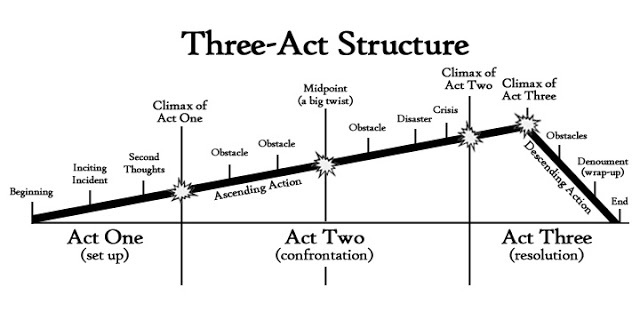
Most plots can be split into three acts. The Set Up (beginning), The Conflict (middle), and The Resolution (ending). Each of these acts should have some defined crisis or event which is like a doorway your character passes through and must either change, fight, or overcome more trials until they find resolution. I found this nifty diagram from David Harris Kline’s “Structure Lesson #2: The Three Act Structure” ( http://www.writers-for-writers.com/2017/11/08/structure-lesson-2-three-act-structure/)

As you can see the beginning has to hook the reader into a specific event, starting point, or character problem. Here’s where you introduce your character and show us who they are, what they want, what they are facing. Throw in some foreshadowing and Bam! You just met a small-town farmer from Tatooine.

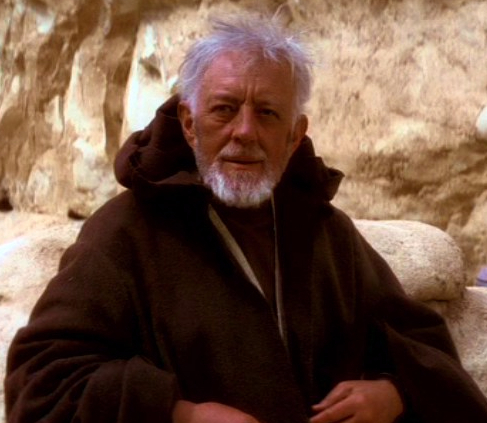
Act II comes with something that disrupts their normal day to day. (Holy shit, this droid has an important message from the Rebellion!) The character is forced to make a choice (wipe the droid’s memory or try to get the message to old Ben).

Real, live image of me during quarantine.

The middle, as most of us know, can be a bitch to write. This is where the dreaded doldrums hit. The quagmire. The swamp of eternal despair. I’m not going to get too deep into that swamp today except to say that this is where plotting can really help build a bridge across the muck and help your character get to that final, defining climax. This bridge is paved with different obstacles and trials that keep the action and the tension going through out. (Scruffy looking nerfherders and tough-ass princesses, oh my!)

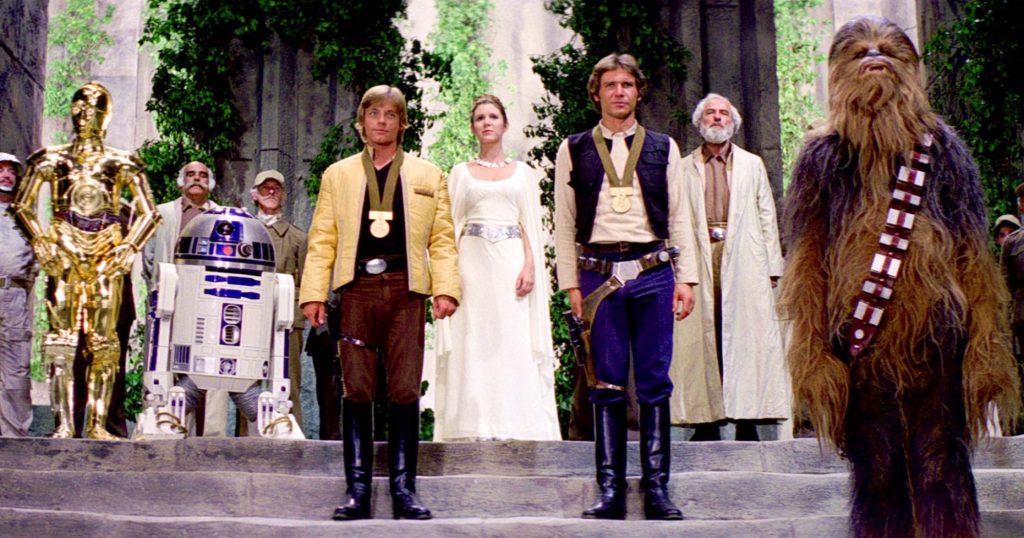
Then, finally, as our hero/ine comes through that final climax (for better or worse) we witness their transformation or acceptance of who they are or what they need to do . The final act is where you tie up your loose ends and give the audience the resolution they’re seeking. Like giving a Wookie a medal.

Wait a goddamn minute…where’s Chewie’s medal?

Well, that’s pretty much all I wanted to cover on plot for this time around. Next week we’ll be talking about one of my absolute favorite aspects of writing: Characters.

Until next week, diagram your plot, think about what events, scenes or characters you can inject to get those bursts of conflict. Think about what your character wants and what obstacles stand in the way of that. How does overcoming them move them/change them for the next bump in the road?

Good luck out there, and may the Force be with you.

The Beautiful Writers Workshop: Novelty #1: Why in the Hell do I Need to Worry about Plot?

Can you believe I couldn’t think of a more creative title? Me neither. Some days are like that. Remember, this is geared towards beginning writers, so most of you long-in-the-tooth novelists may not get the same bang for your buck. But…there are a lot of sexual innuendoes. You’re welcome, or Sorry.

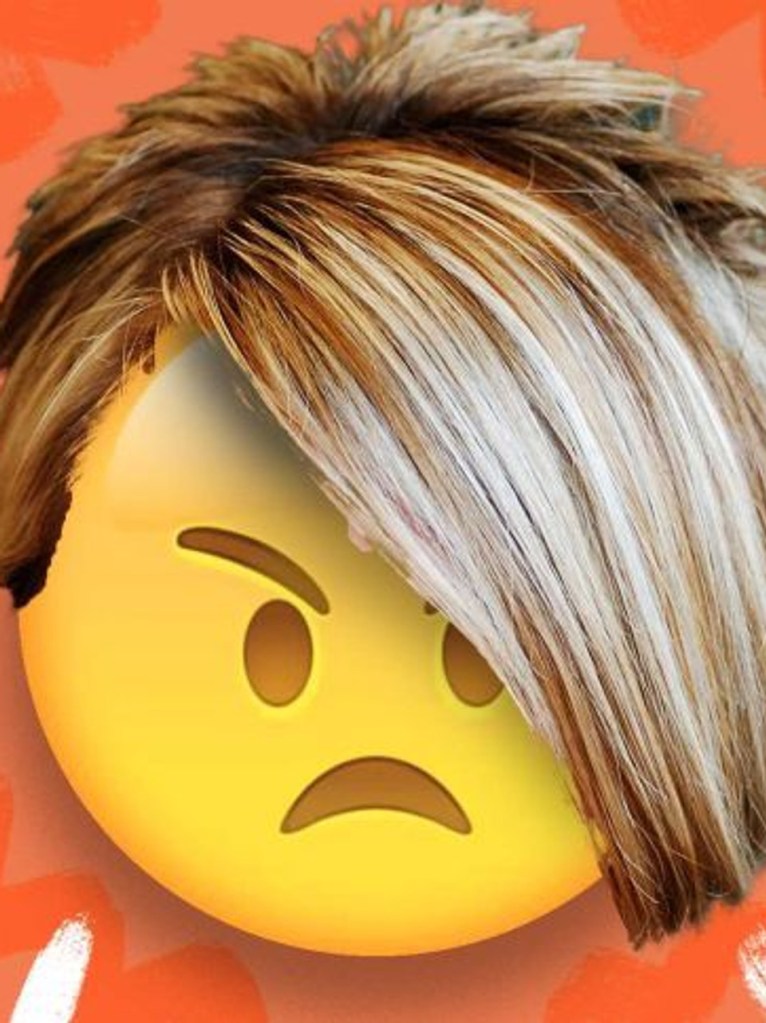
Today, I’m pushing through and rehashing an old, but viable post. Remember? Before the fucking world turned upside down and Elon Musk became president with Absolute Power? Yeah…those were good times. Let’s not dwell, you can call your congress person again (you’re calling right?) and attend those protests (you’re attending right? This IS the time to be the MOST KAREN you can KAREN–see below for my favorite emoji of the species) after this short and entertaining jaunt into PLOT. We’re getting into the meat and potatoes of writing a novel, and this kind of thing needs space. So, without further ado…

What is Plot and Why is it Important?

All right, I get it, it’s a dumb question, we’re all writers and we all KNOW that plot is the basic structure and story of your novel. It is the idea. The “what happened”, and why, and “what’s going to happen next” of any decent story. I’m not trying to dumb it down for you. But the true test of a good plot lies in the simplicity of answering those questions.

Now, you can have books that are character driven (an event happening TO a person, or BECAUSE OF a person). And you can have books that are historical non-fiction, based on one specific moment in time or occurrence. The PLOT of your book expands more than just beyond an event (otherwise The Hunger Games would have been maybe 50 pages long). The plot is the premise or sequence of events. Some novels will follow a very specific order of events that are common to their genre, or as we like to call them tropes. Tropes comes from the Greek Tropos define as “turn, direction, way” and refers to common, recognizable elements or sequences of events.

Many genre specific tropes (I almost prefer ‘formulas’) are embraced by the audience and even expected. Examples include: “the hero’s journey”, “enemies to lovers”, “small towns”, “cold cases”, “missing persons”, “AI gone wrong”, “fairy tale retelling”. But if almost every novel follows a plot formula how is it #1, that readers don’t get bored and #2 that you tell an original story that hasn’t been done before.

It’s an interesting dilemma on the part of a writer. We know which formulas work in fiction and straying from them often makes a plot fall apart or leaves a reader angry or unsatisfied at the end.

(She’s gonna want to talk to your manager)

But how do we follow commonalities in plot structure and still make it a fun, captivating, and surprising journey for our readers? The answer my friends, lies your ability as a writer to do five things: (Fuck Yeah! A bullet list!)

  • Begin with a unique event or crisis. This comes back to the “scan the headlines” exercise I’ve had you do before. A lot of weird shit goes down in the world. A lot of undercover, shady AF stuff too. Use it as a springboard, to your “what happens then/if” story building.
  • Tie the reader to your character (through love or hate) and make their reactions to events unique or contrary to the norm. (ie a cheerleader who fights vampires. A small town farm boy who becomes a powerful Jedi. A teenager who comes into supernatural powers without the maturity to handle them and doesn’t use them to download free porn–come on….or *snicker* cum on? Oof, sorry. Uncalled for. Please keep reading, I’ll behave.) Character building will come later in this series but if you create unique ones, their actions will create new takes on formulas.
  • Use honed writing technique to build tension for climaxes. Yikes, that sounds dirty and here I promised to be good. Tension is one key to making a story more than just series of events. So much of this depends on your voice and writing style. But the big take away here is about risk. Making the risks personally huge for your character, and even the world at large, will keep the plot fresh and drive it forward.
  • Play with the number and intensity of climaxes (story arcs). I think I’ll start using story arcs (some prefer ‘beats’) because every time I type climaxes I can’t stop giggling. Ok. Story arcs are BIG deals in your plot. Think of these as door ways, crisis-points at the top of your arc, that your character has to move through in order to get closer to what it is they want/need. Once they hit that doorway, or crisis point, they can’t go back. A serious change has occurred either in the setting or with-in the character and they must move forward. Next blog will be all about these arcs so I won’t go into much more detail here.
  • Consider using unexpected but intelligent twists. The best movies and books I can think of that do this are: “The Sixth Sense”, “Fight Club”, “Gone Girl”, “Mind Hunters”. What better way to shake up an audience than by having them accept one reality for the entirety of the story, only to show them the true reality at the end.

All right, so there are some tips for building an effective plot that carries readers throughout the book. My advice to you this week, is to explore various tropes and patterns, especially those in your genre. Turn a piece of paper (landscape-style) and write out the typical pattern of your story, then overlay events and characters of your proposed idea. See how they match up, see if you have enough tension building scenes, just play around with it. I’m not much of a plotter myself, but even I will do a general outline to keep myself on track and make sure I’m building a solid plot.

Next time, more on story arc, how to climax well (*snork*), and end satisfied (*hahahahaha). Until Thursday, happy writing.

The Simplicity of Practice

I can’t tell you how much of my life I overthink. From what a friend has said, to what the scowl my daughter is giving me means, to the side eye my dog throws at me and the head shaking the man in the car next to me offers when I’m belting out Blink-182 lyrics… I overthink it all. I overthink every decision (but if I have a bagel without the egg I’m going to be hungry, if I brush my teeth now they’ll just get dirty because I want one more cup of coffee, but if I don’t brush them now, it might not happen today…) You see what I mean?

So when I’m given (or read, or listen to) writing advice, I tend to do the same. I over calculate how many chapters I should be writing a month to finish a book in a quarter. I’m diagraming the hell out of my character’s backstory (after a pantster first draft that feels too tepid). I’m getting lost looking at internet trends, publishing tips, and marketing plans… And so much of these grand ideas, sparked by advice to help in the long run (some don’t) but what they for sure do, is take up time. And invested time like that isn’t just the physical hours but the mental energy that it takes to process it all. Less mental energy means…less writing (or less quality in the writing?)

Recently, I read this great article on the timeless tidbit of: “just write”.

I mean, admittedly, it’s kind of a breath of fresh air. Simple. Not complicated. Correct. To be a writer, to finish your novel/story/project, you must actually write it. So…just write.

But it’s also oversimplified. If writing were just that easy, every person who’s ever come up to me and said “I’ve always wanted to write a book” or “I’ve started a novel but I can’t seem to finish it” would have oodles of books written. Wants made into dids. I mean, “just write” makes it sound like all we really have to do is sit down, the words will come, the knowledge will be there and the novel will march through beginning, middle, and end without fail or hiccup.

But writing isn’t simple. It’s akin to playing an instrument, and doing it well. Anyone can pluck the strings of a guitar. Anyone can thunk on the piano keys, but it takes more dedication, thought, and skill to actually play a song, none the less write one. But the practice is the road towards a better song.

So, as this pretty smart writer guy said, we should instead “Practice Writing.”

Practice Writing. It is better, no? You’re still doing the writing thing, but it comes with the lightened atmosphere of it being something continually tried and worked for, something offered, reworked, and perfected, but never perfect. Something we find joy in, while still being committed to the process of it.

And it helps me not over think it. Because every sentence, scene, poem, blog, or chapter I indulge in, is a practice, and a learning opportunity, but not a commitment to perfection. And just like an instrument, through trial and error, and time spent, we writers will get better and better. So, I beg you to go forth, and practice your writing today. Whether it’s 2000 words, or 20. Every plunking of the keys counts towards learning the complete song. Every word, every thought, every rambling blog post, is a writer in the making.

NANOWRIMO: WEEK 4

Hey! You’re in the homestretch, and whether that is a cause for rejoicing or a cause for panic, it’s still your last week. Below are some thoughts. Remember to send me your email along with comments and stories about how its gone so far, what you’ve learned, what helped, what didn’t, what you’d do differently, or if you’d ever do it again. I’ll put your email into a drawing for a Writer Care Package, stuffed full of lots of useful goodies that every writer needs.

Here’s your final week pep talk.


Good morning!

For those of you who’ve been following me through the month of November, this marks the final installment of surviving NANOWRIMO (National Novel Writing Month). I’ve been flowing with a life-stages theme, and had intended to title this week “Retirement” but the thing with NANO is that only some of us will spend the last week resting and reaping the rewards of a month packed with hours of dedication to your project. A lot of us will find this final week to be the last, desperate attempt to finish.

So this brief post is for those who are struggling through the last four to five days to make up those words, or at least push to do what they can.

I hope, more than anything, and even above the lofty goal of 50,000 words, that you are still trying. That you haven’t given up. That you have built a habit of writing so that you don’t feel complete in your day unless you’ve spent at least some time on your work.

Because, that’s the whole point. This month is more about teaching us to prioritize our lives to include our writing first (or at least at the top of the to-do list) and to know that we CAN accomplish great things when we give it the time and love it needs. It’s more about building the habit of writing than it is about reaching the specific goal.

So often in our lives we self-limit. So often we are told it can’t be done, we can’t, the work is too great, the effort pointless. So often we are told that struggle won’t be worth the outcome. But those voices and those opinions fail to factor in that it is not just the outcome that is rewarding. The end result is not all we are working for. Its the journey in getting there.

When we challenge ourselves, the bigger reward lies in the struggle. New ventures, hard and thankless work, and lofty goals teach us how to plan, how to plot, how to push ahead when we simply don’t feel like it or when others around us question or scoff at the ideas before us. Challenges shine a light on how amazing and resilient we are so that, no matter the outcome, we learn what we are capable of. And once we know what we are capable of, the bonds of doubt weaken and we begin to believe that if we can write a novel in a month, we can edit it, publish it, write another, and another, and another. And if we can write a book we can take a class, or teach a class. We can climb a mountain, we can travel across the world. We can do anything we set our minds to.

We can.

You can.

You’ve only got a few days left in this month and I BELIEVE THAT YOU CAN do anything you’ve set out to do. You are amazing. You are imperfectly perfect and there’s no one in the world who can finish this month the way you will.

Deep breath, writer. Don’t let the home stretch scare you. Let the struggle instead be your gift and one which you are grateful to work through. You can. You will.

NANOWRIMO: WEEK 3

Hey! It’s week 3 and if you haven’t sent me a comment or update on how your process is going, please do! I have a drawing going on for a Writer Care Package, with all sorts of fun goodies for you to enjoy as a treat for surviving this month. And speaking of surviving, let’s take a look at the dreaded week 3.


Hey there writer.

I know I don’t have to thank you for being here with me because if you are akin to me, you’re looking for any excuse to change up the monotony of this novel-writing month and escape that mad-dash. Perhaps you’re feeling like this story you’ve been pouring your heart and soul into for what seems like years is starting to stale. Things are getting drab. The plot line is petering out. The characters have run out of things to say.

This is the dreaded, dead-ended doldrum, (say that one a few times fast) of week 3. And it can often feel like middle age in its sunken sails, stagnant air, and the questioning of the choices that brought you here.

Photo by Johannes Plenio on Pexels.com

With only days left in this crazy adventure, you may feel like you just don’t want to go on. That perhaps it would be easier to abandon your project all together and take a hot little novella out for a spin. Maybe start seeing some poetry on the side. Perhaps dabble in a little erotica?

While I encourage some dabbling (especially in erotica) I would argue that all of those exploratory practices can be done right in your own work in progress. So you’re bored, so you don’t know what the characters will say to one another…I urge you to start a new chapter, in the same document, where your characters take a jump off of the tracks and do something completely unexpected. Put them in a different time, put them in a different dynamic…hell, switch their genders and see what happens. Write a poem that serves as a synopsis to the story, first from one character’s perspective, and then from another’s. All of this play might help unlock the paths your novel needs to get going again. Think of it as putting some wind in those sails. A little spice in between the pages.

And all of those words you put down, even if they may be edited out later, still count as words towards your 50,000. Let’s be honest, at this point in the process, any word count is better than none.

It’s normal to feel a bit discouraged and bogged down in week 3, but what you’re building is worth hanging on to. It’s worth the investment of time and thought in this, the darkest, dreaded, dead-ended doldrums.

Hang in there kid. Go get freaky with your WIP and spice things up to see you through to the end.

Next week, look for the final, and highly inspirational installment of my NANOWRIMO survival guide.

NANOWRIMO: WEEK 2

Remember, comment below with how it’s going or send me quick email with any frustrations or elations you have and I’ll enter you to win a goodie basket with some books and writer self-care stuff that will help keep you going into this crazy month.

And now, this:

Hello! Thanks for taking the time to catch up with the blog in the middle of one of your (hopefully) busiest writing months. At this point your mind set is probably so swayed to creating that reading outside of your work in progress is a lot like talking to another adult after being seeped in toddler-speak non-stop all week.

I know that your time is precious so I’ll keep it short and sweet. (Like me, ya’ll)

The second week of NANOWRIMO is all about elaborating on, fleshing out, and developing your baby. Last week we talked about the excitement of new love, the honeymoon stage of writing, if you will. This week is about the baby you’ve made and what that means for not just your writing, but your life for the next seven to ten days.

I know a lot of you are parents, and though it may have been awhile since you’ve spent the midnight hours rocking teary-eyed cherub back to sleep, chances are you remember the sacrifice of time and autonomy for the good of the future. This week is not much different for the NANOWRIMO process. You are starting to see the commitment involved and how the expectations you may have had in the beginning are often dashed by the realities.

Because children don’t always behave the way you think they will. Characters show unexpected traits and say things that throw your dynamic out of whack like dropping the f-bomb at Christmas dinner with Grandma, or asking you for “boob!” loudly in a store.

Settings and plot lines stall with the same debilitating frustration as trying to get a two-year-old into shoes because you’re late for the doctor appointment and you haven’t showered in three days, and you ate cold, leftover mac n cheese for breakfast and you’re not sure if that’s their diaper that smells or the dog…

Keeping on top of the little fires that come up isn’t easy but I encourage you to set a flexible schedule (it works with kids; it works with writing). Give yourself two hours ideally but really whatever you have is fine. Leave half for just writing. Leave the other half to fix plot holes, develop your character’s personalities and backgrounds, build on your story arc, and brainstorm solutions for things that are cropping up as you pour ever more work into the novel. Look at it like doing the groundwork of, feeding, changing, and burping for half of it, and the other half cuddling, coloring, singing, and playing.

A well rounded “story” is equal parts meeting the basic needs and getting to play in the creation of it.

Good luck out there. Nap when it naps, grab a shower while your computer backs up. Drink some coffee and prep for the long nights. Remember the bigger picture. Novels and babies are investments in the future. The work, and love, and committed care you invest now will lead to rewarding results in both your story, your characters, and your craft.

Oh…and get a decent meal. You can’t run on PB&J crusts and half eaten apples forever.

NANOWRIMO: WEEK 1

Something new for this year, if you comment, share and/or email me with your frustrations, experiences, or adventures during this year’s NANOWRIMO, and I’ll enter you to win a goodie basket with some books and writer self-care stuff that will help keep you going into this crazy month.

Let’s talk about Week 1

Ah, yes, the glorious stage of excitement and foreplay. The thrill of fleshing out your characters, and having them say clever things to one another, and building beautiful worlds with soft hues and brilliant sunsets. It’s champagne and butterflies, it’s rainbows and 3 hour love-making sessions with your laptop (please, God, not literally…the keys are hard enough to keep clean with just my coffee and pastry habit).

The words come easy, the beginning is new and exciting, the chemistry is just right. Possibly you’ve been planning this novel for awhile, maybe you even used October to plan it out and things are running smoothly and in great gushes of inspiration and excitement. (I think ‘gushes’ might be just as bad as ‘moist’ for cringe-worthy words).

OR

You’re stuck in front of your blank page and wondering why in God’s name you agreed to this. The stress of completing such a herculean task is causing every neuron to march around your addled brain with tiny little picket signs protesting the ridiculous workload before they even endure it.

You’re thinking of giving up. It feels as though you agreed to do this on a brash weekend in Vegas and you might have done so under the influence of alcohol and you really don’t know this book that well and what will your parents say and… is it too late for an annulment?

In the first case: Congratulations, keep going! If you have the stamina and inspiration to do so, front load these first couple of weeks so you can have a few days to ride if you need to recover. (I can’t help but hear Sheriff Bart’s voice in my head “Man, them schnitzengrubens will wipe you out!” Come on, people…Blazing Saddles)

In the second case: Don’t give up just yet. So she/he’s a gamble and you may have rushed into things. It’s normal to be nervous. It’s normal to feel like there’s nowhere to go. But you’re a writer. And writer’s do best when they stop questioning the end product and just write. See where that impromptu spouse will lead you, let it play out for a few days and enjoy the crazy weird ride that you’re on.

The secret to NANOWRIMO is to not overthink it. Because that’s when you start looking for all the imperfections and plot holes that send you into editing mode and canceling out any forward movement you have.

If you’re having trouble with getting your word count every day here’s some tips that have helped me:

  1. Break it up into smaller sections. A little in the morning, a little at lunch, some at night. Carry the laptop or notebook with you and write a few lines whenever you have a chance
  2. Keep your characters in your head with you at all times. How would they react to what you’re doing? What would they say to each other in the grocery store line? Let them talk to each other while you’re doing the dishes or in that third useless meeting of the day (come on, we all know at least 2/3rds of all meetings are just wastes of time that allow one person to hear themselves talk).
  3. Strike when the fire is hot. If you are on a roll, do everything in your power to keep writing…then in the middle of a paragraph or even a sentence–stop. Yeah, you read that right. Stop. It will frustrate you and keep your mind on what will happen next until you pick it back up. Foreplay people…there’s nothing like a little flirtatious teasing to make the next interlude all the more passionate.
  4. DO NOT be discouraged if you have a short day. Every word counts and a 400 word day is still 400 words. Like running or training, or anything really–great things are accomplished not always in leaps and bounds but by small progressive steps forward.
  5. Rest your fingers and your brain. Take breaks, sleep well, eat well, exercise, and get away from it throughout the day. Burnout probably happens most in the first couple of weeks when our inspiration gets ahead of our ability to keep at it with the same frantic pace.

Okay. That’s all I’ve got for this week.

Remember for everyone who comments on this blog during the month of November, you’ll be enterd to win a goodie basket of Writer Stuff. (its capitalized because it’s official)

Good skill, Writer.

The Giant But

Nope. I didn’t miss a “t”. And this isn’t a self-reflective rant about the aging spread going on behind me. Today’s blog is about excuses, dare I even say… self-imposed limits.

I believe I’ve talked about the dangerous ‘but’ in terms of how we love one another, and how we limit feelings by making excuses from perceived imperfections. However, today’s talk is more about the detrimental “but” that gets between us and our dreams.

I can’t tell you how many times I’ve heard from friends, colleagues, and even acquaintances the exact phrase:

“I’d love to write but…”

But…I have no time. But…I just can’t get started. But…I’m not very good. But…It’s hard to publish these days. But…people may not like it.

No.

Nope.

Stop it, no.

Nuh uh.

Not valid (and who cares if they like it?)

Article done! BAM!  Shortest blog ever. Happy writing!

Okay…I’m kidding.

Those big buts up there don’t lie. They are all valid excuses. Excuses that we build like walls in front of our potential. Walls of excuses to keep us from even attempting the loving art of writing because it also keeps us safe. Safe from rejection, safe from the work, safe from the expectation. Safe from failing. Safe from succeeding.

But is a wall builder.

But builds walls based on fear and hatred and not scientific, psychologically proven facts.

But keeps you away from ever having to actually start.

Now I’m sure there are people out there saying they want to write a novel to make me feel like I’m not so strange, all wholed-up in my pajamas, afraid of the general public. Maybe people tell me they’d “love” to write more, to make polite conversation.

This blog isn’t for those small-talkers (but bless your heart for trying to make me feel comfortable about my chosen/driven profession despite its financial drawbacks).

This blog is for those whose eyes shine with longing when they talk about that book they want to, need to, would love to write. This is your permission slip to the great unknown outside your stuffy, self-imposed safety.

No more buts.

Try this:

Say it outloud…softly “I would like to write a book.”

Little bit louder now: “I would love to write a book!”

Say it like you mean it!: “I want to write a book!”

So the people in the back can hear!!: “I WILL WRITE A BOOK!”

Deep breath you crazy loon.

And rejoice in not using the but.

You will write that book.

Stop looking at the world as a place of excuses waiting to trip you up and make you fail and start looking it as the beautiful, messy experiment that has no wrong turns, only lessons.

Need help starting? Great! Let’s strike while your fire is hot!

If you have an idea for your novel, or article, or short story, write it down. Loose outlines are great but if you are a type-A outliner, then give yourself an hour or two to adequately plot it down. There are some great computer programs if you’re that kinda nerd. Or if your MY kind of nerd, post-it notes on a wall or story board are awesome.

Chances are if you’ve been thinking about a book then you already have some characters in mind. Spend twenty minutes (or whatever you can spare at kid’s practices or boring meetings) writing down your main and sub characters’ physical attributes, their strengths, their weaknesses. Write about their childhood, their friends, their parents…none of which needs to go into the book, but it will help you understand their motivation so that when you write the story, they behave in ways coherent with their core.

Join a writing group and take the classes they offer. Todd Mitchell (Todd’s Website) once offered an amazing four week class on writing a novel that covered everything from plotting, to dialogue, to genre, and story arcs. It was maybe the most profound and important class I’ve taken and I highly recommend you start with something like that if you are struggling at the start. Plus going to classes and joining groups helps to build the immensely important network of friends and cohorts who will help you along in your process.

Stock up your library. One of the first things I did after scribbling down a rough outline was lay in the fetal position in tears (well, not quite that dramatic but it makes for a better story) and wonder how someone actually created a functioning plot. Enter the Write Great Fiction Series. They’re some of my favorite resources and they offer everything from plot and structure, dialogue, character and viewpoint etc.

Final bit of advice. Don’t let the but come back into your process. (I’d love to edit my novel but the laundry needs doing– the vacuuming, the scope of work meeting notes, the kids fiftieth soccer game this month.)

Nope. Fuck that noise.

There is time in your life to write a novel. You just have to want it and learn to say no to buts.

giggle
Come on. It’s a but joke…

You have to make your word count your priority. And no cleaning for god’s sakes until your daily goal is met. No video games or puttering around either.

If you want the novel; if you want to unleash the story burning inside of you, then stop giving yourself the excuses to not write it.

Make the time. Make the novel. Banish your but(t)… to the chair.

To write your novel.

Go.