I am a day late. Well a day for me. For you it’s 11pm but I’m just getting in from a morning run in Stockholm and realized I didn’t set up my blogs for while I was away. I don’t have much, as my trip has a rather demanding schedule and I’m trying to soak in these last few moments with my baby before she flys the nest. So here’s a poem. Next week I will try to do a little better.
Anticipation

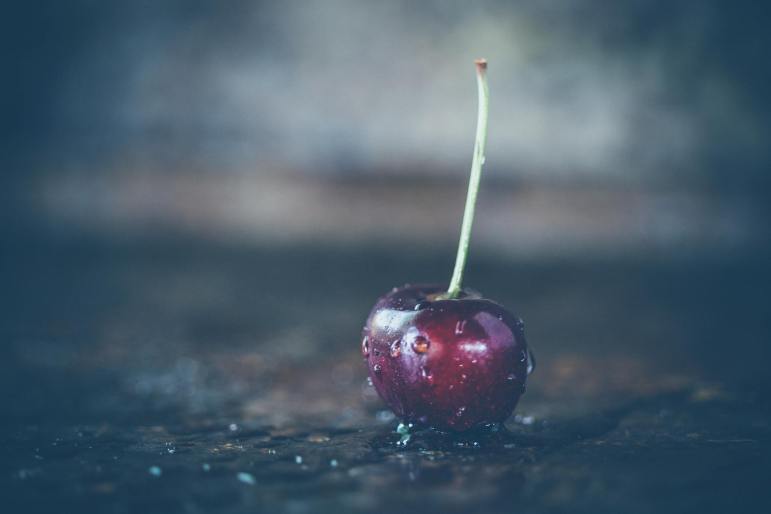
Was there ever such sweet anticipation
as a cherry in June?
Held, eager between teeth
where cold water droplets
tease the tongue
before the crisp breaking
of delicate skin
the flush of sun-warmed tartness
carrying along the sugary bite
but tender must teeth sink
to gently toy with the unyeilding stone
sucking it free of bright red pulp
til pristine pebble
is all that's left
I’ve been participating in my own little poetry month challenge in an effort to get back into the swing of the art. For one, it’s a managable way for me to be able to write something every day, even in the chaos of my to do list. For two, I think it’s been very cathartic in helping me work through some of the things landing in my life (and all of our lives right now). The rage inside me finds a place on the page so I can clear a more rational path. The sadness gets to have its moment too, so I can move past the emotion and focus on how best to use my empathy. You don’t have to be good at it to write poetry. You just have to write it.
Poems written by daylight are hopeful, funny creatures not yet domesticated by the world shackled by the weight of unbearable odds
Poems written in the high-sun hours are words through clear eyes not yet burning with the fire of thousands of thoughts, words read, millions of stitches placed across the wound of our burning, tumultuous world
Poems written when I've still got time in the day are different I haven't properly fucked anything up yet there is still hope that I may not I'm a glowing human goddess for whom possibilities still exist
Poems written by daylight seem hopeful and clear unweighted and resilient but they are not me not in total It is the reticent dark, the weary and mistake-riddled soul sitting in the deep weighted night, still choosing to pick up the pen who is truly the poet.
I’ve been attempting the challenge of writing a poem every day in October. They’re not all amazing, but some of them land in places I didn’t even know I had.
Birdhouse
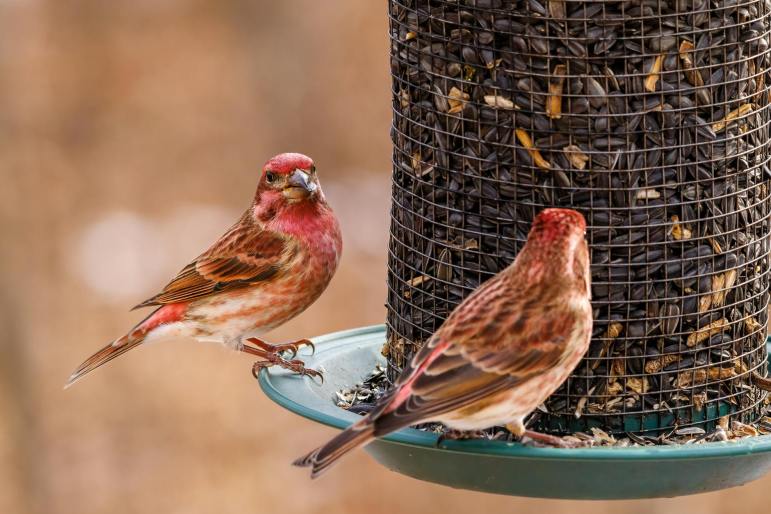
I put a birdhouse up, next to my window I like to watch the lithe lightness of their bodies Bright colors and whisper bones Harbingers of Spring, Survivors of Winter sharp-beaked truth sayers forever in love with the dawn I like to watch them, hop and flutter in tree branches and shadowed gardens such a pure, simple existence I wanted to give them a home
But none have come to nest and I am wondering now, if it isn't my fault maybe I am too much heavy dark and granite bones I am the decay of Fall cold graves beneath snow, soft lips full of lies to myself and the ones I love forever lost in some night
Perhaps I am a treacherous black hole that they cannot call neighbor Still I will wait
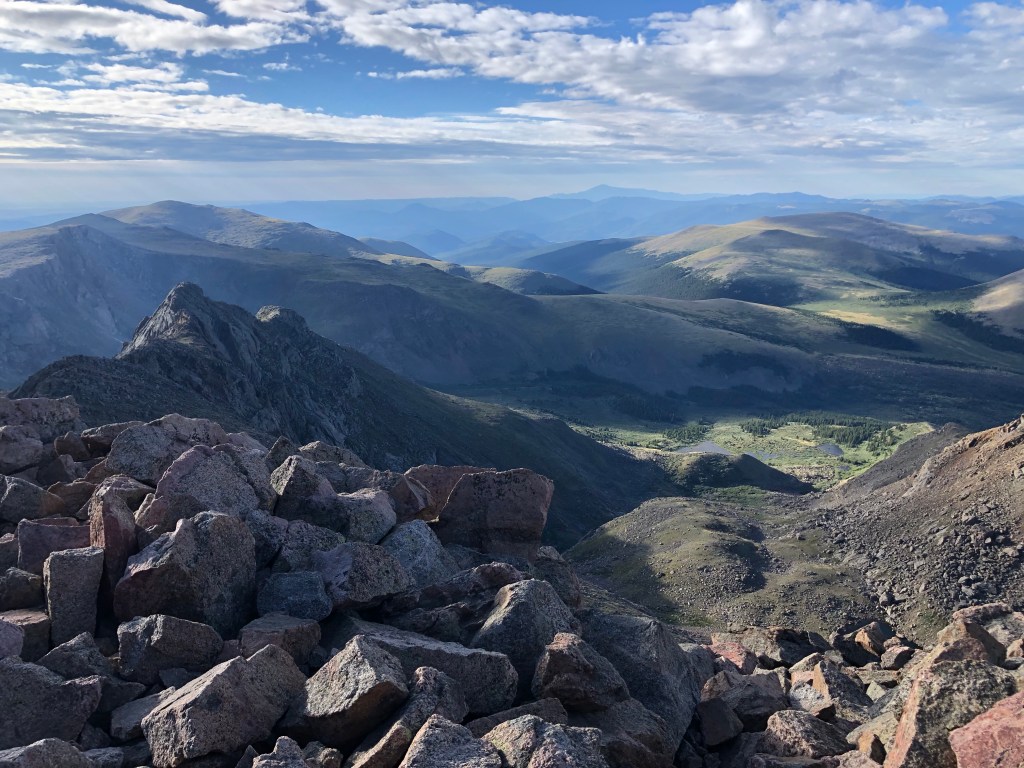
First, apologies for missing last week. I started my Thursday morning at 2 am, driving to the trailhead of my first 14er. It was a beautiful cool day up on the mountain and I was pretty tired upon returning home.
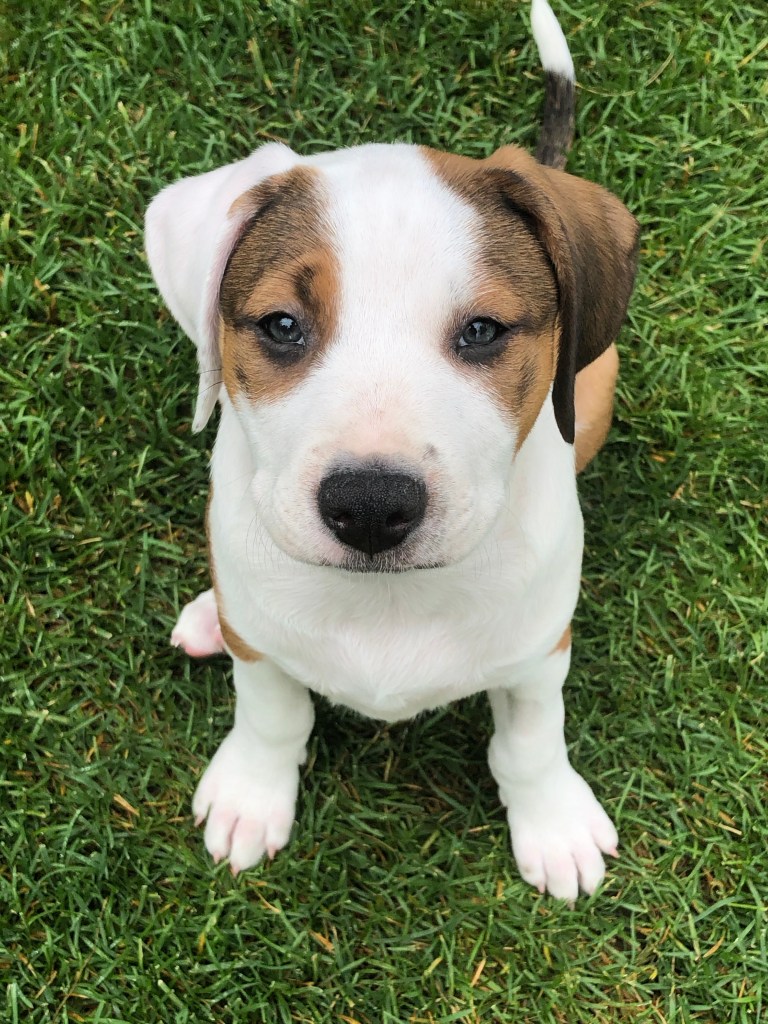
In addition to that, and on the same day, we welcomed a new family member into our home.
So I’ve literally been climbing mountains and raising babies for the last few days and am now safely locked in my office for an hour of dedicated writing time.
Without wasting any time, let’s get into the basics of poetry.
Some of us are born with the inclination towards alliteration, symbolism, personification and all the intrinsic elements of powerful poetry. For the rest of us, becoming a better poet (progress not perfection) can be accomplished by learning the dynamics of poetry form and function.
Now, I’ve heard a lot of degrading comments on poetry that rhymes. First of all, Poetry is Poetry. It doesn’t have to fit into some MFA or Beatnik/Hipster trend to be worthwhile.
Witness:
“She walks in beauty, like the night
Of cloudless climes and starry skies,
And all that’s best of dark and bright
Meet in her aspect and her eyes;
Thus mellowed to that tender light
Which heavy to gaudy day denies”
Lord Byron
Or one of my other favorites:
“When I am dead, my dearest,
Sing no sad songs for me;
Plant thou no roses at my head,
Nor shady cypress-tree;
Be the green grass above me
With showers and dewdrops wet;
And if thou wilt, remember
And if thou wilt, forget.”
Christina G. Rossetti
Or Even:
“There’s too many kids in this tub
There’s too many bodies to scrub
I scrubbed a behind
And it sure wasn’t mine.
There’s too many kids in this tub.”
Shel Silverstein
Many a talented writer use rhyming and alliteration to build a beautiful rhythm that lends well to spoken recitation, which is one the most important foundation of Poetry. We’ll get into that a little later.
Do you need to rhyme your lines for it to be “poetic” or presentable? Of course not, as I mentioned last week, Poetry’s main function is to tell a story in the thickest, boiled down way. I do think it’s important to play with the concept of rhyming poetry, even if it’s only as a practice. It will not only help you to build your vocabulary, but it teaches you the essential dynamics of beat, and syllabic flow.
When considering how to help other writer’s have a good starting point for their experimentation into poetry I thought of the things that have helped me to grow and thrive in my poetry.
And I even put it into a bullet list because…bitches love bulleted lists.
Read a lot of poetry : The same as in any writing, if you want to know what works, read a variety of poetry. From the classics to the more modern and experimental forms. You can subscribe to the Poetry Foundations daily poem ( poem a day ) or, invest in some independent poetry journals and magazines (http://32poems.com/ is great and there are many others). Support local poets and writers by buying anthologies (ahem: https://www.amazon.com/Small-Things-Beautiful-Anthology-2019-2020/dp/1692331558)
Attend Poetry Readings (as social distancing permits–you can find online forum as well): The beauty of poetry, as I mentioned above, the ability for it to translate into the spoken art. Performance poetry will move you in ways that simply reading it cannot. By listening to poets read their poetry, you can catch a lot about word use, syllabic stress, alliteration, rhythm, tempo, and personification. Plus, the emotion of poetry is so much more present when someone is telling it to you.
Start Small: You don’t have to write The Iliad. Start with a haiku (5-7-5) or even put a 25 word limit on your poem.
There is Poetry in Every Thing: You can write a poem about a ball of yarn, a flower, the death of a loved one. Every object, feeling, action, or person can be inspiration. I once wrote a poem about a katydid I found being eaten by a wasp. I’ve written a poem about tripping. There is a poem in every thing. Find it.
Don’t Obsess Over First Lines or Titles: Just like pausing to edit your novel or story can interrupt the flow of creativity, worrying about creating the ‘perfect’ first line will staunch the ideas. Just start from somewhere. Like any writing, poems will undergo different rounds of changes and editing. Sometimes I don’t have a title until the final edit. Sometimes I don’t ever have a title. Don’t let that stop you from trying.
Tell a Story/ Express Big Ideas: One of my favorite things about poetry is that in a single stanza we can learn a world. Poets that are magnificent at this are: Maya Angelou, E.E. Cummings, Edna St. Vincent Millay, Sylvia Plath, Chuck Bukowski, Pablo Neruda, and Mary Oliver.
Use Tools: It probably sounds silly to remember your thesaurus but when we are working with an economy of words the difference between the right word and the almost right word is, as Twain said, the difference between lightening and a lightening bug. My favorite function in Word might be the “synonym” checker. Just make sure that it still conveys the flavor and tone you are aiming for.
Connect With Other Poets: Your local writing groups or if you follow social media, will have groups that can help you learn more, have safe places to share, and provide opportunities to submit.
Well, that was a lot of information. On Thursday I will be featuring some poems that came in last week (one from my absolute favorite fellow Wyomingites, sid sibo, is among them) There’s still plenty of time to contribute so send your experiments my way.
Until then, good luck. Delve into reading some new poetry and exploring your own abilities in the field.

 Sarah Reichert Author