Transcendence and Indifference

Sometimes on this blog I talk about writing. Sometimes, I talk about books and poetry, and creativity. I’m going to dip my toes in deeper waters this week, and I hope you’ll join me. I’ve been reading some really interesting books lately. Some of them fiction, some of them philosophy, but all exploring different aspects of perspective, experience, and this strange little existence we’re all trapped in.

Particularly, I’d like to talk about transcendence. Seems pretty hippy-dippy, yeah? Like only those on a first name basis with insanity or theistic religion (one and the same?) may reach this state. Those have been the acceptable formats to use in our ‘modern’ and indifferent current culture to reach transcendence. But what if, every human has the capacity to reach it? And why would we?

Well, ironically, I’m going to ask you how detached you are from technology these days. (I get it, you’re reading this blog–I appreciate your momentary attachment to my words, I hope they do you more good than harm). In our society, indifference, disconnect, and relativism have all formed a trifecta of creating a malaise of ingratitude and apathy. Whoa! Big words, nerd, tone it down…

Okay, so we live in a virtual world most of the time, rarely face to face. We are disconnected from the smaller, more real worlds of our surroundings. When we are face to face, we’re bombarded with the cultural effects of making EVERYTHING meaningful and important so that, nothing really is. We are more concerned with being seen than being known. We contain our worth in ‘like’ counts and ‘views’. We’re overwhelmed with information, but often that information is sensationalized and skewed, so the depth with which it affects us if often akin to a kiddie pool full of mostly piss…. What I’m saying is that our world has shortened our attention spans and hardened our hearts. And that’s a poor state to be in if you want to experience transcendence.

Why do we need to? We don’t. We could live our whole lives without having it. Some of us will. But as a creative, a writer, and a person who gives a damn about the world, transcendence translates to the interconnection of ideas and thought, the loss of self, the exaltation and delight of being truly present in a moment AND simultaneously interconnected with all moments. It helps writers and artists see connections and solve problems. It’s like having both hemispheres of your brain working at the same time.

In the modern world, people are addicted to the feelings of transcendence (joy, exaltation, elation, ecstasy, a disconnect from their lives) and many find it… often through drugs, or alcohol, or falling in love on repeat. Constantly punching tickets for these roller coasters of chemical highs, and depressive lows…Short term gains with long term consequences. It’s the equivalent of taking the gondola up the mountain but not really appreciating the view at the top the same way someone who climbed the mountain does.

See, transcendence (the magical lapse, the alpha state, the eureka moment, the disconnect from our small selves) comes from putting in time. Time on your craft, investment in your art. It comes after working through problems, working past failures and over obstacles. It means letting go of your ego in favor of discipline, to have intense attentiveness to the world around you (not an easy thing to do in the era of the internet), patience, and observation…curiosity. Hands on work, and hours in the seat. It certainly can’t come if AI is writing your story for you.

It probably comes as no surprise that, in our era of entitlement, transcendence is rarely a thing experienced. No one wants to work hard enough to the point that the work becomes the ease. And the process becomes, in itself, a meditation. Building a bridge between our analytical brain and our inspirational intuition takes time, and practice. It takes silence, and contemplation. It takes noticing the world around you. And this isn’t just experienced in writing or artistic endeavors. As a martial artist I’ve understood that its only through intense repetition, years of practice, curiosity and humility on the floor do I attain precise and sharp motion when it is called upon. (Slow to flow, flow to speed, speed to power, power to grace.)

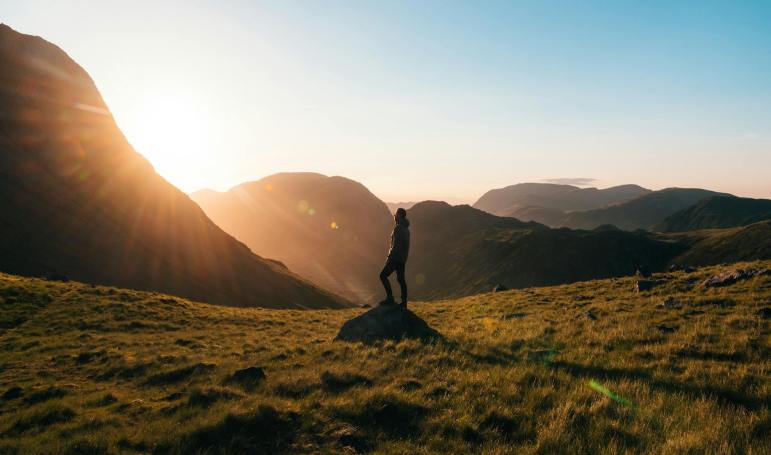
So how do we recapture it? How do we overcome the indifference and work towards this genuinely life-altering experience? I urge you to take pause from the instantaneous solutions and gratifications in your life. Climb more mountains. Do things the hard way. Stop thinking that focused time is a waste, and give yourself a gift of singular-tasks. Don’t give up when things are muddy or unclear. Don’t be afraid to fail, but go on, steadily up that mountain. Practice your craft, even when it means writing your synopsis or your back cover blurb, or that query letter…those are part of the journey. When you skip things, you miss out on more neural connections. More neural connections will lead to “Aha!” moments. Use your goddamn brain and don’t let the screen think for you. Get out of your echo chambers. Meet new people. Take an unrelated class. Read something you wouldn’t normally.

Why bother? Because human experience and potential is fading, right before our eyes. It’s being replaced by a strange and candy-coated lie. A shadow of what we are capable of. Our lives are being played out behind filtered photos and 25 second reels. And that life experience is no place to create from. Dig deeper. Give a damn about your short and beautiful trip. Make it count.
Cats, Responsibility, and Writing

What in the hell is she talking about now?

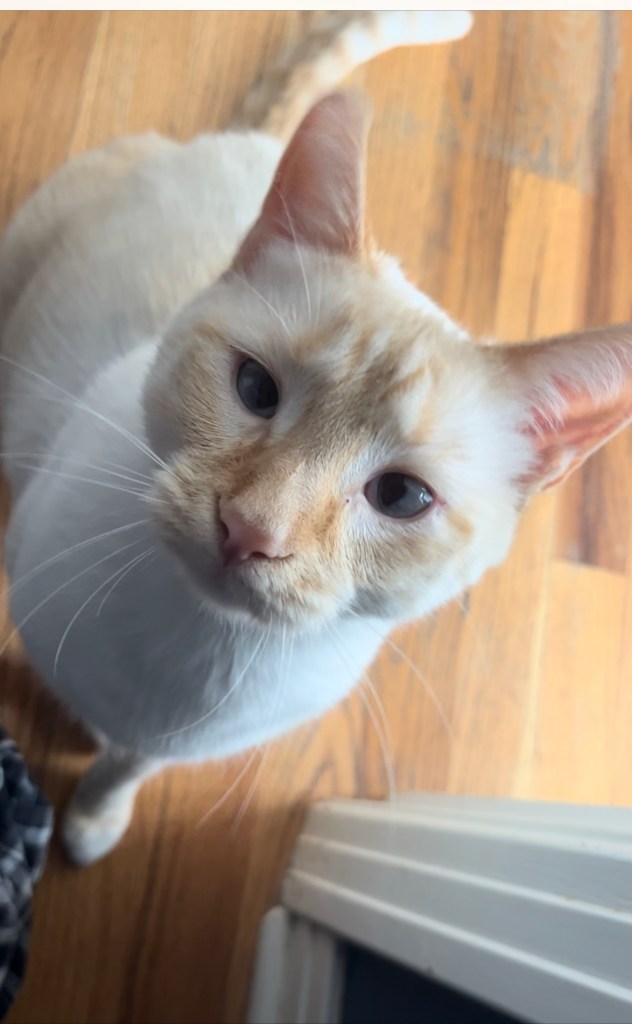
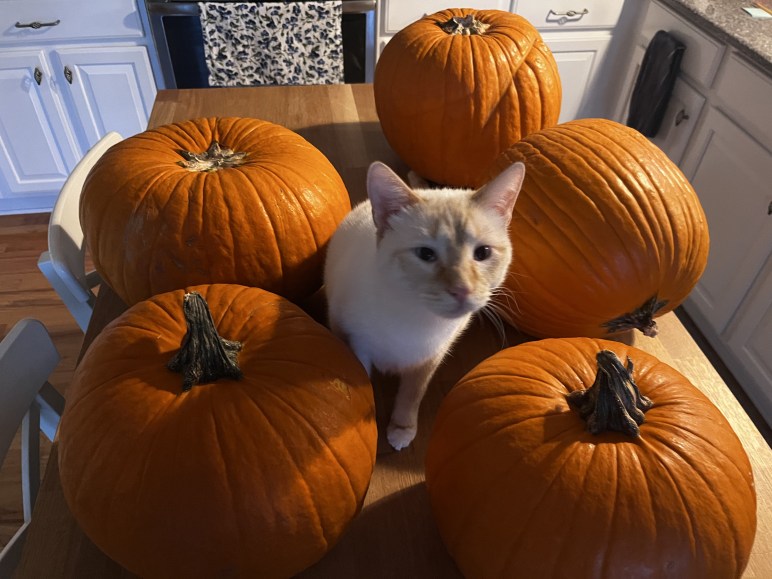
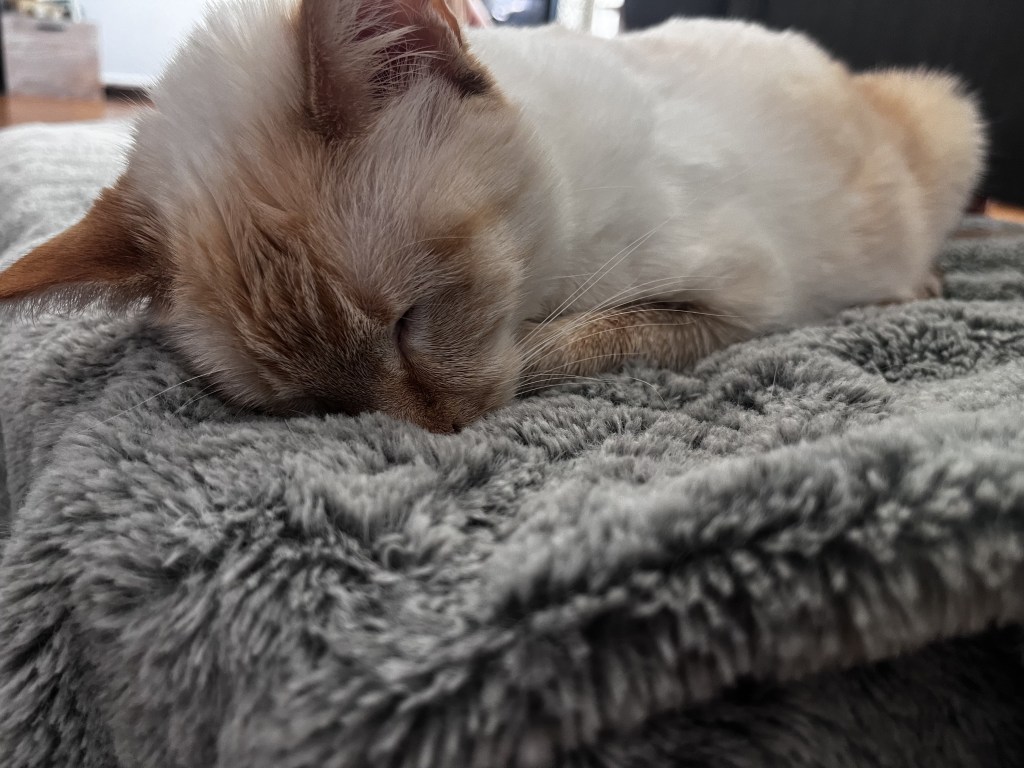
Well, I was going to go through more information on conferences and educational opportunities, and how to network, with the impending conference season upon us all…but right now, my semi-blind, seizure prone cat is sitting at my feet, having unstartled from when I came up in different pants an hour ago.

This blog is about writing. In so much as it’s about compassion. In so much as it is about responsibility.

In so much as it is about living, every day, as fully and as lovingly as we can.

Periwinkle started going blind about a year ago, as a year-old rescue kitten. We adjusted, pivoted, and managed the house to meet her needs. Because I recognize that when you agree to make an animal part of your family, then you take them in total, and you care for them as best you can until it’s their time to move on to the next adventure at a nice farm in upstate New York. Then about a month ago her seizures started. Scary ones, big ones, with hissing and violence and running in circles while she urinated all over herself. Trying to hold her steady enough that she didn’t knock her head into a wall again and bloody her nose. And then came the clean up, and calm down, and gentle hands to wash it all away. I was convinced, after the third, that she would need to have help, ending her suffering.

After relaying my plan to my children, to prepare them for this difficult decision, my daughter…my loving, quiet, introverted daughter, the oldest and my first, who never asks for much and is sensitive to wavelengths most people in the world never even feel, looked me dead in the eye and said. “You’re just giving up on her.”

And at first I was mad. I’m the only one who takes care of the pets. I was exhausted. I was doing all I could and our vet didn’t have answers. There was medicine that might not help. There were surgeries she might not live through. All we had were mights and maybes.

Then I let her words sink lower into my heart.

When exactly–in the course of my ever-jading timeline–did I decide that nothing was better than mights and maybes? That the certainty of quitting overruled the hope of trying? When did I start putting my comfort over the pain of effort that may not be rewarded? Was I just justifying her ‘quality of life’ over my own life-weary need to not bother?

And didn’t I have a responsibility to do better for her?

So we took her to the neurologist (a three hour appointment that my husband took on as I had to work that day) and was given an order to administer 2ml of shitty tasting medicine, by mouth, twice a day.

I’m not sure if you’ve ever owned a blind animal, or one who’s breed and temperament predisposes them to vocal and violent physical outbursts but if not, understand that Periwinkle’s NORMAL vet appointments require no less than four vet techs/veterinarians to come in with welding gloves and a kitty straight-jacket to administer a two second shot to her hind quarters. Nonetheless, twice a day, we (two untrained and un-welding-level-protected adults) have to hold her down, open her mouth, and force her to take this sticky, foul tasting medicine.

TWICE A DAY.

FOR A MONTH.

That’s 60 times. 60 times I have to hold her down, against her will, pry her mouth open, let her nails tear into my inner thighs and hands and hope she doesn’t sneeze or vomit it all out again. I hold. My husband gives it to her. We placate her with treats and pets, and clean her face after. And it doesn’t get easier, and it never feels good.

But I’m not giving up on her. Because we don’t give up on the things we love. Not our pets, not our writing, not ourselves. And I try to recognize and respect that present discomfort is short term, survival and hope in thriving are the end goal.

We find a way, we exhaust all possibilities, we trudge through the painful tearing of our work and the forced sittings of writing in the parts and pieces of the story we’re trying to heal and bring to the surface. We go to therapy and we journal and we cut out toxic people who we’ve tried to appease for too long, even when it feels lonely and unsupported. We start saying no. We start aiming for yeses that matter. We sit in the pain and ply ourselves with gentleness in the aftermath. We speak kindly to ourselves. We cherish every moment, even the painful hard ones and we don’t take the easy way out.

Because the truth is, there’s not really an easy way out. Nothing in life is easy all the time. And I suppose you could quit whenever it got hard, but you’d never really get anywhere and all you’d end up with is a huge steaming pile of regret. And that’s a pretty shitty consolation prize for life.

I wasn’t built to give up. I wasn’t built to let heavy weight wear me down. Or have false friends, and gossiping narcissists and egotistical jerks make roadblocks of my own insecurities or need for love. I will do the hard work. Despite the odds, despite the voices that whisper behind my back and inside my head “wouldn’t it be easier if…”

I have a responsibility to my characters, to my stories, to my own love of writing. I have a responsibility to my peace of mind, to my health and well-being, to my balance and serving my future. Anything that gets in the way of those things, whether its claw marks, or vicious gossip, or plot holes…I’m no longer willing to accept or let them stop me anymore.

Now, if you’ll excuse me, I’m going to go pet my cat, and enjoy the sunshine calm where I can catch it.

Don’t give up while I’m gone.

Ode To The Trail

In the spirit of this monumental week (bookending the days with a mountain writing retreat and probably the death of me by trail marathon on Saturday) I give you a short and sweet look at what trail running will do for a soul and what we can learn from a steady state of being present. Enjoy.

Nothing about trail running is easy.  I mean, sure for some skinny running-all-his-life-young-mountain-goat type it’s probably a walk in the park.   But for me, aging-used-to-flat streets-and-shady-neighborhoods, its one of the most challenging things I’ve done.  I like running.  I like hiking.  I hate combining the two.  Not just because it is difficult but it takes the worst parts of both and combines them. 

Running down a sidewalk in the cool and quiet morning is a practice in meditation for me.  My mind can wander; it can go over plot lines or character traits, dialogues and settings.  It can breeze over life’s complicated spider webs of responsibilities and desires.  Hiking up a rocky and single-tract trail, in the middle of the beautiful and chaotic dance of nature, stopping to smell the sun soaked dirt and hear the clicking of bugs as they dodge past your ear is good for the primal soul within.

But when you combine the two, your mind cannot wander.  It must remain focused, because the speed of your journey is encumbered and dangerous, riddled with rocks and snakes and jagged-reaching branches.  You cannot look around beyond the future path of your feet because you will surely falter. Your feet are twisted and tripped and if you aren’t living solely in that specific moment of forward motion, you could end up rolling down a yucca spiked hill and planting face-first in the delicate sharp tear-drops of cactus.

Trail running is hard, not just because of the altitude, or the climbing, or the sheer terror of descending down rocky terrain at a speed that threatens my control.  It’s hard because it forces me to live in a specific moment.  I can only look ahead briefly, I cannot plan the next mile, only the next footfall.  It is hard.  But it’s also a brilliant lesson in staying focused in the moment you are in. 

Very often I get ahead of myself, even more so, I falter back into the past.  It’s comforting to go back in my mind to the places I’ve been and the people I knew.  Its exciting to imagine where I will go in the future, and easy to build it into much bigger dream than attainable.  But to live in the now, with what I have to work with and what lies directly on my path makes me get out of my head and truly live.  And that, my friends, is hard.

The Moment of Pay Off

Every year I learn something new from participating in National Novel Writing Month. This year was no different. This year, I learned that sometimes, the project you think is a total loss, is reborn into something amazing with a little time and added experience.

The story idea that I began the month with was an old short story I wrote before my children were born. That’s probably 14 years ago people. Nearly a generation. I don’t know what drove me to pick it up again. I actually don’t know what drove me to keep it. But there it was on my computer—converted from an older version of Word, ratty and thin, barely holding ink on a page.

I’d seen the file, hanging on the end of my groupings of files like an unwanted 41st wheel, always in my peripheral. There’s that really odd one. Yeah, the one I wrote when I was in massage school? All about the herbalist turned witch. The one where I was still clinging to my Anthropology degree and geeking out over the prehistory of Scotland and Norse invasions? The one with the Mary Sue characters that fell flat on the page and fit too perfectly into every stereotype a 20-something inexperienced writer would believe?

Some of you may be asking why I didn’t just start a new project. Some of you are probably wishing I’d just get to the point, since you’re reading this out of a strange sense of obligation.

Well, when I went into a blank document for this year’s challenge, with 2020 hanging like a wet and heavy blanket over my body, squelching (yeah, I used the word squelching—don’t judge me—that’s the kind of word that needs to be brought back into the vernacular) any creative fire that might ignite, I just didn’t feel like I could accomplish the goal. I needed a buffer. A little boost. Something I wasn’t tired of working on, something not always shouting in my face to finish it…

Something in my peripheral.

And there it was—over there in that file innocuously labeled “Scot1”.

On to my point—

Knowing it was a shitty short story didn’t dissuade me. Because, somewhere in my brain, I knew there was potential. And the only reason I knew that, was because (and here’s the point) in 14 years of writing I’ve learned stuff.

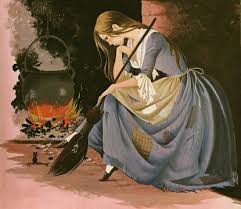
Ah, here reposes the introverted house slave–bereft of even her rodent companions.

Since I wrote the story, I’ve taken numerous classes, conferences, and workshops, on everything from plotting and character development, to crossing genres and writing fight scenes. I’ve taken classes on editing and how not to write. I’ve written some novels. I’ve done a lot of hard cutting. I’ve explored different genres and played around with suspense techniques and “aha” moments. So when I saw this shabby little house-maid in the cinders of the proverbial fireplace, I looked past the soot and rags and saw the potential beneath, not because I’m all-knowing about what would work, but because I had learned, through investing in my craft, what didn’t work about it.

And maybe more importantly, that it could be changed.

So, what was lesson number one? Trust in the process of investing in yourself as a writer. Admit you don’t know it all, and that others have good advice to give. Soak all the information in, approaching each class or workshop as a beginner, no matter how many years you’ve been writing.

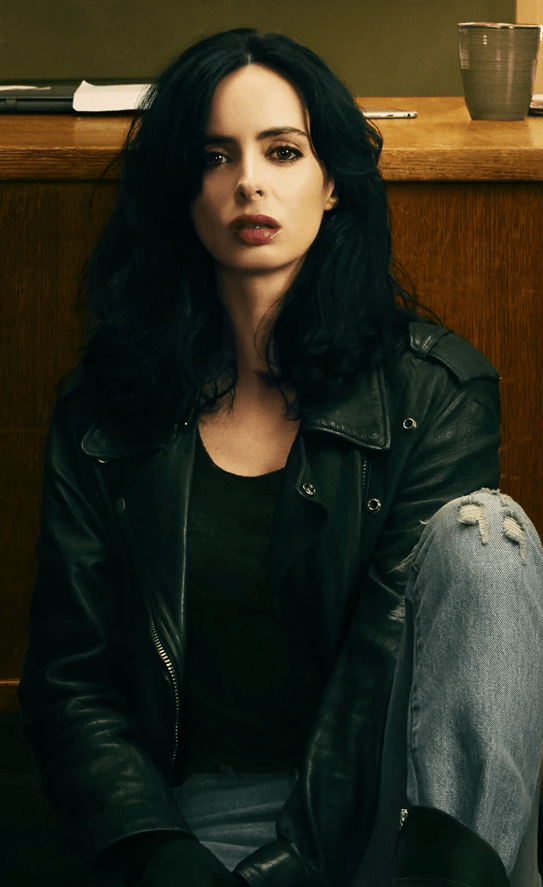
With knowledge, even the worst story can be made better. Knowledge also loosens the hold of fear that sometimes keeps us from progressing. Knowing how to cut and change becomes less heart-wrenching with the perspective of a better finished product. Knowing what makes a more interesting character, learning to take some of the polish off the Mary Sue, and turn her into more of a Jess Jones.

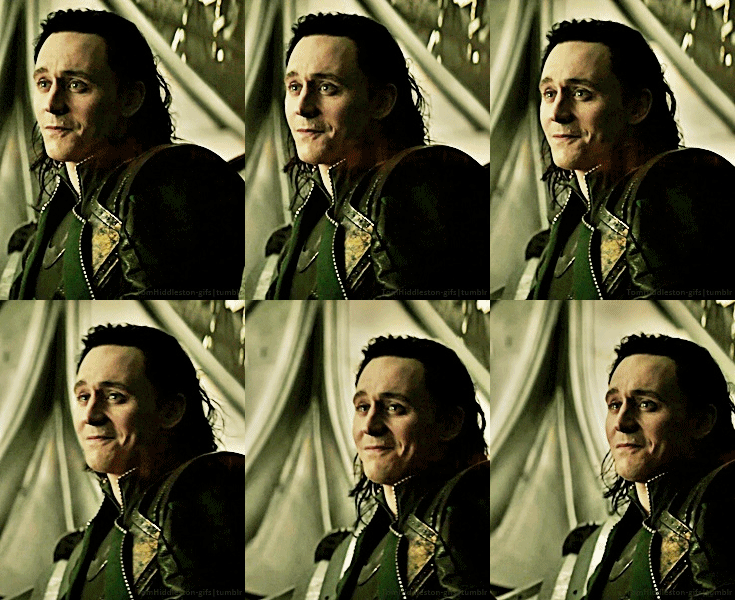
You can take a Snidely Whiplash and turn him more into…well…

When you give yourself the gift of knowledge, the list of what you can do breaks the boundaries of what you can’t.

Sometimes…you may even discover doorways that will bring over characters from other beloved series you’ve written…

Ladies and Gents–have a little Faith.

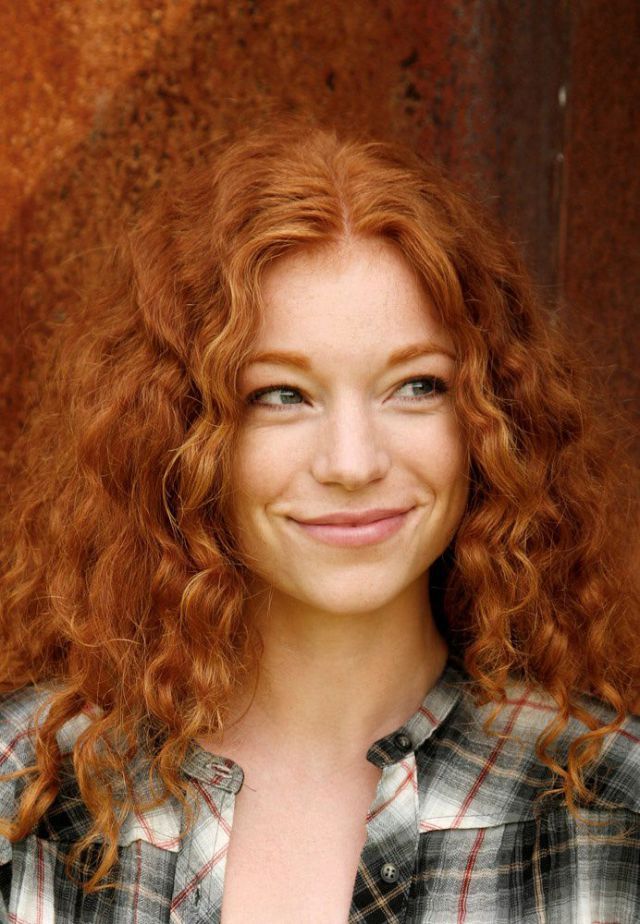
So there you go—look forward to a future magical realism/Norse mythology mix up with a delicious little love triangle, and the potential for a new generation of crooked smiles and bouncy red curls.

The Beautiful Writers Workshop: Lucky Number Thirteen

Let’s talk luck.

Serendipity is a fickle and chaos driven goddess. Sometimes she saves us from that random bus only to drop us into an elevator shaft while we’re reveling in our good fortune. As a writer, it can often feel like some guys (and gals) have all of her attention and the rest of us are left, toiling in the trenches for even a kind rejection letter.

But most self-earned successful people will tell you its not so much about being in the right place (or write place?) at the right time, so much as creating the right place consistently.

How do we create an open door for “luck” in our lives? It’s not too difficult, but it does require patience, perseverance, and consistency.

“Damn it! I knew there was a catch! This is bullshit! I want overnight success!” 

Don’t we all, skippy…but unless you’re planning to marry a train wreck of a Kardashian you’re gonna have to do it the old fashioned way.

1.) Just like the lottery, your chances of winning increase by how much and how often you play.

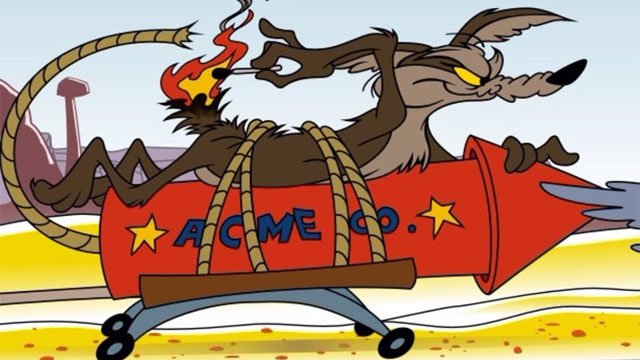
You can’t expect to get that six-figure deal with one query letter to one big agent. Think of querying like a giant firecracker filled with the sparkly goodness of your novel, not a single-tipped arrow. That doesn’t mean you don’t bother aiming the damn thing, but you find the publishers and publications who take your kind of crazy, you follow their guidelines, and then you fire that baby off into the universe.

Wile-E-Coyote
Don’t singe yourself


2.) Make the chances you get work for you

Okay, you’re not always going to get the acceptance letters you were hoping for, you’re not always going to get the speaking gig or to meet with the agent you’d planned on at a conference. That doesn’t mean there’s nothing but a blank slate out there. Serendipity  exist in the overlooked opportunities.

Maybe they’re in things that you feel are beneath you, maybe they’re in jobs or gigs that you feel you aren’t exactly qualified for, maybe they’re unpaid or paltry in payback. But part of building your platform is taking risks, chances, and putting out there what you do have.

Volunteer to teach a writing class to an elementary school, offer up your book for free or discounted to book clubs that may be interested, try selling it at local coffee shops, be a beta reader for a fellow writer, guest speak at conferences or writing group meetings. It’s not just about marketing, its about seeing where the world can use your talent and opening your arms to offer it. Sometimes when we do this, Serendipity takes our hand.

two person hold hands
Gosh, I hope she washed it first. (Photo by NEOSiAM 2020 on Pexels.com)

Disclaimer: When I started out as a writer, it was a non-negotiable fact that you took any guest blog, free article, un-paid ad copy you could to build your resume and presence. But you can’t work for free forever, and please don’t. You should reach a point where you request and follow leads that will compensate you for what you’re worth. If they don’t, load that shotgun, and take a new aim.

3.) Finally, luck is made, not stumbled upon, by those who look for it, work for it, and build their lives and routines around the openness and willingness to jump at the chances that come their way.

Saying yes. Especially when it scares you. Saying yes, even when you might stumble down that elevator shaft. Saying yes even if you’re not sure you’re good enough or bright enough. Saying yes, even if it means stepping off your life-path for a glint of time.

Yes, I’ll send my novel out to three agents today. Yes, I will write that article. Yes, I will stand up in front of a crowd (well, a ZOOM meeting these days) and talk about what’s worked for me in plotting my sci/fi/cowboy/romance/horror trilogy (hint: its probably a lot of post-its and some mind-altering substance).

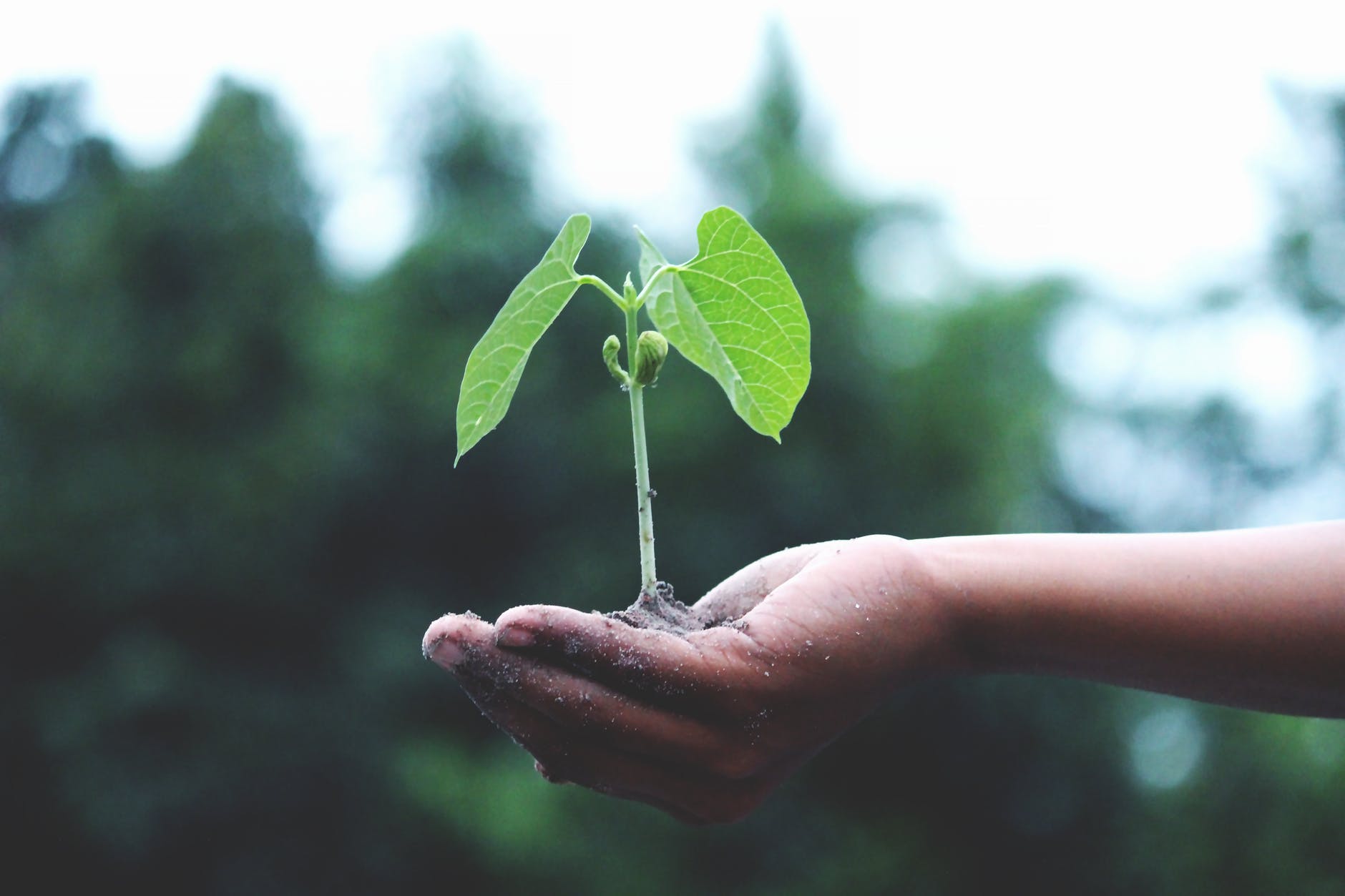
Serendipity is a seedling. She might show up randomly in our garden, in a burst of color. But we increase our odds of seeing her if we tend the ground, water and feed her, and give her plenty of light.

person holding a green plant
Photo by Akil Mazumder on Pexels.com

How will you make your own luck today?


Giving Thanks

I’d created some pretty flashy, quiet-inspired, philosophical posts last weekend on retreat. They’re beautiful but I’m leaving them in the bank because today I want to repost something that I’d blogged about years ago that is timely and still rings true.

Have a safe and happy holiday. Be with the ones you love. And if you can’t; love the ones you’re with.


Making Do and Giving Thanks


One of my earliest memories was of waiting in a dark and crowded hall while my mother picked out ‘groceries’ from piles of white and black generic boxes. I didn’t understand at the time that the blocks of Velveeta-like cheese, powdered milk, and bags of rice were part of assistance programs that kept us from going hungry when the insecurity of the uranium mine had left us teetering on the edge of destitution.


My father is, and always has been, a hard worker. He took whatever job he could to support us, but in the unstable energy economy of 1980’s Wyoming there was always a fear behind my parent’s eyes. My mom was a teacher on and off and she stayed home with her three wild and creative kids. Anyone who’s a mother knows that each child is a full time job just in themselves, with no hazard pay given and no time off.  She was a genius at making ends meet, and squeezing out the most of everything we had, including our time together.


Their amazing resilience still brings tears to my eyes, especially as a parent myself. Because, back then, I never knew we lacked for anything.


We were always fed. We were always clothed. We had a roof over our heads and wild game in the freezer. We made do. When lay offs hit, they squeezed the most out of what we had and made do. When dad went back to college for a second degree in teaching, we lived in a small house in Laramie and made do. When Christmas came around and three kids rushed to the living room, there was always something there to be thankful for.


I didn’t have cable as a kid; I had books. I didn’t have a TV in my room; I had the library less than two blocks away. It didn’t matter that we couldn’t afford vacations to far off places because I could go there in my mind. Pages were like my wings, rocketing me towards new and fantastic horizons. My parents couldn’t give me designer clothes or name brand shoes. They gave me Jean M. Auel, Jack London, L.M. Montgomery, Louis L’Amour, Piers Anthony, and Jane Austen. They gave me hours and days of uninterrupted reading time. I still remember mom peeking in on me, sprawled out in bed, pouring over a book, completely lost to the world around me, asking if I needed anything.


Looking back now, and knowing what I do about how much it costs to raise a child (nonetheless three), I really couldn’t have asked for more.


We made more than just meals from small staples. We made worlds out of our love and support of one another. My parents gave us the belief in where our minds could take us. And we made do.


The best part of Thanksgiving, is the giving. If you find that you have an abundance, I urge you to consider donating to some of the fine folks listed below.

Remember; Money is like manure, it doesn’t do a lick of good until you spread it around and encourage things to grow.

Happy Thanksgiving!

Red Cross

Larimer County Food Bank

CASA Fort Collins

Larimer County Humane Society

Meals on Wheels

Wounded Warrior Project

Two-A-Days

IMG_5400

Hey, ya’ll. If you know me, you know that I’m a runner. Sometimes more of a hobbled, panting jogger. Occasionally a hitch-in-her-giddyap mosey-er. Currently I’ve worked up to the ‘two-a-day’ portion of my training schedule for the 2018 Wild West Relay

Basically, this tortuous routine requires two runs within a ten-hour period. They say it will help the body learn how to run on tired legs and get over the mental barriers associated with that. I say, gushing sweat on a 98-degree afternoon, beet red, and looking like I just stroked out, that mental barriers are only half the issue.

I’ve been participating in relay races for the last 4 or 5 years and have captained the team for two of those. It’s one of those stupid, addictive things that once you agree to do it, you hate yourself.

From the nerves that strike even before you start, all the way until the last section of your race when your legs are throbbing and you’re sleep-deprived-drunk and everything and nothing is funny, and you’re pretty sure between the altitude, miles, and meals made of gels and power bars you might be hallucinating that there’s a raccoon pointing you in the direction of the next exchange…where was I? Oh yes.

You hate it.

You f#&king hate it! And why in the hell did I sign up for this goddamn thing again!?

Except there’s this sweaty group of misfits that welcomes you back into the van and gives you the roomiest seat after your leg, and feeds you bananas and homemade pasta salad and nods as you commiserate over all the shoulda’s you encountered over the miles.


Except there’s a group of total strangers that cheer you on as you come across every exchange, smiling, and clapping and honestly glad that you made it there…because runners (almost every single one I know) know what you go through on those miles and what it feels like when you feel like you can’t go another step. And they slap your shoulders and congratulate you and it gets to that you are disappointed when you walk into the grocery store and aren’t met by a group of moms cheering you on.

“Atta Girl! You made it and you’re dressed! Look at that, choosing fruit over cookies for the kids! You rock! You got this momma!”

Wouldn’t that be nice? We should start doing that…

Except that you stick around at the exchange to cheer on those tired, aching souls that are pushing themselves beyond boundaries and comfort zones. Those runners, those humans, striking out against every thought that tells them they can’t. That they shouldn’t, and getting to look them in the eye, smile and cheer and say, “You did! And you should! And you will!”


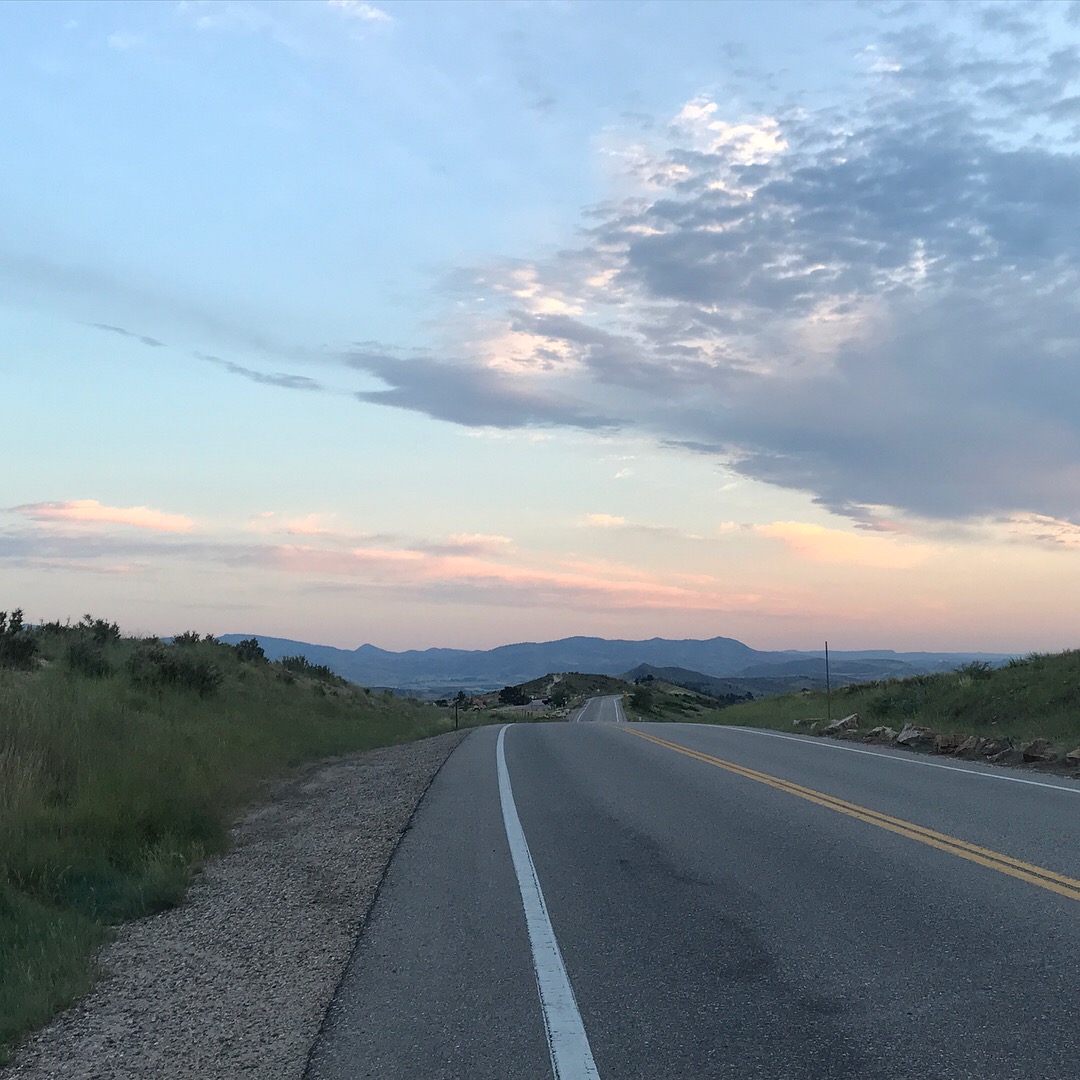
Except the stars. The countless masses, splashed over the night sky coming out of the expansive heaven of Wyoming plains and into the hills of Colorado, painted above you and reminding you of how small you are. And yet how beautiful an existence, to stand in awe while recognizing your own insignificance.


Except the cold beer at the finish. And the sleep you get in a real bed the first night after. And the way you have to Lamaze breath just to lower yourself onto the toilet for the next couple of days. And the medal hanging in the closet, and the smile that lasts for a good two weeks after…


So what can this insane process teach us about writing?


That it’s not all easy.


That it’s turbulent and painful. Merely signing up for it can cause panic, and self-doubt, and the desire to quit. That training for it, sacrificing other areas of our life to devote time to it, doing the hard editing, admitting to our faults in order to change them, and opening up dozens of rejection letters are the painful “two-a-days” that build our mental stamina for the road ahead.

That there are people, in your own circle, waiting back at the table for you with open arms (and maybe bananas, I don’t know… I’m not in your circle) able and ready to listen to your trials.

That there are people, not even in your immediate circle who are cheering you on to the finish line. Because, like many runners, writers know what it feels like to drudge through the pages, to cut out the organs of your favorite story, the elation of inspiration and the crushing self-doubt of the whole process.

That there will be an end product, and perfect or not, it will be yours. And that’s something, insignificant human speck. It’s something to have your voice put into pages.


If you’re a runner of any level and have considered a relay; Do it.


If you’re a want-to-be writer who hasn’t committed to it; DO IT.


Because the work is hard, and its dirty and painful…but the work is where you find the deeper level of strength that you haven’t met yet. Where feet hit the road and pens kiss paper, that’s where you discover yourself.


Get out there and do it.