The Beautiful Writers Workshop: Novelty #1: Why in the Hell do I Need to Worry about Plot?

Can you believe I couldn’t think of a more creative title? Me neither. Some days are like that. Remember, this is geared towards beginning writers, so most of you long-in-the-tooth novelists may not get the same bang for your buck. But…there are a lot of sexual innuendoes. You’re welcome, or Sorry.

Today, I’m pushing through and rehashing an old, but viable post. Remember? Before the fucking world turned upside down and Elon Musk became president with Absolute Power? Yeah…those were good times. Let’s not dwell, you can call your congress person again (you’re calling right?) and attend those protests (you’re attending right? This IS the time to be the MOST KAREN you can KAREN–see below for my favorite emoji of the species) after this short and entertaining jaunt into PLOT. We’re getting into the meat and potatoes of writing a novel, and this kind of thing needs space. So, without further ado…

What is Plot and Why is it Important?

All right, I get it, it’s a dumb question, we’re all writers and we all KNOW that plot is the basic structure and story of your novel. It is the idea. The “what happened”, and why, and “what’s going to happen next” of any decent story. I’m not trying to dumb it down for you. But the true test of a good plot lies in the simplicity of answering those questions.

Now, you can have books that are character driven (an event happening TO a person, or BECAUSE OF a person). And you can have books that are historical non-fiction, based on one specific moment in time or occurrence. The PLOT of your book expands more than just beyond an event (otherwise The Hunger Games would have been maybe 50 pages long). The plot is the premise or sequence of events. Some novels will follow a very specific order of events that are common to their genre, or as we like to call them tropes. Tropes comes from the Greek Tropos define as “turn, direction, way” and refers to common, recognizable elements or sequences of events.

Many genre specific tropes (I almost prefer ‘formulas’) are embraced by the audience and even expected. Examples include: “the hero’s journey”, “enemies to lovers”, “small towns”, “cold cases”, “missing persons”, “AI gone wrong”, “fairy tale retelling”. But if almost every novel follows a plot formula how is it #1, that readers don’t get bored and #2 that you tell an original story that hasn’t been done before.

It’s an interesting dilemma on the part of a writer. We know which formulas work in fiction and straying from them often makes a plot fall apart or leaves a reader angry or unsatisfied at the end.
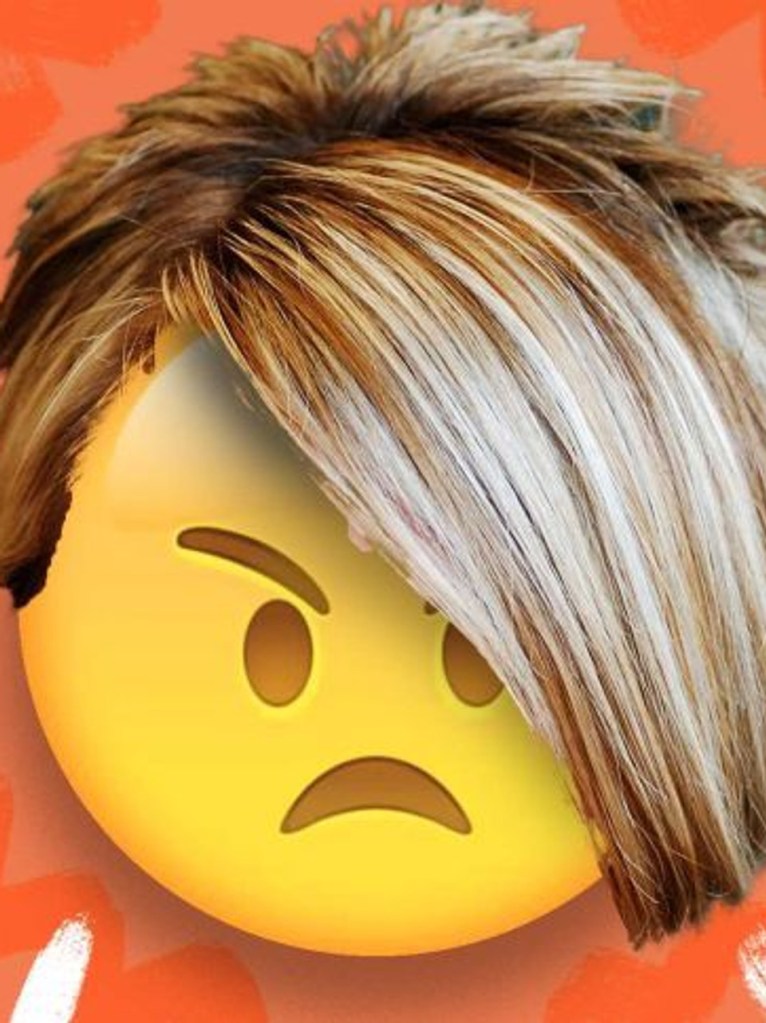
(She’s gonna want to talk to your manager)

But how do we follow commonalities in plot structure and still make it a fun, captivating, and surprising journey for our readers? The answer my friends, lies your ability as a writer to do five things: (Fuck Yeah! A bullet list!)

  • Begin with a unique event or crisis. This comes back to the “scan the headlines” exercise I’ve had you do before. A lot of weird shit goes down in the world. A lot of undercover, shady AF stuff too. Use it as a springboard, to your “what happens then/if” story building.
  • Tie the reader to your character (through love or hate) and make their reactions to events unique or contrary to the norm. (ie a cheerleader who fights vampires. A small town farm boy who becomes a powerful Jedi. A teenager who comes into supernatural powers without the maturity to handle them and doesn’t use them to download free porn–come on….or *snicker* cum on? Oof, sorry. Uncalled for. Please keep reading, I’ll behave.) Character building will come later in this series but if you create unique ones, their actions will create new takes on formulas.
  • Use honed writing technique to build tension for climaxes. Yikes, that sounds dirty and here I promised to be good. Tension is one key to making a story more than just series of events. So much of this depends on your voice and writing style. But the big take away here is about risk. Making the risks personally huge for your character, and even the world at large, will keep the plot fresh and drive it forward.
  • Play with the number and intensity of climaxes (story arcs). I think I’ll start using story arcs (some prefer ‘beats’) because every time I type climaxes I can’t stop giggling. Ok. Story arcs are BIG deals in your plot. Think of these as door ways, crisis-points at the top of your arc, that your character has to move through in order to get closer to what it is they want/need. Once they hit that doorway, or crisis point, they can’t go back. A serious change has occurred either in the setting or with-in the character and they must move forward. Next blog will be all about these arcs so I won’t go into much more detail here.
  • Consider using unexpected but intelligent twists. The best movies and books I can think of that do this are: “The Sixth Sense”, “Fight Club”, “Gone Girl”, “Mind Hunters”. What better way to shake up an audience than by having them accept one reality for the entirety of the story, only to show them the true reality at the end.

All right, so there are some tips for building an effective plot that carries readers throughout the book. My advice to you this week, is to explore various tropes and patterns, especially those in your genre. Turn a piece of paper (landscape-style) and write out the typical pattern of your story, then overlay events and characters of your proposed idea. See how they match up, see if you have enough tension building scenes, just play around with it. I’m not much of a plotter myself, but even I will do a general outline to keep myself on track and make sure I’m building a solid plot.

Next time, more on story arc, how to climax well (*snork*), and end satisfied (*hahahahaha). Until Thursday, happy writing.


The Beautiful Writers Workshop: Welcome!

Good morning writers, authors, editors or accidental guests.

I’m trying to find more efficient ways to work this year and I found this old series in my back catalog. Now, I teach writing and support writers for a living but I think these little nuggets of advice (free) are actually still pretty good and relevant. So starting today, and for every Second Thursday on my Blog, I’ll be offering a little writing advice.

I call it the The Beautiful Writers Workshop, based on the quote from Ray Bradbury about filling your cup and letting all of the beautiful stuff pour out. This year-long journey is about developing your craft through exercises in creativity, editing techniques, inspirational prompts, and building the framework for your writing career.

Some of the blogs will inspire. Some blogs will lean more to the technical side of writing. But whatever the monthly topic, you can be assured of two things:

  • You’ll have a prompt or exercise to help develop your writing (and the opportunity to share it)
  • I’ll try to keep it spicy enough to be enjoyable.

So let’s get rolling! I searched through nearly all of my favorite books on writing for a perfect topic for our first lesson together but the truth is, there are just too many (good and bad) ideas out there.

So I’m going to start simple and ease you in gently to this process.

If you’re here you are either interested in writing, or are already doing it and are looking for something to add to your tool box. In order to appeal to all levels today’s workshop is centered on the basic purpose of your writing.

Below are a few questions that I’d like you to read, think about, and journal down your answers to. You can share them, you can keep them secret, but DO WRITE THEM DOWN.

Something amazing happens when we write down goals and steps to reaching them. The process becomes manageable; the goals become real. It’s one of the many beautiful and powerful attributes of writing.

  1. Without judgement or discouragement, and being as direct as possible: what is the ultimate, lifetime goal you have for your writing?
  2. What can you do to kick start this goal in the next 12 months? (hint: where do you need to start, where do you need to grow most for the big picture)
  3. Is this yearly goal attainable? WHY OR WHY NOT?
  4. Of your reasons from #3, think about the fears, limitations or concerns that formed these reasons. Name them. What do you foresee keeping you from moving forward on this yearly goal?
  5. Of the fears, limitations and concerns, what are the possible solutions or actions you can take to eliminate them? (hint: each limitation/fear/concern gets its at least one action you can take to overcome it)
  6. If you have a planner or calendar, write down one weekly goal (eliminating distractions, word count requirement, number of submissions out, editing, classes etc) that will help overcome the hurdles you have to your writing.
  7. Looking at these weekly goals, find specific and measured times you have to dedicate to their success and write them down.

Okay, that’s it! I know, it’s a little dry but when building a house you have to have a solid foundation first or none of the pretty architecture above it will survive. So build your foundation, know where you’re coming from and next week we’re going to talk about:

Mission Possible: Drafting your Writing Mission Statement

(that sounds super boring but it will help writer’s across the spectrum. I promise!)

What Do We Do Now?

It’s that time of year again, when we reset our calendars, back to a clean slate and make a lot of promises to ourselves that this year will be better. That we will be better. Only its a harder world this time around. You’d have to be pretty clueless to not see the deterioration of our society and our environment happening on the daily. Forces beyond our immediate control, who are so much more powerful than they should be. The inequality and stark difference between the few that have and the masses that have not. The magnitude of our environmental mistakes, snowballing into catastrophe… ugh, makes you want to just go back to bed, yeah?

Only what if we don’t? What if instead of accepting our broken and unjust system, we did something about it? Do you realize how many we are? Do you have any idea how revolutions work? It isn’t only the richest, brightest, and most powerful 1%. It is is the rest of us, standing up to say ‘no more’. Stopping our cog in the machine, putting to halt the system that works for only a few, and wears the rest of us out. Not giving in to hate and lies, not allowing our rational brains to get whipped into a frenzy by sensationalized and one sided news sources. Knowing that the truth of humanity, our shared existence and our common bonds is what those in power fear most. Because if we ever organized against them, the ‘let them eat cake’ knows they would not survive.

Am I calling for revolution? I dunno.

Are people dying of hunger? Are people being denied basic human rights? Are people dying because they’re can’t afford medical care? Are we imprisoning the poor for profit? Are we being refused a living wage? Are we having our energy and our art stolen by the heartless, greedy and belching machine that is AI? Is our environment being destroyed on the daily to pad the portfolios of people already too rich to spend it all? Short answer, yes.

But revolutions can be more than just war on the streets. They can come with lifting up communities, speaking out against injustice, refusing to work in unsafe conditions, turning off the noise of all the talking heads, reading books, speaking out, helping others. Revolutions can happen in our daily lives by refusing to live in the way we’re told we must.

I put together a yearly list, as usual, but this year I did something different. Instead of pushing through to commercially gained goals or pant sizes, I looked at what would help make me a better, stronger, more compassionate and purpose driven person.

You see, when we’re all worried about wrinkles and thigh size, we’re not dismantling the systems of injustice. If we’re worried about our 401K, we’re not thinking of our fellow human beings. Sometimes, just being content with your soul, resting in a hustle culture, and pursuing art and clarity is a radical act of rebellion.

When you sit down to think about your year, I hope you think about how you will defy the ignorance, hurt, and anger that’s permeating society currently. How will you choose to treat your fellow human beings, what work will you do, what purpose will you serve. I urge you to do something beautiful this year. I’m asking you to set your sites on being unswayable when it comes to justice and peace. I’m asking you to take to the streets when the time comes, and to stand up for your fellow human beings. I’m asking you to pursue a higher purpose, not in some deity, but in the pursuit of a better world for all of us. You’ve already got skills, find a way to use them to uplift. You’ve got talents and two hands. Use them for something that dismantles the systems that keep us all down.

Care for yourself, and others. In a world of mass production and garnering likes for self worth, shut off your social media and live in your skin. Rest when you need rest, push when you feel driven, and above all, do not lose hope.

Poetry 11-21-24

October was a wonderful month and I’m actually working towards keeping up my ‘poem-a-day’ even when it turns into more of a journal entry. Sometimes writing is not just one thing, and the poetry of the everyday counts just the same. Sometimes its the way we work through past hurts, even when they aren’t really a part of our present anymore. Sometimes the lines of verse are tiny cuts to the lines that hold us to those things not meant for us. The heart is a wild and rampant beast sometimes and we all deal with the fallout of her decisions differently. Hopefully we learn something new, each time.

Untitled

I’ve written so many lines about you
tracked tears under every constellation
ached under the flowering trees
and sweated out remorse under July skies

I’ve worried for you,
rued you
let the storms of winter freeze
any embers I thought remained

Still they simmer past
all reason, reemerging in my heart
where not even a desire to live resides

You were the fall of my empire
and yet I still find you in the rubbled remains
the inconsistent wound
that does not ever, ever heal.

It is heart deep and tragic and
I never know what to do
when it opens
again, and again
and again...

Do I press fluttering hands to it
failure to staunch the bleeding in my own weakened state?
Numb the pain with earthly asides?
Embrace it and lick at the blood,
ravenous for even the slightest taste of your attention?

If I have changed in these many years
then I know you have too
So how can I still claim to burn
for a specter who is no longer
the same that haunts my mind's halls?

How can my same old heart
have not grown along with
this hardened shell
and deepening wrinkles?
How has my tough hide not
pushed out the sliver of you
buried in my irate skin?

How can you still pull at my insides?
It is an irrational and hungry storm
and I am weary of trying to tie my lines against it

I guess after millions of years
the moon still pulls the sea
and no one begs to wonder why.

Community and The Introvert Writer

So, I’m being ambitious and getting a few of my blogs written while at the Writing Heights Writers Association Fall Retreat, in beautiful Grand Lake, Colorado. (We’ll be updating soon for our Spring Retreat) And I’m reminded…that I actually like being around people. Not all people mind you. But writer’s are a special sect and I want to talk about them.

I’ve been a part of a lot of different groups. Martial artists, anthropologists, archaeologists, massage therapists, pilots, refinery workers, landscape crews, teachers…and they all have their own little micro cultures and ways of communicating, but being around other writers is something kind of special.

For one, and this is something I never knew I needed…no one bats an eye if you wander off from a conversation to sit down and write. AND while you’re writing, no one comes up behind you to ask a question, interrupt or disrupt you. There’s a solemn air about someone sunken into the process and not only do you find the peace to pursue it in these moments, but you can actually feel a beautiful, uplifting energy of minds at work. That’s one of the biggest reasons retreats have always worked for me. Even as the facilitator of this particular one, I’m given grace to work on my projects and supported in doing so.

Secondly, no one coming to these retreats is a stranger to the biggest issues that plague us all. Fears, imposter syndrome, frustrations, the bane of feeling blocked and the uncertainty of where to go when we do finish. The feelings that someone is always more successful, someone is always writing more… We are all in the battle, and see each other. That level of understanding and grace gives you a blanket of comfort so that those lows don’t feel insurmountable.

So, this is a friendly reminder, no matter what you write, no matter where you are in the process or the struggle, get yourself a group of writers. You don’t have to meet every week, you don’t have to always talk writing (some of the best conversations we’ve had here were on the complexities of life, of parenting, of ecology and wildfires, and…the anatomical measure of a moose) and you don’t have to share your work. But you will know you’re not alone, and that someone is rooting for you and your words. And that, my friend, is priceless.

Fear of Failure

“A thinker sees his own actions as experiments and questions–as attempts to find out something. Success and failure are for him answers above all.”
― Friedrich Nietzsche

I know that I’ve talked about failure before (mostly because I’m kind of an expert at it), but today I’m looking at the fear of it and how that can affect us, on not just an emotional side but the physical as well.

The human brain is wired for survival. Which means, its really good at flooding us with chemicals to help us outlive the tiger in the grass. It gives us a healthy fear of risk, so that we can live another day to make fire, hunt and gather, and make more big-browed babies. The problem is that some of the deep seated responses and reactions are no longer as useful in our present day. So often, our overstimulated brains are inundated with stress-response chemicals at every little infraction. Boss angry? Jerk cut you off in traffic? Partner says ‘we need to talk’? All of these things can cause an immediate fear response.

Sometimes it’s still helpful, but on the whole it shuts down our ‘thinking’ brain which is a much slower, more thoughtful contributor to our actions. What does it have to do with failure?

Let’s talk about the concept of ‘worst case scenario’. All the mom’s in the crowd know what I mean. You’re child is playing on the playground, but you’ve already mapped out every sharp edge, every eye-poking branch, and every potential bully. Because we’re wired to look for danger and to prepare ourselves for the worst things that can happen. Even if they never do.

Switch over to that manuscript, or poem, or article on your computer that you’ve been working and reworking, and fussing over for years. You have a genuine fear that if you let it out of your sight, it’s going to get poked in the eye with a sharp stick, or fall off of the faulty ladder and break every bone in it’s body. So you keep it safe, you keep it to yourself.

Can you imagine a kid that never, ever left home? That never stepped out, that never met anyone else? That wouldn’t be much of an existence and the world would miss out. Unlike your own child, your writing will not die if you expose it to some danger. In fact, it’s through this ‘danger’ that it will grow, learn, and become better.

So, when you’re trying to decide about submitting, or putting your work in a critique group, remember that its normal to feel apprehensive but that the point of using our voice, of writing what we love, is so that we can share it. And the worst case scenario is really that someone else doesn’t like it. Here’s a little insight-it doesn’t matter if they don’t. If they have good feedback that makes sense and would improve it, great–but don’t let the fear of not being instantaneously accepted keep you from trying. Every work is not for every body. But you won’t know which body it will speak to, if you never let it out.

So–go get ’em. Take that piece to a critique group, give it to a friend to read, submit it to a magazine. Just don’t let the fear keep it (and you) in a cave.

Gratitude

I’ve been going through a few books on stress lately, some helpful apps about dealing with emotions (sans alcohol) and how to find more balance in a busy world. The common theme of late has been about finding and fostering Gratitude.

Before I go further, I don’t want you to think this is some kind of toxic positivity post wherein I’m going to urge you to stop complaining and be thankful it’s not worse, or preach to you that you shouldn’t feel the feels because you’re lucky to be alive. That’s simply bullshit. We are allowed to complain, and rage against the slings and arrows of life. In fact, a little complaining can help let off the steam on our pressure-cooker lives. We will have feelings and reactions and normal stress responses to things that upend our lives. I don’t believe in denying the pain and the struggle of our existence. I do believe that we can chose where we focus our attention, and learn to accept certain undeniable truths.

Everything will change, nothing is permanent, and pain is inevitable. We know we’ll have to live through some shit. Hard shit, unfair shit, tragic shit…all of the shit. That race track is just life, but how we manage our emotional state, our place in the world, and our response to all the shit, determines if we grow and survive or shrink and die. It also determines how much we’ll enjoy the ride.

Enter Gratitude. Yeah, I keep capitalizing it. Because I picture it as sort of a superhuman in our origin story. But Gratitude doesn’t have to be a big and imposing guy in tights, it can be a million tiny little fireflies peppered throughout our day, our weeks, our moments, that help to lighten the dark of existence. It isn’t very complicated and anyone can start a practice of gratitude.

Today, either in the morning when you wake, at night before bed, (or both if you’re feeling extra thankful) take a moment to write down three things that you’re grateful for. Then write down why they impact your life. It can be something as simple as “I woke up this morning and now I get to hug my kids” or “I have a job, that keeps food on the table” or “The sun is shining and its lighting the trees up like a painting” or “I had running water today, and a roof over my head. I’m safe and so is my family”. Some of these seem like no-brainers right? Except there are some that don’t have those things and we could be them just as easily with the flick of a bad weather pattern, a bad political coup, or the cogs of corporate greed. And it feels stupid and silly to be thankful for the sunshine when your battling cancer. It seems naive and idiotic to be grateful for that first, warm cup of coffee, when you’re behind on twenty different deadlines. It doesn’t seem like it matters to notice the good, small things. I know that. I’ve often thought it myself when I first started.

But once you start to look for the things that are good in your life, even the littlest, it’s like going hunting for fireflies. You’ll start to see them everywhere. And the more reasons you see to be thankful and grateful in life, the more light your world will become. We, in essence, can create our own reality by choosing to focus on the beautiful, strange, and charming of our lives. So… Do yourself and everyone who loves you a favor and go write down what you’re thankful for. I’ve found that it helps start my day off in a different mindset, and it actually helps me ease into sleep a little better. (That old “Count Your Blessings instead of Sheep” song from White Christmas has some clout)

I’ll start:

  1. I’m thankful for my children who teach me about myself and how to be a better person. I’m grateful that they are healthy and strong, and think for themselves
  2. I’m thankful for a warm bed, even though I wish I could spend more time in it, I’m glad to have it at the end of every day.
  3. I’m thankful for fall weather, the colors of the leaves and being able to see the painting they make everyday outside my window. Because it reminds me that nature is always in play, and her grand design is a comfort.

Poetry 10-24-24

I’ve been attempting the challenge of writing a poem every day in October. They’re not all amazing, but some of them land in places I didn’t even know I had.

Birdhouse

I put a birdhouse up, next to my window
I like to watch the lithe lightness of their bodies
Bright colors and whisper bones
Harbingers of Spring,
Survivors of Winter
sharp-beaked truth sayers
forever in love with the dawn
I like to watch them,
hop and flutter in tree branches and
shadowed gardens
such a pure, simple existence
I wanted to give them a home

But none have come to nest
and I am wondering now,
if it isn't my fault
maybe I am too much heavy dark
and granite bones
I am the decay of Fall
cold graves beneath snow,
soft lips full of lies to myself
and the ones I love
forever lost in some night

Perhaps I am
a treacherous black hole
that they cannot call neighbor
Still I will wait

Perhaps even dread
longs for hope.

Tomatoes and Monotasking

What’s that? Sarah’s finally on her way on that downward slide into mental frailty? Well, maybe but stick with me for the ride because this is about a skill writers, and all of us really, can use in our lives.

Are you a multitasker? Do you pride yourself on all of the plates you keep spinning on any given day? the piles of paperwork, the busy-bee like hoping you do from one to another and back again. All energy and anxiety, and burnt out by the end of each day? Yep. It’s the standard American state. We never wear just one hat, we never do just one job. We never sit still.

Photo by Thirdman on Pexels.com

So let’s talk about what’s happening with multitasking. You’re not actually doing multiple things at once, your brain is cool, but it ain’t that cool. The truth is that you’re task-switching. Focusing in short bursts of time on one thing, only to move to another before you can fully complete, appreciate, or solve the task you’re on. The real kicker to this is that it’s actually not very efficient, and it can lead to poorly done work, distraction, not finishing, and feeling like everything you did that day was half-assed. And it was. Or…half-brained.

What in the hell does it have to do with tomatoes? Ah, yes, excellent question. Now that we know that multitasking is actually hurting our brains and productivity, I want you to think about monotasking. That is, just as you would think…working on mononucleosis. No. Just kidding. It’s working on one thing at a time.

*gasp* But how will I accomplish it all?

Well, first of all, remember, you don’t have to accomplish it all. Society, work, culture, pressures, none of it is actually real. These are concepts and constructs we’re controlled by so…prioritize first. Pick 5 things. 5 goals for the day or week and if the rest of your ‘to do’ list doesn’t support or contribute to those 5 things, then feel free to drop them to the side. Now you have a paired down and necessary list. Ta. Fucking. Da.

But what about the tomatoes?! Right, right, I’m getting to it. So now that you have your goals, instead of bouncing from one to another and back again, we’re going to try a little technique called Pomodoro. What’s that you ask?

Why it’s Italian for “Tomato”.

Photo by Miguel u00c1. Padriu00f1u00e1n on Pexels.com

This technique was created by Francesco Cirillo who initially used the tomato-shaped timer in his kitchen to keep tabs on his productivity. And it goes a little something like this:

  • Choose a task, get prepped for it.
  • Set a timer for 10, 20, or 25 minutes (if this is new, start with ten, if you’ve got mad focus skills, you can work your way up to 50, but no more than that). You can use your phone (away from your desk) the microwave, an alarm clock, an hour glass…It doesn’t need to be a tomato timer. But how fun if it were.
  • Sit down, sans your distractions (put the phone in another room), and work on the task at hand. Just that task. Whether that’s writing, or bill paying, or marketing, or physical therapy.
  • Don’t quit, don’t stop, don’t task switch, until that little ‘tomato’ sings the song of it’s people.
  • Take a five minute break, stretch, move your body, throw some laundry in the washer, play with the dog, get a glass of water, meditate, do some breathing exercises…whatever gives your brain a break.
  • Reset your timer, and start on the next (or same) task for another chunk of time.

The Pomodoro Technique is more than just a nifty way to manage your time, but it gets your brain into the habit of focus, and with focus (especially for us writers) comes flow state. Flow state is that lovely area where we become engrossed (don’t like that word) in our work and our characters and the rest of the world melts away. Its good for your endorphins, it’s good for your writing, and it’s good for you.

Plus, the small breaks between actually serve another purpose by helping your mind “consolidate” what you’ve been working on. Neural consolidation is an actual thing wherein, after learning or working on something, taking a break will allow your brain to rest, think, and forge new neural pathways so you’ll actually absorb and save the information you’ve worked on. See? The brain is cool.

I’ve been doing this now for a while and I’ve realized that on the days I try to multitask, I get less done and feel more frustrated. But 30-40 minutes of concentrated time, actually equates to a lot more quality work getting done and me being able to give the focus and time to each task like it deserves. I also feel more relaxed and accomplished at the end of the day, instead of flustered and overstimulated.

Give it a shot and let me know how it works out for you.

Ah, Buckle This…A Pantser’s Guide to Buckling Down and Plotting

They say we are divided, us wily writers. Those creative fluffs that let the words burn through them and damn the story arc consequences until the laborious editing process. Those starched-collar spreadsheet architects that engineer the life out of a story until it can be laid out like a mathematical equation. Two ends of a long spectrum encompassing how we all go about writing our stories.

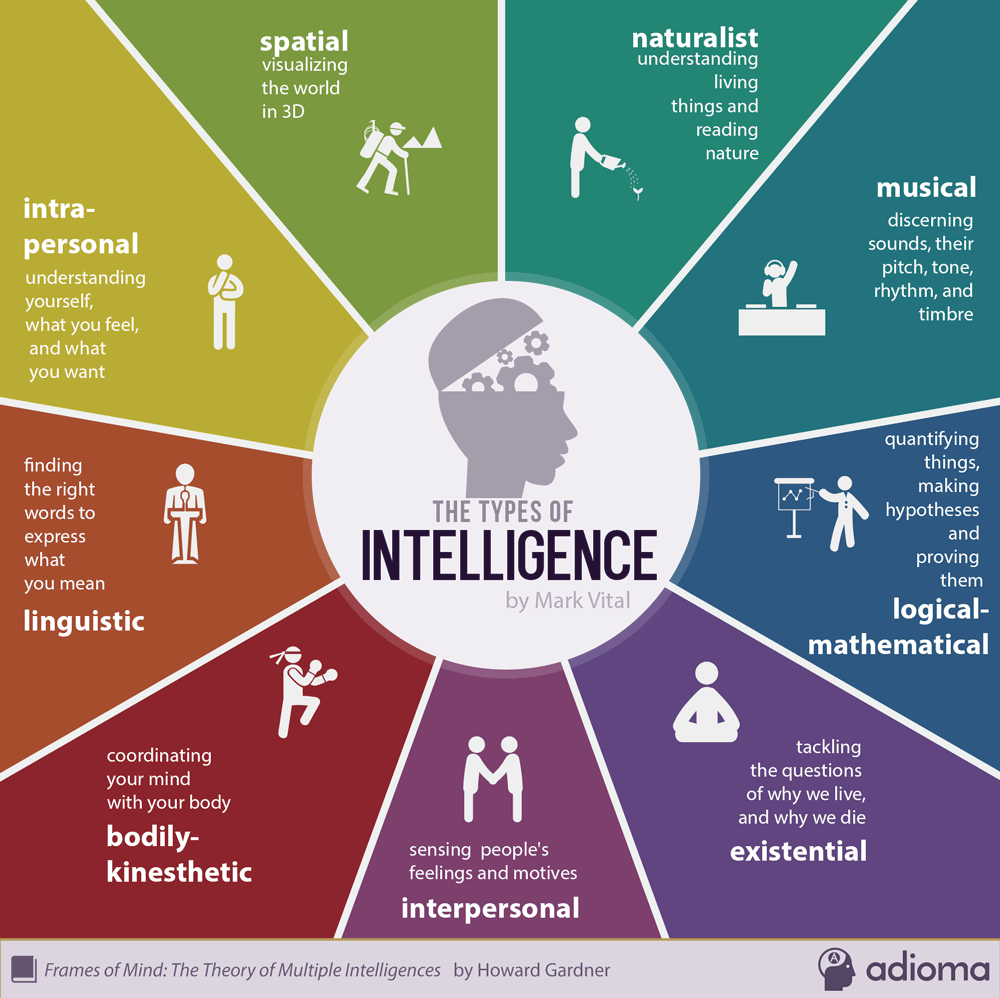
Whether you’re on your first novel, your seventieth short story, or your tenth attempt at nailing flash fiction, we all have a style that suits our particular intelligence. When I use that word, intelligence, I’m not talking IQ scores or any other accepted standardized measure of smarts. I’m talking about the way we each learn and create. Some of us are spacialists. Some of us are naturalists. Some of us are mathematicians. Some of us are socialis–uh…well not ‘socialists’ in the negative way that gets a bad wrap these days…social butterflies? We all have strengths in different areas of “smarts”. (pssst–check out the cool infographic from blog.adioma.com–based on Mark Vital’s work. If you have an extra minute, look through it and see where your head’s at)

HOWEVER, each one of us–and I’m making this assumption because you’re reading a writing blog–are gifted with some level of literary intelligence. Storytelling. Weaving words. Building worlds with letters. So let’s start on that common ground and get to know why plotting out your story, no matter how fly-by-the-seat-of-your-pants-writer you are, will help free up brain space for better writing and save you a literal shit ton of time in editing.

I’m a pantser. I’ve always been that way. It’s a creative deluge in my brain on many days. Hundreds of thousands of words, hundreds of characters, plots galore. ALSO– at least six unfinished nearly full length novels, countless ‘story-starts’ as I call them, and plots that have fizzled simply because the fire burned itself out when it hit the cliff of not having a plan.

If you are on my side of the spectrum, how do we avoid the graveyard of fizzled projects, laying stagnant on our lap tops?

Well, we simply need to learn to buckle down.

OK, OK, COME BACK!

No one shuts off Billy Idol

Jesus, I’m not some pastor dad from a bad 80’s movie, trying to tell you to shut off the Billy Idol and get a real job.

I’m just saying, as we mature as writers we can still have fun, and be responsible (I feel like a “The More You Know”, “after school special” moment coming on) to our stories and characters.

When I say buckle down, I’m thinking more in terms of a roller coaster. The buckles keep you secure while the ride still thrills and delights.

Here’s how I balance out my willy-nilly need to write untethered and the reader’s need to have structure (yes–reader’s need structure…what happens on the roller coaster is fun, but they don’t want to fall to their deaths on the first loop-d-loop)

  1. When you get your idea (character, plot, situation etc): Write the hell out of it. I always think of them as scenes. I imagine situations or characters that play out in my head and I just write without self-editing the movie in my head. this can be a couple of pages, up to even 10-15 pages of material. Once I feel, like this story/character has potential and I want to know more about them, that I want to invest book-length time and effort into them, I then…
A River Sleeps Through It.
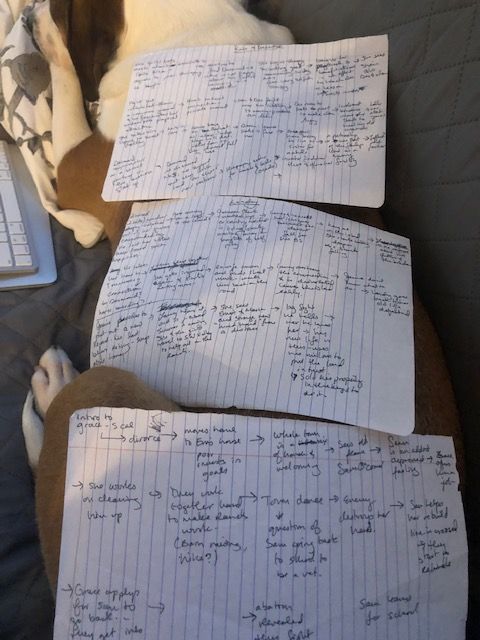
  1. Create a loose story-line. Usually on an informal notebook page, turned sideways. Some people use graphics and spreadsheets. I know myself. If I started doing that it would turn into flashbacks of Anthropological Research Methods and my only C paper…ever… ew, statistics David. That would take all the joy from it for me. Like strapping into a roller coaster with seven belts and having the cart inch along at a safe three-mile-an-hour speed. Don’t fence me in, Excel.
  2. The story line doesn’t have to be crazy detailed. But it should have an act structure. Sure, I could dictate (*snicker* dic-tate) that it be a hard-line three act structure with appropriate crises and resolution points. But some stories require more, (rarely less). If you went through step one above, chances are you have a pretty good idea of at least the beginning and end. You know what your character wants and if they get it or not. The tricky bit is in the center and that brings us to this…
  3. Plotting is important because it will help you get through the doldrums of the middle, where most novels go to die. Having some definite ideas about how crisis points build, where and when they come to a head, and how your character changes afterwards will help you know what to write next to keep the story moving in the right direction. Within that outline, is still a great abundance of wiggle room, so don’t get caught up in specifics when you draft your outline.

Well, I think that that’s all I’m going to torture you with today. You might find, by starting with this simple diagram you feel more comfortable elaborating on it, adding plot points, character transition moments, and secondary or series arcs into it. Good luck out there, pantser. Buckle up, writers. It’s one hell of a ride.

Photo by Dana Cetojevic on Pexels.com