From the “Dictionary of the Strange, Curious, and Lovely”:
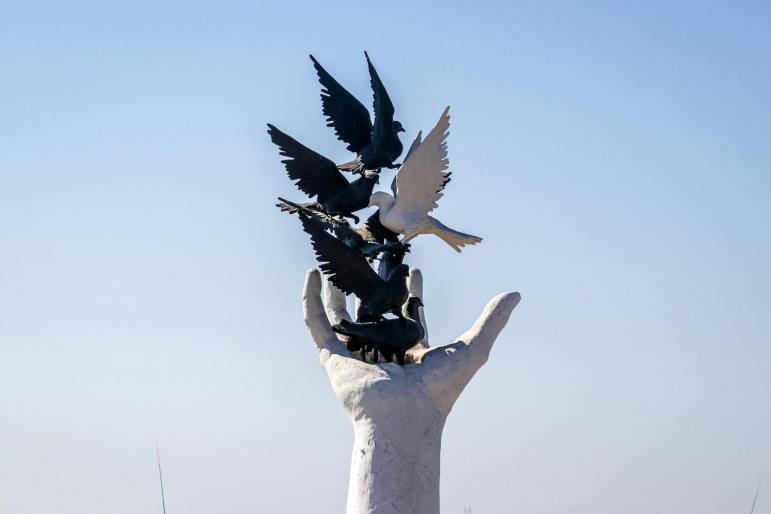
Your word of the month is irenic: promoting peace, conciliatory, peaceful; [from the Greek eirēnē peace] or if you want the Webster’s official: favoring, conducive to, or operating toward peace, moderation, or conciliation
In Greek mythology, Eirene was one of the Horae, the goddesses of the seasons and natural order who in the Iliad are the custodians of the gates of Olympus. According to the Greek poet Hesiod, the Horae were the daughters of Zeus and a Titaness named Themis, and each had a name indicating her function and relation to human life. Eirene (in Greek Eirēnē, meaning “peace”) was the goddess of peace. Her name gave rise to irenic and other peaceable terms including irenics (a theological term for advocacy of Christian unity), and the name Irene.
What do we think of when we consider a move toward peace, or living in such a way that we are constantly striving towards moderation, conciliatory behavior, or striving for a world of working together? It seems like a Herculean task, honestly. We (or perhaps I just mean myself) can tend towards defensive and sometimes offensive behavior when our values, communities, and lives are threatened, and I am often torn between wanting to remain committed to peace, and the understanding that sometimes it is necessary to take a stronger stand to protect others (I even have “the sword doesn’t write poetry and the pen doesn’t win battles” tattooed on my body). But even in that, and thinking of the struggle to stay peaceful I think of the saying ‘fighting for peace, is like fucking for abstinence’. Is that even a saying or did I make it up?
Either way, operating towards peace feels pretty foreign right now, I’m not going to lie. With our country embroiled in a war no one asked for or wanted, and the heartless killing and destruction of another human’s land and people, unlawful imprisonment of human beings, the unchecked and unpunished sexual assault on women and children by people in positions of power, peace seems like a flimsy concept, no more concrete than an ever-changing and quickly dispersing cloud.
So how do we, as single and rather powerless individuals, artists, parents, and conscientious observers work towards a way that embodies an irenic existence?
I’m truly asking.
Because all I can come up with is by keeping our protests strong but peaceful. By not physically harming human life in our quest to find justice (but an unpersoned warehouse of a moral-less, greed-filled capitalist who doesn’t pay their workers a living wage? I didn’t see anyone strike that match, and even if I did, I didn’t). All I can think is that we protect our own, personal peace by staying informed but not being caught up in the mental barrage of over-played and cyclical horrors purposefully fed to us by social media. All I can think is that we cultivate peace, caring, and empathy in our communities and homes. We take care of others, we give our time and resources to those in need, we step away and breathe when anger and ignorance springs up from the comment section. We keep asking ourselves, what’s the good fight? What takes care of the most people? How do we keep the most vulnerable safe and live in such a way that when we step into a room or conversation, any inciting temperature lowers to calm.
How do we do that?
I’m not entirely sure. I guess, by listening, really listening, not just to the words expressed but the feelings that have driven them out into the open. By not taking it as a personal attack, even when it feels that way. (Toddlers lash out the same way a lot of people in comments sections do. If you take those repetitive, brainwashed phrases and replace them with ‘nuh uh’, or ‘my dad could beat up your dad’, you can really see through the façade of righteousness to the insecurity that drives it). By relaying back, “I see that this upsets you, that you are scared and that’s okay. It means you care and there’s something important you fear losing.” Perhaps would open enough space that we could start a conversation. One that cuts through ideologies to the core of our shared humanity. The challenge is in knowing that this proffered olive branch is not always returned by the other side. The idea of rational, thoughtful, genuine empathy is often misconstrued (and brainwashed into the masses) as ‘weakness’.
But we have to try right? I want to believe so. I want to hope that the current, boiling and murky water that we’re treading can be settled and cleared with a commitment to peace. And even if, in our best efforts towards this utopian ideal, we fail, then at least we know we tried…Before we burn it all to the ground and start over.
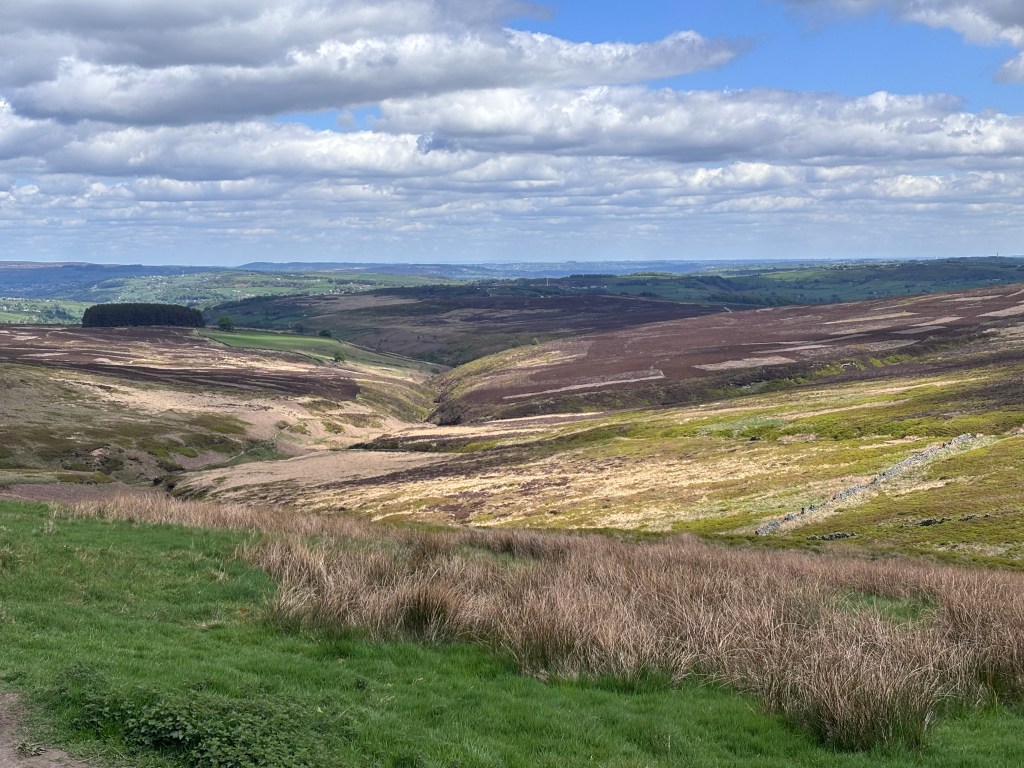
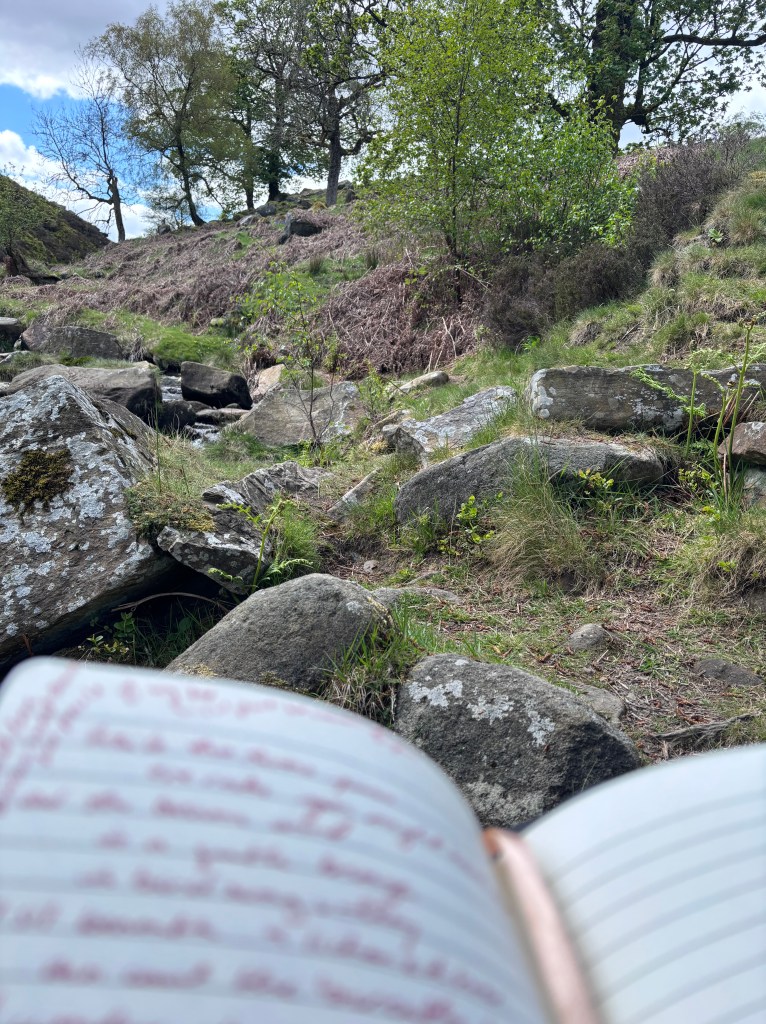
The moors that inspired “Wuthering Heights” Haworth, UK
Hey y’all.
May has been an infamous time for busy lives, end-of-school nonsense, the ramping up of summer plans and trying to get out of the house before the weather is unbearable. This year is no different and here at the house we’re in the midst of a new transition while our oldest kiddo is moving back in to attend Colorado State. After a quick trip over the pond to retrieve her and the 7 checked bags of her life, we’re back and trying to settle into the space in the gentlest way possible. I feel like living with one another is always a delicate balance of feeling safe and supported while also having your own space and independence enough to not drive each other insane.
I’m not sure if we’ll achieve that, but it’s a goal.
Random Shit:
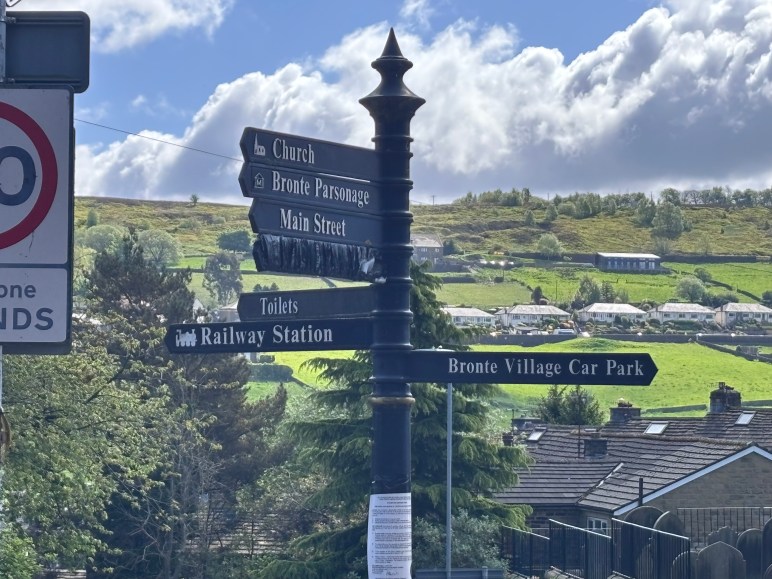
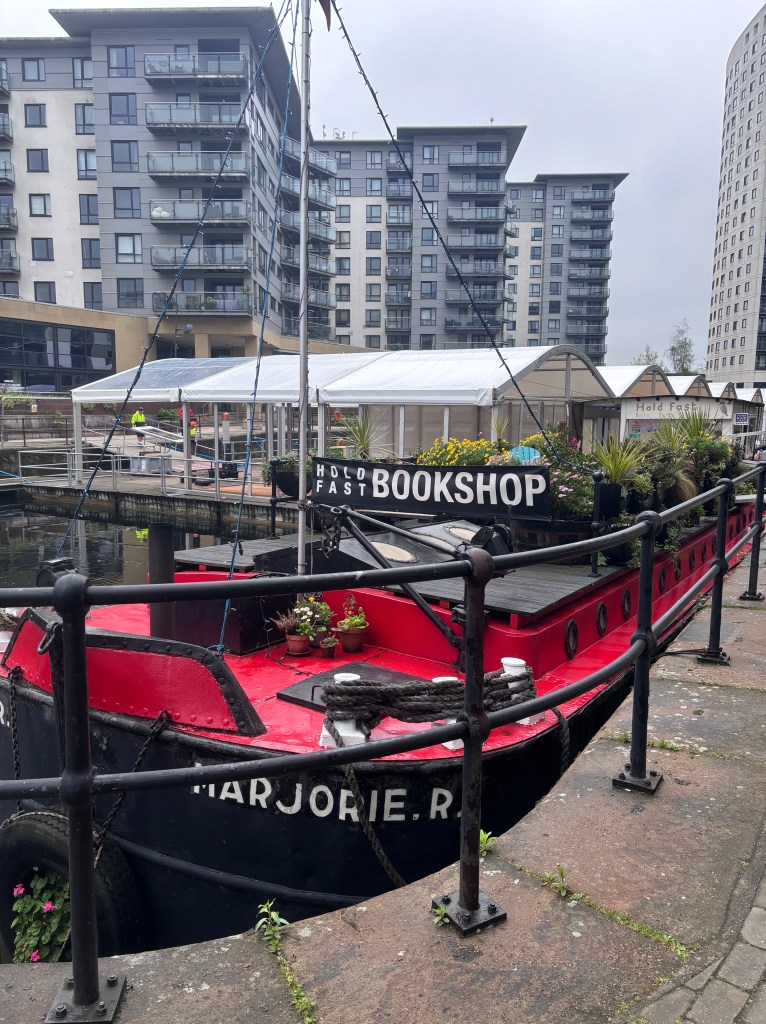
In, non-writing related news, I did pretty damn good on my 10K in the first weekend of May. Even coming in 4th in my mature-lady category. It was a beautiful day and a beautiful race. I’ll probably do it again next year. I had a quick trip to the UK, as I mentioned before, but we packed it full of visiting some fun sites (the above picture is from a 7 mile hike we took from the Brontë Museum in Haworth), including a canal boat book store (more on that later)
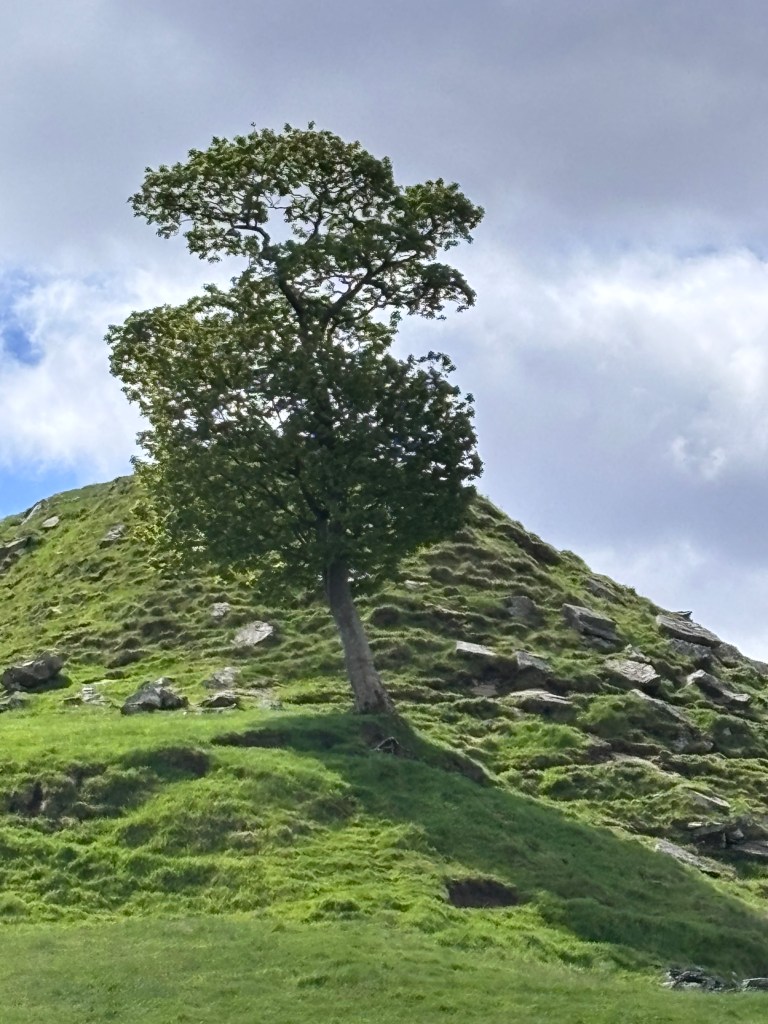
We also took a full day to tour the home of the Bronte sisters (and their damndable brother Branwell). It was a morose but interesting trip through a family’s history that contained both flights of genius and trips into madness. Sickness, early death, and the end of a line of some of the world’s most interesting writers were some of the more sad themes of the day. My kiddo and I took the long hike out to the ruins that inspired Emily’s Wuthering Heights and sat beside the same waterfall she may have penned some of her works. It was fantastical and eerie in all the right ways and it gave my mind a lot of space in those wide-open fields of heather and wind, to think of everything and nothing at once.
What else? Hmm…We’re STILL having our bathroom remodeled. Sort of. We’re now into the sixth week. I’m beginning to lose hope of ever having my own toilet. Sometimes you have luck with a contractor, sometimes you have a Hailey’s contractor…who appears only once every seven years, after tearing up your space to unusable. Given another week, I shall start remodeling it myself at night and lend to the whimsical idea that fairies are doing his work for him.
The grass in our yard is gone and…all the rock is scraped away. The dead and dying bushes have been pulled up and the abhorrent pompous grasses are no more. I love the smell of fresh upturned earth out there and I’m looking forward to the English garden that’s on it’s way and the vegetable boxes being put in. I’m saving as many of the established plants as I can, along with my rhubarb and iris. I have every faith that it’ll get done before my fancy new shitter.
So…all in all…it’s still just fucking chaos. But, I feel like this is the way we progress and survive, by tearing down and building back up again.
Reading:
In reading news, I finished “How We Learn to Be Brave” by Mariann Edgar Budde. I’m still reading “Night Vision: Seeing Ourselves Through Dark Moods” by Mariana Alessandri, and enjoying it. I’ve also started (and nearly finished because I can’t put his shit down) Chuck Wendig’s “The Book of Accidents”. It’s creepy and mysterious and gruesome in all the right ways.
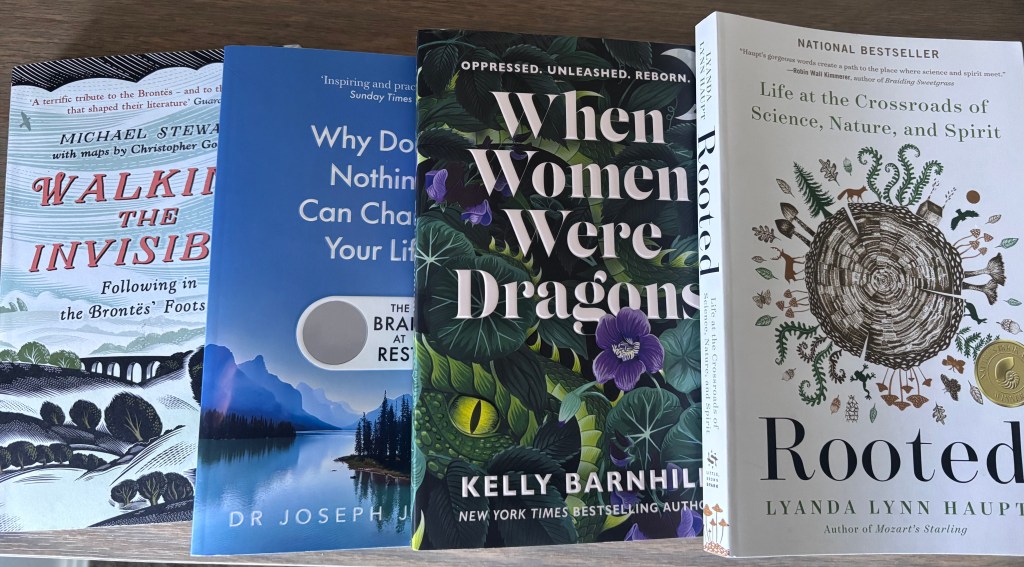
and I did my part to keep it afloat by buying enough books that I had to leave some clothes and an old pair of running shoes behind to haul them back. Here’s some new things I’ll be (or have started) reading:
“Walking the Invisible: Following in the Brontës’ Footsteps” by Michael Stewart. His writing is impeccable and soft. It’s like a beautiful and slow flowing creek to follow his loving descriptions of the lands and moors near Haworth. It’s also a stunning and in depth tribute to the sisters (and fucking Bramwell).
“Why Doing Nothing Can Change Your Life: The Brain at Rest” by Dr. Joseph Jebelli. Once I start reading this one, expect me to start dropping out of my life obligations with wild abandon. Enjoy this newsletter, it could be the last.
“When Women Were Dragons” by Kelly Barnhill. I actually had this one recommended to me a few weeks ago by a dear friend and when I saw it on the shelves, the only copy in that beautiful little boat of books, I took it as a sign that I should bring it home. It looks whimsical with just the right amount of social commentary.
And finally “Rooted: Life at the Crossroads of Science, Nature, and Spirit” by Lyanda Lynn Haupt. I’ve been wanting this book for years. I’m really excited to get started on it soon.
Writing and Editing:
I’m done with the cover request for “Heir to Time” and am just waiting for the options to get back from the publisher. When they do I’ll get you a sneak peek. I hope it will be out in June or July. My publisher has a lot on her plate right now, so we’ll see. When I have that pub date, I’ll start getting some book signings on the calendar and you’ll be the first to know (unless of course, I decide to do nothing and change my life).
I’ve finished the 5 Prince Publishing’s first shared-town anthology novella. My little derelict of a Hallmark failure is currently sitting around 56,700 words so I’m over, but even after two rounds of edits, I’m finding it hard to cut much else. This “sweet” romance is wavering over the line to “spicy”. Because of the parameters of the project, I will have to cut some of the more ‘intimate’ scenes. But, because I don’t want a good sex scene to go to waste, I’ll be offering those annexed chapters on my Substack. Follow me for more details on that. AND if you want to check out my idea board for Eight Nights, you can find it here: 8 Nights in Everpine
After this project is complete, I’ll be taking a little time to get my next series prepped and ready for publication. In a complete 180 of historical fiction (why can’t I find a subgenre and just stick to it? Same reason I have multiple degrees and certifications in different fields, because I don’t think life should be about doing the same thing over and over again) this will be a mythology based urban fantasy, set in the Ornkey Islands north of Scotland and south of Scandinavia. If you like demons and fairies, Valkyries and björns, witches and merfolk… you’re gonna love this one. I already do.
In addition, I’m playing around with a little apocalyptic satire that sprung up whilst I was sitting in a green park near Leeds Beckett, thinking about the formidable knowledge of birds and the equally crippling idiocy of humans. I’m not sure it will go anywhere, but it sure is fun to write in a different genre and style.
I’m keeping up with my submissions (but missed one last week due to…life). Currently I’m at 22. Which has resulted in 18 rejections or no responses, but here we are. I also got a short story accepted with Beyond Words. More on that later.
Events
Wyoming Writers Conference:
I’m still helping out the Wyoming Writers Inc, as a board member. Listen, if you’re in the area, this conference is gonna be pretty damn good. It includes a craft day, and a youth writing event with Todd Fahnestock, that’s super affordable. The rest of the weekend is chocked full of lots of classes, pitches, and workshops. Writing Heights will have a booth with some fun swag and you’ll get to meet a quirky, and welcoming community of writers. I’m telling you it’s worth going. You will get your money’s worth and Casper is a fun little place to visit. Check it out here: Wyoming Writers Inc. Conference.
WHWA Classes: Parent Panel
In May I’m on a panel for writers who are parents. We’ll be talking about what it means to be a creative with limited time and energy and how to survive parenting while still taking care of your creative spirit. We have a dynamite panel with award winning and best-selling authors who have had to deal with toddlerhood, special needs, multiple sons in hockey, and more. Bring your questions and concerns and we’ll bring our honesty. Register here: Parent Panel
Write Ins: I’m hosting a Write-in at Grimm Brothers Brewery in Loveland on May from 5-7pm. It’s a fun little spot with some killer food and drinks. Bring your work and a couple of bucks to throw at a local business.
Quid Novi: In June (30th at 5:30pm), I’ll be presenting for Quid Novi and Writing Heights on the best ways to utilize a writing community, how to find them, what to expect, and how to get the most out of them. We’ll discuss how they can help not just network as a little-known writer, but also give you valuable insights to every part of the process. It takes place in Loveland at the Forge (next to Grimm Brothers Brewery) and there will be authors there selling their books as well. You can register for that here. Quid Novi
WHWA Class: Writing Series
In June, in case I don’t send out another newsletter (because I’ve committed to doing nothing–in which case, will there even be a class? Let’s assume yes), I’ll also be teaching a class on how to write an engaging, consistent series, including how to make each book unique and special and how to tie them all together with a larger over-arching theme. We’ll talk about tools to help with consistency and the dreaded running out of steam half way through. Lots of good stuff. I don’t have the registration yet, but you can visit www.writingheights.com for more info.
Closing:
Every time I look back at the massive length of the newsletter I’m reminded to give myself grace for how tired and overwhelmed I sometimes feel. Yes, packing one’s life full of challenges and experiences is a beautiful way to honor the gift we’ve been given of just existing. But it’s also important to remember that expansion requires moments of cocooning, or contraction. My morning meditation gave me a vision of my heart as this battered, ragged, bandaged thing that still continues to beat, despite its wounds and scars, and how it’s my job to take better care of it, to let it heal, to protect it, so that it can continue to be the center of my capacity for love that affects the world around me.
I hope you’re taking time for yourself and your mental health. I will if you will.
I’m not going to lie, I’ve been a busy bee of late, and I’ve got plenty on my plate to make me feel justified when I rehash an old blog, especially if it still fits with what I’d like to talk about.

This, being May and smack dab in the middle of the Writing Conference Season (I’m not sure if that should be a capitalized title, but it seems like an event so…I’m going with it) I thought it would useful to budding writers out there to go over some conference basics as well as some advice that has really helped me get the most out of them. This also being a totally new era, I’ve added some modifications to reflect our new Zoom/Teams lifestyles (not NEARLY as cool as a Rock n’ Roll lifestyle).

So, let’s get into the meaty goodness of writer’s conferences and why you should strive to attend at least one a year.


How do you choose which one to attend?

•	Firstly, most conferences, at least since the pandemic, have had to switch to some type of online format or perhaps online-in person hybrid to make accommodations for safety. So, the good news is, you may not have to shell out so much for travel expenses as they can be taken from the comfort of your home. Bad news is that you’ll still be at home and all the challenges that can go along with it. I’ll touch more on that later on.

•	If you are anything like me, you’re wealthy in creativity but strapped for cash. One of the biggest deciding factors, for me, is the cost of the conference, along with which classes, speakers, and agents will be there. Getting to pitch to an agent, or multiple agents for publishers specific to your genre is a boon. Classes that are not just interesting but will help expand your craft are also good factors to consider.

•	Some conferences are genre specific and if you are a comfort-hugging archetype who doesn’t flirt around outside your style and subject matter, then definitely consider something specifically geared to your genre. The Romance Writers of America used to host in fun and far-off lands like…San Diego and…New York City…*le sigh* Genre specific conferences are awesome if you’re looking to polish skills or start out in a new genre that you don’t normally write in. Don’t be afraid to flirt a bit (outside of your genre, that is *wink)

•	If you’re stuck deciding between two, look at the courses offered, the speakers presenting, and if they are offering pitch sessions, especially agents suited to your work. Pick the one that gives you the most opportunity for growth and stretches your creative and ambitious goals.

How do I get the most out of my conference?

•	Here’s what I’ve learned. Plan ahead but be flexible.

Conferences don’t just start the minute you pin that snazzy name badge on your seldom-used dress clothes (or, via online conferences, log in with only dress clothes on your upper half). They start the year before, during writing when you self-reflect on the issues you have with your WIP, your style, your grammar, or even the steps you want to take next. If you have trouble with dialogue but are a whiz at plotting out the perfect story arc, then use your conference to build up your weak points. Even if it means stepping out of your comfort zone. Which leads me to my next point:

•	Sit it on at least one session that is outside of your genre, comfort zone, or even interest.

Look, conferences can be amazing experiences but if you’ve been through sixteen hours of various takes on the query letter or trying to perfect your memoir pitches, you’re not growing as much as you could be. Why do athletes cross train? Why does an engineering major still have to take social science classes? Because learning about the realm outside yourself will make you better in all aspects of your work. Try a sci-fi world-building class or screenwriting. I guarantee, you will get something new out of it that will help your project and your craft.

•	Push your limits.

Talk to people you wouldn’t normally, share your story, your success, and your pitfalls. This is an awesome opportunity (I’m talking to you little introvert) to commiserate, vent, and rejoice in the craft you love so much. Pitch your novel, article, or story. Talk to the larger-than-life keynote speaker (here’s a hint: every single one of them I’ve had the pleasure to meet has been the kindest, most down-to-Earth and supportive writer). Come away feeling like the weekend/day was an experience that has changed you in some fundamental way.

How do I not get overwhelmed?

•	For goddess’ sake, take a break in the midst of it all. I’m the worst at this. I’m a classic victim of; “I paid the money and I’m going to hit every single class. I will volunteer, pitch, hit up the speakers at the dinner table, and stuff every bit of information into my head until explodes!” Then by day two, nothing makes sense in my mind, words are blurry, I’m not sure what my name is, and I’m crying into a self-made mashed-potato tower, while wearing Underoos on my head that clearly are not my own.

Take the breaks between sessions or even forgo a session and find a quiet corner or go for a walk outside. You need it to recharge, allow time to absorb the information and be refreshed for the next round. This is especially true for online conferences! Take the computer to different rooms (if they’re still quiet) or outside if available, take walks in between sessions, take eye and body breaks (look far off for a spell, or ‘rest’ your eyes away from the screen, get up and stretch as often as available). Its’ almost like interval training—the space between, the recovery is what sets you up for the next round, so take it.


•	If you are pitching to an agent or editor, polish the shit out of that thing beforehand. Take your pitch to your critique group, your friends, random people on the street before the conference and learn how to deliver it with confidence and clarity. Know your story, your characters, and your plot, inside and out. That first page should sing the sweetest siren’s song anyone has ever heart and lure the tepid agent from the afternoon lunch lull into something exciting they want to read more of. The more you practice your pitch, the more it will feel like a conversation with a good friend instead of an interview.

•	If you are pitching, don’t be intimidated by the agent or editor. Remember they are people. They are there, specifically, to talk to you. To hear your story. To find the next big thing. Most of them are also just like you…they may even be wearing Underoos and like mashed potatoes. The point is, it’s okay to be nervous, but don’t go in assuming they relish the idea of shooting you down. Be polite and always thank them for their time and any advice they have to give.

•	Sleep before. Sleep after. Eat nutritious food, take walks outside whenever you can, and watch the caffeine and the booze. Free coffee stations are like crack for me (or conversely at home for online conferences—having my own espresso machine) and cash bars are a tempting mistress at the end of a long, people-filled day. But you’ll have things to do the next day and Underoos will stay safely tucked in if you can avoid that third cocktail.

To conclude, I’d like to share one of the best lessons I’ve learned from conferences.

For every conference I attend, I add a layer to the writer in me. That is to say, through the people I meet, the classes I take, and the lectures I attend, I learn more about the craft. How, and when, and why, and what and all the technical attributes that come along with the delicate balance of creativity and grammatical science. But more than just the sum of these limitless parts, I learn a greater whole.

The whole that is me as a writer.

And in doing so, I’ve learned how to enjoy myself more at these kinds of functions by listening to my body, my brain, and my growing years of experience.

Back in the day, I would be hand-cramping from the steady stream of notes at each session. I would be tumbling from one to the next, chugging down coffee between in hopes to keep my energy up so I wouldn’t miss a thing. I would strategically place myself at the agent’s table who I wanted to garner the literary affections of. I would, in essence, be the adult version of my grade-school brown-nosing self.

Something happened one year, while at the meet and greet “networking” event. I found myself long past my emotional and mental boundary and crossing all lines of my introvert nature, to garner the attention of at least a few more experts in the field. I was mentally exhausted, untethered and I felt like I was on emotionally shaky ground. I realized after a long day of learning and being ‘on’ that I didn’t want to be there.

I didn’t understand my limits or that honoring them was at the core to being successful at a conference (and let’s face it, in life)

I thought I could talk it all day, learn it all day, do it all day. Nerding on a pro-level is a quintessential part of who I am. I loved hearing about other projects much more than I like talking about my own and reveled in the creativity and ingenuity of my fellow conference goers.

But…the more stories I heard, the more classes I took, the more advice I tried to apply—the less sure I became of my ability. The more tired I got, the more flustered I became, the wearier my mind, the less information I could process.

Until everything was just noise and words.

Then I learned a secret.

You don’t have to throw yourself under a bus to catch it.

Knowing your limits is not just useful in this particular scene. Knowing your limits is useful for all humans. And it comes with age and the ability to let go of unrealistic expectations.

During a few of my sessions, even as I listened to the speaker, I listened to myself. If I was inspired to write; I let myself write.

If the iron was hot, I struck while in the moment, abandoning the mad scribble of notes.

Did I miss a little of the presentations? Sure, but in the midst of other brilliant minds and the energy they impart, in the middle of shutting out the rest of the world, the heart and brain start to do this funny little dance and learn to play again.

Inspiration doesn’t always happen at the opportune times. You have to write when the words are ready and when the heart is open. Conferences have given my heart a doorway, an acceptance into writing what often builds up behind all my carefully constructed walls.

In years past, I’ve forced myself to jump the hurdles of social interaction and witty conversation until late hours, when all I really wanted was to wander off to a quiet room and take a nap.

I had to make it OK for myself to listen to that want, in order to get the most out of my time at conferences. These events open pathways, but only when we’re not too busy to see them. If we are embroiled in getting the most out of every single planned moment of the time, then we may miss the real lesson.

Creativity is like a river and if you fully submerged you’ll easily drown. You’ll miss the beauty of the ride, the view, and the sounds.

So, know yourself, Writer. Do the things that you know work for you. Let the river of creativity, carry you, but always leave yourself plenty of breathing room to be inspired.
Hey y’all. I’ve been participating in National Poetry Month with a challenge through Writing Heights. And let me tell you, nothing humbles you more than being in the presence of such amazingly talented poets (especially when they all decry their lack of talent). We didn’t have any gentleman join us in the challenge, and I will say that I think the supportive structure of mature women in a safe environment really gave birth to vibrant and visceral work. It reminds me how powerful women are. How intelligent. How kind. How empathetic. Am I saying that men are not these things? No. I’m saying that for too long women in this weird patriarchal, capitalist, christian nationalist environment have been silenced, reduced to objects, and vilified for expressing themselves. It is grounding to know, despite the illusions spread to keep them subservient, women are in fact the creators.
That was a long intro to these poems. One, from a prompt this month. One I wrote as an exercise. Neither edited much. Enjoy, and if you were insulted by the previous paragraph…stop reading my blog.
I am sitting at home, on the south side of a once-small Colorado town I used to hear crickets, but now there are sirens The dog snores, unbothered, and my wristwatch patiently counts seconds I no longer own I can see the faint glow, of a nightlight down the hall
I used to hear crickets, but now there are only sirens There is a coldness where a warm love used to lie, beside me, tucked away I can see the faint glow of a nightlight down the hall Time has taken the children from the rooms, but I keep them plugged in
There is a coldness, where a warm love used to lie And I feel it, tucking away from me, lonely and quiet Time has taken the children from the rooms, but I keep them plugged in I’ll never sleep the way I used to, when I knew we were all safe
And I feel it, over and over, love tucking away from me lonely and quiet The dog snores unbothered, and the wristwatch ticks away the seconds I no longer own I’ll never sleep the way I used to, when they were down the hall I am sitting, up in bed, once a home, on the lonely side of a once-small Colorado town.
tom-boy rough and tumble the feral ruler of broken-down neighborhoods in dying mining towns knew no gender just the horsepower of my skinned-kneed legs and the unfettered mane more wild adherent to herd than human girl or boy wind-tossed and unmanageable out in sunlit days with any able-bodied child my height who could keep up invent dragons and build castles in trees uncategorized, unencumbered by expectations of bows or army men dolls or trucks why not both? why not all? aren’t our hearts really just wildings? in the beginning we were all unfettered dragons, able-bodied castles nurturing friends and fauna in trees alike we were all ‘them’
When thinking of what to write this week, I waffled between poetry and writing advice, or perhaps I could delve into philosophy. The possibilities were really endless. But then I thought, why not simplify it. Down to a word. So kids, today we’re going to learn a new word (well it was new to me, I hope its new to you) and really think about its meaning and how we can use it.
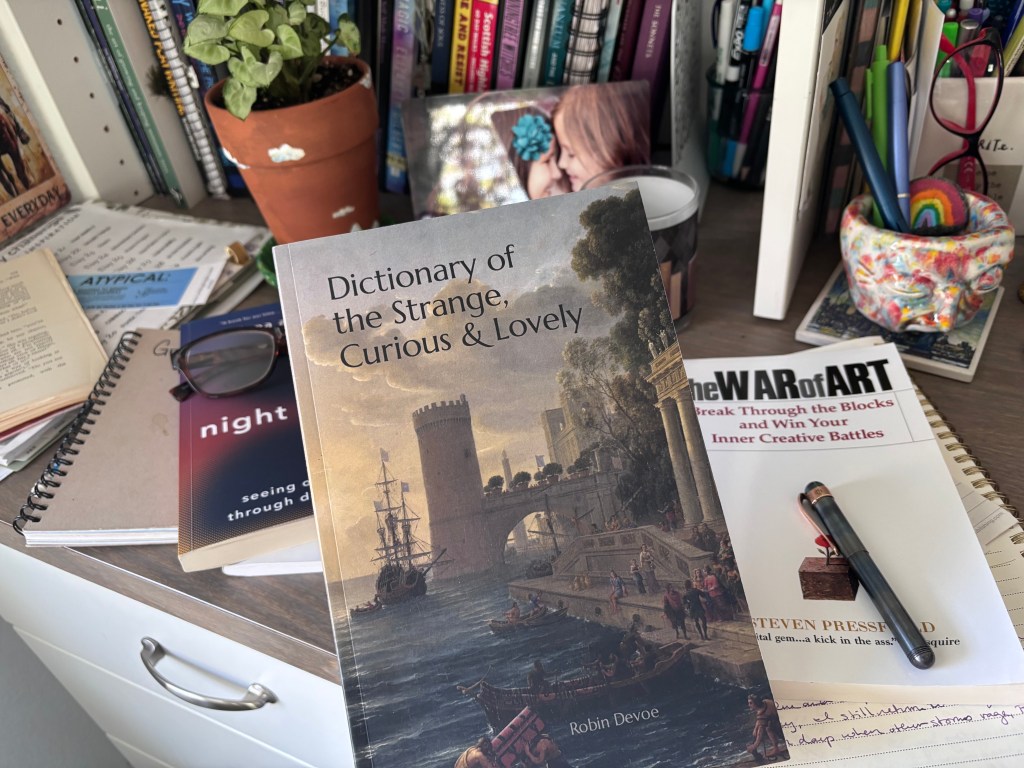
From this lovely book, I opened a random page and picked the first word my eyes landed on. (P.S. if you’re a poet, writer, or just a vocabulary aficionado please check it out: Dictionary of the Strange, Curious & Lovely)
yes, my desk really is this chaotic most of the time
Mumpsimus: A view stubbornly clung to even after shown to be wrong; one holding such a view; [from a historical blunder for Latin sumpsimus (we have received)]
I thought this was such a timely word and something that seems incredibly relevant today. But let’s break it down a little.
This word first appeared around 1520-30 when a Catholic priest accidentally used mumpsimus instead of sumpsimus (to take) and refused to admit his mistake and change the word when confronted with the correct one. This process of near-homophony has other literary variants, from mondegreen to malapropism (you’ve probably heard that one before), and earslip. But the key to this is the refusal to admit to the mistake when confronted with the correct use.
I can’t be the only one who has known a person who has done this. Made a mistake and rather than correcting themselves when prompted, did not want to risk his fragile ego. As a result the word or action becomes commonplace, although wrong and misused. All because he could not own to the mistake and correct himself. It has been a common practice in my black belt training, when a higher-ego mistakes a technique and rather than correcting himself, changes the entire technique and makes everyone relearn it to the ‘corrected’ version simply because saying “You’re right, sorry, I messed up” would, I assume he thinks, make him look stupid, rather than human.
On a grander scale, the idea of recognizing and admitting a mistake from our public officials and those launching into a useless war, practice this on the daily. Misconstruing mistakes into ‘new truths’ that, they believe, if are offered repeatedly (and loudly) will become actual truths. It’s the job of a well-informed, well-read society to catch these mistakes and make them known. If nothing else, to not adopt the false truths, just because some guy at a pulpit or podium proclaims them to be true. Keep practicing the correct technique to make sure you don’t skew or ruin the concept beneath it. You don’t want your truths or your techniques to not work when they are most needed, after all.
This word, mumpsimus, can also be applied to accepted beliefs or views that are proven wrong by scientific, socially studied, and tested facts. The world was once believed to be flat. This was proven to not be true by centuries of studies and scientific testing. To continue to believe the world is flat, because someone on a podcast theorizes it, is a mumpimus belief. And it makes you look stupid. Because believing things that have been proved to be incorrect makes you stupid. Vaccines don’t work. Gayness can be prayed away. Women are naturally nurturing and weak. Men don’t cry. All of these erroneous concepts, I believe, are kept close to heart (but loud on social media posts) when people are afraid to admit that they have been wrong. They double down on their hatred and stupidity, hoping that the fervor in their convictions will somehow make them true.
But it doesn’t.
So, now you know. Mumpsimus. Don’t be one. Don’t have beliefs based on them. Call them out when you see them. And send me some of your favorite malapropisms.
Did you know there are 5 weeks in April? So I had a little dilemma. Do I put out my hated newsletter this week or next? I decided to get it over with. That way I can bore and/or torture you in different ways for the next two weeks of this Spring-y month.
How are you? How are things? Been practicing your Nuclear War drills under the desk? Watching him unravel at press conferences and drone endlessly about golden drapes? What a fuckin’ circus, huh? I will say, there is a glimmer of hope, after the recent events in Hungary, and as small eruptions of resistance to the madness continue to grow. Any light in the dark will do, when the dark has lasted for this long.
Random Shit:
In, non-writing related news, I’ve been trying to recover from falling on my ass while simultaneously trying to train for my 10K in May. The decent news is that I didn’t break it (its already cracked…badum-bum-ching!) the sad news is it increased my mile time by three minutes. But whatever. I’m not young. I’m lucky to be able to move at all. Let’s see…it was kind of a weird heath month even before the fall. Colonoscopy, check. Pancreatic cyst MRI, check. Yearly physical, check…my hope is by doing all the preventative stuff, I won’t need to do so much later down the road.
What else? Hmm…We’re having our bathroom remodeled. Sort of. Actually it’s been torn up for about two weeks with no progress in sight. So, we’re all sharing one bathroom. And it feels cozy, and slightly annoying. But also, a lesson in how lucky we are to have a bathroom and running water, yes? Yes. In the realm of deconstruction, we’re also tearing out our grass this year in favor of something more useful. Drought resistant, pollinator friendly, vegetable garden, and the hope to conserve what little water is left in Colorado in as much as we can.
So…all in all…it’s just been fucking chaos. But, I feel like this is the way we progress and survive, by tearing down and building back up again.
Reading:
In reading news, I’m finishing up “How We Learn to Be Brave” by Mariann Edgar Budde. I’m really getting into “Night Vision: Seeing Ourselves Through Dark Moods” by Mariana Alessandri. The philosophical reasonings she has, as well as a nod to the fact that the white-male dominated field of philosophy, for years, has been missing out on 80% of human perspective, are a breath of fresh air honestly. I am resonating with the dissonance of having a world that sets the norm as “happy and bright” alienating and missing the importance of these darker, more morose periods we all encounter.
For a bit of something light, I’m reading my good friend Megan Crawford’s book “Dozen Dates“. It’s pretty good and a nice escape. Though I will say, it doesn’t make me want to ever date again. Single folks, seriously, how do you even begin, and once you do, how do you still want to continue. Maybe I’m too old for ‘young people’ romance. All that aside, it’s a great book and I’ll be reviewing it as I’m done.
Writing and Editing:
I’m done with my final round of edits for “Heir to Time”, and thank the great mystery of the universe for that. Now all that remains is the cover design, proofreading and it will be out. Due to the unforeseen and difficult Fall, I’m planning to have a larger book signing (or a couple) for the entire series sometime this summer. I’m in talks with some local bookstores and our local tea house here in Fort Collins. It was a fun series to write, but I’d be lying if I said I wish it would have lasted longer.
Onward and upward.
I’m chugging away at 5 Prince Publishing’s first shared-town anthology due out in the 2026 holiday season. My little derelict of a Hallmark failure is currently sitting around 48,000 words so I’m on track to finish it on time with a few weeks of editing to spare. I thought I’d have a hard time even hitting 50,000, but per usual, I have overwritten this little novella. I can’t help it, shennanegans, banter, and spicy scenes in wood shops just manifested and now this “sweet” romance is wavering over the line to “spicy”. Because of the parameters of the project, I will have to cut some of the more ‘intimate’ scenes. But, because I don’t want a good sex scene to got to waste, I’ll be offering those annexed chapters on my Substack. Follow me for more details on that. AND if you want to check out my idea board for Eight Nights, you can find it here: 8 Nights in Everpine
After this project is complete, I’ll be taking a little time to get my next series prepped and ready for publication. In a complete 180 of historical fiction (why can’t I find a subgenre and just stick to it? Same reason I have multiple degrees and certifications in different fields, because I don’t think life should be about doing the same thing over and over again) this will be a mythology based urban fantasy, set in the Ornkey Islands north of Scotland and south of Scandinavia. If you like demons and fairies, valkyries and björns, witches and merfolk… you’re gonna love this one. I already do.
I’m keeping up with my submissions. Currently I’m at 19. Which has resulted in 17 rejections or no responses, but here we are.
I’m also keeping up with Writing Heights’ Poetry Month Challenge, with a poem a day. Some of them are pretty good. Some of them are defiantly bad. But at the end of the 30 days at least I will have some new material and maybe even a better understanding of my soul.
Events
I had such a lovely time participating in the Fort Collins BookFest last weekend. I had a great panel on Romance with two other amazing authors (check them out here: Jenny Elder Moke and Chelsea Pennington) And the fun continues this next weekend with readings by local authors, poets, and pros in the field. Please take the time to support this wonderful event so that it can continue on for years to come. You can find the full schedule here: FoCo Book Fest.
Finally, if you’re in the area on Friday, April 24th) from 5-7pm, I’ll be at DC Oakes Brewhouse in Fort Collins, hosting a write in with some folks from WHWA. You don’t have to be a member to stop on by and work on your writing, poetry, or anything that needs a little focused time.
Well, that’s about all I have. I’m still helping out the Wyoming Writers Inc, as a board member to put together a killer conference in Casper Wyoming in June. There are so many classes and pitches, and workshops happening in this weekend, I’m telling you it’s worth going. You will get your money’s worth and Casper is a fun little place to visit. Some great hiking trails, and a warm and welcoming community. Check it out here: Wyoming Writers Inc. Conference.
Crying out loud. That was a lot. Life’s a lot. I hope you’re taking time for yourself and your mental health. I will if you will.
I’ve been thinking a lot about pain lately. I fell, earlier this week. Hard. Like too hard for a 46 year old who already had problems with her lower back. Hard like my soul left my body for a few seconds and I had to reorient my brain to the five foot change in altitude I took within seconds. Like I immediately wondered if my dog would know to go home and get help or if she’d just cross the street to the goose-poop strewn park to get her fill of the foul treats. Like I knew my 10k race plans were blown to hell within seconds, after months of training.
I made it home. I iced my tailbone. I wrote the doctor to tell them I’d been an unusually brutal dumbass and should I be concerned. Not peeing blood and nothing was numb so… it was a wait and squirm day of trying to manage pain and try not to think too much about what this damage will feel like in the next twenty years. But being in pain, less now than yesterday has also made me think about discomfort. And how we, as humans, seem to do anything in the world we can to avoid it. We live in a culture that fears death and pain and hides from it. But it doesn’t stop us from experiencing it. It can be the loss of a loved one. It can be in the form of disappointment or rejection. It can simply be in the form of everything, in our lives and around us being subjected to inevitable change.
And my how things are changing these days, aren’t they? The advent of technology that is quickly superseding our ability to control it. Threats of nuclear and world wide warfare, on the daily. The rise and fall of our stock market, admittedly a irrational and imaginary play of numbers that dictates the cost of our continued living. Never knowing what next ridiculous, volatile, dementia-riddled thing will come out of his mouth next. Not knowing if our kid’s meningitis vaccine will be covered or trying to combine your pancreatic shadow MRI with your possible coccyx breakage scan so you won’t risk angering the insurance gods… We’re in a constant state of discomfort. And the prevailing consensus is this is not normal.
I had a lovely breakfast with one of my only favorite humans (one of maybe 7 in my life) and we could only shake our heads over greasy-spoon diner coffee at what the solution could be. What do we DO in these upheaved states of matter? What CAN we do? The answer was as nebulous and unshaped as the over-easy eggs on our plates. Where does an artist, a philosopher, an intellectual, an absurdist do when the world becomes a dark, stupid, unthoughtful, ridiculous mass of chaos? No one is listening. No one is reading. No one is thinking. That’s how we ended up here. No one was paying attention. They were face down in screens and algorithms, creating universes out of their own system-fed narcissistic tendencies to equate worth and purpose and meaning with views and likes… and the resulting discomfort begs for relief. For us to DO something.
So, what actions can we cling to, to not be lost in the madness ourselves? I could only offer the lame simplicity; we keep writing. We keep loving each other. We keep finding reasons to laugh. We keep telling our unread truths. We adopt street dogs and write bad poetry. We postulate dreams of buying a cabin in the woods and fly the bird at the world on our way out of society. But ultimately? We learn to sit in the discomfort, and rather than be embittered by it, let it make us softer. More artistic, more loving, more silly. We embrace fully the stupid human condition that is both finite and extinguishable. We embrace the mess we are. We embrace each other. Because what else can be done? The end will come, pain and discomfort will find us. We will lose the ones we love. We’ll be lost ourselves. Our words may never find pages or readers. Our thoughts might die on our aging laptops. But for now, in this breath, across this table, in this ever-present radiating pain from my backside, we’re alive. And being consciously alive, especially in pain and discomfort centers us in the beautiful now. That’s all we really have. Warts and all, the beautiful, irreplaceable now is an unprecedented cosmic accident that may never happen again.
So breathe it in. Have one more cup of coffee, and linger a little while. Be in the moment, with who you love. I can’t predict what the coming months will bring. But I do know, I have enough heart to live in all of its discomfort, and still embrace the wonder of it all.
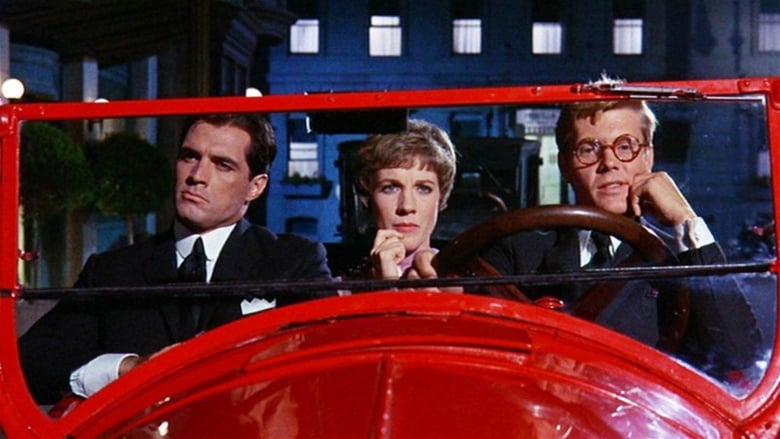
Disappointed I can’t find an image of the scene when John Gavin shouts this line while fumbling with a live chicken and coming out of a tranquilized haze.Apparently, the internet DOES NOT have everything.
I’m not immune to the fact that this blog has tripped around in the dark a bit lately. Let’s be honest, all of us are probably tripping in the dark. We’re in unprecedented times, facing stresses and noise that we’ve never dealt with before. It’s easy, in the dissonance, to lose our path.
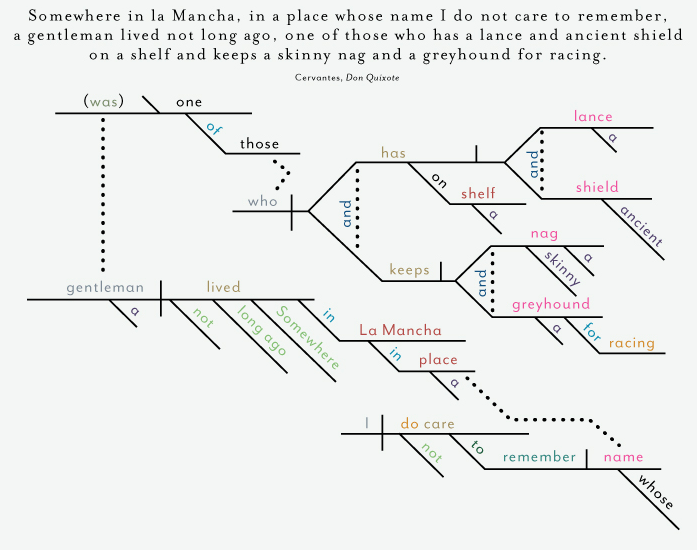
So for the next three to four months, the first week of the month, I’ll be getting organized and coming back to a series I ran a few years back called the Beautiful Writer’s Workshop. I’ll probably skip around a bit, everything from how to submit your work to how to organize your series. No, I’m not going to make you deconstruct your sentences into diagrams, circling your subject, double scoring your gerunds, slashing through your adverbs (or will I? Could be a fun practice in the lost art of sentence diagramming AND tortuous. I’m a girl who likes it a little rough).
For the love of all that is good and holy…
I’ll be re-blogging in line with issues I’m seeing my students face, and those I’m facing myself. For as many classes as I’ve taken on any number of writing related topics, I always seem to glean something new. Hopefully these little once-a-month writing lessons can help you too. If you have specific issue you’ve been fighting with, contact me and I’ll try to run a post about it.
That’s not to say I won’t occasionally throw in a “stop being assholes to each other” rant. I like to keep it exciting after all.
It’s been a while since we dabbled in the lighter word count and heavier hand of poetry so I thought…why not start there? Especially since this is the first week of National Poetry Month.
(Hold on to your asses, she’s about to ADULT over here!)
Poetry used to be the sole conveyer of great stories, epic tales, and the meat and potatoes of religious creed. The first believed poem, author unknown, was called The Epic of Gilgamesh. Besides this epic, there was Rig Vedas of Hinduism, and The Song of The Harper from Egypt. Centuries before we first heard a Greek throw down an ode to an urn, people were writing poems.
Poetry was borne in the heart of burgeoning cultures and empires. As we move west across the world, we have The Iliad, Beowulf, 154 shout outs to Will Shakespeare’s best girl(s) (and possibly boys?), and eventually, on to the new world with works like The Song of Hiawatha.
From these epic and structured beginnings, poetry has evolved and moved, like a river around obstacles, constant but ever-changing. One of the reasons I love poetry is its ability to capture the heartbeat of time-periods through the use of its language and form, as well as the ideas that it holds.
Poetry records history. From the simplest nursery rhymes (“Mary, Mary Quite Contrary” was actually based on Queen Mary I, aka Bloody Mary, who tortured and killed hundreds of protestants. Silver Bells and Cockle Shells aren’t perennials, they’re torture devices.) to Walt Whitman’s descriptions of the horror and decimation from America’s Civil War (“O Captain, My Captain” was written about the assassination of Lincoln just before the close of the ‘storm’ of war) poetry is a powerful conveyer of humankind’s journey through time.
Poetry connects. It’s visceral and often uncomfortable. It paints pictures with the deepest hues of language. Poetry is vital to song writing, memory retention, and a host of other deep-seated neural mechanisms humans use to survive. (the ABC song, “Thirty days hath September…”, “I before E except after C–and about a dozen other exceptions because the English language is a bastardized torture device for anyone learning it”)
So how do you write a poem?
Well, that’s the beautiful thing. We are no longer shackled to the 15 line iambic pentameter, nor are we beholden to ends that rhyme. Poetry can be written in just about any form you can conceive. You can write it, you can rap it (rap=rhythm and poetry), you can sing it, you can paint it across a street in bold letters. There are no rules but one.
Poetry should be true to your soul.
It should never be half-way. It should fling open the shutters of your close-held heart and expose it to the light. Poetry should reflect the thoughts and the feelings, the commiseration and worry, the anger and peace, the joy or the sadness that fills your head and your community. The simplicity of a world rarely observed in detail. The shadows of what lingers in the memory of scents and phrases. The ignored, buried, and burned histories of forgotten and enslaved peoples.
When I think of poetry, I think of catharsis and a means to work through big and hard emotions (a girl’s favorite kind?) I think of finding meaning and perspective, shrinking down the large imposing impossibilities to moments I can do something with. To feelings I can direct towards change. I think of telling the truth, especially when it’s hard. I think of informing the world of a voice and perspective that once was silenced.
To write a poem is to be truthful about what hurts most in that moment. And what survives through the grit of human spirit.
I’m sure you can guess this week’s exercise. Write some poetry. In any form you want. Send it to me, let me know if you want it to have a little spot here on The Beautiful Stuff, or if you rather just share it with another soul. I don’t have a preference for form or length. Just get to the darkness, poke around in there, tickle the tender underbelly of what drives your biggest emotions and tug it out into the light.
If you’re looking for a group to join and a community to support you through the month with a light-hearted challenge, check out Writing Heights Writers Association Poetry Challenge (30 prompts, 30 days, Discord server check in, and a month free membership with WHWA: email newsletter@writingheights.com for more info, it’s okay to get a late start)
The week has been a full one with meetings and interviews, all manner of busy-making to keep myself…accountable? Distracted? In a false sense of purpose? Sometimes, in eras of encroaching depression, I find that making myself go through the motions is akin to treading water in the middle of the ocean. I’m not really getting anywhere, but I’m not sinking under either. All that to say, here’s some poetry. About quietness. And how loud it really can be.
In Quiet
the world is less complicated without the obligation of you
it is simple now in droning waves of sunshine and isn't that better?
no need to perk my ears to your words
no longer worrying my lips over where yours are residing
life is simpler here it's quiet like a ragged street in a forgotten city
trash caught in dead weeds and chainlink
its quiet like burnt olive carpet in funeral homes
ghosts of lilies blooming to fade in grief it's quiet
like a room with no children and a meadow with no breeze
silent like a catacomb stale and cold communion with death



 Sarah Reichert Author