Writing to Frighten: The Art of Suspense and Tension

Photo by Monstera on Pexels.com

Good morning, writer. As we approach Samhain and the dark, twisty corners of the season I thought it would be a great time to bring up suspense in your writing. I’m not a horror writer and I’m not going to pretend to be just to fit in to the theme of the month but I do believe that being able to create suspense in any genre is key to keeping your readers engaged and turning the pages.

Suspense can help build emotion in your reader up to your critical moments of change (the top of your acts–the big doors–crisis of faith moments—etc.) And that helps them become more invested in your character and the outcome of the scene. Because it’s been awhile, I’m going to give you a good-ol’ bullet list. Everybody likes a bullet list. Here are some top tips to factor in while working the element of suspense into your novel/Work-In-Progress. Keep in mind, these are general so they can be applied to most genres, but within each tip, there are a hundred different directions you can go–from the benign to the macabre.

  • Tap Into Universal Fears: We all have some pretty basic fears that drive us. They are usually based in survival. Fear of death, loss of child/loved one, fear of physical pain, starvation, exposure–anything that can take away the basic needs for survival. Fear of the unknown–can mean anything from not knowing what’s making that bumping noise in the closet, to not have existential knowledge of where you’ll end up after death. Fear of emotional pain, fear of social stigma. We’re scared little apes, so there’s an endless well to tap into here.
  • Create the Right Atmosphere: Depending on your genre and the style you like to write in, you could use your scenes to strike psychological terror (inner thoughts, rampant and illogical emotions, mind-games, gaslighting, etc) physical/gross terror (think limbs stripped of their muscle fibers, blood spurting, eyeballs popped out, or any other gory, pain-inducing action), or subtle/unseen terror (the ever present feeling of dread–small sounds getting closer, lights flickering down long hallways, those two notes on the piano when Jaws was nearby)
  • Make The Stakes High: It’s not going to ruffle your readers feathers if your character meets the friendly neighborhood cat at night if they love cats and brought yum-yums to share. Make it ten mange-riddled cats with broken, sharp teeth, stalking down a feline-hater, from all directions on a deserted city street and then you have a show. Losing a job sucks–but make it the job with the benefits that her sick daughter needs the insurance for, and its a different game (let us pause for a moment when discussing terror and how the American medical system has actually become something that induces terror…think about that for a moment)
  • Consider Your Point of View: There isn’t a wrong POV for horror, it just depends on how you want the reader to feel. Are you aiming to put them in a shed with the axe murderer outside, holding their dying cell phone? (FIRST PERSON)Or are you sitting beside them in the shed with eyes on how close the bloodied axe is to the door, yelling out in the middle of the library “Make the call, you idiot!!! He’s coming for you!!” (THIRD PERSON)
  • Don’t Forget the Character: Listen, it all comes down to the basics, if the reader isn’t invested in your character, they aren’t going to feel the empathy needed to induce terror no matter what horrifying situation you put them into. Make your character someone worth following into the dark and twisted. If your character is the dark and twisted, give it/them the solid justification that makes the reader question who the bad guy really is.

OK! Well, that’s all you get today. Good luck out there creating some suspense. Use it as you need to in your own work and if you feel the Hallow’s Eve vibe, try your hand at a little horror. I always encourage dabbling outside your genre to help make your work stronger.

Happy Writing!

Guest Blog: Nathaniel Luscombe

Good morning! Today’s post comes to us from one of our lovely neighbors to the North. Nathaniel Luscombe is an up and coming writer from Canada who holds a deep love for all sorts of written things. He’s been featured in three anthologies “There is Us”, “Faces to The Sun”, and the sci-fi fantasy collection “Among Other Worlds”. He’s currently working on the release of his first novella along with other writing projects.

In today’s blog he’s exploring the journey he’s taken so far in his love of writing. His insights into the process, the highs and the lows are something we can all relate to. Look forward to his brilliant poetry being featured in this fall’s “Wilderness of Soul” poetry anthology. Enjoy!

Photo by Pixabay on Pexels.com

Hello writers! I am so excited to be writing to everyone who reads this blog. My name is Nathaniel Luscombe, and I have, as of being let into this anthology, been accepted for publishing four times. Well technically three, but that’s something we’ll talk about a little later on.

My focus for this blog is on writing and the fear of not succeeding. I think anyone who writes has faced fear of not being enough. Writing is such a personal experience. We’re taking our own experiences, thoughts, and ideas out of our minds and putting them down on paper for anyone to read. 

That is quite a startling reality.

It’s also an exciting process.  

This is my third poetry anthology. I consider myself to be a science fiction and fantasy writer, but somehow poetry always calls my name at some point. My first anthology was There is Us, run by the phenomenal poet SJ Blasko. My second one was Faces to the Sun, also run by her. The thing that drew me into these anthologies was the topics. There is Us was all about COVID-19 and our experiences during those first few months. Faces to the Sun covers topics of mental health. Both of them are, in my opinion, incredibly important anthologies. One of them documents one of the biggest events in recent history, while the other tackles stigma and opens up a conversation. 

In March of this year, I was able to publish the anthology that I ran. It was quite the experience, and sometimes I look back with bits of regret and disappointment at how it turned out, but it was an important first step for me. That anthology is Among Other Worlds, and it was split into science fiction and fantasy. It was terrifying to run my own project, but I was able to work with amazing authors. While I made mistakes, it’s still a tangible first step. 

Now with all this behind me, and so much hopefully ahead of me, I have to think about what some of my next steps are going to be. 

See… being published three times does not mean anything. I am still so full of doubt and fear. Every time someone mentions that they read one of my works, I want to hide under a pillow for fear of them not enjoying it. Writing is the process of baring one’s soul, and there would be nothing worse than rejection from the people around me. That’s why this anthology came in at a perfect time. 

 Wilderness of Soul is all about vulnerability, raw feelings, and openness. I think that is such an exciting and important theme for a poetry anthology. My prose is always quite light-hearted, following escapades through space or people using their magic to better their world. Poetry is my escape. It’s the darker side of me, where I pour out my feelings and emotions without letting anything hold me back. I truly believe that poetry is the most vulnerable form of writing. It is a window to the soul, a path to the wilderness of soul (heh, see what I did there?)

 So in some ways, publishing poetry is a lot more daunting than publishing a story. It’s not as filtered, and it connects directly to who I am. So now we have established the fear portion of writing. It’s a fear that everyone shares, but everyone wants to get over it. 

 So let’s work on that together. I want to talk about some things that I have come to terms with in my own journey of conquering the fear of sharing my writing. 

 First, people will enjoy your writing. When I read through my previous anthologies, there are obviously things I enjoy more than others… but I can appreciate and enjoy each piece as its own creation. Each author took a step into the unknown, not knowing whether they would be rejected or not, and it’s up to me as a reader to see what their vision was. So know that you have an audience. You have supporters. You have talent. 

 Second, let’s look at the logistics of it all. There is so much focus on writing something that will ‘make or break’ you. I disagree with this notion so strongly. The idea that my ‘debut’ is what represents me for the rest of my life is garbage. I am going to continue changing and growing as a person. My talent with writing will grow, my style will change, my ideas will blossom… and my debut will be a beginning, not an ending. You have more than one chance to make your mark. I am only eighteen. I used to pressure myself to become the best writer, thinking I had to be a published writer by the age of 20. I wanted to hit NYT Bestseller lists, go to writing conventions, have a crowd of adoring fans… I know what you’re thinking, “Umm, Nathaniel, that’s a bit unrealistic.” Yeah, it is. It’s unrealistic, but it’s something I felt pushed onto me because of the pressure to become ME by the time I was an adult and remain that person until I died. Obviously, with writing being such a big part of who I am, I thought that I had to have my writing fully developed by that time as well. Take your time, have some fun, and don’t turn your writing into a chore. Get rid of the fear that you only have one shot. I am on my fourth shot. These are not shots, these are opportunities. I am not here to make it big. I’m here to offer my voice for a project I believe in.

 My third and final point is watching the advice that you take. I have spent so much of my life taking advice from people I hold no respect for or who know nothing about what I’m doing. Advice is never a bad thing, but how seriously you take it should depend on the person it is coming from. How does this connect to fear? Well the fear of becoming a failure is rooted in people that give you a lot of self-doubt. There is a barrier between healthy confidence and being straight up cocky. I do not think the publishing world is going to bow at me and give me every opportunity I want. I also don’t think my journey is going to be rejectless. I expect a long, rough road… but I am excited and ready to get into it. For a while, I thought that I had no chances because I was listening to people that didn’t have my best interests and weren’t in a position in my life that should’ve allowed them to get to me. You need to realize that everyone has a chance at this. You might end up as a writer, you might not end up as a writer. Either way, at least you tried. 

 Writing this all out has been so freeing. Call it closure, call it the need to figure out my issues, but this is the most intimate piece of writing I have put out for a while. It’s not as detailed as it could be, but some things are better left inside. I just want to be the one to give you a boost of confidence. Let me encourage you as a writer, because I bet you have an amazing story to tell.

2021: The Master Plan (Also Known As: “Isn’t she cute when she gets all ambitious?”)

First and foremost, I’m rarely, if never, cute.

Secondly, I’m often falsely and overwhelmingly ambitious. Like my brain fails to conceptualize how much time 24 hours actually is, or that I’m a fallible human, or that I don’t live in a vacuum where I can do everything I only want to do every day. Still, consider this my “feeling cute, started as ambitious, I’ll probably delete it later” selfie.

(Thirdly: I hate selfies and actually, most pictures of myself. They’re too–static and flat–I prefer the reality of curves).

So, without further mumbling on my part, here’s the *tentative* plan for The Beautiful Stuff this year.

  • I will be opening up calls for submissions at the end of this month (January 21st to be exact) for the next Poetry Anthology, tentatively titled “Wilderness of The Soul”. Last time it was pretty much all willy-nilly and I broke book up by ‘like’ poems. This year, I picked a theme–well, because I’m all grown up and shit.
  • This year’s Anthology theme focuses on the aspects of Nature, Self-Discovery, Internal Conversations, Growth, Change, and Resilience through Hardship. I’ll be offering the exact details (length, format, bio information and all the fun legal small print) later this month so stay tuned for that.
  • Also beginning this year (also on the 21st–Jesus did I not realize there were twenty nine other days in this month?) I’ll be running a fun little slice of a novella I’ve written on every third Thursday, sort of like the serial stories one would follow in the ancient days of magazine subscriptions. I labeled it Dime Store Novel because the features are campy, light, fun and adventurous. If you are interested in contributing to this experiment, reach out and lets taco about it. Yep. I meant taco.
  • I am entertaining the idea of having guests bloggers (I have a limited number of posts available for those interested and with something Beautiful-Stuff-esq to contribute). More on that to come in February.
  • Lastly, I will be running a poem or two every month and I encourage your feedback, sharing, and comments on those. Other than that, I’m still reserving one slot a week for a writer-writing-about-writing essay to offer advice, tips, and tricks that have helped me.

And that’s my Blog Plan–I won’t bore you with the other list plastered to my wall at my desk about finishing three novels, earning my 2nd degree black belt, continuing to learn two languages, revisiting piano, and 6 to 8 14ers I’d like to climb. Like I said, ambitious to a goddamn fault.

Take care out there kiddies, start dusting off some of your poetry so we can get it published.

Comment, email questions, or contact me anytime through this site. I look forward to a not-too-cute-but-hella-ambitious-year ahead.

Happy Writing.

The Moment of Pay Off

Every year I learn something new from participating in National Novel Writing Month. This year was no different. This year, I learned that sometimes, the project you think is a total loss, is reborn into something amazing with a little time and added experience.

The story idea that I began the month with was an old short story I wrote before my children were born. That’s probably 14 years ago people. Nearly a generation. I don’t know what drove me to pick it up again. I actually don’t know what drove me to keep it. But there it was on my computer—converted from an older version of Word, ratty and thin, barely holding ink on a page.

I’d seen the file, hanging on the end of my groupings of files like an unwanted 41st wheel, always in my peripheral. There’s that really odd one. Yeah, the one I wrote when I was in massage school? All about the herbalist turned witch. The one where I was still clinging to my Anthropology degree and geeking out over the prehistory of Scotland and Norse invasions? The one with the Mary Sue characters that fell flat on the page and fit too perfectly into every stereotype a 20-something inexperienced writer would believe?

Some of you may be asking why I didn’t just start a new project. Some of you are probably wishing I’d just get to the point, since you’re reading this out of a strange sense of obligation.

Well, when I went into a blank document for this year’s challenge, with 2020 hanging like a wet and heavy blanket over my body, squelching (yeah, I used the word squelching—don’t judge me—that’s the kind of word that needs to be brought back into the vernacular) any creative fire that might ignite, I just didn’t feel like I could accomplish the goal. I needed a buffer. A little boost. Something I wasn’t tired of working on, something not always shouting in my face to finish it…

Something in my peripheral.

And there it was—over there in that file innocuously labeled “Scot1”.

On to my point—

Knowing it was a shitty short story didn’t dissuade me. Because, somewhere in my brain, I knew there was potential. And the only reason I knew that, was because (and here’s the point) in 14 years of writing I’ve learned stuff.

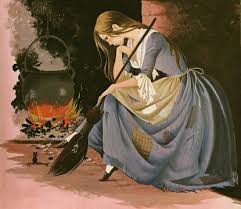
Ah, here reposes the introverted house slave–bereft of even her rodent companions.

Since I wrote the story, I’ve taken numerous classes, conferences, and workshops, on everything from plotting and character development, to crossing genres and writing fight scenes. I’ve taken classes on editing and how not to write. I’ve written some novels. I’ve done a lot of hard cutting. I’ve explored different genres and played around with suspense techniques and “aha” moments. So when I saw this shabby little house-maid in the cinders of the proverbial fireplace, I looked past the soot and rags and saw the potential beneath, not because I’m all-knowing about what would work, but because I had learned, through investing in my craft, what didn’t work about it.

And maybe more importantly, that it could be changed.

So, what was lesson number one? Trust in the process of investing in yourself as a writer. Admit you don’t know it all, and that others have good advice to give. Soak all the information in, approaching each class or workshop as a beginner, no matter how many years you’ve been writing.

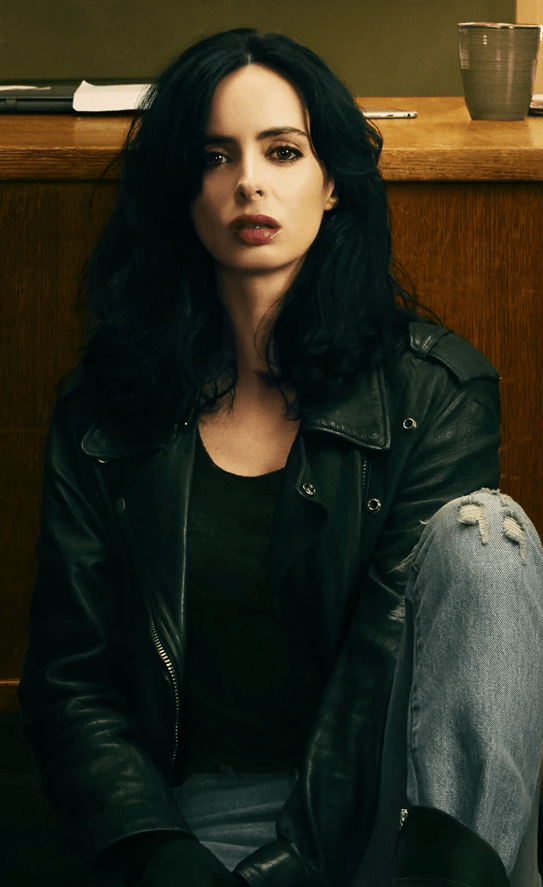
With knowledge, even the worst story can be made better. Knowledge also loosens the hold of fear that sometimes keeps us from progressing. Knowing how to cut and change becomes less heart-wrenching with the perspective of a better finished product. Knowing what makes a more interesting character, learning to take some of the polish off the Mary Sue, and turn her into more of a Jess Jones.

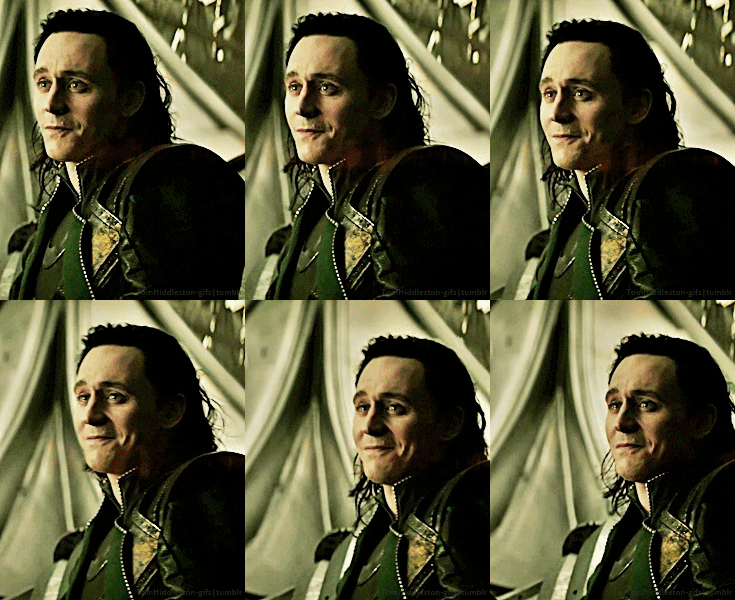
You can take a Snidely Whiplash and turn him more into…well…

When you give yourself the gift of knowledge, the list of what you can do breaks the boundaries of what you can’t.

Sometimes…you may even discover doorways that will bring over characters from other beloved series you’ve written…

Ladies and Gents–have a little Faith.

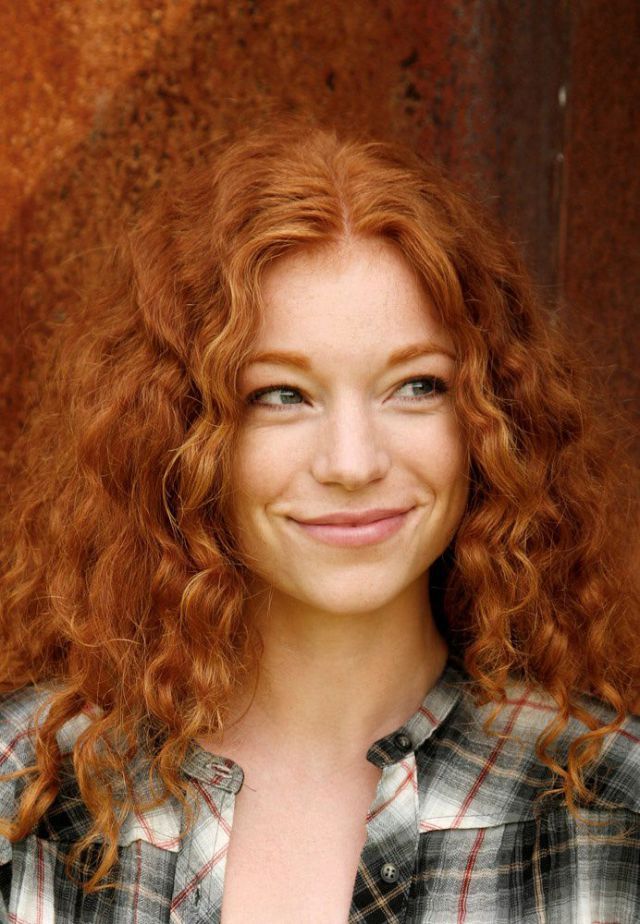
So there you go—look forward to a future magical realism/Norse mythology mix up with a delicious little love triangle, and the potential for a new generation of crooked smiles and bouncy red curls.

The Beautiful Writers Workshop: Novelty #8–Talk To Me Goose…or Dialogue

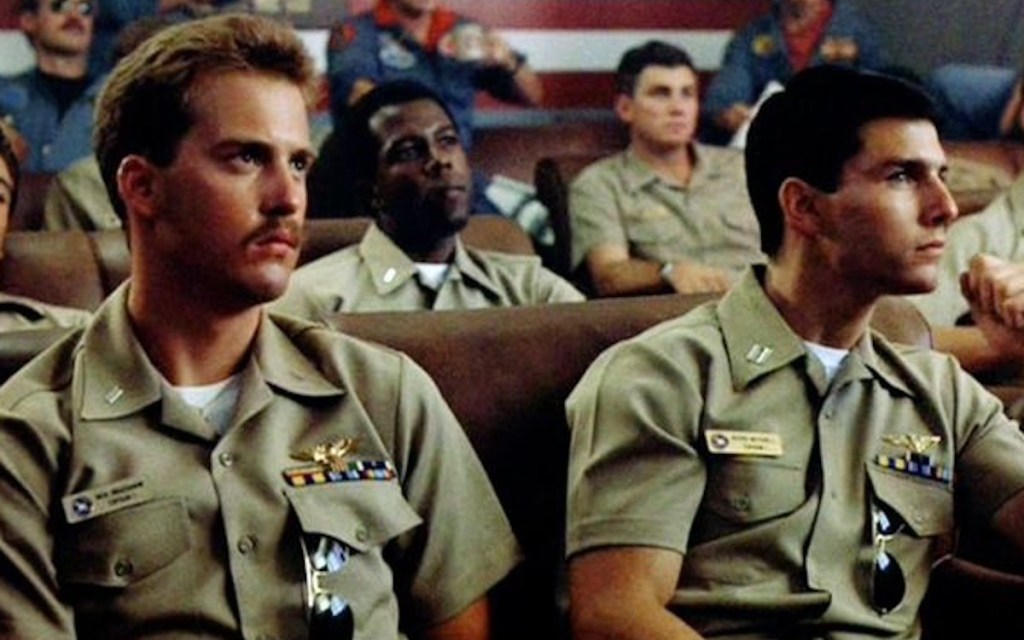
All right, listen. Top Gun did not have the best dialogue. At all. Like…not even remotely. BUT… I liked the headline so deal with it.

Today in the blog we’re talking about…well, your characters talk. Affectionally known as Dialogue. Writing dialogue like any aspect of your novel is an art, and one that will allow you to not only reveal character traits and all of those ‘shown’ details, it will also drive your plot. If you’re good at it, it will help your reader to know your character better and *gasp* if you have a flair for it, will provide extra entertainment. I’m a HUGE fan of witty banter when it’s appropriate. I’m a HUGE fan of letting dialogue tell the reader how two characters feel about each other.

Take this little gem from “Finding Destiny”: Hank and Daniel are two of my favorite characters to create a scene with. They’re brothers and love each other deeply. But they’re brothers, so that love is shown in obnoxious teasing. Take a gander–

“Everything OK?” Hank asked after an uncomfortable amount of silence.

“Yeah, I just… I just have this gala thing to go to for the university in a couple of days and, I… I’m supposed to bring someone.” Daniel paused and looked at Hank.

Hank took a moment to swallow. Then he batted his eyelashes and waved his hand in front of his face.

“Oh! I’m just so thrilled you’d ask!” he shrieked in a falsetto voice. “Oh! You’re so dreamy!”

Daniel threw a piece of bacon at him and laughed. “Not you, jackass.”

“What about Maggie?”

Daniel shook his head.  “Maggie and I don’t really—”

“Do anything that requires clothes and public places?” Hank raised his eyebrow.

“We sort of haven’t seen each other since the once…” Daniel’s voice trailed off. He still didn’t feel exactly right about what had happened between him and Maggie, or how Destiny had witnessed the start of their one-night stand.

“No wonder she’s been shooting nasty glances at me the last few weeks,” Hank chuckled into his coffee.

Daniel sighed in exasperation. “I was going to ask you…if you’d mind…if I took Destiny.”

Hank inhaled his biscuit and started coughing. His face turned red and his eyes welled up. He looked sideways at his brother as he pounded his chest with his fist.

“Destiny?” Hank wheezed.

“Yeah.”

“Destiny Harrison?”

“Yes,” Daniel said, annoyed.

“Red hair, tall, drawly, hates-your-guts Destiny Harrison?” Hank took a drink of coffee to clear his throat.

“Yes, Henry! That Destiny.”

Hank held up his hand.

“First of all, there’s no need to call me Henry. Second, I thought you hated her, too. But mostly, why in the hell do you think I’d mind? She and I aren’t…like that.”

“Well, I didn’t know! You spend a lot of time with her. And I don’t exactly hate her. I just—” Daniel sat forward in his frustration and loss for words and looked out the window.

“Well, we only spend so much time together because neither one of us has a life outside of the shop.” Hank stopped with his coffee halfway to his mouth. “How embarrassing is it that I just admitted that?”

“It was pretty pathetic.”

“Yeah.”

“So?  Do you think she’ll go with me?”

Hank shook his head in bewilderment. “I don’t know, Danny. What about that ‘hating you’ part?”

Daniel remained silent and watched out the window. What about that?  He thought of her warm body pressed to his in the fervent moment of thanks. He thought of her shapely breasts beneath the nightgown, and the smell of her. The shyness of her kiss. The way she had gotten snippy when Maggie had stayed over. Hank paused at the unusual look of self-doubt on his big brother’s face.

“I think if you could get her in a dress, she’d do all right. Assuming she did say yes,” Hank said.

“Yeah,” Daniel said, displaced.

“Maybe if you ask her nicely…you know, not like you?” Hank said.

“What the hell does that mean?”

“Well, you know…come down off of your high horse. Just a bit. And stop being such a surly son-of-a-bitch!”

“You sound like her now.”

“I’m just saying that a little honest humility and admiration goes a long way.”

Daniel stayed quiet. Humility wasn’t really his thing. He wasn’t very good at admiration, either.

Hank continued. “And if she says no, I can rock a strapless like you would not believe, girlfriend.” Hank snapped in the air and winked.

Daniel threw his biscuit at his brother with a laugh. “Shut up.”

So, we get to see some deeper dimension here, with Daniel’s secret insecurities, his blossoming interest in Destiny as well as Hank’s affection for them both. We set up for a minor climax (asking Destiny on the date) as well as establish the risk involved. All while doing it with a sense of humor.

The import aspects to remember in writing dialogue are below (been a while since I bullet listed for you)

  1. Dialogue needs to be real. By that I mean if it is forced (for the purpose of info-dumping), contrived (how convenient to drop that info into conversation even though they had no other reason to talk…), or sounds like an outside narrator suddenly taking over your character’s body (Hey! Where did their drawl and/or British accent go?) your reader is gonna know. So make it a conversation.
  2. As mentioned above, keep your character’s in their character. If they don’t normally say much, save the monologuing for others or some big reveal moment. Many a time I’ve had to edit a dialogue because I saw too much of me in there. Tricky me, trying to steal the conversation. This comes with knowing your character and what they would or would not say.
  3. If the dialogue doesn’t do any of the magical things listed, (furthering plot, character development, information snacks etc) and its just in there to fill space or act as a buffer don’t be afraid to cut it.
  4. Read your dialogues out loud! It’s the only way you’ll know for sure that they sound real and authentic to your characters and to the story. This is also a great way to catch mistakes and to ensure dialect and vernaculars are in place.
  5. Don’t be afraid to use abbreviations and slang if it’s true to how your character talks. Destiny Harrison said “ain’t” a lot. Spell check hates “ain’t”. Doesn’t matter what the spell checker wanted, she ain’t changing for it.
  6. I could give you a spiel here about dialogue tags (ie ‘he said’, ‘she yelled’) after your character’s speak. I’ve heard both sides. In my kids’ writing classes they are encouraged to use something other than ‘said’ to liven the action, express the tone, etc. In my adult-y writing classes, I’ve been told to cut the flowery bullshit and stick with ‘said’. The idea being that if your writing is good enough, the tone and character already established, the reader will read the dialogue in the feeling intended. My advice? I don’t like either of these approaches. Sometimes a simple ‘he said’ works, sometimes, I get bored as shit with that and when my characters talk in my head, they rarely just ‘say’ stuff. I may err more on the side of the flowery therefore, but I don’t do it so much that very ‘please pass the butter’ moment is fraught with tension.

Okay. That’s it for dialogue today.

I think…(she said with a gasp), that might even be the end of our writing series on the Novel! (she yelled?) I’ll check in on that and get back to you next week. Until then, go over your dialogues, check their authenticity and tone. How can you make them better? More real human-like? Read them aloud, don’t ALWAYS listen to your spell checker. Write. Write Write. Good luck out there. See you soon.

The Beautiful Writers Workshop Novelty #6: “The Kid’s Got Style”

Good evening, my little writing gnomes. This evening I’m writing from the NCW’s writing fall writing retreat in Estes Park, Colorado. Firstly, if you’ve never taken a weekend, or a few days, to do nothing but devote time to your craft, I highly recommend you give it a try. When you aren’t weighed down by laundry, school emails, or cat’s randomly vomiting out food that they didn’t apparently feel like chewing, you can actually get a lot of things done.

We’ll talk more about that in a later blog. Today…it’s all about STYLE.

Style isn’t regaled to only novel writing. Every author has a voice. This is not the Point of View, as we discussed last week. A voice is an author’s particular way of writing. If you want to look at the extremes, you could compare the works of F. Scott Fitzgerald to those of Ernest Hemingway. Contemporaries and acquaintances (it’s argued if they were actually friends) they shared a propensity for two things, drinking and good writing. Beyond that, they had incredibly different voices. Hemingway was a man’s man, bull-fighting, womanizer. Fitzgerald was more introspective, a romantic, one might say. And their voices showed it and affected readers differently.

This quote hangs above my desk:

“For what it’s worth: it’s never too late or, in my case, too early to be whoever you want to be. There’s no time limit, stop whenever you want. You can change or stay the same, there are no rules to this thing. We can make the best or the worst of it. I hope you make the best of it. And I hope you see things that startle you. I hope you feel things you never felt before. I hope you meet people with a different point of view. I hope you live a life you’re proud of. If you find that you’re not, I hope you have the courage to start all over again.”

― Francis Scott Fitzgerald

Before you move on…read that again. Can’t you feel him speaking to you? Can’t you feel a hand on your shoulder or even a hand on your back (as one of my favorite inspirational women says: https://www.christinedercole.com/s/) encouraging you to take action, to not be dissuaded?

In contrast:

“You expected to be sad in the fall. Part of you died each year when the leaves fell from the trees and their branches were bare against the wind and the cold, wintery light. But you knew there would always be the spring, as you knew the river would flow again after it was frozen. When the cold rains kept on and killed the spring, it was as though a young person died for no reason.”

― Ernest Hemingway

First–did anyone else notice what POV he just used? Come on…it was only a week ago. The dreaded 2nd and he, as always, did an amazing job. Listen, in my humble opinion, Hemingway was kind of a giant misogynistic ass, but he could write a fine damn sentence, and his work cut through your skin like wind on a cold February day. But notice the colder, darker tone. The harshness.

The difference between those two is not in their brilliance. It’s in the feeling they evoke, and to me, that’s what your voice is. A writer cannot help but leave a trace of themself on the page. It’s probably why my heroines curse, or why setting to me feels like it always needs a bit of poetry–utilizing the senses to accentuate.

I’m a bit more Fitzgerald than I am Hemingway…But I’m all Sarah. And you are all you.

STYLE is what makes your story, even if it fits a trope or a formula, unique. Because no one is you. No one has your experiences, your vernacular (why you might say wa-r-sh instead of wash, or creek instead of cr-ic-k), your vocabulary, your turn of phrase, your tone.

I’ve tried to read ‘popular’ authors that I just couldn’t stand because they made a point to turn every sentence into a dictionary-induced game of look-up-the-word or strayed too far from the point. I’ve read simple shorts that didn’t use a word over 15 letters long that left me with chills and turning the page hungrily.

It’s not in the size, its in your style (remember I said that fellas).

So… I don’t have much to elaborate on here. I can’t train you to write in your own voice. You just have to write and see what comes of it. Are you poetic? Are you straightforward? Are you humorous? Do you tend to sink into the gray dark, or do you lift up towards the light? When you write are you telling the story to an audience, or to a friend? Every day may be different for each of us, but in total, your ‘voice’, your STYLE, is the way you tell a story.

So, look over your work in progress, short stories or poems you’ve written, and try to feel out what your voice sounds like. It’s hard to do this, so feel free to enlist the help of outsiders (friends, family, book groups, critique groups).

You will know your voice when you hear it.

Stay true to it, because if you ever try to write in someone else’s, your story–your work, will suffer.

We can’t all be Hemingway. Please, God…don’t let us all be Hemingway. We need Plaths and Fitzgeralds. We need Rowlings and Brookses. We need it all. The whole spectrum of style.

So get out there and write true to yours.

The Beautiful Writers Workshop: Novelty #5: Point of View

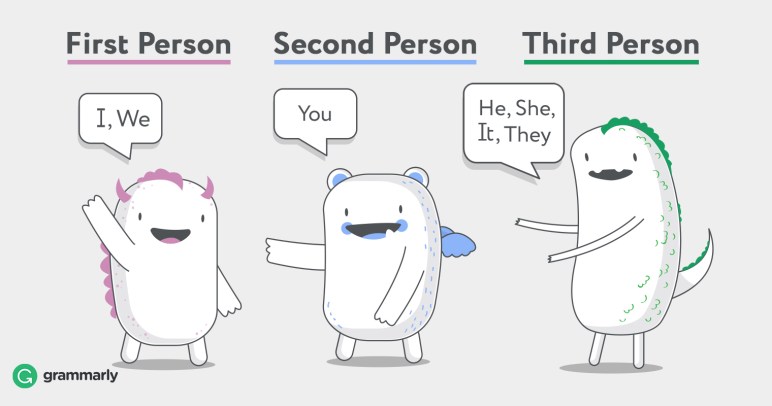
Thank you to the beautiful people at Grammarly for this awesome little image of Point of View.

Whilst (I love using that word) typing up the title today I realized, that all of these blogs on novel writing can also be used in other aspects of your writing. Short stories, flash fiction, non fiction, and even poetry all contain aspects of plot, character, and point of view. In a novel, however, consistency of your point of view is crucial for keeping your reader snuggly in your world. Shifts in POV can cause confusion or jar them out of the story.

So today, we’re going to briefly discuss the typical types of POV as well as which ones are most effective to use.

For the budding writer, I’ll lay down some foundation.

Point of View is basically who is telling the story.

In First-Person POV, then the action is happening to the person telling the story (the narrator is the main character). Here, a writer uses “I/We” mostly while only using “he/she/they” as outward observations. They can tell you what they see, feel, hear, know, etc, but they can’t tell you what anyone else sees, feels, hears, or knows. The best way to show those things are through action and dialogue AND by having faith in the reader to understand by your clues the general idea.

Second-Person is the red-headed step child of writing POV. I’m sorry. I said it. Second person uses “you” and “your” and they narrator speaks directly to the reader. “You were amazed. You’d never seen a chicken with five legs.” They make you part of the story. I suppose some of my blogs have been in 2nd person, non-fiction informative may utilize this POV. I’ve never used this in a short story or my fiction but occasionally it creeps into my poetry. In fiction, it’s very difficult to do well. (“Bright Lights, Big City” by Jay McInerey, “The Sweetheart” by Angelina Mirabella, “The Night Circus” by Erin Morgenstern)

Third-person is an outside narrator telling the story from a distance (she/he/they). When it gets closer in (think into the characters’ heads) it’s called third-person omniscient. Third-person is popular with light fiction, serial romance, cozies, beach reads, sci-fi, fantasy etc. The tricky part of this POV is being able to stay focused on one character at a time. If the story dictates it (two or three main characters) I will switch POV in Third by chapter, possibly by section, but never by paragraph or within the same scene.

We discussed each typical type, but how do you know which one is best for you? Well, part of this comes down to your writing style. When you write, are you the character? Are you in their mind, in the arena, in the pilot’s seat? Or are you observing them, building the world around them and telling them what you see from above? Are you walking them through the story, a sort-of inward conscience to their journey? Which genre is your story? What’s the purpose of the story?

All of these factors can make writing in the right POV harrier than my old math teacher at the swimming pool (Hey! Take the sweater off before you get in–oh…wait…sorry!) Some genres are more lenient as to how much you can change or shift the point of view. Some genres really do best when one specific POV is used.

Take memoir for example. This type of storytelling should be first person, past-tense. Period. That’s your story, it happened to you. You are telling it.

Now, romance novels can dance on the edge of third-person, third-person omniscient, or first-person.

Most contemporary fiction these days is first-person (think Hunger Games) or if you’re feeling fancy, 2-person, first-person (look at Gone Girl–a book told in first by two different main characters–very clever)

I am wont to say that sci-fi and fantasy tend to be third person, due to the world building that has to occur. But it can be done marvelously in first as well (check out “The Martian” which tickles both first and third).

The important part about POV (especially when working with third) is that you stick to a strong, non-passive-voiced point of view that stays in its lane.

Check this out:

“You’re such a selfish prick!” Jill yelled and slammed her fist into the table upsetting the spoons. She’d had enough of his late nights at the track and the dwindling bank account.

Bob jumped back at the sound. His heart fell to his gut and he felt like crying. He couldn’t believe he’d lost their honeymoon money. He was only trying to double up on the winnings so they could have a bigger trip.

Jill paced the room in a fury. How could he? After she had been saving for months and months so they could go away…

Yowza. For one–this is a lot of information dumping out on your reader. You can’t describe your main character’s (Jill) thoughts and feelings about Bob and then in the next paragraph have Bob spring into an inner dialogue on his thoughts and feelings about her. It’s called head hopping and it confuses the readers. Only a few really talented authors can make this happen and not lose the reader (I’m looking at you Nora Roberts).

Don’t cause a ruckus. If the character you are writing for (be it third or first) isn’t a goddamn mind reader then don’t describe things they wouldn’t know.

If you want the reader to have the information, you show through body language and dialogue.

“You’re such a selfish prick!” Jill yelled. “I can’t believe you blew our savings at the tables!” She slammed her fist into the table and knocked over the cup of spoons.

Bob hung his head and swallowed. His voice trembled. “I’m sorry.”

“Sorry? Sorry doesn’t even begin–“
“I was only trying to–” Bob started.

“It doesn’t matter!” she yelled. “You don’t get another chance to make this better!”

Here, the reader has enough information to gather how Bob feels without dropping us into his head.

Ok. Whew! Speaking of info dumps, huh? Take a minute to absorb all of that. Think about your story, what you’re trying to do, who you’re trying to follow, and how you want to bring the reader along. If you’re writing short stories, experiment with all the types of POV. I’ve only written a few things in first and its very powerful, but for some reason, it’s very hard for me. My comfort is in Third-Omniscient, but as in all things in life, we have to push our comfort zones to be better. So…push your zones, get uncomfortable.

Pick a POV per project and stick with it.

Until next week. Happy writing!

The Beautiful Writers Workshop #29: The Short Story

Hello! Welcome back to The Beautiful Stuff and todays’ introduction to the well-known and prolific format we all suffered through in high school English.

Ladies and Gents: The Short Story

Don’t get me wrong, I say ‘suffered’ now because everything when you’re a teenager that entails any sort of responsibility not of your choosing is, to some degree, “suffering”. I mean, I could write for hours, holed up in my room, gladly passing the day. But ask me to read a short tome by O. Henry and I’d give you an eye roll and heavy sigh that would have rivaled the most put-upon martyr. Looking back, I actually really liked those stories. I remember dissecting them, studying the elements, and learning what made them so powerful.

Thank you, Joyce for “The Most Dangerous Game” and mining deep into the dark hearts of men. Hats off to the master of short story, E.A. Poe and his “Tell-Tale Heart” among at least a dozen others that gave me a healthy love of the spine-shiver. Shirley Jackson’s “The Lottery” was my first taste of apocalyptic fiction. I’m sure you’ve had similar experiences and I urge you to go back over those old favorites and see what you notice at a different age/stage of life.

The Short Story is actually lumped in with Flash Fiction and Micro fiction and is defined by a word count of 5,000 to 10,000. Some even dip down to the 1,000 range, occasionally they’ll touch 15,000. But in general, anything above that (30,000-60,000) is considered a novella. I’m giving it its own blog because the short story is a beautiful place to start if you are just beginning your path in writing. It’s not overwhelming but it will allow you to practice a lot of the bigger elements of story-telling. It requires a certain amount of frugality with words and demands a tight story arc which are good practices to hone before embarking on a novel-length piece.

What’s the difference from flash fiction? Well, in flash fiction you are looking at a snap shot of a moment; a defining moment, a quirky flash in the pan. In a short story you have more wiggle room for character development and the ability to tell a complete story.

Why’s that important you ask? Wow, you always come up with so many good questions!

Character development is important in short stories, because often it is the character that drives these stories. That doesn’t mean you get to expunge for 3,000 words on the finer details of Joe Doe’s eleventh grade algebra class. It means you have the opportunity to create a connection to the reader by showing who Joe is using his reactions to the situations presented.

How do you do this most effectively?

Photo by moein moradi on Pexels.com

Well, as in novels, you have to know your character. I once wrote a short story about a woman who’s husband left her on her 50th birthday for a younger woman. I got to know Jane Pearce so well, that I often think there’s a little bit of herself still residing in me. The part that snaps out of her doting-housewife haze and burns the mother-fu$^ing house to the ground, collects the insurance money, and retires to Italy under a new name. The point is, if you don’t know what drives your character then you risk wasting time and words on a vignette that should be tight.

What else do we need to know?

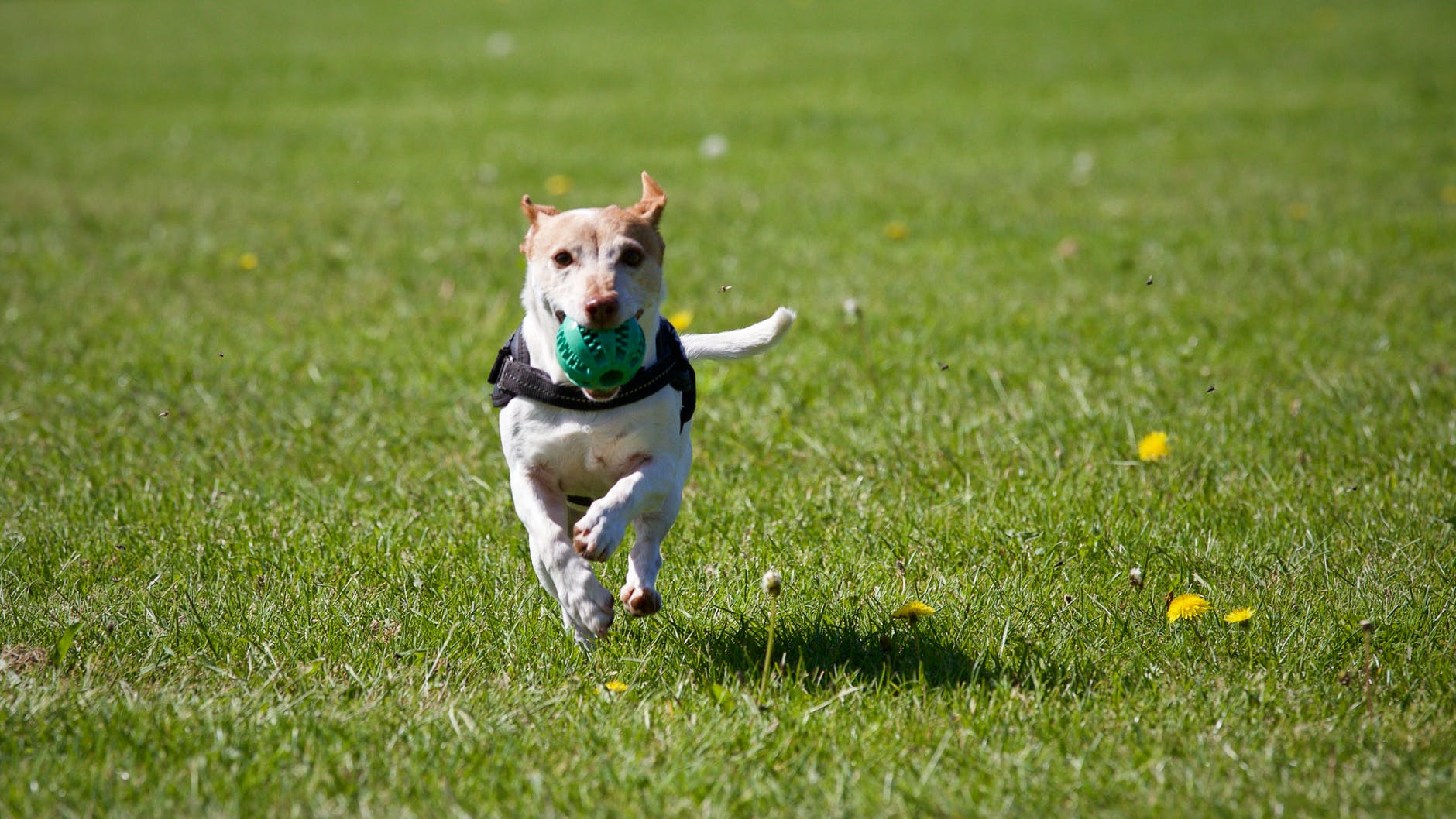
Death follows a Terrier on a Mission.
Photo by Matthias Zomer on Pexels.com

Well, you need an extraordinary event. A divorce out of the blue. A airship landing in the parking lot of the 7-11. A dog running down the street with a human leg in its mouth. A car crash, a panic attack, an island event where humans are hunted, a lottery to see who’ll be stoned to death. A body buried beneath the floorboards…something. Something that forces our beloved (or be-hated? is that a word? why isn’t it?) character into some tough decisions that make them CHANGE AND GROW. Yes. This can be done in the short span of 7,000 words.

You may, if you’re so plottingly inclined (in my head that sounded very judgmental, I apologize to all of my plotters out there), outline your short story to arrange it with the proper story beats, valleys and arcs necessary. Or, if you’re a slob like me, you can just start with the event and your character and see what madness ensues. Just be conscious this is a finite clip, not the 6-hour extended director’s cut.

I could, literally, go on for thousands of more words about the art of the short story, but I know you have some kitten videos to watch and probably a pants-less Zoom call to get on, so… I’m going to end this first blog (there will be others) with a good starting point for my beautiful writers out there.

The hardest part of the short story, for myself and other writer’s I’ve talked to, is finding a smashing good idea to write about. For this week, I’d like you to try one or both of these exercises and come up with, at minimum, 10 potential short story ideas. If you have the time, pick one or two and try your hand at a short story.

For the first exercise, I would like you to pick up a copy of your local newspaper (or scroll through it online) and seek out interesting or strange headlines that deserve a bigger story. The body pulled out of the river with no fingers. The discovery of pesticide residue in kindergarten playgrounds. Whatever catches your eye. Find a notebook, write down one or two lines on each and keep going. Don’t stop to write the story just yet. Let your beautiful brain simmer.

Secondly, I would like you to take a prolific historical/fictional or not character and ask “what if”. What if Henry Melville had been a modern day fisherman. What if Lizzy Borden had been a nursing home attendant? What if Buddy Holly had survived the plane crash? What if Donald Trump was really an alien? (ok, that one’s not so far of a reach)

Get freaky with it, twist history a little and see what interesting plot ensues. Thanks for playing today. Share your results and ideas, if you like and we’ll be back next week with more on the Short Story!

Happy Writing.

The Beautiful Writers Workshop #26: Flashing for Fun and Profit

Yep. I said that. But in my defense…I don’t have a defense. I’m childish and immature. Please don’t go around “flashing people”. It’s not fun for anyone involved and you don’t make a good profit (unless you’re possessed of certain physical attributes—and even then, nothing in life is guaranteed.)

*for the record…that’s the first time I’ve spelled ‘guaranteed’ correctly on the first try. I just needed  to let every one know, so you’ll understand the kind of writer I am.*

When I say “Flashing” I’m talking about our next topic of discussion which is, of course, Flash Fiction.

If you like the brevity of poetry and quick, hard words that nail emotion to the theoretical wall with brute force, you’ll probably enjoy practicing flash fiction.

Let’s get started with a little introduction.

Ahem, Flash Fiction, these are my beautiful writers *gestures wildly out into the far reaches of the internet* They’re kind, amazing, and talented.

Writers this is Flash Fiction.

Flash fiction sprung up in the 1990s and has become a formidable form of storytelling that appeals to newer generations with ever-shortening attention spans and busy lives. Flash Fiction condenses a tapestry of story into a few short sentences/words/paragraphs. It also serves as a method to condense big ideas into concise writing, especially in terms of reporting (flash non-fiction?) and conveying information.

Ugh, that was dry. Talk about an awkward introduction.

Here are the basics. Flash Fiction is a form of short story that relies on brevity. Specifically, a word count between 1 and 300. If you’re wondering how you can tell a story in under 300 words, or even in under ten, allow me to give you one of the most famous examples:

“For sale, baby shoes, never worn.”

This very simple sentence/story has two commas, one period and a myriad of images that can affect the reader.

Flash Fiction is further divided into micro-fiction, sudden fiction (Wham! Suddenly there was Fiction! Out of nowhere and sudden!), postcard fiction, short story, and the short short story. Believe it or not, there are even sub-categories called drabble which refers to stories that come in at 100 words and dribble that come in at 50 words.

Why Flash Fiction, Sarah?

Well, I’m glad you asked. And…if you didn’t know, that’s what the S in S.E. stands for. The E stands for Enigmatic. Or maybe Exciting. Earnest. Edward. Eggo-(not to be confused with Ego). Who knows? Only my mom and she’d never tell because she’s as loyal as the day is long.

Back on point:

The advantages of Flash Fiction are as follows:

Several websites, literary journals, anthology collections, and magazines are interested in these bite sizes of life.

They are relatively quick to write from an artist’s perspective, which makes them more versatile and easier to explore different genres with.

I personally find flash fiction refreshing to write. For one, when you’re embroiled in a 120,000-word novel, bogged down in outlines and character sheets, plagued with plot holes and flat characters, it feels pretty damn good to step out with a 250-word taster of a completely unrelated character’s flash-in-the-pan dilemma.

Don’t misread. Flash Fiction may have fewer words, but it doesn’t mean that it’s ‘easy’. (She’s fast but she ain’t cheap). Writing more with less is difficult, especially if you’re accustomed to novel length work.

So, to start this little experiment, I’m going to make your first time (or maybe I’m not your first…it’s completely okay, I’m not judging what relationships you had before me) nice and gentle.

Take a current work in progress, a novel you’ve published, a poem you’ve written, and write a flash piece based on the characters or subject in a strange and new situation. Or, maybe six months after the novel ended. Or six months before. Show them in the parking lot with a new baby, or thrown into jail at sixteen, or sunk unexpectedly into a worldwide pandemic (too soon?)

Then…and this is the trick; don’t go on and on.

Think snap shot, not photo album.

One picture will tell us a lot about a person, without needing to see the whole photo album. (have you ever had to sit through someone else’s photo album? No, Sarah, because we’re not three-hundred years old, we have Instagram like normal people…what century are you from?)

Flash fiction is a novel if a novel were poetry. Condensed, potent, memorable.

For sale, baby shoes, never used.

Here’s a little flash piece (a drabble to boot) I submitted that won honorable mention, if you’re looking for an example.

She hadn’t meant to set it on fire, exactly. But now that the heat burgeoned from its windows, charring the leather seats and crackling up through the retrofitted steering wheel, she was glad for the warmth.

It was a shame he’d never get to see the way the flames jumped and swayed in the clear night turning cloudy. It was a shame he’d left it unlocked, parked outside the strip club. A shame he’d said he was at a meeting. What. A. Beautiful. Shame.

She pirouetted against the star-filled sky, and danced along the edges of erupting metal and smoke.

Try it out, have fun, and let me know how it goes. Share or don’t. If you do share and you’d like it featured just make sure you follow my rules against excessive violence/hate speech/rampant eroticism (a little is awesome—too much is…too much) before submitting. I look forward to hearing how it goes!

Happy Writing!

The Beautiful Writers Workshop #24: The Basics of Poetry

Hello writers,

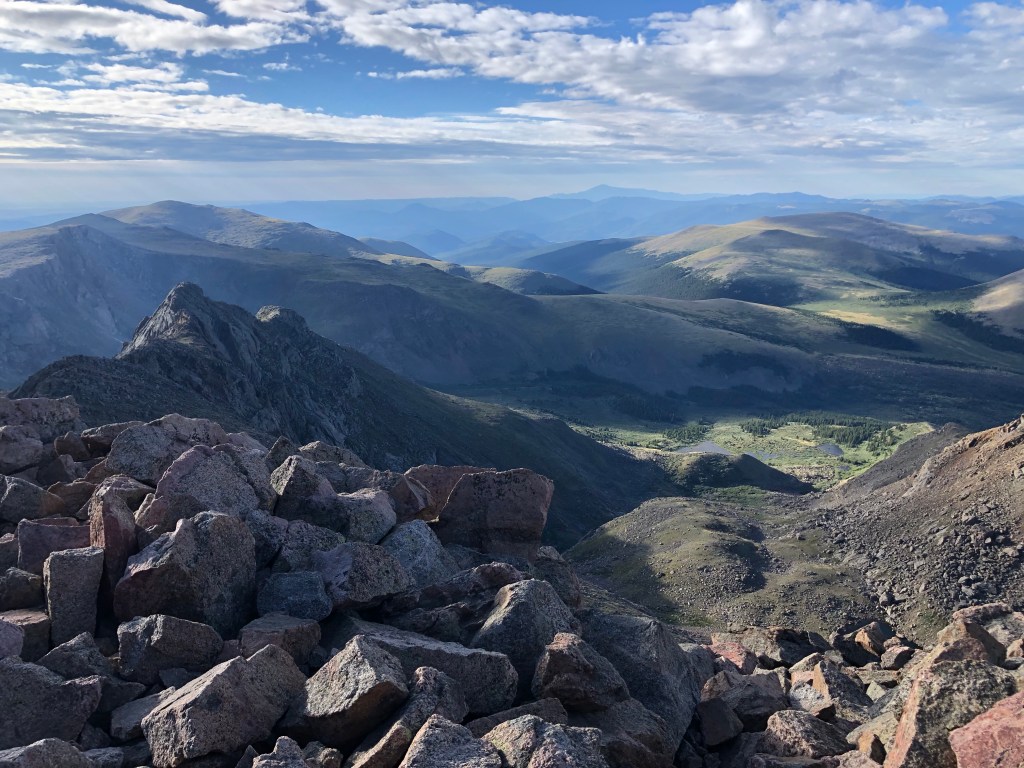
First, apologies for missing last week. I started my Thursday morning at 2 am, driving to the trailhead of my first 14er. It was a beautiful cool day up on the mountain and I was pretty tired upon returning home.

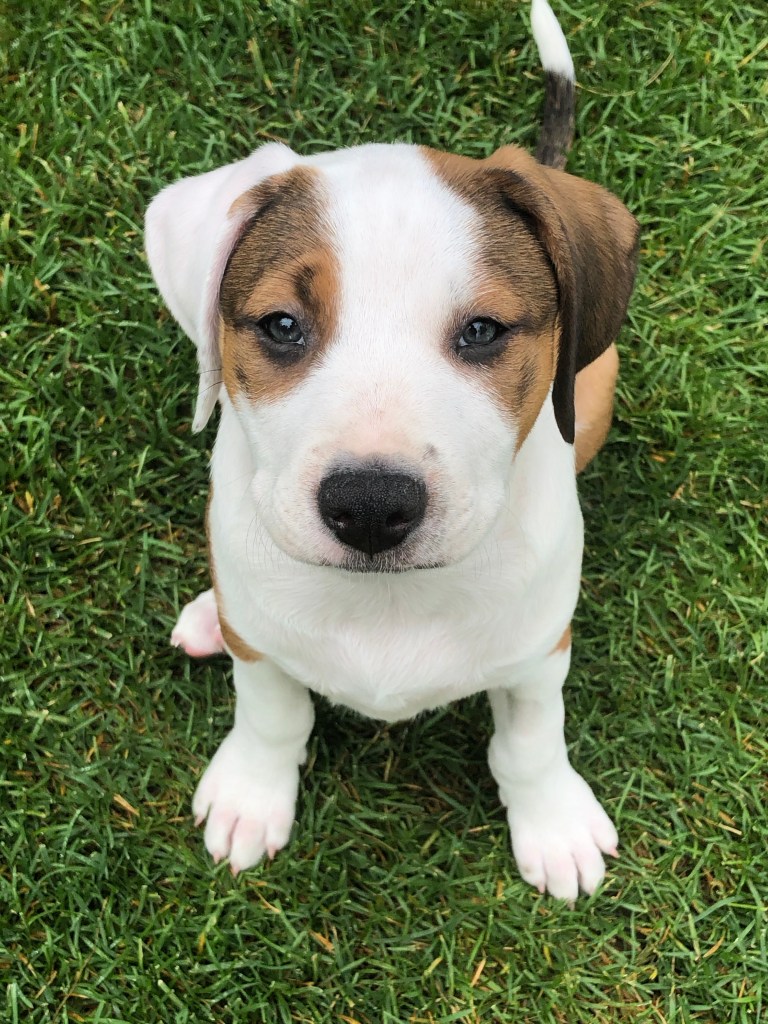
In addition to that, and on the same day, we welcomed a new family member into our home.

So I’ve literally been climbing mountains and raising babies for the last few days and am now safely locked in my office for an hour of dedicated writing time.

Without wasting any time, let’s get into the basics of poetry.

Some of us are born with the inclination towards alliteration, symbolism, personification and all the intrinsic elements of powerful poetry. For the rest of us, becoming a better poet (progress not perfection) can be accomplished by learning the dynamics of poetry form and function.

Now, I’ve heard a lot of degrading comments on poetry that rhymes. First of all, Poetry is Poetry. It doesn’t have to fit into some MFA or Beatnik/Hipster trend to be worthwhile.

Witness:

“She walks in beauty, like the night

Of cloudless climes and starry skies,

And all that’s best of dark and bright

Meet in her aspect and her eyes;

Thus mellowed to that tender light

Which heavy to gaudy day denies”

Lord Byron

Or one of my other favorites:

“When I am dead, my dearest,

Sing no sad songs for me;

Plant thou no roses at my head,

Nor shady cypress-tree;

Be the green grass above me

With showers and dewdrops wet;

And if thou wilt, remember

And if thou wilt, forget.”

Christina G. Rossetti

Or Even:

“There’s too many kids in this tub

There’s too many bodies to scrub

I scrubbed a behind

And it sure wasn’t mine.

There’s too many kids in this tub.”

Shel Silverstein

Many a talented writer use rhyming and alliteration to build a beautiful rhythm that lends well to spoken recitation, which is one the most important foundation of Poetry. We’ll get into that a little later.

Do you need to rhyme your lines for it to be “poetic” or presentable? Of course not, as I mentioned last week, Poetry’s main function is to tell a story in the thickest, boiled down way. I do think it’s important to play with the concept of rhyming poetry, even if it’s only as a practice. It will not only help you to build your vocabulary, but it teaches you the essential dynamics of beat, and syllabic flow.

When considering how to help other writer’s have a good starting point for their experimentation into poetry I thought of the things that have helped me to grow and thrive in my poetry.

And I even put it into a bullet list because…bitches love bulleted lists.

  • Read a lot of poetry : The same as in any writing, if you want to know what works, read a variety of poetry. From the classics to the more modern and experimental forms. You can subscribe to the Poetry Foundations daily poem ( poem a day ) or, invest in some independent poetry journals and magazines (http://32poems.com/ is great and there are many others). Support local poets and writers by buying anthologies (ahem: https://www.amazon.com/Small-Things-Beautiful-Anthology-2019-2020/dp/1692331558)
  • Attend Poetry Readings (as social distancing permits–you can find online forum as well): The beauty of poetry, as I mentioned above, the ability for it to translate into the spoken art. Performance poetry will move you in ways that simply reading it cannot. By listening to poets read their poetry, you can catch a lot about word use, syllabic stress, alliteration, rhythm, tempo, and personification. Plus, the emotion of poetry is so much more present when someone is telling it to you.
  • Start Small: You don’t have to write The Iliad. Start with a haiku (5-7-5) or even put a 25 word limit on your poem.
  • There is Poetry in Every Thing: You can write a poem about a ball of yarn, a flower, the death of a loved one. Every object, feeling, action, or person can be inspiration. I once wrote a poem about a katydid I found being eaten by a wasp. I’ve written a poem about tripping. There is a poem in every thing. Find it.
  • Don’t Obsess Over First Lines or Titles: Just like pausing to edit your novel or story can interrupt the flow of creativity, worrying about creating the ‘perfect’ first line will staunch the ideas. Just start from somewhere. Like any writing, poems will undergo different rounds of changes and editing. Sometimes I don’t have a title until the final edit. Sometimes I don’t ever have a title. Don’t let that stop you from trying.
  • Tell a Story/ Express Big Ideas: One of my favorite things about poetry is that in a single stanza we can learn a world. Poets that are magnificent at this are: Maya Angelou, E.E. Cummings, Edna St. Vincent Millay, Sylvia Plath, Chuck Bukowski, Pablo Neruda, and Mary Oliver.
  • Use Tools: It probably sounds silly to remember your thesaurus but when we are working with an economy of words the difference between the right word and the almost right word is, as Twain said, the difference between lightening and a lightening bug. My favorite function in Word might be the “synonym” checker. Just make sure that it still conveys the flavor and tone you are aiming for.
  • Connect With Other Poets: Your local writing groups or if you follow social media, will have groups that can help you learn more, have safe places to share, and provide opportunities to submit.

Well, that was a lot of information. On Thursday I will be featuring some poems that came in last week (one from my absolute favorite fellow Wyomingites, sid sibo, is among them) There’s still plenty of time to contribute so send your experiments my way.

Until then, good luck. Delve into reading some new poetry and exploring your own abilities in the field.

Happy writing!