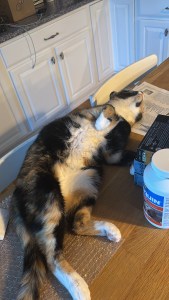
Welcome to my monthly update about what’s going on, what’s not, and how I’m navigating the current horrors. First, look at my damn cat. Every damn day, this is what I put up with. If she’s not yelling at me to let her on my shoulders, she’s taking up space on whatever project I’m trying to work on. Pray for me.
Random Shit:
In, non-writing related news, I spent the weekend going outside more for the Great Backyard Bird Count. I think in times which are particularly trying to one’s heart and soul, it’s important to spend more time in nature. Away from the screens, and ground ourselves in something that’s real. It’s a strange sort of joy to sit still in a field, stand next to a marsh, breath quietly beneath the canopy of evergreens and just listen. Not for the loudest, most painful rhetoric, but the simple song of birds in conversation with one another. It resets our nervous system and tells our lizard brain that we are safe. A predator-less moment is much welcome.
Reading:
In reading news, here’s what I’m currently working on. My book club is reading “The Extraordinary Life of Sam Hell”. I put it down somewhere around 20%. Why? Well, I don’t know. But I think it’s because I’m really not interested in reading something from the white male perspective right now. Because within a couple of chapters between his youth and adulthood, he both vilified men who were making derogatory comments about his mother’s body, and made similar comments about an assistant in his office. I don’t think I used to notice those things. But they’re glaring now. And I’ve already spent over half of my life being bombarded by this particular viewpoint and I’m bored with it.
So I put it down in favor of: “How We Learn to Be Brave” by Mariann Edgar Budde. While I was raised in a Christian faith, I no longer practice, and I have some deep and justified rifts with the church. However, this book is written by the Episcopalian Bishop who spoke out against Trump’s horrific public policy. It’s a pretty engaging book about how various people throughout our country’s history have been on the precipice of great and difficult choices and chose to be brave, stand for what they believed was right, and up against tyrannical forces. Budde includes examples of her own life and how we, as ordinary individuals can utilize our own inner strength to act when it counts. I’ll let you know how it goes.
I’m also lightly reading “Nettle and Bone” by T. Kingfisher. I’m only about a chapter and a half in, but I like it so far. Beautiful fantasy, and it’s fun to get back into a genre I haven’t read in a while.
Writing and Editing:
I finished up my first deep-dive edits of “Heir to Time”, the last book in the Timekeeper series, and sent them off to my astounding editor. I’ll still have a couple more rounds to go, but I feel like the major issues have been addressed and with any luck, it’ll be ready to go on to cover and publishing in March sometime. I’ll keep you posted and next week I’ll include a blurb. If you liked “The Mummy” and Jane Austen, you’re gonna love this little book with a nod to sapphic romance and all the hours I spent obsessed over Egyptology in middle school.
I’m also participating in 5 Prince Publishing’s first shared-town anthology due out in the 2026 holiday season. 9 authors, of the several, from 5 Prince will all submit a short novella (30-50000 words) based in the same small town over the holidays. It should be an interesting group, from across a wide spectrum. Mine will be, as usual, a little subversive, and a little dark, but it will be a beautiful nod to finding the light on the darkest days, and having someone to share it all with.
I’m participating in a “Postcards for Peace” project where I write a thought, hope or poem on peace and send one out a day to a stranger who has signed up. That’s going well and it’s nice to get some good thoughts in the mail for once.
I recently got a short story accepted at a small press (Rat Bag Lit). It’s a bit horrific and dark, but also strangely romantic. More on that as it gets closer.
Before you think I’m too high up on my horse, also know that I’ve received 4 glorious rejections so far this year as well. Well on my way to the 52 for the year I’m aiming for.
I’ll be attending AWP in March and I’ve never been to a conference this big for any reason. The Association of Writers and Writing Programs annual meeting is chocked full of classes, not just on craft but on how to teach and encourage other writers and inspire your community through your organization. I’m hopeful it will help me be a better organizer and community resource for Writing Heights and the expansive group of writers in the Colorado and Wyoming areas.
Finally, if you’re in the area tomorrow (Friday, February 20th) from 5-7pm, I’ll be a the Loveland Ale Works, hosting a write in with some folks from WHWA. You don’t have to be a member to stop on by and work on your writing, poetry, or anything that needs a little focused time.
Well, that’s about all the news that’s fit to print. I wish you luck on your projects this week, even if all that means is getting out of bed and brushing your teeth. Even the little stuff matters in a world overrun with big stuff.
Wow, I’m so glad you asked. I’d love to say, I’ll be doing a lot of fall gardening, hiking to my heart’s content, writing in hoodies with hot tea and snuggling into the fall. Unfortunately, its still hot as balls here, and a writer’s work is never done. So none of that will transpire (though I may sneak away for a hike). Below are some links on where I’ll be, what I’ll be doing, and some cool books, events and classes I hope you’ll check out. Not to sound altruistic, but its not all about me here…
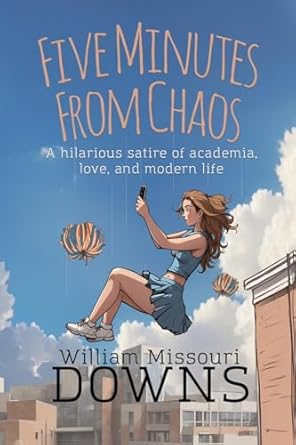
One of my favorite people in the whole world is releasing his first novel today (September 5th). William Missouri Downs is a delightful, ingenious writer. He’s been a play and screen writer for many years and this is his first foray into fiction. And let me tell you…its fucking brilliant. If you like humor, philosophy, and quick, fun, laugh-out-loud scenes, you won’t be disappointed. You can get your own copy of it here: 5 Minutes From Chaos
My first Youth Writer’s meeting happens on September 14th. The group meets once a month but in the next year we’ll be bringing in some stellar guest speakers and doing a lot more to help the members get writing time in and promote their work. If you know of a youth (12-18) who loves to write but who’s creativity is constantly being smooshed flat by diagraming sentences in English class, send them my way. Nothing but uneducated, free-wheeling writing going on here. It’s in person and virtual and FREE. Check it out here: Youth Writing WHWA
I’m taking my oldest daughter on a college visit to New York state. I don’t want to pressure her, but I’m really hoping she likes The University of New York Fredonia, because one of my bestest friends works there in the English department. I’ll actually get to see her while I’m in town, and this lady Rebecca Cuthbert, is a writer you should get to know. Her work is brilliant, dark, smart, delicious and spine tingling. I just love it. Her newest books and releases can be found here: Rebecca Cuthbert
I’ll be helping to host some of the events with Writing Heights Writer’s Association, so if you want more information on a great group that will help you better your writing skill and offer you a wonderful support system of other writers who really get it, check them out here: WHWA
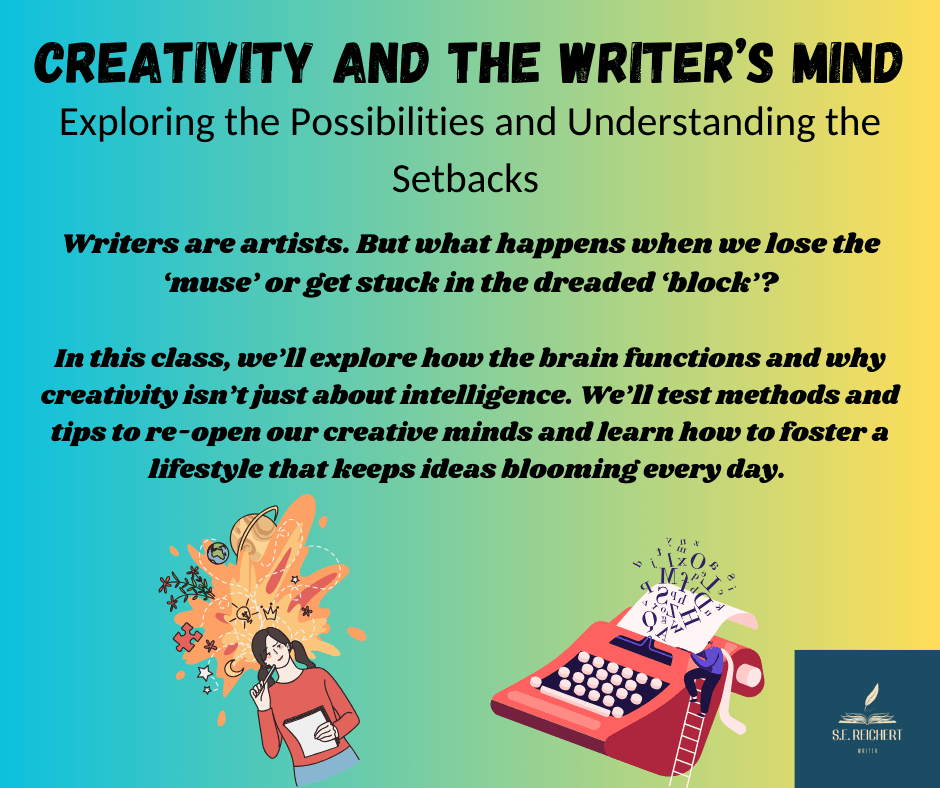
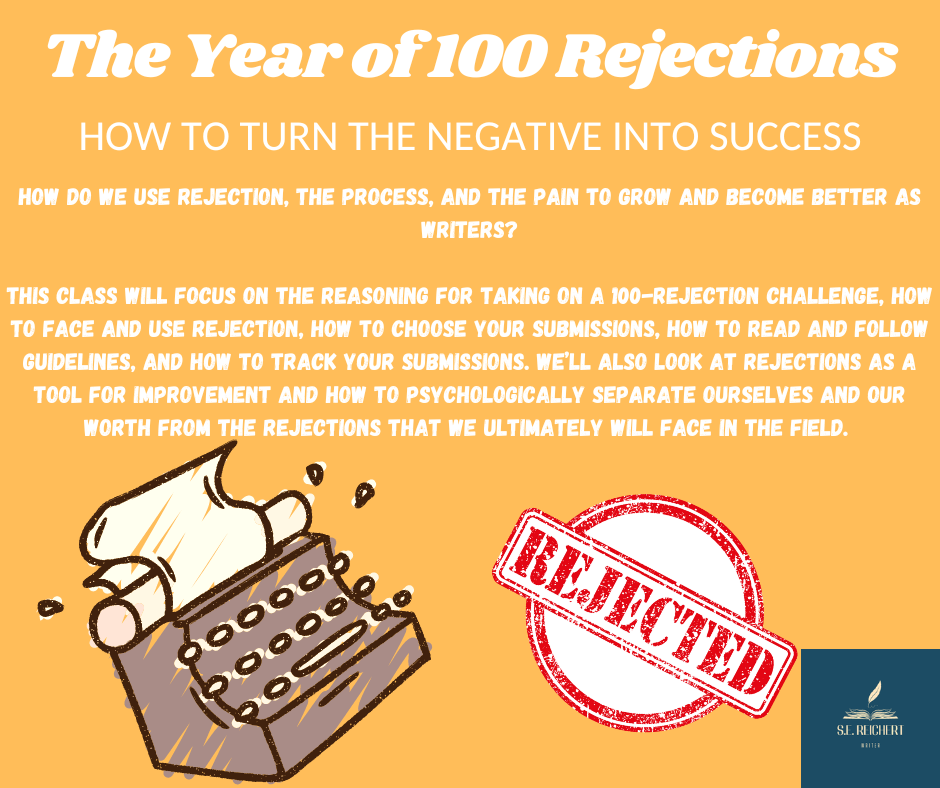
Finally, I’ll be attending the Rocky Mountain Fiction Writer’s Colorado Gold Conference at the end of the month and I’m all atwitter over it. Nervoucited? Excitous? I’ll be teaching the classes shown below at the event and trying to cram going to as many more as I can. The presenters are amazing, the content offered is awesome and I’m just gearing up to writer-geek out. Here’s the link if you want to register, because I would LOVE to see you there: RMFW Gold Conference.
Well, that’s it (as though all of this isn’t going to run me ragged) I hope that you find something cool to do with the month and I hope I get to see you sometime. Take care!
I’m not going to lie, I’ve been a busy bee of late, and I’ve got plenty on my plate to make me feel justified when I rehash an old blog, especially if it still fits with what I’d like to talk about.

This, being July and smack dab in the middle of the Writing Conference Season (I’m not sure if that should be a capitalized title, but it seems like an event so…I’m going with it) I thought it would useful to budding writers out there to go over some conference basics as well as some advice that has really helped me get the most out of them. This also being a totally new era, I’ve added some modifications to reflect our new Zoom/Teams lifestyles (not NEARLY as cool as a Rock n’ Roll lifestyle).

So, let’s get into the meaty goodness of writer’s conferences and why you should strive to attend at least one a year.


How do you choose which one to attend?

•	Firstly, most conferences, at least since the pandemic, have had to switch to some type of online format or perhaps online-in person hybrid to make accommodations for safety. So, the good news is, you may not have to shell out so much for travel expenses as they can be taken from the comfort of your home. Bad news is that you’ll still be at home and all the challenges that can go along with it. I’ll touch more on that later on.

•	If you are anything like me, you’re wealthy in creativity but strapped for cash. One of the biggest deciding factors, for me, is the cost of the conference, along with which classes, speakers, and agents will be there. Getting to pitch to an agent, or multiple agents for publishers specific to your genre is a boon. Classes that are not just interesting but will help expand your craft are also good factors to consider.

•	Some conferences are genre specific and if you are a comfort-hugging archetype who doesn’t flirt around outside your style and subject matter, then definitely consider something specifically geared to your genre. The Romance Writers of America used to host in fun and far-off lands like…San Diego and…New York City…*le sigh* Genre specific conferences are awesome if you’re looking to polish skills or start out in a new genre that you don’t normally write in. Don’t be afraid to flirt a bit (outside of your genre, that is *wink)

•	If you’re stuck deciding between two, look at the courses offered, the speakers presenting, and if they are offering pitch sessions, especially agents suited to your work. Pick the one that gives you the most opportunity for growth and stretches your creative and ambitious goals.

How do I get the most out of my conference?

•	Here’s what I’ve learned. Plan ahead but be flexible.

Conferences don’t just start the minute you pin that snazzy name badge on your seldom-used dress clothes (or, via online conferences, log in with only dress clothes on your upper half). They start the year before, during writing when you self-reflect on the issues you have with your WIP, your style, your grammar, or even the steps you want to take next. If you have trouble with dialogue but are a whiz at plotting out the perfect story arc, then use your conference to build up your weak points. Even if it means stepping out of your comfort zone. Which leads me to my next point:

•	Sit it on at least one session that is outside of your genre, comfort zone, or even interest.

Look, conferences can be amazing experiences but if you’ve been through sixteen hours of various takes on the query letter or trying to perfect your memoir pitches, you’re not growing as much as you could be. Why do athletes cross train? Why does an engineering major still have to take social science classes? Because learning about the realm outside yourself will make you better in all aspects of your work. Try a sci-fi world-building class or screenwriting. I guarantee, you will get something new out of it that will help your project and your craft.

•	Push your limits.

Talk to people you wouldn’t normally, share your story, your success, and your pitfalls. This is an awesome opportunity (I’m talking to you little introvert) to commiserate, vent, and rejoice in the craft you love so much. Pitch your novel, article, or story. Talk to the larger-than-life keynote speaker (here’s a hint: every single one of them I’ve had the pleasure to meet has been the kindest, most down-to-Earth and supportive writer). Come away feeling like the weekend/day was an experience that has changed you in some fundamental way.

How do I not get overwhelmed?

•	For goddess’ sake, take a break in the midst of it all. I’m the worst at this. I’m a classic victim of; “I paid the money and I’m going to hit every single class. I will volunteer, pitch, hit up the speakers at the dinner table, and stuff every bit of information into my head until explodes!” Then by day two, nothing makes sense in my mind, words are blurry, I’m not sure what my name is, and I’m crying into a self-made mashed-potato tower, while wearing Underoos on my head that clearly are not my own.

Take the breaks between sessions or even forgo a session and find a quiet corner or go for a walk outside. You need it to recharge, allow time to absorb the information and be refreshed for the next round. This is especially true for online conferences! Take the computer to different rooms (if they’re still quiet) or outside if available, take walks in between sessions, take eye and body breaks (look far off for a spell, or ‘rest’ your eyes away from the screen, get up and stretch as often as available). Its’ almost like interval training—the space between, the recovery is what sets you up for the next round, so take it.


•	If you are pitching to an agent or editor, polish the shit out of that thing beforehand. Take your pitch to your critique group, your friends, random people on the street before the conference and learn how to deliver it with confidence and clarity. Know your story, your characters, and your plot, inside and out. That first page should sing the sweetest siren’s song anyone has ever heart and lure the tepid agent from the afternoon lunch lull into something exciting they want to read more of. The more you practice your pitch, the more it will feel like a conversation with a good friend instead of an interview.

•	If you are pitching, don’t be intimidated by the agent or editor. Remember they are people. They are there, specifically, to talk to you. To hear your story. To find the next big thing. Most of them are also just like you…they may even be wearing Underoos and like mashed potatoes. The point is, it’s okay to be nervous, but don’t go in assuming they relish the idea of shooting you down. Be polite and always thank them for their time and any advice they have to give.

•	Sleep before. Sleep after. Eat nutritious food, take walks outside whenever you can, and watch the caffeine and the booze. Free coffee stations are like crack for me (or conversely at home for online conferences—having my own espresso machine) and cash bars are a tempting mistress at the end of a long, people-filled day. But you’ll have things to do the next day and Underoos will stay safely tucked in if you can avoid that third cocktail.

To conclude, I’d like to share one of the best lessons I’ve learned from conferences.

For every conference I attend, I add a layer to the writer in me. That is to say, through the people I meet, the classes I take, and the lectures I attend, I learn more about the craft. How, and when, and why, and what and all the technical attributes that come along with the delicate balance of creativity and grammatical science. But more than just the sum of these limitless parts, I learn a greater whole.

The whole that is me as a writer.

And in doing so, I’ve learned how to enjoy myself more at these kinds of functions by listening to my body, my brain, and my growing years of experience.

Back in the day, I would be hand-cramping from the steady stream of notes at each session. I would be tumbling from one to the next, chugging down coffee between in hopes to keep my energy up so I wouldn’t miss a thing. I would strategically place myself at the agent’s table who I wanted to garner the literary affections of. I would, in essence, be the adult version of my grade-school brown-nosing self.

Something happened one year, while at the meet and greet “networking” event. I found myself long past my emotional and mental boundary and crossing all lines of my introvert nature, to garner the attention of at least a few more experts in the field. I was mentally exhausted, untethered and I felt like I was on emotionally shaky ground. I realized after a long day of learning and being ‘on’ that I didn’t want to be there.

I didn’t understand my limits or that honoring them was at the core to being successful at a conference (and let’s face it, in life)

I thought I could talk it all day, learn it all day, do it all day. Nerding on a pro-level is a quintessential part of who I am. I loved hearing about other projects much more than I like talking about my own and reveled in the creativity and ingenuity of my fellow conference goers.

But…the more stories I heard, the more classes I took, the more advice I tried to apply—the less sure I became of my ability. The more tired I got, the more flustered I became, the wearier my mind, the less information I could process.

Until everything was just noise and words.

Then I learned a secret.

You don’t have to throw yourself under a bus to catch it.

Knowing your limits is not just useful in this particular scene. Knowing your limits is useful for all humans. And it comes with age and the ability to let go of unrealistic expectations.

During a few of my sessions, even as I listened to the speaker, I listened to myself. If I was inspired to write; I let myself write.

If the iron was hot, I struck while in the moment, abandoning the mad scribble of notes.

Did I miss a little of the presentations? Sure, but in the midst of other brilliant minds and the energy they impart, in the middle of shutting out the rest of the world, the heart and brain start to do this funny little dance and learn to play again.

Inspiration doesn’t always happen at the opportune times. You have to write when the words are ready and when the heart is open. Conferences have given my heart a doorway, an acceptance into writing what often builds up behind all my carefully constructed walls.

In years past, I’ve forced myself to jump the hurdles of social interaction and witty conversation until late hours, when all I really wanted was to wander off to a quiet room and take a nap.

I had to make it OK for myself to listen to that want, in order to get the most out of my time at conferences. These events open pathways, but only when we’re not too busy to see them. If we are embroiled in getting the most out of every single planned moment of the time, then we may miss the real lesson.

Creativity is like a river and if you fully submerged you’ll easily drown. You’ll miss the beauty of the ride, the view, and the sounds.

So, know yourself, Writer. Do the things that you know work for you. Let the river of creativity, carry you, but always leave yourself plenty of breathing room to be inspired.
Yeah, I did just title this blog that…No, I’m not sorry. Yes, I hope that song plays in your head all day. Yes, it may seem “Ludacris”. Yes, I did just make a dad joke out of it. No, you can’t get a refund, this shit is free.
This is actually a post from a couple of years ago, but oddly enough, I’m headed up tonight to the Wyoming Writers Conference again. And again, I’ll be pitching. So I’ve tweaked a few things but the advice remains solid. I hope it can help you.
Now, on to the blog
This week, tonight actually, I’ll be pitching a novel to a publishing company at the Wyoming Writers Conference in Casper, Wyoming. I know that this should be something I do at least every year but with the past couple of years spent in catching up and starting new jobs, and my creativity taking a giant dump of late, I haven’t had the drive, material, or need to throw myself into the ring.
But, by strange happenstance, the novel that I started at last year’s WWConference in Laramie, turned out to be one of my favorite books. Its a strange blossoming feeling of re-reading it and having it punch me in the gut and make me laugh-cry. I could independently publish it. But…the past years have taught me, that there’s no shame in rejection or in throwing your heart in the ring, especially when you really believe in something you’ve created. So I slammed the breaks down and took a breath. A pause. A consideration. That if the story was “Well written, with a voice we really like” that maybe I should give it another tour around the pasture before sending it out, on my own.
So here I am again, years later, still sweaty palmed, reading and re-reading, and choking on my elevator pitch and changing it a dozen times to get the most depth of the story in the fewest words. And it’s exhausting. The sudden surge of trepidation inspired me go through some of my notes from previous classes and books on pitching. And here’s what I have to offer:
Agents and publishers are human beings. They’ve probably slept horribly, are sore and uncomfortable from sitting, have heard a lot of story ideas, and are probably thinking about the cash bar. Just like you. So don’t treat them like a god up on Olympus by cowering or waving tribute in their faces. Be kind, be polite, and use some of your allotted time to treat them with dignity and respect. They’re there because they love reading and want to find a good story.
Tell them why you love your story. Yes, yes, the general plot, genre, main character and conflict…but what is it about your book that fills your heart. Why do you find a reason to read and re-read it? What were some of the best compliments you receive from your beta readers. Human beings respond to enthusiasm and genuine admiration. Otherwise, we’d never watch baseball. Moving on.
Be organized. Have a synopsis ready, bring a query letter and your business card. It’s been a long day for them and you; stories might start running together and they may need a gentle reminder what the 4:55 pm pitch was.
Be open to suggestions and critique. Whoof, this one is hard, right? After all, we just gushed about what we love in our book. While you love it (or hate it depending on how many goddamn times you’ve had to read it and rewrite it) it is also a good time, before you sit down at that table, to think of your fledgling story like a kid going off to college. Its stepping out into the world to be made better, smarter, stronger. It has a lot to learn, so let it be open to becoming something more and living up to its potential. It isn’t a reflection on you as a parent, it’s a starting point for even more amazing results to come.
Follow up. I’ve sat in the pitch sessions where every agent gave me their card and asked for ten pages. I thought I was a goddamn genius and that they’d be engaged in a bidding war over my book within weeks. Um…hate to ruin the ending there but THAT didn’t happen. Sometimes agents are required by the conferences they attend to receive a certain number of pitches. Sometimes an agent is mildly interested and looking for something to pad up their own resume. Sometimes they’re just bust-ass tired and like a parent giving in and handing their kid a remote cause they just can’t listen anymore, they pass along their card with a defeated…”stay in touch”. That being said, if it happens, act as though it’s the bidding war situation, not the tired parent. Send them what they asked for, in the format they asked for it in, and be respectful with your letter. ALWAYS INCLUDING: your name, that you met at ‘such and such conference’ and that they requested your pages. If you can, PLEASE include some other more personal detail. “It was fun talking to you about your dog, Jasper” (write that kind of thing down on their business card) but don’t make it too personal “I hope your rash has cleared up.” (that’s creepy)
After it’s all said and done a pitch session is like any other interaction introverts dread. You have to talk, somewhat excitedly, about something you love and worked hard on, and thereby risk rejection and public shaming. But please remember that the person sitting across from you is also probably an introvert (or works with a lot of them) and just wants you to tell them a good story.
Good luck out there, and if you’ll be in Casper this weekend for the conference I’d love to sit down and chat about pitches, your book, all the wonderful things we’re working on. Happy writing.
Hello friends. Today is the start of the Writing Heights Writers Conference here in Fort Collins, so I’ll be away from my website and blog for a few days while I help out.
I’ve been a part of the writing community for quite a few years (15?) and have attended several conferences, classes and events as both a member and now part of the team. Far from being an expert, I feel like I’m still learning things every time I step out into these forays with other writers. About writing, yes, but also about trends, and people, and methods, and humanity. And myself. Lately, I haven’t been very impressed with myself as a writer. In fact, my startling lack of creativity and drive has been kind of frightening. Even an 800 word blog post feels like a struggle. Nevermind that I have an anthology I’m supposed to be putting together in a month.
So what the actual fuck is my problem? Well…I mean I have a lot of them. But you don’t have time and nobody wants to hear the sad-sack history, but I think this particular existential crisis is coming from a hard round of lessons and the decisions I had to make because of them.
For a long time I was driven by a duel sense of purpose. But lately I’ve felt as though I’m faltering in that. Not because I don’t still love writing, or teaching, or any of the things I’m currently doing, but because I think I’ve put an unbalanced load of it all on my plate.
You see, I used to have martial arts as a balance. Something very physical, extroverted, technical to fill up the other side of my life, so that writing in its quiet, introverted, creative expanse was an equal partner. In this way my brain and body were fed, my need for social interaction balanced with my need for solitude. But now–without it in my life due to unfortunately but necessary circumstances, I’m very wobbly.
I think for too long I defined myself as both. And therein lies the problem. I have been feeling, these past months, half full. Half alive. Half of what I know I can be. I have filled the empty space with more writing obligations but it’s drained the creative parts of me. It’s made me no look forward to butt-in-the-chair time, and I am…edgy.
So the next two weeks are both filled with conferences, and book sales, and networking, and hopefully a reawakening of my creativity will be found sometime between the cocktail hours and the moderating classes. But I worry, that I will only feel more drained afterwards. And what then?
I guess it will be time to find a new balance. A new pursuit. A new purpose, to fill that other half of my soul. Breaks my heart to even consider it. This blog really doesn’t have a purpose itself. Just to let you know, I’m struggling. And as much as I love writing, I recognize that it is one piece of my soul that can’t drive my entire life, nonstop forever.
If you see me at the conference, stop and say hi. I’ll be the one juggling my existential crisis in the back of the room.
There are plenty of ways to keep your skills sharp as a writer. Last week, I covered the conference season and this post will be similar in that I’m going to give you some online resources for improving your writing skill, developing a business or marketing plan, and helping to boost your creativity. Just like conferences, a writer can easily blow their budget by trying to train themselves into success. My goal is to offer you a spectrum of options with the caveat that classes can show you how to write better, give you pointers on the business side of things and offer marketing advice, inspire new ideas, and improve your editing. About the only thing they can’t do is write your book for you.
The Long Haul:
MFA/MA Programs: These programs (Master of Fine Arts and Master of Arts) are advanced, graduate degrees that can help to help your overall exposure to the big picture of writing (MA tends to focus more on Literature and less on writing, MFA can be broken down into Creative Writing, Journalism, Linguistics, etc). In these programs you will learn pretty much everything, from plot and structure, to dialogue and character development, to grammar and editing. It will take two years at least, and the cost averages out to about $38,000, not counting room and board. You’ll read an enormous amount of material. You’ll probably complete a novel or collection as part of your thesis. Not a horrible way to go, but studies are showing that the cost of MFA programs are often not paid back in employment afterwards so–carefully think through that one.
Online Writing Courses:
A number of reputable online courses and classes are now offered through various writing groups, professional/successful authors, and university departments. The courses are less intensive than a MFA and can often be done at your convenience. They cost a lot less (some are even free) and you can often pick and chose the ones that will benefit you the most. Here’s a small list courtesy of softwaretestinghelp.com:
Wesleyan University Creative Writing Specialization
Gotham Writers Online Writing Classes
Reedsy Learning Courses
Udemy Creative Writing Courses
edX Creative Writing Courses
FutureLearn Creative Arts and Media Writing Courses
I’m going to offer this plug one more time, because I truly believe in this conference and because it’s completely hybrid, you can attend from anywhere in the world, participate, and get the benefits without the travel costs, having to get dressed up, or use a public restroom–winner, winner, chicken dinner. Register for this one:
For this area of your continuing education I’ll ask that you explore seminars (mini conferences, or a series of five or more classes on one topic, like Novel Writing) and retreats in your area. I’m sure there are beautiful, far-flung retreats in tropical islands that are also available, but with travel restrictions, lack of funds, and a busy life outside of writing, those may not always be attainable, so do a little research closer to home. Some of my favorite retreats and seminars have been offered through Writing Heights Writers Association at a very fair cost and are conveniently located. It also helps my sense of altruism to know I’m giving my money into a local organization that turns around and helps other writers in my area.
Retreats tend to fall into two categories, those with classes/seminars and free-write time, and those with simply free-writing time, punctuated with social hours. You may wonder how effective three or four days, stuck in a lodge, with nothing but time spent writing can be as beneficial as say, a whole weekend of conference classes. Well, young writer, let me elaborate.
Classes, conferences and seminars are excellent resources for enhancing your writing and helping you learn technique as well as opening up your mind to the business side of things–just like I mentioned above. And, just like I mentioned above, they can’t write a book for you. Only you and time can do that. As a mother of two busy kids, with a couple of side gigs, and a whole household to run–I don’t always have time to write. Somedays I’m lucky to get 20 minutes in. So to have four days, uninterrupted by children, husbands, dogs, laundry, volunteering, teaching, or grocery shopping, cleaning, and yard work, just focused on my writing is priceless. I’ve finished novels in that time. I’ve written four months of blog posts and edited entire series. I’ve barreled through plot holes that I thought I could never find solutions to.
The truth is, when there’s nothing else to pull your procrastination strings, you can get some shit done. PLUS, its immensely helpful to be surrounded by other writers while they’re “in the zone”. There is an inexplicable energy that catches you up when you’re surrounded by other souls and brains focused on their art and passion. Plus there’s usually some socializing/decompression hours at the end of the day to give yourself respite.
Okay–that seemed like a lot of info and I don’t want to bore you to tears. Check out some of the ideas above this week for taking yourself back to school. When we invest in our writing, it becomes less the pipe dream, and more of an attainable goal. Good luck out there, writers. Keep me posted on your progress or if you’ve found some great retreats, classes, and resources yourself!






 Sarah Reichert Author