Creativity and The Writer: Part 1

Feels like that could equally say, “Beauty and The Beast”. So many ideas of what creativity is exist. Is it limited by IQ? Is it genetic? Does it only happen at given times or is it always on the bench, waiting to be put into play? Do some people have more of it? Does it dry up?

Often, as a writer, I’ve asked myself all of these. At times she has felt like a constant companion, whispering ideas and daydreams into my ear. At times, it feels like I’m alone in the middle of a lifeless desert, not an idea or a breath to take. When the good is good, ah they high it brings. When she’s nowhere to be found, there’s not a deeper low. And sometimes it feels like some writers are blessed with a giant bag of it, that they can’t possibly use in one lifetime, while mine is just an empty plastic bag, with a hole in the bottom.

I know many things, physically, can affect your creativity so I’m going to start there. Here are some basics you ought to know:

  1. You need sleep. Sure, sleep deprivation can give you some really interesting half-cocked (i just wanted to use that word) ideas. But they’re rarely fully formed enough to make much out of, especially once you’re coherent enough. Get sleep. Your brain needs it to problem solve, and that’s a HUGE factor in being creative.
  2. Don’t treat your body like a circus tent. Eat good foods, vegetables, lean and clean protein, drink water, watch the sugar and the processed foods. Limit the caffeine (see sleep more). Vitamins, nutrients, and minerals all help to keep your synapses firing correctly and your brain clear.
  3. Cut back the Alcohol. I’m not ashamed to say I struggle with this one. Its in my genes, and I have to be very conscious about it. I’m actually taking steps towards sobriety. One glass of wine softens my brain enough to let go of my anxiety and words seem to come easier. But I’m not the kind of person who can stop at one glass usually. Because if one feels good…two would be great right? And why not a third? And pretty soon you can’t even see straight and the brilliant ideas of last night that you scribbled down are incoherent the next morning. Creativity works better with Clarity.
  4. Exercise. Might surprise you to know that the old brain needs oxygen to function. How does it get that? Through our vascular system. Want to have a healthier vascular system? Exercise. Not only does it increase your oxygen level and hit you up with a tasty dose of endorphins, it gives your muscles, joints, and tendons a lot of love and attention. I don’t care how you do it, (bike, run, walk, lift, yoga, pilates, belly-dancing, martial arts) just do it, at least 30 minutes a day. Bonus points for doing it outside.
  5. Take time away from your screens. This one is going to lead into part 2. We are an overstimulated bunch of hairless monkeys. My goddess, did they do a number on us the day social media was invented. Here’s a little hit off a fake feeling of mattering. Now get twenty thousand of them a day while you scroll through nothing but recirculated and watered down ideas. Nothing original, nothing too insightful, and please feel free to stay in your designated echo chamber. I truly believe these systems, algorithms, AI and the entire corporate conglomerate of Meta is one of THE BIGGEST creativity killers ever known to humans.

So, that’s the beginning, taking care of the basic human needs that create an environment conducive to creativity. Think of it like a garden. You can’t grow anything in a dry and poisoned patch of dirt. It needs all the good stuff to begin a healthy bunch of ideas. Next week, we’ll talk about a little more about what creativity is and what it is not, and you’ll get another good list of ways to cultivate it and use it in all aspects of your life.

Happy writing!
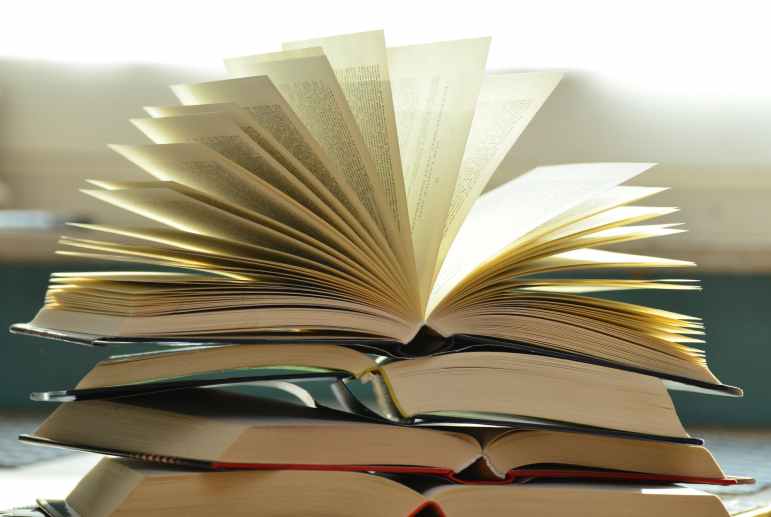
My Random Summer Reading List

I know it’s been said that a writer must read a lot in order to write well.

This was probably said by someone whose only job was to write. It was definitely not written by a mom who works two extra jobs in addition to writing and parenting. I know that time is limited. And although I LOVE to read, I also know that it sometimes takes a back seat to the ‘have-to’ list that is my life. So I would amend that you should read as often as you can. And it doesn’t have to be grand, sweeping novels of classical literature. Reading articles (well written and somewhat brain stimulating), short stories, poetry, or flash fiction all count.

Being what it is, when I get to sit down and read a book, I will often fall into lighter genres of fiction, usually, with a preference for romance, suspense, psychological thrillers, fantasy and urban fantasy, speculative, some sci fi, and a dash of historical fiction. That’s not to say I don’t read non-fiction. But I tend to reserve those books for book club invites and I’m not too proud to say there are some of those I never finished.

So, in thinking about reading, I’d like to offer you some good rules for every writer to follow when it comes to the limited time you have.

  • You should always have three different books on your nightstand at all times.
    • Something you love (by genre or author)
    • Something that challenges you (out of your genre, or tougher content)
    • Something that broadens your knowledge base or improves your craft.
  • Take a book along whenever you
    • have more than five minutes to wait
    • are traveling, anywhere
    • want to feign being ‘busy’ in the company of people you’d rather not talk to.
  • When you find yourself dreading a book, not because it’s challenging to your beliefs or makes you similarly uncomfortable, but because it’s nauseatingly boring or poorly written…stop reading it and move on. Life is too short to waste reading time on something that doesn’t bring you joy or positive change

So, now that you have a good reference for how to choose a book and how to get it written, here’s a list of books I’ve recently finished reading or are on my nightstand. I encourage you to be eclectic and curious when you chose your books, but always have something familiar for the nights when you need the comfort of an author or genre you’re familiar with.

Check these out:

In the category of craft/professional development:

  1. Bursts of Brilliance for a Creative Life by Teresa R. Funke
  2. Breakthrough: How to Overcome Doubt, Fear, and Resistance to Become Your Ultimate Creative Self by Todd Mitchell
  3. Write Naked by Jennifer Probst
  4. Ed Parker’s Encyclopedia of Kenpo by Ed Parker
  5. Seishin Shuyo: Mental Training in Traditional Martial Arts by Jimmy Lockett
  6. The Trail Runner’s Companion by Sarah Lavender Smith

For something that challenges/stretches my worldview and brains:

  1. Killers of The Flower Moon: The Osage Murders and the Birth of the FBI by David Grann
  2. Rising Strong by Brené Brown
  3. White Fragility by Robin DiAngelo
  4. How to See Yourself as You Really Are by the Dalai Lama
  5. TransQuality by Bethany Beeler
  6. Ornkey: A Historical Guide by Caroline Wickham Jones

In the category of somethings I love:

  1. Mr. Tender’s Girl by Carter Wilson (all of his books thus far have been phenomenal)
  2. The Miriam Black series by Chuck Wendig (again, a smart, beautiful writer, with a heavy dose of IDGAF bravado)
  3. Bravely by Maggie Stiefvater (haven’t read yet, but looking forward to it)
  4. The Silent Patient by Alex Michaelides (I couldn’t put this one down)
  5. The Gallaghers of Ardmore Trilogy by Nora Roberts (both of these series are ones I could reread every year)
  6. The Three Sisters Island Trilogy by Nora Roberts

Well, there you have it. Go forth and spend some of these beautiful days, beneath the shade of a tree, losing yourself in the written word. Voracious readers (in the time they have to give) make better writers.