What’s Up This Month?

Wow, I’m so glad you asked. I’d love to say, I’ll be doing a lot of fall gardening, hiking to my heart’s content, writing in hoodies with hot tea and snuggling into the fall. Unfortunately, its still hot as balls here, and a writer’s work is never done. So none of that will transpire (though I may sneak away for a hike). Below are some links on where I’ll be, what I’ll be doing, and some cool books, events and classes I hope you’ll check out. Not to sound altruistic, but its not all about me here…

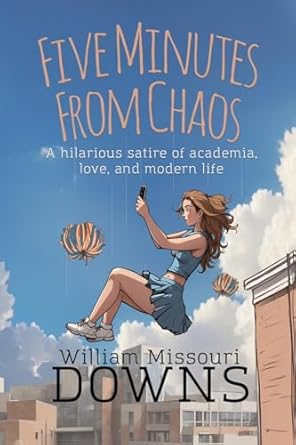
One of my favorite people in the whole world is releasing his first novel today (September 5th). William Missouri Downs is a delightful, ingenious writer. He’s been a play and screen writer for many years and this is his first foray into fiction. And let me tell you…its fucking brilliant. If you like humor, philosophy, and quick, fun, laugh-out-loud scenes, you won’t be disappointed. You can get your own copy of it here: 5 Minutes From Chaos

My first Youth Writer’s meeting happens on September 14th. The group meets once a month but in the next year we’ll be bringing in some stellar guest speakers and doing a lot more to help the members get writing time in and promote their work. If you know of a youth (12-18) who loves to write but who’s creativity is constantly being smooshed flat by diagraming sentences in English class, send them my way. Nothing but uneducated, free-wheeling writing going on here. It’s in person and virtual and FREE. Check it out here: Youth Writing WHWA

I’m taking my oldest daughter on a college visit to New York state. I don’t want to pressure her, but I’m really hoping she likes The University of New York Fredonia, because one of my bestest friends works there in the English department. I’ll actually get to see her while I’m in town, and this lady Rebecca Cuthbert, is a writer you should get to know. Her work is brilliant, dark, smart, delicious and spine tingling. I just love it. Her newest books and releases can be found here: Rebecca Cuthbert

I’ll be helping to host some of the events with Writing Heights Writer’s Association, so if you want more information on a great group that will help you better your writing skill and offer you a wonderful support system of other writers who really get it, check them out here: WHWA

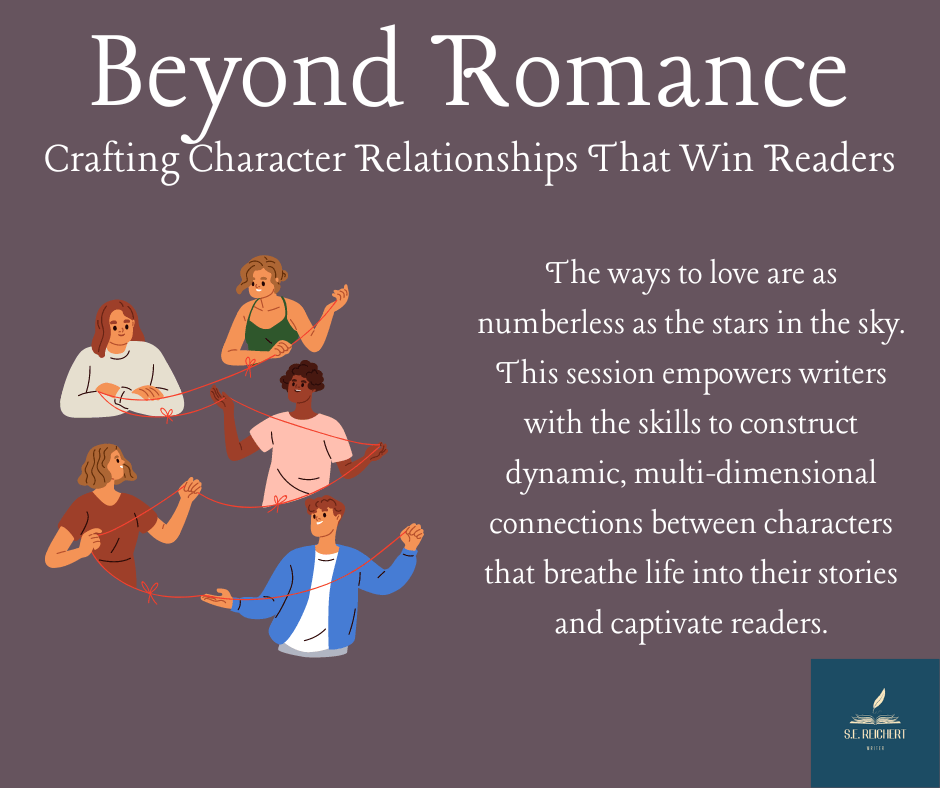
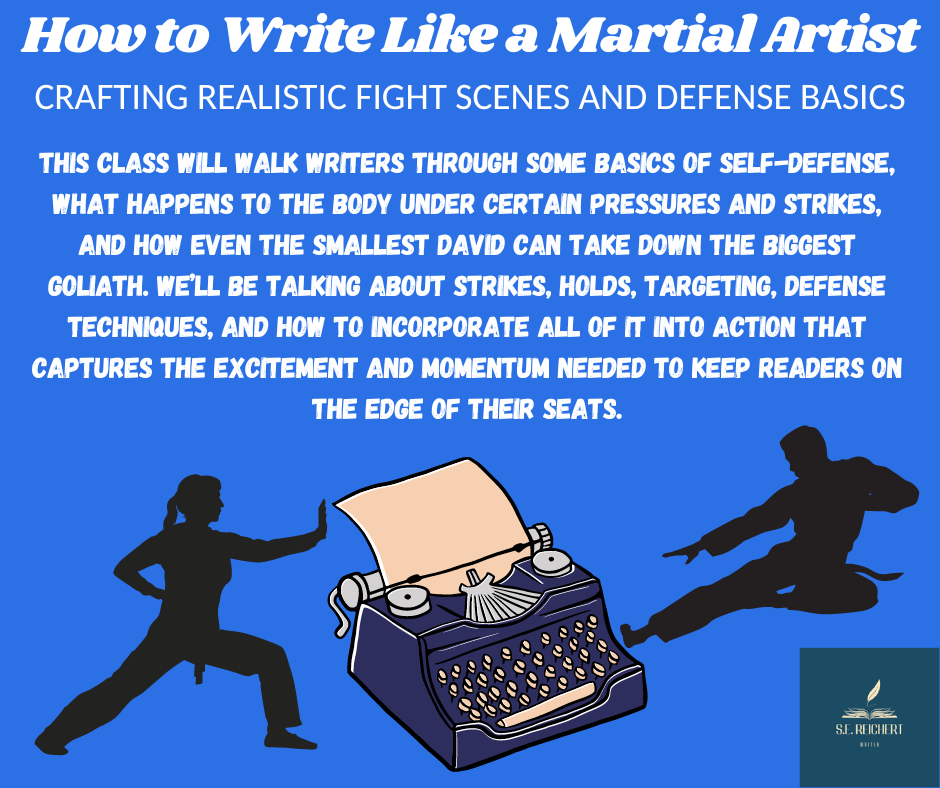
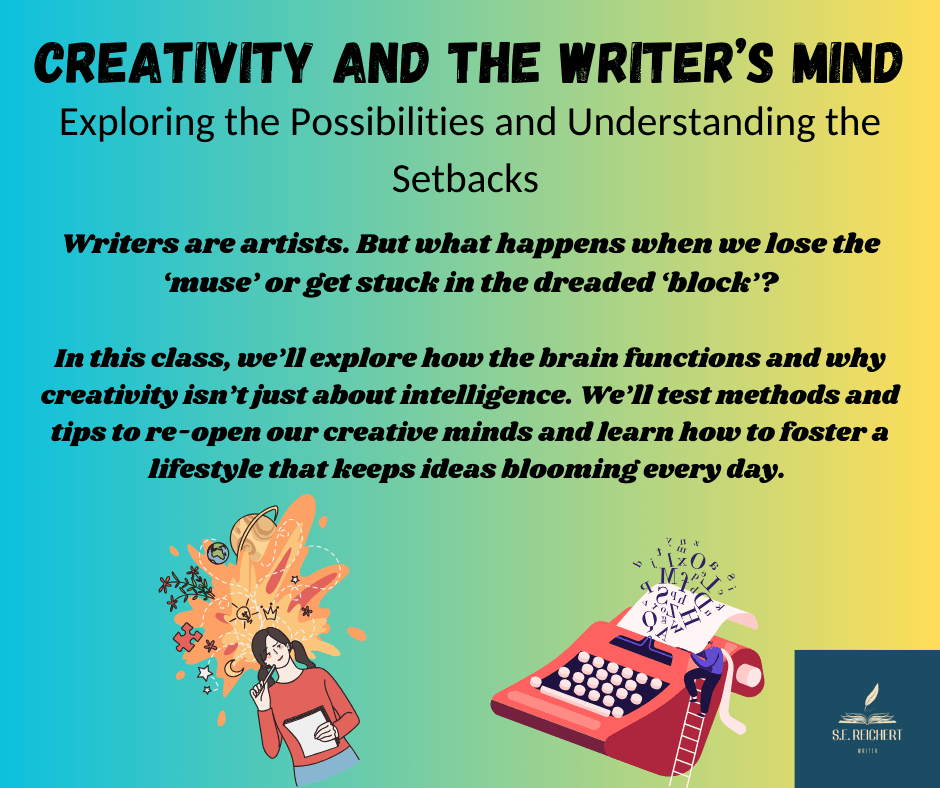
Finally, I’ll be attending the Rocky Mountain Fiction Writer’s Colorado Gold Conference at the end of the month and I’m all atwitter over it. Nervoucited? Excitous? I’ll be teaching the classes shown below at the event and trying to cram going to as many more as I can. The presenters are amazing, the content offered is awesome and I’m just gearing up to writer-geek out. Here’s the link if you want to register, because I would LOVE to see you there: RMFW Gold Conference.
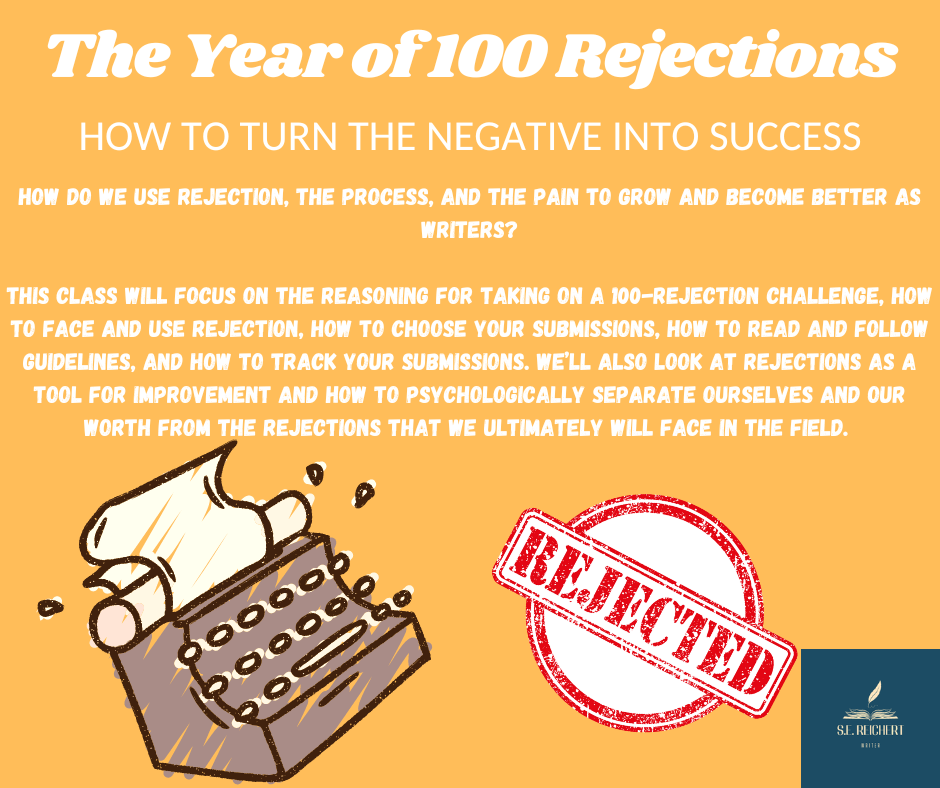
Well, that’s it (as though all of this isn’t going to run me ragged) I hope that you find something cool to do with the month and I hope I get to see you sometime. Take care!

Creativity and The Writer: Part 2

Hey kids. If I hadn’t mentioned it before, a lot of what I’m talking about this week (and last) I learned from a great class at the Wyoming Writers Conference a couple of weeks ago with William Missouri Downs, a screen and play writer with years of amazing experience. If you have the chance, check out his work. His class has been on replay in my mind so I thought I’d share the good stuff.

Last week we did a little basic housekeeping when you’re trying to foster a more creative life. This week, we’re going to go a bit deeper into what creativity is and why, sometimes, it can be hard to grasp.

First of all, creativity is not something you’re generally born with. There maybe certain individuals who seem to have an easier time being creative, but for the most part, anyone can become more creative. Because, at the root of creativity, is the ability to open your mind to new possibilities and new solutions, and that starts with a few things:

  1. Be curious…about everything. Read articles and blogs on anything that grabs your interest. Give yourself space to wonder and research, even if it’s about the mating habits of the Pygmy Sherbert Moth of Southern Cambodia. Learning about different and strange things will actually help your brain spark ideas and forge connections that you might not have before.
  2. Learn how to concentrate. It seems counter intuitive that creatives are able to sit and focus for long periods of time (maybe its that stereotype of the flighty artist, flitting around the room on several projects) but being able to concentrate, uninterrupted, leads to alpha states which leads to ‘flow writing’. And it also keeps you working at a problem until a reasonable solution is found. Think of it as mental stamina, and we all could use more of that.
  3. Set aside time for your art and PROTECT YOUR SOLITUDE. I don’t think more needs to be said, except that it also means being able to be alone, and creating boundaries (even with the people you love) to protect your writing space. When people in your life ask what they can do to help, be honest and ask for alone time to write and create.
  4. Look for options long after others have given up on a problem. Explore all angles and possibilities. Even the ridiculous and absurd solutions–find those and play, because one thing may lead to another, to another, eventually to the right thing. Whether it’s a plot hole, or a crisis resolution, be open to the strange and impossible. Being stuck is an opportunity to do something different, to get your head completely out of the box.
  5. Take chances and accept failure as part of the process. Failures lead to knowledge and knowing you will fail means you take every opportunity as a chance to learn more about what works and what doesn’t without judging it or yourself too much. Safety is not a place you learn anything.
  6. Have several different interests. Yes you’re a writer. But you’re also a yogi, or a bat tamer, or a bee keeper or a circus performer. Spend time learning and growing in as many places as you can. We should all actually strive to be Jacks and Janes of All Trades. After all, the whole saying is that “a jack of all trades is a master of none, but oftentimes better than a master of one.” This goes back to making those strange and creative connections between things and solving problems outside of the normal lanes of knowledge.
  7. Be persistent, write every day without fail. Meet your deadlines (other people’s or self-imposed), without fail. Yes, yes, I know there’s a lot of writing advice out there. And some people don’t write everyday and they’re perfectly happy and successful. I think writing everyday is not so much a direct line to your success in the field, so much as it’s an investment in yourself and a way to give back to your time, your space, and your own sanity.

There are plenty of exercises you can find in books and online to help boost your writing creativity but the habits above will help you cultivate a lifestyle where your brain can do what it was born to. And that’s, create.

Be willing to throw outrageous suggestions and ideas up on your board and not make judgements. Free flow new ideas out on a page without looking back as they land. Then give yourself an hour or a night and come back to it. Even if none of them seem viable, they may lead to different avenues that will be your next great idea.

Well, that’s the short, short version. I hope you have a creative week and feel free to email me here on the site if you have any questions or just want to chat about writing.

Good luck.