Creativity and The Writer: Part 2

Hey kids. If I hadn’t mentioned it before, a lot of what I’m talking about this week (and last) I learned from a great class at the Wyoming Writers Conference a couple of weeks ago with William Missouri Downs, a screen and play writer with years of amazing experience. If you have the chance, check out his work. His class has been on replay in my mind so I thought I’d share the good stuff.

Last week we did a little basic housekeeping when you’re trying to foster a more creative life. This week, we’re going to go a bit deeper into what creativity is and why, sometimes, it can be hard to grasp.

First of all, creativity is not something you’re generally born with. There maybe certain individuals who seem to have an easier time being creative, but for the most part, anyone can become more creative. Because, at the root of creativity, is the ability to open your mind to new possibilities and new solutions, and that starts with a few things:

  1. Be curious…about everything. Read articles and blogs on anything that grabs your interest. Give yourself space to wonder and research, even if it’s about the mating habits of the Pygmy Sherbert Moth of Southern Cambodia. Learning about different and strange things will actually help your brain spark ideas and forge connections that you might not have before.
  2. Learn how to concentrate. It seems counter intuitive that creatives are able to sit and focus for long periods of time (maybe its that stereotype of the flighty artist, flitting around the room on several projects) but being able to concentrate, uninterrupted, leads to alpha states which leads to ‘flow writing’. And it also keeps you working at a problem until a reasonable solution is found. Think of it as mental stamina, and we all could use more of that.
  3. Set aside time for your art and PROTECT YOUR SOLITUDE. I don’t think more needs to be said, except that it also means being able to be alone, and creating boundaries (even with the people you love) to protect your writing space. When people in your life ask what they can do to help, be honest and ask for alone time to write and create.
  4. Look for options long after others have given up on a problem. Explore all angles and possibilities. Even the ridiculous and absurd solutions–find those and play, because one thing may lead to another, to another, eventually to the right thing. Whether it’s a plot hole, or a crisis resolution, be open to the strange and impossible. Being stuck is an opportunity to do something different, to get your head completely out of the box.
  5. Take chances and accept failure as part of the process. Failures lead to knowledge and knowing you will fail means you take every opportunity as a chance to learn more about what works and what doesn’t without judging it or yourself too much. Safety is not a place you learn anything.
  6. Have several different interests. Yes you’re a writer. But you’re also a yogi, or a bat tamer, or a bee keeper or a circus performer. Spend time learning and growing in as many places as you can. We should all actually strive to be Jacks and Janes of All Trades. After all, the whole saying is that “a jack of all trades is a master of none, but oftentimes better than a master of one.” This goes back to making those strange and creative connections between things and solving problems outside of the normal lanes of knowledge.
  7. Be persistent, write every day without fail. Meet your deadlines (other people’s or self-imposed), without fail. Yes, yes, I know there’s a lot of writing advice out there. And some people don’t write everyday and they’re perfectly happy and successful. I think writing everyday is not so much a direct line to your success in the field, so much as it’s an investment in yourself and a way to give back to your time, your space, and your own sanity.

There are plenty of exercises you can find in books and online to help boost your writing creativity but the habits above will help you cultivate a lifestyle where your brain can do what it was born to. And that’s, create.

Be willing to throw outrageous suggestions and ideas up on your board and not make judgements. Free flow new ideas out on a page without looking back as they land. Then give yourself an hour or a night and come back to it. Even if none of them seem viable, they may lead to different avenues that will be your next great idea.

Well, that’s the short, short version. I hope you have a creative week and feel free to email me here on the site if you have any questions or just want to chat about writing.

Good luck.

Undiscovered You


Now, I know last week I talked about taking life down a notch, enjoying the time we have and not stressing about impressing others. And I was honest in my expression of those thoughts.

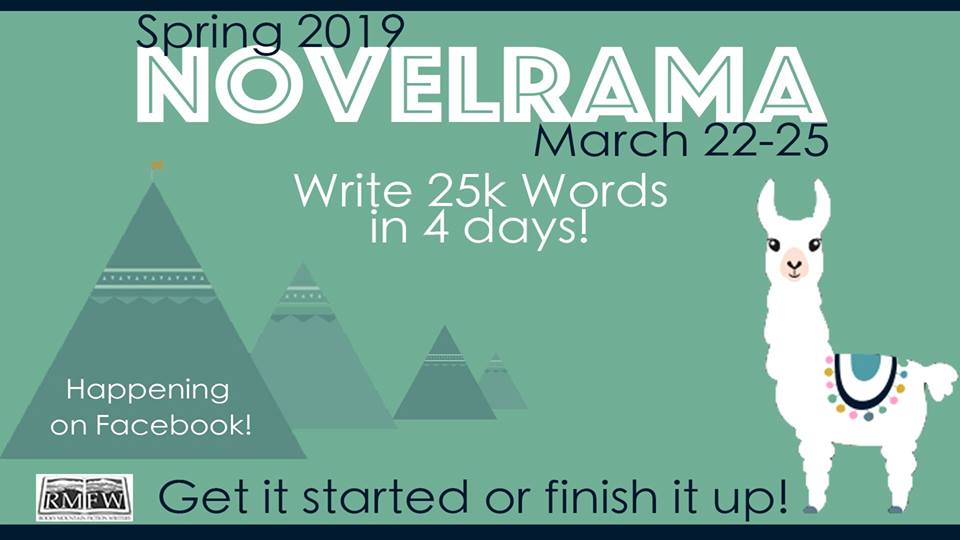
Then what did I do? I turned around and signed up for a writing challenge last weekend, sponsored by the lovely folks at Rocky Mountain Fiction Writers, a volunteer group based in Colorado. The challenge was done through a dedicated page on FaceBook and the aspiration was to reach 25,000 words in 4 days, with daily check ins.

Novelrama


I know. I know. I said I wasn’t going to push beyond what I needed and no one needs to finish a novella or half a novel in four days. That being said, of the few things in life that bring me true joy, writing is one. So to have a challenge that gives me reason to put my writing first above all other priorities was very good for my practice and for my mental health. I had a justifiable reason to get on the computer, shut out the world and work. I had a goal to get to!

And here’s what I learned:

1.) Sometimes a thing seems impossible; until it’s not.

That is to say, that mountain looks insane and unclimbable when all you’re doing is standing at the base looking up at the top. But if you start walking and focus on the trail ahead of you, taking on the obstacles in your present moment one at a time, soon you’ve found you’ve reached the next rise… and the next, and the next.

Large things aren’t accomplished in one step. They are accomplished by persevering through all of the little steps on the way.

2.) My family didn’t fall apart when I retreated into my writing for a while.

Sure…eventually if you lock yourself away in hermitude, giving everything you have to your craft, your children forget they had a mom, your spouse doesn’t remember what you look like, and all your houseplants will die.

But nine times out of ten, when you need an hour to focus on your work in progress, your kids and family and houseplants will manage just fine. They might even be better for it, having been so bored for so long that they had to go and make their own fun.

In your life, the laundry can wait, the e-mails, the FaceBook updates, the schedules etc, can take a back burner temporarily while you work on a dream.

3.) Writer’s block sort of disappears when you don’t have the time to self-edit or doubt.

Now listen, this thing I wrote is rough. I mean ROUGH.

The spelling, the punctuation, the grammar, the inconsistent plot line and character flaws… the total lack of reasoning in some cases…it’s a bonafide mess. But it’s also raw and flowing. There were no stutter stops or abrupt changes because I didn’t have time to stop and rethink. Character’s said what they meant, and did it efficiently because I had a story-line to build. And I think my ability to follow the character’s lead improved, letting them do what they do without my intervention led to a more interesting twists, and brighter characters.

4.) Never underestimate the power of having people in your corner

Ya’ll…I didn’t even know the people who participated in the Spring Novelrama either to write, or to mediate writing sprints, or to send memes and inspirational videos. And yet not a single one of them, from what I read, had a disparaging word for their fellow writers. When the word counts were paltry, or life was distracting us, or if someone had gotten caught up editing and *gasp* lost words, every response was that of “I’ve been there, I know it, you’re gonna get through this! You’re doing great!” And getting told that three or four times a day by writers more experienced and talented than you can really start to make you feel like:

5.) I’m kind of awesome.

Now listen, I know that sounds cocky. But if any of you know me in real life, you know that I’m not very generous when it comes to dolling out self-esteem. I’ll be the first to tell you all of my flaws and give you a detailed list of why I’m the least capable person in the world for anything.

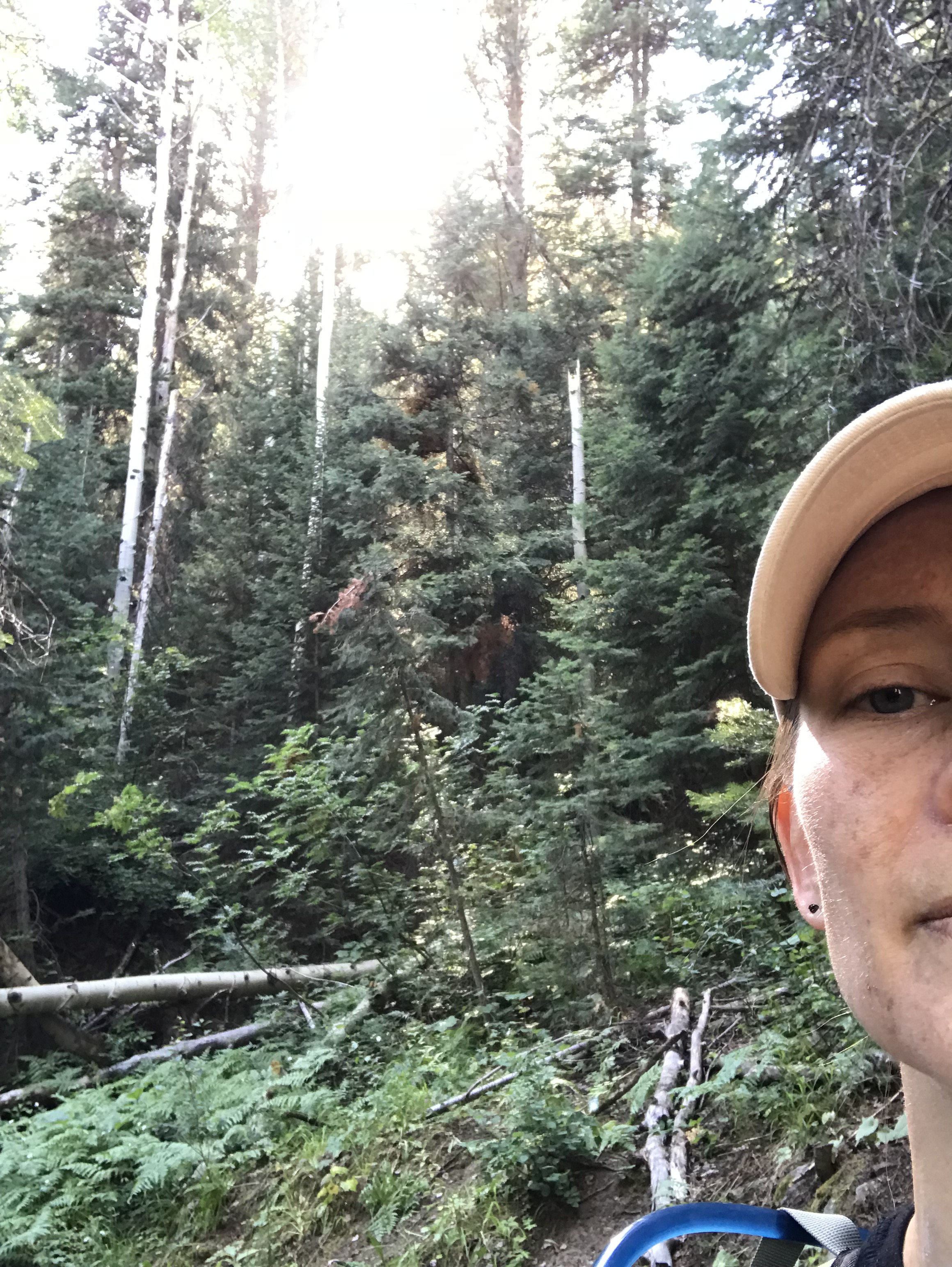
But when you get to the top of a mountain that you once thought was impossible to climb, you learn a lot about yourself. How dedicated you can be. How well you can step up when something matters to you. So the next mountain over still might be scary but now you know you have the determination and persistence to conquer it. And knowing that is half the battle in recognizing your awesomeness.

IMG_5766

So big picture message here is this: Don’t not try something just because it seems hard or even impossible. Mastery is achieved by accepting difficulties. Living in the moment and taking the steps we can until the impossibility passes beneath our feet like rocky ground. Go do something amazing today, startle yourself, challenge yourself. Whether it be in your work or in your passion (I would love if, for all of us, that was one and the same), take a little leap and trade the fear for faith that it will all work out.

Surround yourself with good people who are sympathetic to your struggle but won’t be enablers to your pity party.

Thank you to all that participated and helped run the contest. Thanks for my quirky new novel that has everything from deep-rooted government conspiracies, to genetically modified super soldiers, to in depth conversations about leg shaving.

Go on now writer. Set a goal, give it a timeline, and get on with discovering who you can be.

You’ve got awesome written all over you today.