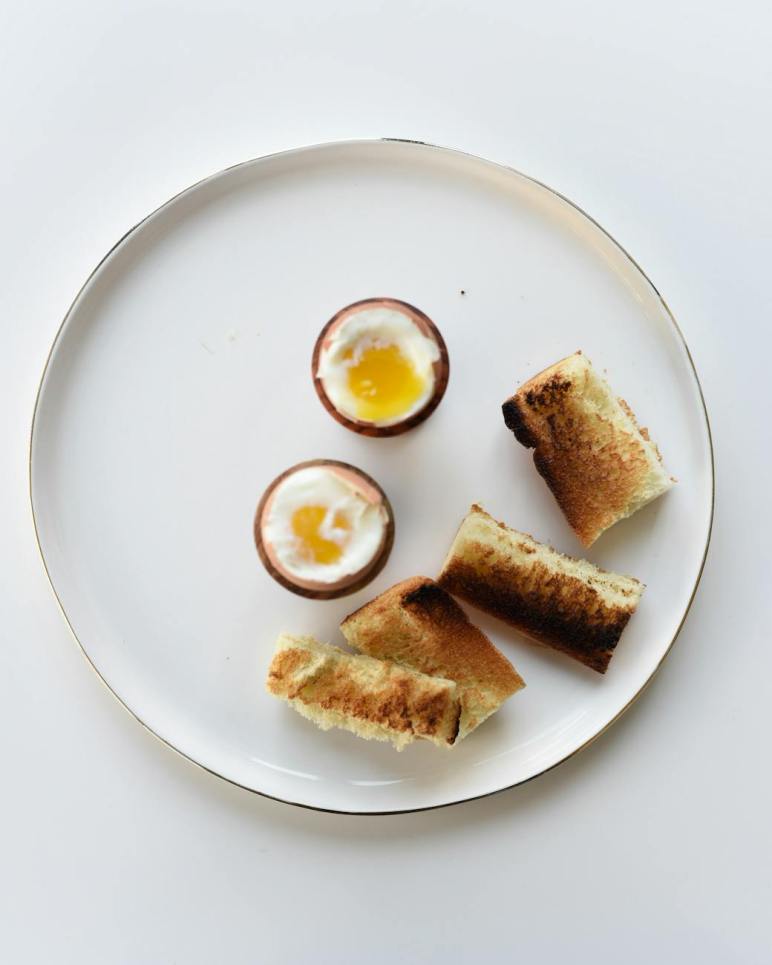
Trust me, I’m going somewhere with this. It will all come together when I explain that the topic of today’s blog is about trends, “expert advice” and why writing (and often parenting and absolutely eggs) should be taken with an entire salt-shaker on the side.
What on earth could these three things have in common, you might ask. Well, when we look at a generational trend (ie 20 year increments) we see the advice, recommendations, and expectations of these three things swing from one end of the spectrum to another. Each time we have gotten used to one way of doing things, or our delicious morning egg and toast, or compassionate parenting, and then some talking head pops onto the screen (or a writing guru pens a blog) and tells us to scrap what we know and start doing it the opposite.
I have watched the constant wave of good vs bad hit eggs about three different times in my life. They’re bad, they’ll raise your cholesterol. They’re good, maybe nature’s perfect balance of protein, fat, and nutrients. You shouldn’t have more than 7 a week. They’re the power-move for non-meat eating humans.
Listen, my grandpa, who had his faculties and his strength into his eighties, typically had two to three eggs a day. Now, granted, he was a rancher and spent a lot of time outside and physically working, so I’m not saying that his lifestyle didn’t contribute to the balance of how many oves he was ingesting, but it worked for him beautifully. I love eggs. I don’t eat pork and not even beef if I can help it, so eggs are one of my favorite ways to keep a balance in my breakfasts. Do I have six a day? No. Would I? Maybe, if you let me.
In the wide and dumb world of parenting advice every idiot who ever sat in a room with a child, (or studied them in books) will freely give you advice on the best way to raise the most: compassionate, successful, independent, co-dependant, non-attached, attached, rocket scientist, artistic savant. Depending on what the latest fad is. None of them have had to sit in the middle of a minefield of legos for eight hours and continually be responsible for not only the little tike’s safety and life, but also making up story upon story to keep their brains busy all while bribing them with M&M’s to use the potty. Just when you think you’ve got it figured out, someone will come along with a different bit of advice and assure you that you have, unfortunately up until now, been doing it all wrong. *sigh*
What’s the writerly point of this longer-than-necessary intro? Oddly, let’s apply it all to dialogue tags.
When I was first learning to write in the 8th grade, I was taught that constantly using ‘said’ all the time was boring and it was also a bit of a waste. A more descriptive tag would help the reader to picture how something was said or the mood of your character. So… I seasoned the shit out of those early novellas. People sighed, and bit, and growled. They laughed, and smirked, and carried adverbs along with them, gently and fervently. Then, as I was finishing up my first novel and had a few editors look at it, I thought they would need a fainting couch. What was I doing using all of these descriptive tags? They were cumbersome and distracting. And perhaps the hardest bit of advice, of all was that it was lazy writing. That if I were a better writer, the reader would know automatically how each line was delivered by the magic of…creating a character so known and predictable in a situation so well understood? I do get the idea. I understand what they were saying. I worked hard to take out the flourish in my tags and be more visceral in my narration. But it felt clunky and I found that my first drafts were always a mix of both ‘said’ and something more fun. Because that’s how my voice sounds in my head. And I liked writing that way better.
Fast forward and I’m pursuing a writing article last week, when I nearly had to stop and find a fainting couch (I must be feeling dramatic today) because *gasp* the all-powerful ‘they’ of the writing industry (trends) have decided that a little spice of interested dialogue tags might help break up the monotonous lines of ‘said’ and bring a little more color to your characters. For the love of all that’s holy.
What’s next? Are we’re not giving out participation trophies to our kids anymore to boost their self confidence? That we need to let them fail so they can learn? (for the record, that was always my stance, along with my two eggs a day breakfast.)
The point I’m trying to make is that in all things, you know yourself best. I like to believe you’ve had a healthy dose of introspection (hopefully some therapy and a few writing classes) and have learned as a parent and a writer, where your faults lie and how you like to move in your creative and parental endeavors. That not every book, article, poem, breakfast, or child is the same, in any given moment, and that learning to trust that you’ll do the best you can with what you have, and honor your own ‘style’ in the process is the better route than following a trend. That you can enjoy a moderation of eggs regardless of what the latest health article is decrying currently.
So–I will keep my fancy dialogue tags, thank you very much, when they serve the scene and the character. But I promise not to use them at the end of every line being delivered (just like I won’t, probably suck down six eggs a day). I’ll constantly work towards the balance of support and love, while stepping far enough away to let my kids struggle, fall, and get back up. And I’ll keep my two soft-boiled eggs and toast breakfast as a loving nod to my grandfather and the nourishment that sustains.
 Sarah Reichert Author